
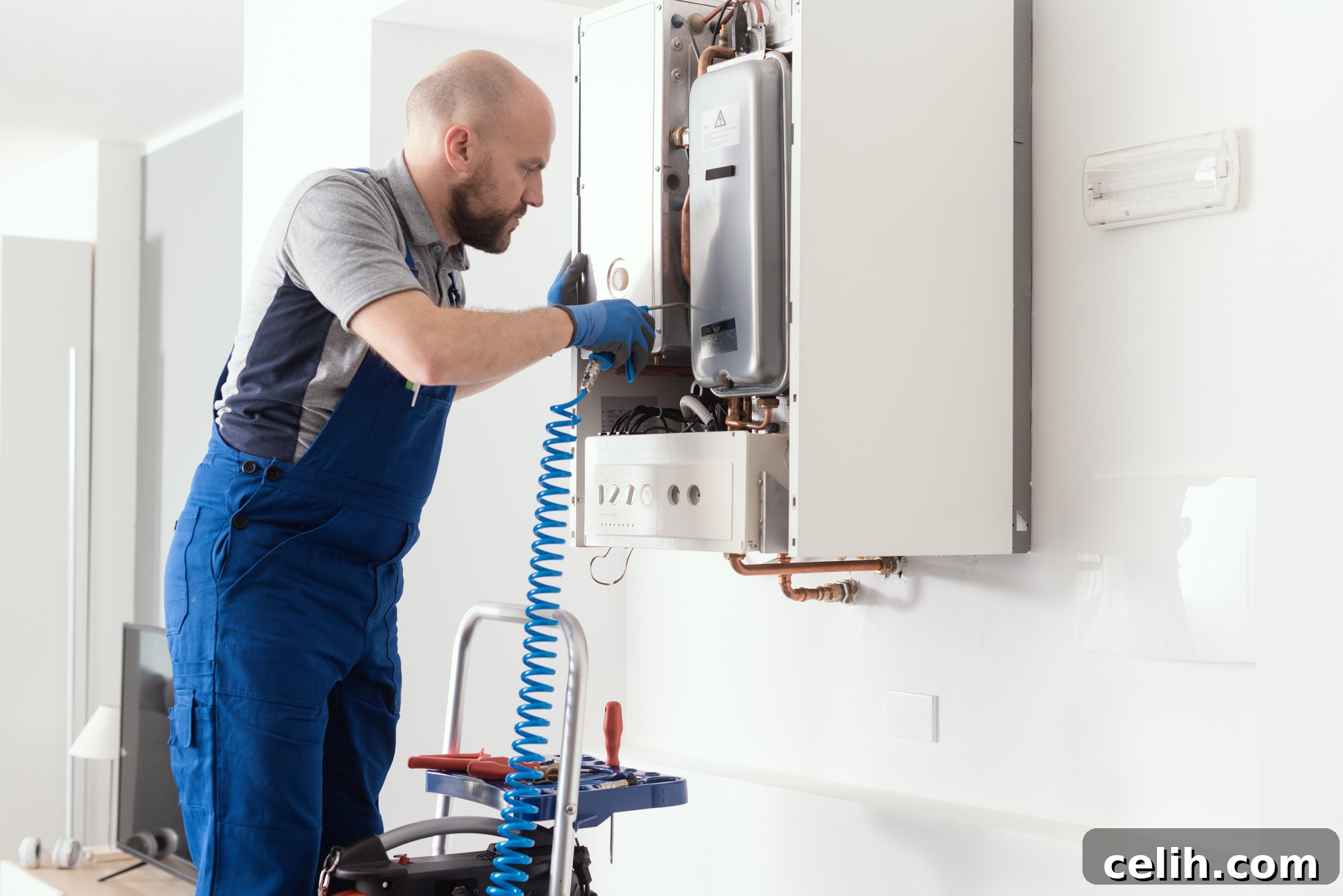
Ensuring your home’s heating system operates reliably and efficiently is crucial, especially during colder months. While a furnace may seem like a set-it-and-forget-it appliance, its performance and longevity are heavily influenced by regular maintenance. The ideal frequency for furnace servicing isn’t rigidly fixed; instead, it thoughtfully adapts to the unique characteristics of your household. Factors like the number of occupants, the presence of pets, and even the local climate can dictate how often your system requires attention. For instance, a bustling household with several residents and furry companions might necessitate more frequent inspections due to increased dust, pet dander, and general wear and tear. Conversely, a single occupant might find they can comfortably extend service intervals by a few weeks or even months, provided other indicators remain normal.
Despite these variables, HVAC professionals consistently recommend annual furnace maintenance as a gold standard. This isn’t just a suggestion; it’s a vital preventative measure. Even when your furnace appears to be running smoothly and looking impeccably clean, routine servicing acts as an invaluable shield, proactively identifying and addressing minor issues before they escalate into serious, costly problems or complete system breakdowns. Skipping this crucial annual check-up can lead to diminished efficiency, increased utility bills, premature component failure, and even potential safety hazards. By adhering to a consistent maintenance schedule, homeowners can significantly extend their furnace’s lifespan, ensure optimal performance, enhance indoor air quality, and maintain a safe, comfortable living environment. Recognizing the early warning signs that your furnace needs professional attention is key to preventing these larger issues. Here are some critical indicators that it’s time to schedule a service appointment.
Unusual Noises and Sounds
While some operational sounds are normal for a furnace, especially during startup and shutdown, any unusual or persistent noises are clear signals that your system demands expert servicing. Regular furnace operation typically involves a gentle hum or the whoosh of air moving through ducts. However, if you begin to hear unexpected banging, rattling, screeching, grinding, clicking, or whistling, it’s imperative to investigate. These peculiar sounds are often the auditory manifestation of internal problems and should never be ignored, as they frequently point to components that have come loose, parts that are deteriorating, or critical mechanical failures.
For instance, a loud banging noise could indicate issues with the ignitor or a dirty burner, causing delayed ignition and a small “explosion.” Rattling sounds often suggest loose panels, components, or even debris trapped within the blower motor. A high-pitched screeching or squealing typically points to a worn-out fan belt or dry motor bearings that require lubrication or replacement. Grinding noises are particularly concerning, as they can signify a failing motor bearing, which, if left unaddressed, could lead to complete motor seizure. Continuous clicking could be a problem with the ignitor trying repeatedly to light the burner. Even a persistent humming noise, if louder or different from usual, could indicate electrical issues or a malfunctioning capacitor.
Ignoring these auditory warnings is akin to ignoring a car’s check engine light. Minor issues can quickly escalate into significant damage, potentially leading to costly repairs, diminished efficiency, or even total furnace failure. For homeowners who are mechanically inclined, there are resources available, such as online tutorials, that might offer insights on how to troubleshoot common furnace issues or even guide them through simple component replacements. However, for most complex issues, contacting a professional HVAC technician is the safest and most effective course of action. These experts possess the specialized tools and knowledge to accurately diagnose the source of the noise and perform the necessary repairs. Taking proactive steps to address unusual noises not only helps to prolong the operational life of your furnace but also plays a critical role in preventing unexpected breakdowns and ensuring a safe, comfortable home environment.
Persistent or Unusual Smells
The air emanating from your furnace vents should ideally be odorless. When you first activate your heating system after a period of dormancy, particularly in early autumn, it’s common and generally harmless to notice a faint smell of burning dust. This occurs as dust accumulated on the heat exchanger burns off, and it should typically dissipate within an hour or so, especially if you open windows to air out your home. However, any other odor, or a dust smell that persists for an extended period, requires immediate attention, as it could indicate a serious problem.
For homes equipped with a gas furnace, a sulfurous, rotten egg smell is an unmistakable and extremely dangerous indicator of a gas leak. Natural gas is naturally odorless, but utility companies add mercaptan to give it this distinct scent, specifically as a safety warning. If you detect this odor, your top priority is safety: evacuate your home immediately, ensure everyone is out, and then call your gas company’s emergency line or 911 from a safe distance. Do not operate any electrical switches, light matches, or use your phone inside the house, as these actions could ignite the gas. Similarly, for both gas and electric furnaces, a burning plastic, metallic, or fishy smell suggests an electrical malfunction, which presents a significant fire hazard. This could stem from overheating wires, a failing motor, a burning circuit board, or other electrical components. Such odors demand immediate professional investigation and repair to prevent an electrical fire.
Other less common but equally concerning smells include a musty or moldy odor, which often indicates the presence of mold or mildew within your ductwork or furnace components, potentially impacting indoor air quality and health. An oil smell, if you have an oil furnace, could point to a leak or combustion issue. It’s vital to differentiate between harmless temporary smells and those that signal danger. Being vigilant about the scents in your home and understanding what they signify is a crucial aspect of responsible home maintenance and safety. When in doubt, always err on the side of caution and contact a certified HVAC technician to inspect your system.
Increased Utility Bills
It’s a natural part of homeownership to observe seasonal fluctuations in your utility costs. During the peak summer months, many homeowners anticipate a rise in their electricity bills due to increased air conditioning usage. Similarly, the colder periods of winter inevitably bring higher expenses for heating as your furnace works harder to maintain a comfortable indoor temperature. After residing in your region for several years, you generally develop an understanding of these predictable seasonal patterns and the average costs associated with them.
However, when your heating bills suddenly and unexpectedly jump without any discernible change in your habits or the outdoor temperature, your furnace is often the primary suspect. Furnaces are engineered to operate with a specific level of efficiency, consuming a consistent amount of energy when in good working order. Over time, as components age, accumulate dirt, or become worn, the furnace gradually loses its peak efficiency. A clogged air filter, dirty burners, faulty ignitors, a struggling blower motor, or compromised ductwork can all force your system to work significantly harder and longer to achieve the desired temperature. This increased effort translates directly into greater energy consumption and, consequently, a noticeable rise in your monthly utility statements.
Instead of a sudden spike, you might also observe a slow but continuous upward creep in your bills over several heating seasons. This gradual increase is often a tell-tale sign of an aging furnace that is progressively losing its ability to convert fuel into heat efficiently. While replacing an old furnace with a new, high-efficiency model can be a significant investment, the long-term savings on utility bills often justify the initial cost. Before considering replacement, however, a professional inspection can determine if simple repairs or a thorough cleaning can restore your furnace’s efficiency to an acceptable level. Ignoring these signs of inefficiency means you are not only paying more than necessary for heating but also putting unnecessary strain on your system, which can accelerate wear and lead to more expensive repairs down the line.
Air Not Warming Properly
The fundamental purpose of your furnace during the chilly winter months is to deliver warm air through your home’s vents, ensuring a comfortable and cozy indoor environment. Once your home reaches the thermostat’s set temperature, it’s natural for the air output from the vents to become less intense or even stop as the system cycles off. However, if you consistently notice lukewarm or cool air flowing from your vents immediately after the furnace kicks on, or if your home struggles to reach and maintain the desired temperature, you’re facing a significant problem that demands prompt professional attention, especially during severe cold spells.
Insufficient heating can stem from a variety of underlying issues, each requiring specific diagnostic expertise. Common culprits include a clogged air filter, which restricts airflow and can cause the system to overheat and shut down prematurely. A malfunctioning thermostat, either miscalibrated or with faulty wiring, might not be accurately signaling the furnace to produce more heat. Pilot light issues (for older models) or a faulty ignitor can prevent the burners from lighting properly. Problems with the blower motor or fan could mean that even if heat is being produced, it’s not being adequately distributed throughout your home. Furthermore, leaky or poorly insulated ductwork can lead to significant heat loss before the air ever reaches your living spaces.
Beyond these, a damaged heat exchanger, worn-out components, or even a furnace that is undersized for your home’s square footage can contribute to inadequate heating. Identifying and replacing these faulty parts or addressing these systemic issues is crucial for restoring proper heating function. Ignoring a furnace that isn’t warming properly not only compromises your comfort and can lead to dangerously low indoor temperatures, but it also forces the system to run continuously, wasting energy and accelerating wear and tear on other components. A professional HVAC technician can accurately diagnose the root cause of the problem and recommend the most effective solution, ensuring your home remains warm and safe throughout the heating season.
Furnace is Short Cycling
A properly functioning heating system typically goes through a complete heating cycle: it turns on, heats your home to the thermostat’s set temperature, and then turns off, remaining dormant until the temperature drops again. Your heating system is “short cycling” if it repeatedly turns on and off in quick succession, without completing a full heating cycle. This problematic pattern can result from several underlying sources and, if ignored, can lead to significant operational inefficiencies, increased wear and tear, and eventually, costly breakdowns.
One of the primary causes of short cycling involves internal furnace malfunctions or damaged components. This could include a dirty flame sensor that mistakenly detects no flame and shuts down the system, a clogged air filter restricting airflow and causing the furnace to overheat, or a blocked exhaust vent triggering safety mechanisms. Issues with the ignitor or burner can also prevent a complete cycle. Secondly, thermostat issues or sensor problems can frequently cause short cycling. A miscalibrated thermostat might incorrectly read the room temperature, signaling the furnace to turn off prematurely. Faulty wiring or a thermostat placed in a drafty area can also lead to erratic behavior.
Perhaps one of the most overlooked causes, particularly with newly installed systems, is oversized equipment. An oversized furnace is simply too powerful for the space it’s heating. It generates heat so rapidly that it quickly satisfies the thermostat’s setting, causing it to shut off before completing a normal cycle. While this might seem efficient, it’s actually detrimental. The continuous starting and stopping associated with short cycling places immense stress on the furnace’s components, including the ignitor, blower motor, and heat exchanger. This accelerated wear and tear can significantly reduce your furnace’s operational lifespan, leading to premature failure and more frequent, expensive repairs. Beyond the mechanical stress, short cycling also leads to inefficient heating, as the system doesn’t run long enough to adequately distribute warm air evenly throughout your home, often resulting in cold spots and inconsistent temperatures. Addressing short cycling promptly is crucial for maintaining your furnace’s health and ensuring efficient, reliable heating.
Endnote: Prioritizing Your Furnace’s Health
Your home relies heavily on a dependable furnace to provide consistent warmth and comfort, especially when the temperatures drop. Understanding the critical indicators that signal the need for professional repairs or maintenance is not just about avoiding inconvenience; it’s about smart budgeting, ensuring optimal home comfort, and, most importantly, safeguarding the health and safety of your household. Recognizing unusual noises, strange smells, unexpected spikes in utility bills, inadequate heating, or the problematic pattern of short cycling are all vital clues that your heating system requires expert attention.
Proactive maintenance is the cornerstone of a long-lasting and efficient heating system. Scheduling frequent inspections and seeking expert advice when any of these warning signs appear can make a world of difference. Regular tune-ups allow skilled HVAC technicians to identify and address minor issues before they transform into major, costly repairs. They can clean crucial components, lubricate moving parts, check electrical connections, and calibrate your system for peak performance, ensuring it operates safely and efficiently. By investing in preventative care and promptly responding to your furnace’s distress signals, you not only extend its lifespan and maintain its efficiency but also guarantee that your home remains warm, cozy, and a sanctuary of comfort throughout the harshest winter months. Don’t wait for a complete breakdown; empower yourself with knowledge and partner with professionals to ensure your furnace consistently delivers the reliable warmth you depend on.