
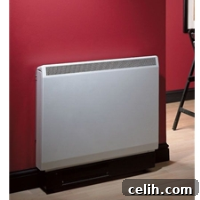
Mastering Winter Comfort: Your Guide to Efficient Home Heating
As the vibrant hues of autumn fade and the crisp chill of winter truly settles in, the focus inevitably shifts to ensuring our homes remain warm, inviting, and energy-efficient. The end of summer marks not just a change in seasons but a crucial time to evaluate and optimize your home heating strategy. For many, especially those living in compact spaces like flats or smaller houses, finding the right balance between comfort and cost-effectiveness is paramount. This comprehensive guide will delve into the world of storage heaters, exploring their functionality, various types, and how they can be a smart solution for keeping your home cosy throughout the colder months.
Heating your home effectively isn’t just about battling the cold; it’s about creating a healthy, comfortable living environment. Proper heating can prevent dampness, protect your property from frost damage, and significantly impact your family’s well-being. Furthermore, with rising energy costs and a growing awareness of our environmental footprint, choosing an energy-efficient heating solution is more critical than ever. Let’s uncover how modern heating technologies, particularly storage heaters, can deliver both warmth and peace of mind.
Understanding Storage Heaters: The Core Concept
Storage heaters are a clever heating solution designed to take advantage of off-peak electricity tariffs, typically available during nighttime hours when demand on the energy grid is lower, and electricity is cheaper. This ingenious system allows you to ‘bank’ heat when it’s most economical, releasing it steadily throughout the day. This core principle makes them an attractive option for budget-conscious homeowners and those seeking a consistent warmth without the fluctuating costs of on-demand electric heating.
How Do Storage Heaters Work?
At the heart of every storage heater are special heat-retaining bricks, usually made from high-density materials like magnesium oxide or ceramic. These bricks act as thermal sponges. During the night, when your electricity meter switches to the lower Economy 7 or similar off-peak rate, the storage heater draws electricity to heat these bricks to a high temperature. The unit then uses a thick layer of insulation to keep this stored heat contained until it’s needed.
As the day progresses, the stored heat is slowly and controllably released into your living space, providing a steady, gentle warmth. This ensures that your home remains comfortable without the constant drain of electricity during peak, more expensive daytime hours. It’s a system designed for efficiency, delivering warmth when you need it most, fueled by the cheapest energy available.
The Advantages of Modern Storage Heaters
While the fundamental principle of storage heating remains consistent, modern storage heaters have evolved significantly, offering a host of benefits that make them a compelling choice for many households:
- Cost-Effective Heating: The primary advantage is undoubtedly the savings on your energy bills. By utilizing cheaper, off-peak electricity, you can significantly reduce your heating expenses compared to standard on-peak electric heaters. This makes them particularly economical for smaller homes and flats where they can efficiently cover the heating needs.
- Environmental Benefits & Reduced Carbon Footprint: Modern storage heaters are designed for efficiency. By consuming electricity during off-peak times, they align well with smart grid initiatives and the growing integration of renewable energy sources, which often generate electricity during off-peak periods. Upgrading to a newer model can drastically improve efficiency, leading to a smaller carbon footprint.
- Consistent, Gentle Warmth: Unlike systems that cycle on and off, storage heaters provide a continuous, even heat throughout the day, avoiding temperature fluctuations and cold spots. This creates a consistently comfortable environment, perfect for maintaining a cosy home.
- Safety and Reliability: With no exposed flames or complex pipework, storage heaters are a safe and low-maintenance heating solution. They are robust, reliable, and require minimal upkeep once professionally installed.
- Ease of Installation: Compared to installing a full wet central heating system, storage heaters are relatively straightforward to install. They only require an appropriate electrical circuit, making them an excellent option for properties without existing gas lines or where major renovation is impractical.
- Smart Controls: Latest models come equipped with advanced digital controls, allowing for precise temperature management, programmable timers, and even adaptive start functions that learn your heating patterns.
Exploring Different Types of Storage Heaters
The evolution of storage heater technology has led to several distinct types, each offering specific features to cater to varying heating needs and preferences.
1. Standard Storage Heaters
These are the foundational models, embodying the core principle of off-peak charging and gradual heat release. They are straightforward, reliable, and perfect for maintaining a steady background warmth in smaller rooms or well-insulated spaces. Their simplicity makes them a cost-effective choice for those new to storage heating or with minimal control requirements.
2. Combination Convector Storage Heaters
Taking a step up in versatility, combination convector storage heaters integrate a conventional electric convector heater within the storage unit. This hybrid design offers the best of both worlds: the economical, steady heat from the stored energy, and the ability to provide an instant boost of warmth when needed. Should the temperature suddenly drop, or if you require a quick blast of heat in a larger room, the built-in convector can be switched on. This makes them an excellent option for living areas or rooms that might occasionally need a more intense heat output to combat unexpected chills.
3. Fan-Assisted Storage Heaters (High Heat Retention Storage Heaters)
The most sophisticated and energy-efficient models on the market today are often referred to as fan-assisted or, more commonly, high heat retention (HHR) storage heaters. These units boast superior insulation, which means they can retain heat for longer periods with minimal loss. The key innovation lies in their fan assistance: instead of relying on natural convection, a quiet, built-in fan actively draws air over the heated bricks and circulates the warm air into the room. This provides much greater control over when and how the heat is discharged.
HHR storage heaters typically feature advanced digital controls, precise thermostats, and programmable timers. You can schedule exactly when you want the heat released and at what intensity, making them incredibly flexible and responsive. Many comply with the latest Lot 20 energy efficiency regulations, making them exceptionally cost-effective and environmentally friendly. They are ideal for larger rooms or homes where precise temperature control and maximum efficiency are priorities.
Choosing the Right Storage Heater for Your Home
Selecting the perfect storage heater involves considering several factors to ensure it meets your specific heating requirements and lifestyle:
- Room Size and Insulation: The size of the room and its insulation levels are critical. Larger rooms or those with poor insulation will require a higher wattage output. It’s often more efficient to have two smaller heaters in a large room rather than one oversized unit, as this allows for better heat distribution and more flexible control.
- Your Lifestyle: Do you need consistent heat throughout the day, or are you primarily looking to warm your home in the mornings and evenings? Standard models are great for steady background heat, while fan-assisted models offer more on-demand flexibility.
- Budget: Consider both the initial purchase price and the long-term running costs. While modern, high heat retention models may have a higher upfront cost, their superior efficiency often leads to greater savings over time.
- Aesthetics and Space: Storage heaters are generally larger than conventional radiators. Think about how the unit will fit into your room’s layout and how your furniture will be arranged around it. Modern slimline designs are available, but mindful planning is still essential to maintain the room’s flow and, dare we say, its feng shui.
- Off-Peak Tariff: Ensure you are on an Economy 7 or similar off-peak electricity tariff to maximize the cost-saving benefits of storage heaters.
Installation and Optimizing Usage
Once you’ve chosen the ideal storage heater, professional installation is crucial to ensure safety and optimal performance. An accredited electrician will correctly wire the unit to your off-peak electricity supply and advise on the best placement within your room.
To get the most out of your storage heater, it’s essential to understand its controls. Most units will have an ‘input’ dial (controlling how much heat is stored overnight) and an ‘output’ dial (controlling how quickly the heat is released during the day). Experiment with these settings to find the perfect balance for your comfort and energy usage. Remember that a well-insulated home – with double-glazed windows, draught-proofed doors, and insulated walls/loft – will significantly enhance the efficiency of any heating system, including storage heaters.
Conclusion: Embrace a Warmer, More Efficient Winter
As winter approaches, ensuring your home is warm and welcoming becomes a top priority. Modern storage heaters offer an intelligent, cost-effective, and environmentally conscious way to achieve this, particularly for flats and smaller houses. By harnessing the power of off-peak electricity, they provide consistent warmth while helping you manage your energy bills and reduce your carbon footprint. Whether you opt for a reliable standard model, a versatile combination unit, or a high-efficiency fan-assisted system, upgrading to a newer, more efficient storage heater is an investment in your comfort, your wallet, and the planet. Take the time to assess your needs, explore the latest models, and prepare your home for a cosy and efficient winter.
***This is a guest post***