
Top Children’s Bedroom Trends: Inspiring Spaces for Play, Learning, and Growth
A child’s bedroom is far more than just a place to sleep; it’s a dynamic sanctuary where imagination flourishes, learning takes root, and personalities develop. It’s a space that evolves with them, reflecting their dreams, interests, and ever-changing needs. As parents and designers increasingly recognize the profound impact of environment on a child’s development, children’s bedroom design has become a vibrant and innovative field. This year, we’re witnessing an exciting array of trends that merge functionality with enchantment, safety with style, and sustainability with cutting-edge technology. From eco-conscious choices to personalized havens, these emerging concepts are set to transform children’s spaces into truly inspiring realms. Let’s delve into the top trends that are shaping the future of kids’ bedrooms, designed to foster creativity, encourage discovery, and provide a comforting retreat for every child.
Embracing Sustainability: Eco-Friendly Children’s Rooms
One of the most significant and responsible trends sweeping through children’s bedroom design is a profound commitment to sustainable materials and eco-friendly practices. With growing global awareness of environmental issues, parents are more conscientious than ever about the products they bring into their homes, especially those for their children. This trend is driven by a desire not only to protect the planet but also to create healthier, safer environments free from harmful chemicals for little ones. The focus is on materials that are renewable, recycled, non-toxic, and ethically sourced.
We’re seeing a surge in furniture crafted from FSC-certified wood, bamboo, and cork – materials known for their rapid renewability and durability. Decor items, textiles, and even toys are increasingly made from organic cotton, recycled plastics, and natural fibers. Beyond just materials, sustainable design extends to non-VOC (Volatile Organic Compound) paints and finishes, ensuring superior air quality in the bedroom. These choices contribute to a unique aesthetic, often characterized by natural textures, calming palettes, and a sense of timeless simplicity that encourages a serene and focused atmosphere. Investing in sustainable children’s furniture and decor not only minimizes ecological impact but also ensures a robust, long-lasting, and healthy space for your child to thrive, making it a wise and responsible choice for the future.
Interactive Technology: Engaging Minds in Play and Learning
Technology continues to redefine spaces, and children’s bedrooms are no exception. The integration of interactive technology is making a substantial impact, transforming static rooms into dynamic, engaging environments that stimulate creativity and learning. This trend moves beyond simple gadgets, embedding tech into the very fabric of the room’s design to offer immersive and personalized experiences.
Smart lighting systems are a prime example, allowing children and parents to adjust colors, brightness, and even create dynamic light shows to match moods or activities, from calming bedtime routines to energetic playtimes. Interactive wall decals and projectors are also gaining popularity, using augmented reality (AR) to bring fantastical worlds to life. By simply pointing a smartphone or tablet at a wall, children can interact with animated characters, play educational games, or explore virtual landscapes right in their own room. Imagine a mural that transforms into a bustling jungle with a tap, or a starry night sky that narrates constellations. These innovative applications not only provide endless entertainment but also offer unique opportunities for interactive learning, encouraging exploration and problem-solving. As technology advances, we anticipate even more sophisticated integrations, making children’s bedrooms hubs of personalized discovery and magical immersion, always with a careful balance to ensure screen time remains constructive and engaging.
The Art of Personalization: Crafting Unique Kids’ Sanctuaries
In an increasingly mass-produced world, the desire for personalization has never been stronger, especially when it comes to designing a child’s bedroom. Parents are eager to move beyond generic themes, striving instead to create a space that genuinely reflects their child’s unique personality, burgeoning interests, and individual dreams. This trend recognizes that a personalized environment fosters a deeper sense of belonging and ownership, empowering children to express themselves and feel truly comfortable in their own domain.
The options for customization are virtually limitless. Custom wall murals depicting favorite characters, fantastical landscapes, or abstract patterns allow for truly unique artistic statements. Personalized bedding, from monograms to custom-printed fabrics featuring a child’s artwork, adds a bespoke touch. Beyond decor, parents are investing in one-of-a-kind furniture pieces, be it a handcrafted bookshelf shaped like a tree, a desk designed for a budding artist, or modular storage solutions adapted to a child’s specific collection of toys. Even small details, like curated art displays of their own drawings or a gallery wall dedicated to their achievements, contribute to this bespoke aesthetic. This emphasis on unique kids’ room decor and custom bedroom solutions means parents are dedicating more time, creativity, and often budget, to designing spaces that are not just functional but profoundly meaningful and inspiring for their children, evolving alongside them from infancy through their teenage years.
Bedside Cribs: Nurturing Closeness and Safe Sleep for Newborns
The practice of co-sleeping, or keeping infants close to parents during sleep, has found a modern, safer interpretation in the rising popularity of bedside cribs. This innovative nursery solution provides the undeniable benefits of proximity and ease of care for newborns, while strictly adhering to safe sleep guidelines. Parents are increasingly choosing bedside cribs to foster a strong bond with their infant from day one, making nighttime routines, such as feedings, diaper changes, and comforting, significantly more accessible and less disruptive.
A bedside crib, often referred to as a co-sleeper bassinet, is ingeniously designed to attach securely to the side of the parents’ bed. This creates a distinct yet immediately accessible sleeping area for the baby, eliminating the need for parents to leave their bed entirely during the night. Key features include adjustable height settings to perfectly align with various bed frames, breathable mesh sides for optimal airflow and visibility, and sturdy attachment mechanisms to ensure stability. Many models also offer a drop-down side panel for seamless access to the baby. The convenience of having the baby within arm’s reach helps parents respond quickly to their newborn’s needs, often leading to more settled nights for both infant and adult. This practical and comforting addition to the nursery setup is a testament to thoughtful design that prioritizes both parental ease and infant well-being, promoting a serene sleeping environment for the entire family.
Functional Toddler Beds: A Bridge to Independence
As children grow from infancy into their toddler years, the transition from a crib to a “big kid” bed marks a significant developmental milestone, symbolizing growing independence. Today’s toddler beds are designed to make this transition smooth, safe, and exciting, evolving into highly functional and aesthetically pleasing pieces of furniture that cater to a child’s expanding world. Gone are the days of purely utilitarian designs; contemporary toddler beds blend playful aesthetics with practical features, offering a plethora of options to suit every child’s personality and every parent’s organizational needs.
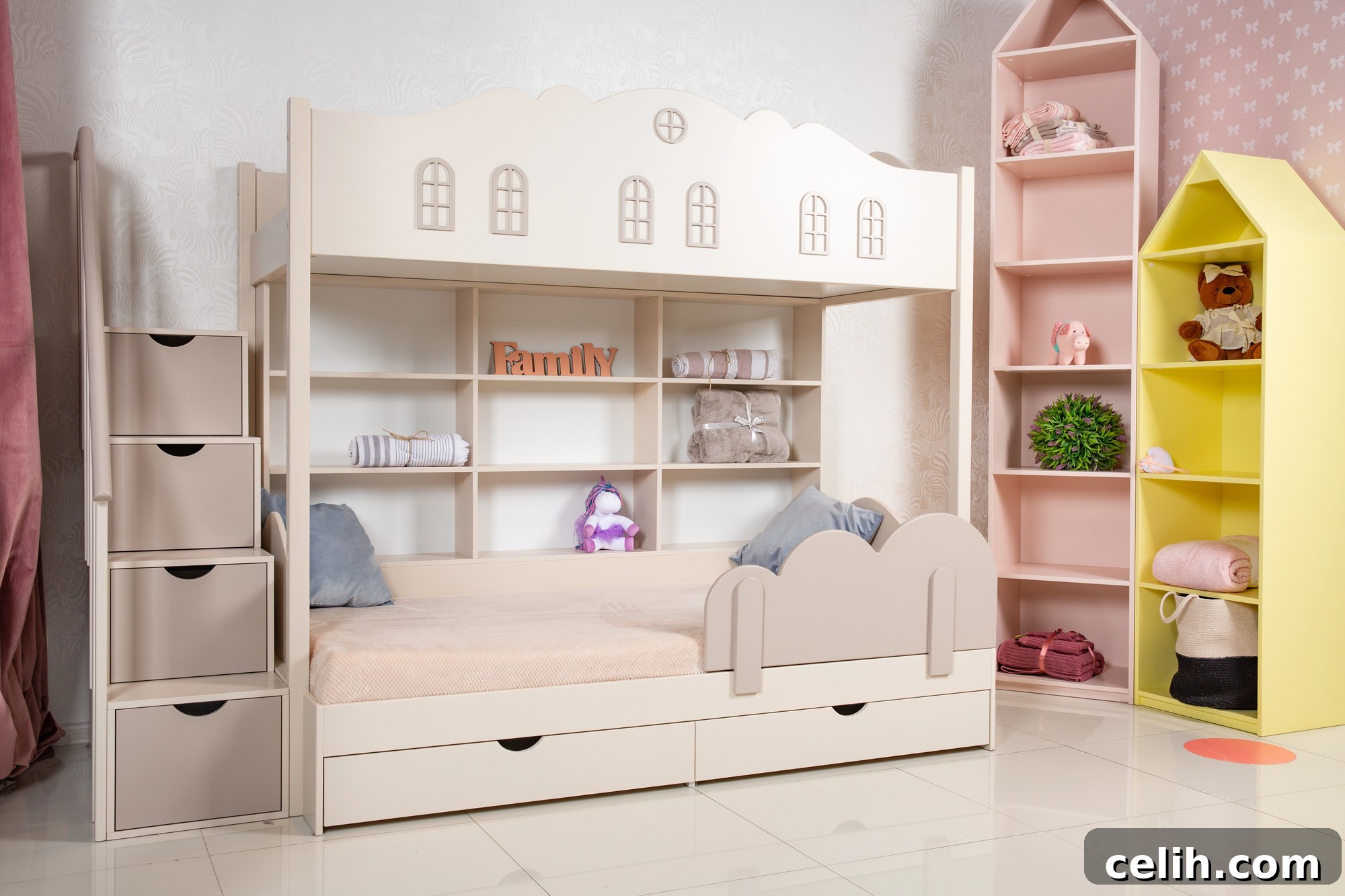
Modern toddler beds come in a variety of stylish designs, from minimalist Scandinavian frames that fit seamlessly into any decor, to imaginative themed beds shaped like cars, castles, or houses that spark endless imaginative play. Beyond their visual appeal, functionality is key. Many models now incorporate clever built-in storage solutions, such as integrated drawers beneath the mattress, open shelves at the footboard, or even pull-out trundles for extra sleepovers. These storage features are invaluable for keeping children’s bedrooms organized and clutter-free, providing dedicated spaces for toys, books, and bedding. Safety features like low heights for easy access and sturdy guardrails are standard, ensuring a secure sleeping environment. Choosing a functional toddler bed means investing in a piece that supports a child’s journey towards autonomy while also contributing to an organized and inspiring bedroom space, laying the groundwork for future growth and self-sufficiency.
Nature-Inspired Designs: Bringing the Outdoors In
Another prominent trend gaining traction in children’s bedroom decor is the embrace of nature-inspired designs, often referred to as biophilic design principles. This approach seeks to connect children with the natural world, even within their indoor spaces, recognizing the profound calming and developmental benefits that nature provides. In an increasingly urbanized world, creating a green oasis in a child’s room can foster a sense of peace, curiosity, and well-being.
This trend manifests through a variety of elements: earthy color palettes, including gentle greens, serene blues, warm neutrals, and organic textures like wood, rattan, and linen. Wallpapers featuring botanical prints, forest scenes, or celestial motifs are popular, transforming walls into windows to nature. Incorporating natural light whenever possible is crucial, complemented by soft, ambient lighting that mimics natural glows. Real or high-quality artificial plants add a touch of lushness and life. Furniture with organic shapes, animal-themed decor, and even sensory elements like rough-hewn wood or soft wool rugs contribute to this naturalistic feel. The aim is to create a serene and stimulating environment where children feel connected to the environment, encouraging imaginative play, a sense of wonder, and a deep appreciation for the natural world. This trend beautifully complements sustainable practices, often using eco-friendly materials to achieve its aesthetic goals, making it a holistic choice for a child’s healthy development.
Multi-functional Furniture: Maximizing Space and Versatility
In homes where space is a premium, or simply where efficiency and adaptability are valued, multi-functional furniture has emerged as an indispensable trend in children’s bedroom design. This approach focuses on maximizing every square inch of a room by choosing pieces that serve more than one purpose, evolving with the child’s needs and accommodating various activities. It’s about smart design that offers incredible versatility without compromising on style or comfort.
Think beyond a basic bed; modern solutions include loft beds with integrated desks and seating areas underneath, perfect for homework and creative projects. Storage beds are a staple, featuring drawers, shelves, or even pull-out trundles for sleepovers. Daybeds that convert from a sofa for lounging to a comfortable bed for sleeping are ideal for small rooms or shared spaces. Modular shelving units can be reconfigured as storage needs change, and benches with hidden compartments offer both seating and invaluable clutter control. Convertible cribs that transform into toddler beds and then into full-sized beds or daybeds represent a long-term investment, adapting as the child grows. This trend emphasizes ingenious engineering and clever design to create spaces that are highly organized, adaptable, and conducive to a wide range of activities – from sleeping and playing to studying and relaxing. Multi-functional furniture not only saves space but also promotes a tidy environment and encourages a sense of order, making it a cornerstone of contemporary children’s bedroom design.
The landscape of children’s bedroom design is continually evolving, driven by innovation, a deeper understanding of child development, and a growing commitment to sustainability and personal expression. From embracing eco-conscious materials and integrating interactive technology that sparks curiosity, to crafting uniquely personalized havens and selecting smart, multi-functional furniture, the trends of today are focused on creating more than just rooms – they are building enriching environments. Whether prioritizing safety with a bedside crib, fostering independence with a functional toddler bed, or bringing the calming influence of nature indoors, these trends collectively aim to create spaces where children feel inspired, secure, and free to explore their imaginations. By thoughtfully incorporating these elements, parents can design bedrooms that are not only beautiful and practical but also deeply supportive of their child’s journey through play, learning, and growth, ensuring these cherished spaces become truly memorable parts of their childhood.