
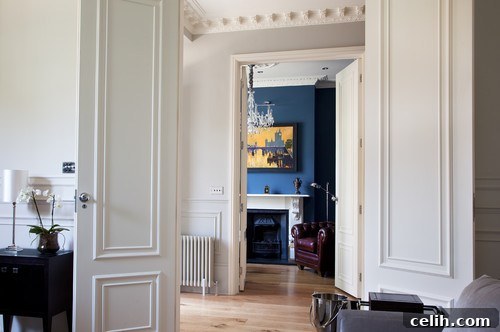
Embrace Timeless Elegance: Transform Your Modern Room into a Victorian Sanctuary
The allure of the Victorian era, spanning Queen Victoria’s reign from 1837 to 1901, continues to captivate designers and homeowners alike. Characterized by opulence, intricate details, and a profound sense of comfort, Victorian interior design offers a rich tapestry of aesthetics that can bring profound character to any living space. If you’re drawn to this distinctive style but find yourself in a contemporary home lacking historical charm, fear not. This comprehensive guide will illuminate the path to seamlessly transforming a relatively modern room into an authentic-looking Victorian haven, making it appear as though it was meticulously crafted in a bygone century.
The essence of achieving a convincing Victorian transformation lies not in superficial adornments, but in a meticulous attention to detail and a commitment to recreating the fundamental architectural elements of the period. Simply introducing Victorian-style furniture pieces is insufficient to capture the true spirit of the era. Instead, the real magic happens when you delve into changing the very fabric and structure of the room, laying a robust foundation upon which your chosen décor can truly flourish. By focusing on these core structural and decorative enhancements, you can cultivate an environment that exudes the grandeur, warmth, and intricate beauty synonymous with Victorian homes.
Revitalize Your Room’s Foundation: Skirting Boards and Architraves
One of the most impactful yet often overlooked elements in establishing a period aesthetic is the skirting board. In Victorian homes, skirting boards (also known as baseboards in North America) were typically tall and ornate, serving not only to protect the lower walls but also as a significant decorative feature that connected the floor to the wall with elegance. To genuinely encapsulate the Victorian style, you will need to install appropriate Victorian style skirting board.
Fortunately, sourcing these architectural details is no longer a challenge. Numerous manufacturers now produce high-quality reproductions of Victorian-era baseboards, often crafted from versatile materials like Medium-Density Fibreboard (MDF). The use of MDF is a game-changer; it makes these historically accurate profiles accessible globally. MDF skirting boards are not only environmentally friendly, being made from recycled wood fibers, but they are also significantly lighter and far easier to install than traditional solid wood alternatives. Once expertly fitted, sanded, and painted in your chosen color, it becomes virtually impossible to distinguish them from original Victorian wooden skirting boards. This simple yet profound change immediately lends an air of authenticity and historical depth to your room. Don’t forget to also consider matching architraves around doors and windows to complete this foundational layer of period detail.
Adorn Your Walls: The Art of Victorian Wallpaper and Stenciling
Wallpaper played a pivotal role in Victorian interior design, with most grand family homes adorned with elaborate patterns and rich textures. From deep floral motifs and intricate damasks to geometric designs and nature-inspired prints, Victorian wallpaper was a statement of taste and affluence. To capture this essential element, you will need to paper at least some of your walls. When selecting wallpaper, consider the characteristic deep, jewel-toned hues like burgundy, forest green, deep blue, and chocolate brown, often combined with metallic accents or muted background shades.
If full wallpapering feels daunting or is outside your budget, a clever alternative is to use stencils to create the impression of wallpaper. This DIY approach allows for personalization and can be incredibly rewarding. You can find inspiration and practical guidance on how to make and use your own stencils by watching instructional videos. Stenciling can be particularly effective when applied to dado panels or above a picture rail, allowing you to introduce intricate patterns without overwhelming the entire room. Whichever method you choose, introducing patterned walls is a crucial step in transforming your space into a true Victorian gem, adding depth, texture, and a sense of historical richness.
Architectural Dividers: Installing Picture Rails, Dado Rails, and Paneling
Many Victorian homes featured distinct architectural divisions on their walls, most notably dado rails (also known as chair rails) and picture rails, particularly in main family rooms and hallways. Dado rails were originally designed to protect walls from the backs of chairs, while picture rails allowed artwork to be hung without damaging plaster. It was also common to see the lower half of walls covered in decorative paneling or wainscoting, which was then painted, adding another layer of visual interest and protection.
Achieving this look today doesn’t necessitate exorbitant costs. High-quality MDF dados or picture rails are readily available and represent a cost-effective solution. Their lightweight nature makes them remarkably easy for a competent DIY enthusiast to install. While finding authentic wooden paneling might require a bit more searching or custom work, it’s not strictly essential; contemporary paneling kits or even carefully installed MDF boards can replicate the look effectively. These additions not only break up the wall space visually but also provide an opportunity to play with different paint colors or wallpaper patterns above and below the rails, further enhancing the period aesthetic and framing the room with classical precision.
Elevate Your Ceiling: Decorative Roses and Moldings
In most authentic Victorian houses, the ceiling was far from a plain, overlooked surface. Instead, it was often adorned with elaborate decorative ceiling roses (or medallions) from which light fixtures would hang, complemented by intricate cornices and moldings that ran along the junction of the walls and ceiling. These details were integral to the grandeur and ornate character of Victorian interiors, drawing the eye upwards and completing the sense of lavishness.
For an authentic Victorian look, installing these ceiling details is paramount. The most budget-friendly versions are typically made of polystyrene, a lightweight and easily installable material. Once painted, these reproductions are remarkably convincing; it’s genuinely challenging to distinguish them from traditional plasterwork. However, when purchasing polystyrene ceiling features, prioritize safety above all else. Ensure that they are fire-safe, meaning they have been treated or coated with a fire retardant. Untreated polystyrene can ignite and burn quickly, posing a significant fire hazard. Investing in fire-rated products provides both aesthetic appeal and peace of mind, allowing you to enjoy the full splendor of your Victorian-inspired ceiling without compromise.
Period-Perfect Fixtures and Fittings: Lights, Switches, Doors, and Fireplaces
A truly convincing Victorian aesthetic demands that every detail, down to the smallest fixture, aligns with the chosen era. This means moving beyond mere surface decorations and delving into the fundamental elements that define the functionality and character of a room. Without the correct fixtures and fittings, the Victorian illusion will fall short.
Illuminate with Style: Victorian Lighting
Start by procuring Victorian-style lighting. This typically involves grand chandeliers in formal rooms, often crafted from brass, bronze, or intricate glass. Wall sconces with frosted glass or delicate shades were also common, providing ambient light. Even table and floor lamps of the period, often with ornate bases and fabric shades, contribute significantly to the overall feel. Remember that during the Victorian era, lighting evolved from gaslight to early electricity, so fixtures often blend these influences, offering a unique charm.
Detail in the Electrical: Switches and Sockets
It’s crucial not to overlook the finer points of modern utility. Standard white plastic light switches and electrical sockets will instantly break the period spell. Fortunately, manufacturers offer beautiful reproductions of Victorian switches and sockets, often made from polished brass, antique bronze, or even porcelain, featuring toggle switches or traditional dolly switches. These small changes collectively contribute to a cohesive and authentic environment.
The Grand Entrance: Doors and Hardware
The type of door used within a room plays a surprisingly significant role in its overall impression. A door is an undeniable focal point upon entering and leaving a space, making its design critical. Victorian doors were commonly paneled, often with four or six distinct panels, crafted from solid wood. Opt for period-appropriate internal doors, or if replacing them is not feasible, consider adding decorative molding to existing flat doors to mimic a panel design. Complement these doors with authentic hardware—heavy brass or ceramic door knobs, escutcheons, and ornate hinges—to complete the historical accuracy.
The Heart of the Home: The Fireplace
No Victorian room would be complete without a magnificent fireplace, which served as both a practical heat source and a lavish focal point. The mantelpiece, often carved from wood or marble, was an elaborate piece of furniture in itself, frequently adorned with decorative tiles and a cast-iron insert featuring intricate grates and surrounds. Recreating this element is essential for an authentic Victorian feel. Look for antique fireplaces or high-quality reproductions that capture the ornate detailing and substantial presence of the era. The choice of tiles around the fire opening can significantly impact the style, from geometric patterns to floral motifs, each adding a layer of period charm.
Flooring That Tells a Story: Period-Appropriate Surfaces
Once the architectural bones and major fixtures are in place, turn your attention to the floor. Victorian homes showcased a variety of flooring options, each reflecting the room’s function and the homeowner’s status. For principal rooms, polished wooden floorboards, often covered with large, richly patterned rugs, were common. Parquet flooring, with its intricate geometric patterns, was another popular choice for those seeking a more luxurious finish. In hallways and conservatories, Minton tiles, known for their vibrant colors and elaborate mosaic patterns, were a hallmark of Victorian grandeur. For service areas, more practical linoleum or painted floorboards were used.
To achieve this look today, consider restoring original floorboards if you’re fortunate enough to have them, sanding and staining them to a rich, warm tone. If not, engineered wood flooring or high-quality laminates that mimic period wood can be excellent alternatives. For hallways and kitchens, modern ceramic or porcelain tiles designed to replicate Victorian geometric or encaustic patterns can beautifully capture the essence of the era. Layering these floors with authentic Persian or Oriental rugs, or even reproduction Victorian-style carpets, will add warmth, texture, and another dimension of period authenticity to your transformed space.
Dressing the Room: Furniture, Textiles, and Accessories for Victorian Elegance
With the architectural canvas meticulously prepared, the final step is to “dress” your room with Victorian-style items. This is where your personal taste can truly shine, bringing together all the elements to create a cohesive and inviting space. Victorian furniture is known for its robust construction, dark woods (like mahogany, walnut, and rosewood), and often elaborate carvings, tufting, and upholstery. Look for Chesterfield sofas, button-back armchairs, ornate sideboards, and heavy, carved dining tables.
Textiles were incredibly important, contributing to the layered, luxurious feel. Think heavy velvet or damask curtains, often floor-length and adorned with fringes, tassels, and pelmets. Upholstery fabrics ranged from plush velvets to intricate tapestries. Cushions, throws, and tablecloths in rich patterns and textures further enhance this opulent aesthetic. Accessorize with purpose: large, ornate mirrors in gilded frames, collections of curiosities under glass domes, brass or ceramic plant holders, framed botanical prints or portraits, and numerous decorative objets d’art. Clutter was often celebrated in Victorian homes, reflecting a well-traveled and educated household, so don’t shy away from displaying cherished possessions. The key is to create a sense of collected richness, reflecting the diverse influences and burgeoning prosperity of the 19th century.
Bringing It All Together: Your Victorian Vision Realized
Embarking on a Victorian room transformation is a journey of discovery, blending historical accuracy with contemporary convenience. By diligently following the advice outlined above – meticulously selecting and installing period-appropriate skirting boards, wallpaper, dado rails, picture rails, ceiling roses, cornices, lighting, switches, doors, fireplaces, and flooring – you lay a robust foundation. Once these core elements are in place, the task of furnishing and decorating your room with authentic Victorian style items becomes the delightful final touch. This comprehensive approach ensures that your space won’t just look like it has a few Victorian pieces, but will truly feel as though it has been transported through time, radiating the genuine warmth, elegance, and intricate beauty of the 19th century. It is a creative endeavor far more achievable and rewarding than many people might initially believe, resulting in a unique and captivating living environment.
Post by: Mary Lewis