
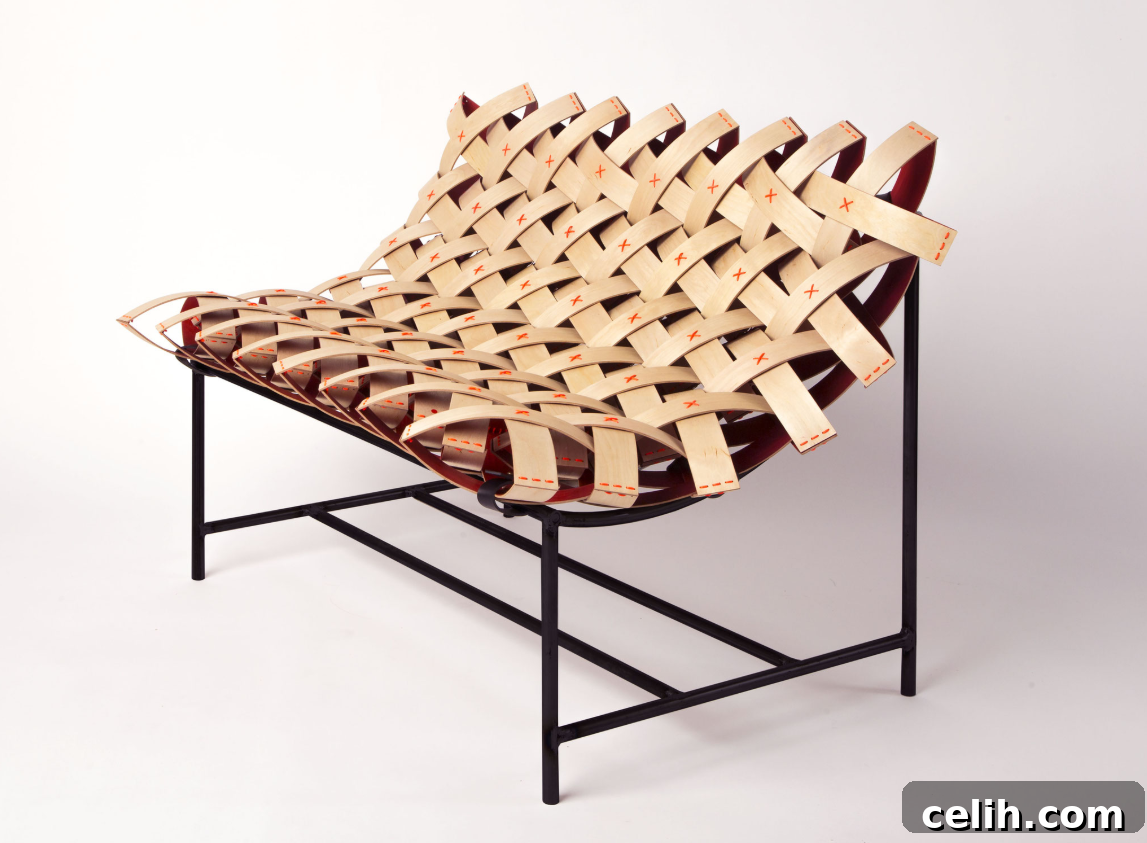
Revolutionizing Design: The WORTH Partnership Project Shaping the Future of Sustainable Interiors
In an era increasingly defined by sustainability and innovative design, the landscape of lifestyle industries is undergoing a profound transformation. What lies ahead for interior design, fashion, and home decor over the coming years? The answer is being actively shaped by visionary initiatives like the WORTH Partnership Project. This influential European initiative serves as a vital bridge, uniting talented designers, skilled manufacturers, and cutting-edge technology providers to cultivate groundbreaking design ideas and transform them into tangible realities.
The WORTH Project operates within the broad spectrum of lifestyle industries, encompassing critical sectors such as textile and clothing, footwear, leather and fur, furniture, home decoration, jewellery, and accessories. Beyond mere ideation, the project provides comprehensive support to chosen designers, including substantial development and financial assistance, expert coaching on business strategy and technology integration, invaluable legal advice, unparalleled opportunities to participate in prestigious exhibitions, and crucial help with networking and forging essential contacts. Now in its fourth successful year, WORTH has become a cornerstone of innovation, empowering countless small and medium-sized businesses (SMEs) across Europe to bring their sustainable visions to life. Let’s delve into some of the remarkable projects currently under development, each a testament to the future of design.
Lumimóza: A Handcrafted Fusion of Art and Light by Hungarian Designer Edina Andrási
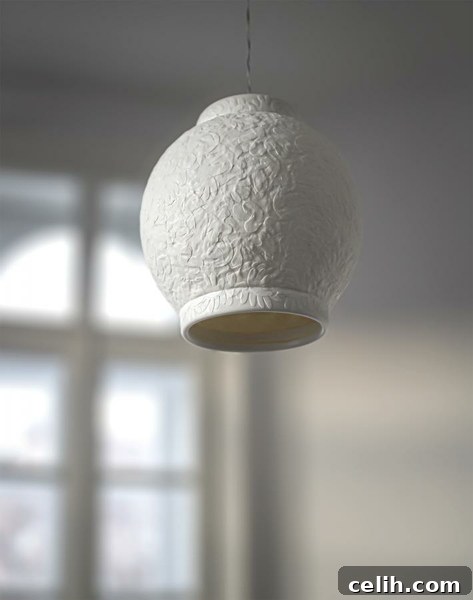
Edina Andrási, a visionary Hungarian designer, is on a mission to redefine the traditional porcelain sector by infusing it with contemporary aesthetics and innovative materiality. Her answer to this challenge is the exquisite Lumimóza lamp, a piece that transcends mere illumination to become a work of art. The lamp is characterized by its delicate, overlapping circles of porcelain, meticulously handcrafted to create a unique play of light and shadow.
The WORTH Project has been instrumental in supporting Edina’s ambitious vision, particularly in the development of a groundbreaking translucent layered porcelain material. This innovative material is specifically engineered for lighting applications, allowing for a soft, ethereal glow that enhances any interior space. The beauty of Lumimóza lies not only in its aesthetic appeal but also in its commitment to sustainability. Through the WORTH partnership, Edina has connected with a pioneering company in Ukraine specializing in growing and processing industrial hemp. This collaboration ensures that the Lumimóza lamps can be packaged using sustainable, eco-friendly materials, minimizing their environmental footprint from production to delivery. Edina’s project exemplifies how traditional crafts can be revitalized through material science and international cooperation, paving the way for luxury design that doesn’t compromise on ecological responsibility.
Moseanic: Transforming Ocean Waste into Sustainable Terrazzo by Hungarian Product Designer Ági Göb
One of the most pressing environmental challenges of our time is the proliferation of waste, particularly the vast quantities of plastic pollution that contaminate our oceans. Hungarian product designer Ági Göb tackles this issue head-on with Moseanic, an ingenious new sustainable material that promises to revolutionize surface design. Moseanic is not just a material; it’s a powerful statement about upcycling and the circular economy.
This remarkable material is crafted from a unique blend of waste products, specifically combining porcelain, cellulose fibre, and reclaimed ocean plastic. The result is a new base material that boasts exceptional strength and solidity, while also possessing a captivating translucency and a natural, organic aesthetic. What makes Moseanic truly compelling is its transparency – you can distinctly see the particles of ocean plastic embedded within it. This visual element serves as a constant, poignant reminder of the material’s origins and its vital role in waste reduction. The Moseanic design team, with the invaluable support of the WORTH Project, is currently exploring a wide array of potential applications for this versatile material. This exploration includes a fruitful collaboration with Slovenian designer Lucka Berlot, renowned for her expertise in art lighting, lighting design, and film. Together, they are envisioning how Moseanic can be integrated into decorative panels, furniture surfaces, and even unique lighting fixtures, transforming waste into beautiful, functional, and conversation-starting elements for modern interiors. Moseanic stands as a beacon of innovative material science, demonstrating that design can be a powerful tool for environmental stewardship.
MOWO Plywood Seat: Ergonomic Innovation for Dynamic Living by Austrian-born Designer Lisa Stolz
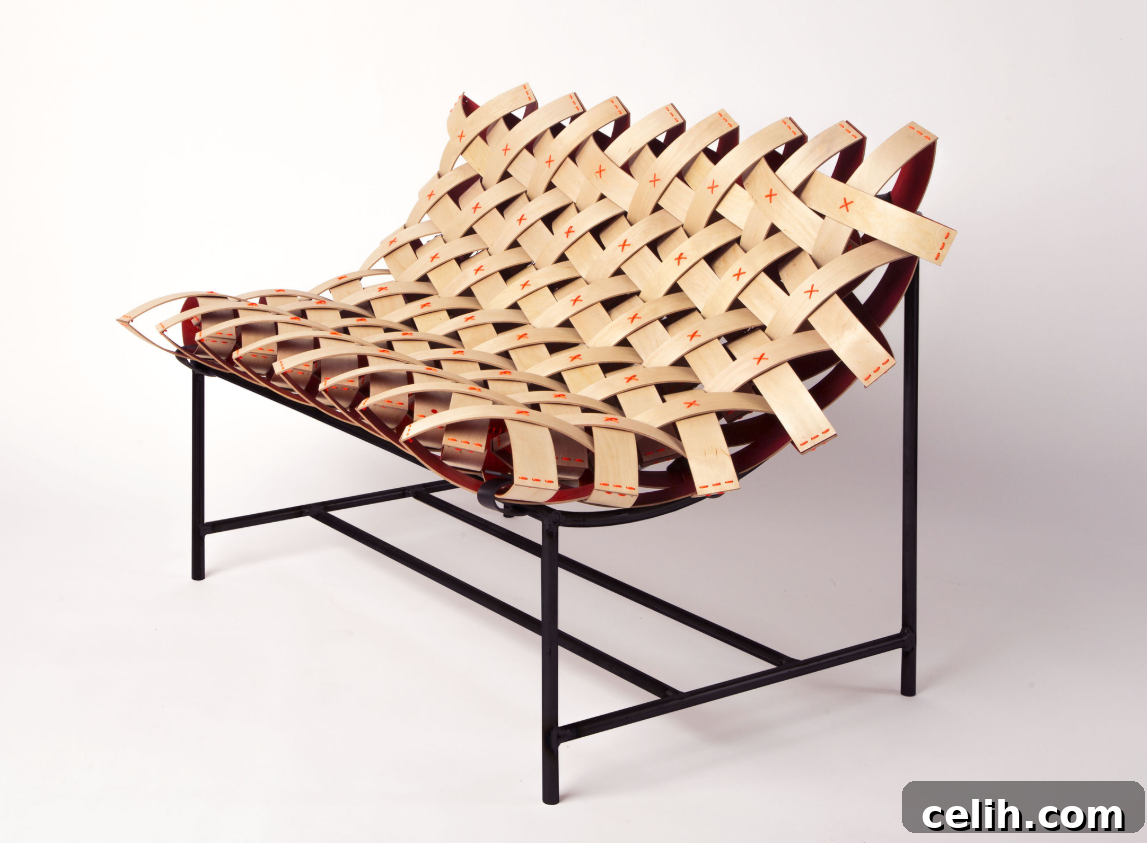
The WORTH Project is a melting pot of creativity, bringing together designers and innovators from 35 countries across Europe, including the UK, to foster groundbreaking solutions. Among these exciting collaborations is the development of MOWO, an exceptionally soft and elastic seat crafted entirely from wood. This project challenges conventional notions of furniture design, demonstrating how natural materials can be engineered to offer unparalleled comfort and adaptability.
Spearheaded by London-based furniture designer Lisa Stolz, MOWO is the culmination of extensive research and experimentation with various techniques and materials. Ultimately, European birch plywood was selected for its exceptional high bending strength and inherent sustainability. The resulting stool-like seat is designed to accommodate dynamic human movement, allowing for natural tilting and twisting motions. This innovative flexibility enables the MOWO seat to adapt seamlessly to the user’s body weight and shape, actively supporting their natural balance and promoting better posture. Lisa Stolz, with her Master’s degrees in both furniture design and architecture, leverages her multidisciplinary expertise to create an ergonomic piece of furniture that encourages movement and well-being, a crucial aspect in contemporary living and working environments.
The WORTH Project facilitated a pivotal partnership for Lisa Stolz with Tamas Babits, the owner of Licit LTD, a prominent plywood manufacturing company in Hungary. Babits’s own label, ‘Plydesign,’ is dedicated to revitalizing Hungarian furniture design by championing young talents and promoting high-quality manufacturing standards. This collaboration not only brings MOWO to life but also exemplifies the WORTH Project’s commitment to cross-border knowledge exchange and the development of a robust, sustainable European design ecosystem. MOWO represents a significant leap forward in ergonomic design, blending material innovation with a deep understanding of human physiology.
Margarete Cork Task Chair: Sustainable Versatility for the Modern Workspace by German Designer Paolo de Jesus
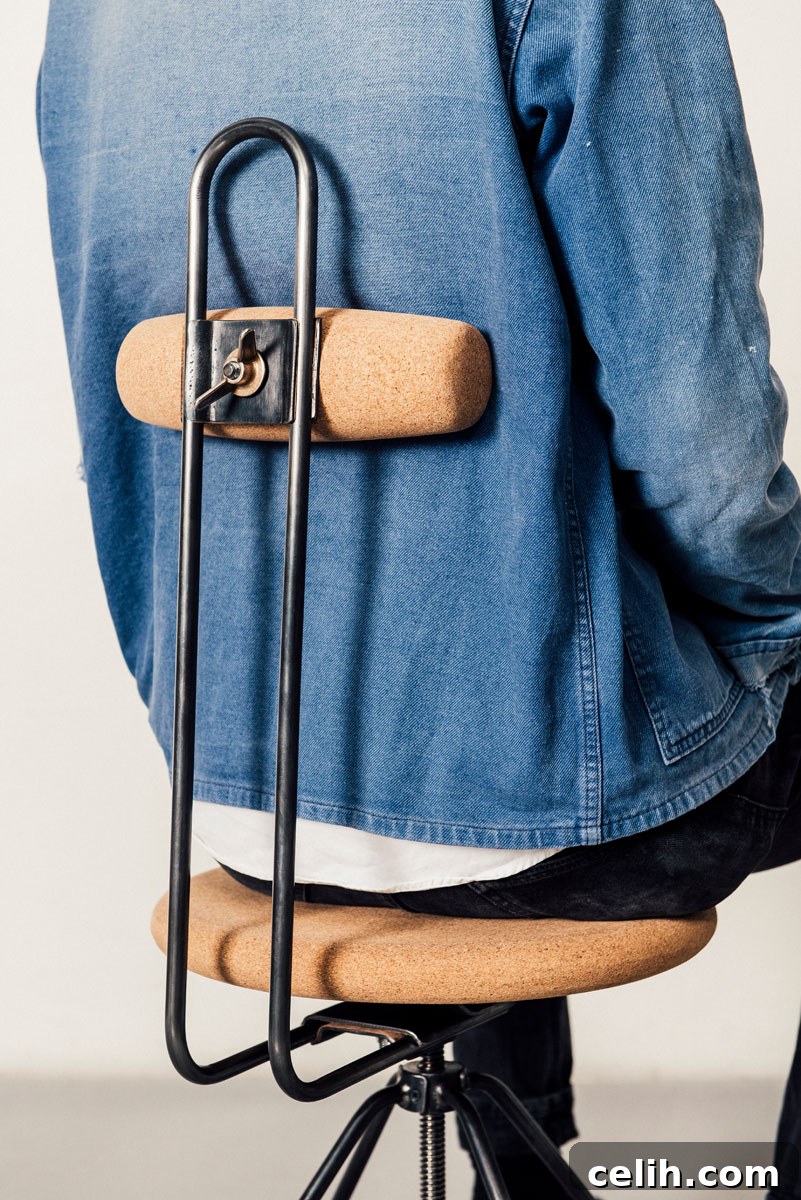
The evolving nature of work, particularly the rise of home offices and flexible working environments, has created a distinct demand for versatile, comfortable, and sustainable furniture. German designer Paolo de Jesus, based in Berlin, addresses this specific market need with the Margarete chair. The core idea behind Margarete was to design and develop a task chair that meticulously balances aesthetic appeal, ergonomic functionality, and economic viability.
Beyond these primary considerations, the Margarete chair was conceptualized with a strong emphasis on sustainability throughout its entire lifecycle. The finished product needed to be lightweight for easy portability, constructed from eco-friendly materials, and designed for effortless dismantling at the end of its life, thereby facilitating complete recycling. This holistic approach to design ensures that the chair is not only functional but also environmentally responsible.
The finished prototype of the Margarete chair showcases an elegant iron frame complemented by a renewable cork seat and backrest. Cork, known for its sustainable harvesting, lightweight properties, and natural resilience, is an ideal choice for this eco-conscious design. The WORTH Project has been instrumental in assembling a synergistic team of partners to bring Paolo’s vision to fruition. These include Clever3D+ Studio in Portugal, who are the undisputed experts in cork material and processing, ensuring the highest quality and sustainable sourcing for the chair’s core components. Additionally, Ironworks UK, a company renowned for manufacturing high-quality bespoke metalwork products using traditional forging, fabrication, and welding methods, provides the robust and durable iron frame. This collaborative effort underlines WORTH’s commitment to connecting design innovation with specialized manufacturing expertise across Europe. The Margarete chair is a prime example of how thoughtful design, combined with strategic partnerships, can deliver sustainable and practical solutions for the modern workplace, seamlessly blending form, function, and ecological mindfulness.
The Broader Impact of the WORTH Partnership Project: Fostering a Sustainable Future
The projects highlighted above represent just a fraction of the groundbreaking innovations nurtured by the WORTH Partnership Project. The collective impact of these initiatives extends far beyond individual product development; they are actively shaping the future of European lifestyle industries by promoting sustainability, fostering cross-border collaboration, and empowering small and medium-sized enterprises (SMEs) to compete on a global stage. WORTH serves as a vital ecosystem where creative ideas can flourish, where technical challenges find innovative solutions, and where market access becomes a tangible reality for promising designers and manufacturers.
By connecting designers with advanced manufacturing capabilities and technological expertise, WORTH accelerates the transition towards a circular economy within these industries. It encourages the use of recycled and sustainable materials, pushes the boundaries of material science, and champions design for longevity and recyclability. The project’s emphasis on coaching, business strategy, and networking ensures that these innovative products are not only aesthetically pleasing and environmentally responsible but also commercially viable and scalable.
The WORTH Project is more than just a funding mechanism; it’s a dynamic platform for knowledge exchange, skill development, and cultural integration. It demonstrates the immense potential of European collaboration to address shared challenges, such as environmental degradation and economic competitiveness, through the power of design and innovation. As these projects move from prototype to production, they will not only enrich our homes and lives but also inspire a new generation of designers and consumers to embrace a more sustainable and thoughtfully crafted future.