
Decoding Common Home Electrical Issues: A Comprehensive Guide for Homeowners
Electrical issues can transform your peaceful home into a source of frustration, stress, and even danger. From minor annoyances like flickering lights to more serious threats such as overloaded circuits and electrical shocks, understanding these common problems is crucial for every homeowner. Identifying the signs early, knowing the potential causes, and understanding when to call a professional electrician can save you significant time, money, and mitigate safety risks. This comprehensive guide will delve into five of the most frequent electrical issues that homeowners encounter, providing clear, actionable advice to help you navigate these challenges safely and effectively.
1. Flickering Lights: More Than Just a Nuisance
Flickering lights are often one of the first and most visible indicators that something might be amiss with your home’s electrical system. While an occasional flicker might seem harmless, persistent or widespread flickering can signal underlying issues that demand attention. Understanding the nuances of flickering lights can help you determine the severity of the problem.
Understanding the Causes of Flickering Lights
- Loose Light Bulb: The simplest explanation. If a light bulb isn’t screwed in tightly enough, it might not make consistent contact, leading to intermittent flickering.
- Faulty Light Switch: Worn-out or defective light switches can lose their ability to maintain a steady connection, causing the light to waver.
- Outdated or Loose Wiring: In older homes, wiring can degrade over time, becoming loose at connection points in outlets, switches, or the electrical panel. This instability can cause voltage fluctuations, resulting in flickering.
- Overloaded Circuit: When too many high-power appliances are drawing electricity from a single circuit, it can struggle to deliver consistent voltage, leading to lights dimming or flickering, especially when an appliance turns on.
- Voltage Fluctuations from the Utility Company: Less common, but sometimes the power supply coming into your home from the utility grid can experience voltage drops or surges, affecting all your lights.
- Specific Appliance Interference: High-power appliances like refrigerators, air conditioners, or washing machines can momentarily draw significant current upon startup, causing a brief flicker in lights on the same circuit.
Potential Dangers of Unaddressed Flickering Lights
Beyond being an annoyance, persistent flickering can indicate more serious issues. Loose wiring can generate heat, posing a significant fire risk. It can also lead to premature wear and tear on your appliances and light bulbs due to inconsistent power supply.
What to Do When Lights Flicker
- Check the Bulb: Ensure the light bulb is securely screwed into its socket. Try replacing the bulb with a new one to rule out a faulty bulb.
- Identify the Pattern: Does only one light flicker, or do lights in an entire room or multiple rooms flicker? Does it happen when a specific appliance turns on? This information can help pinpoint the problem.
If the issue persists after checking the bulb or if flickering occurs in multiple areas, it’s a strong indicator that professional intervention is necessary. An experienced electrician can inspect your home’s wiring, diagnose overloaded circuits, and address any voltage irregularities, ensuring the safety and stability of your electrical system. Ignoring widespread or frequent flickering can escalate into a more severe and dangerous electrical problem.
2. Circuit Breaker Trips: Your Home’s Built-in Protector
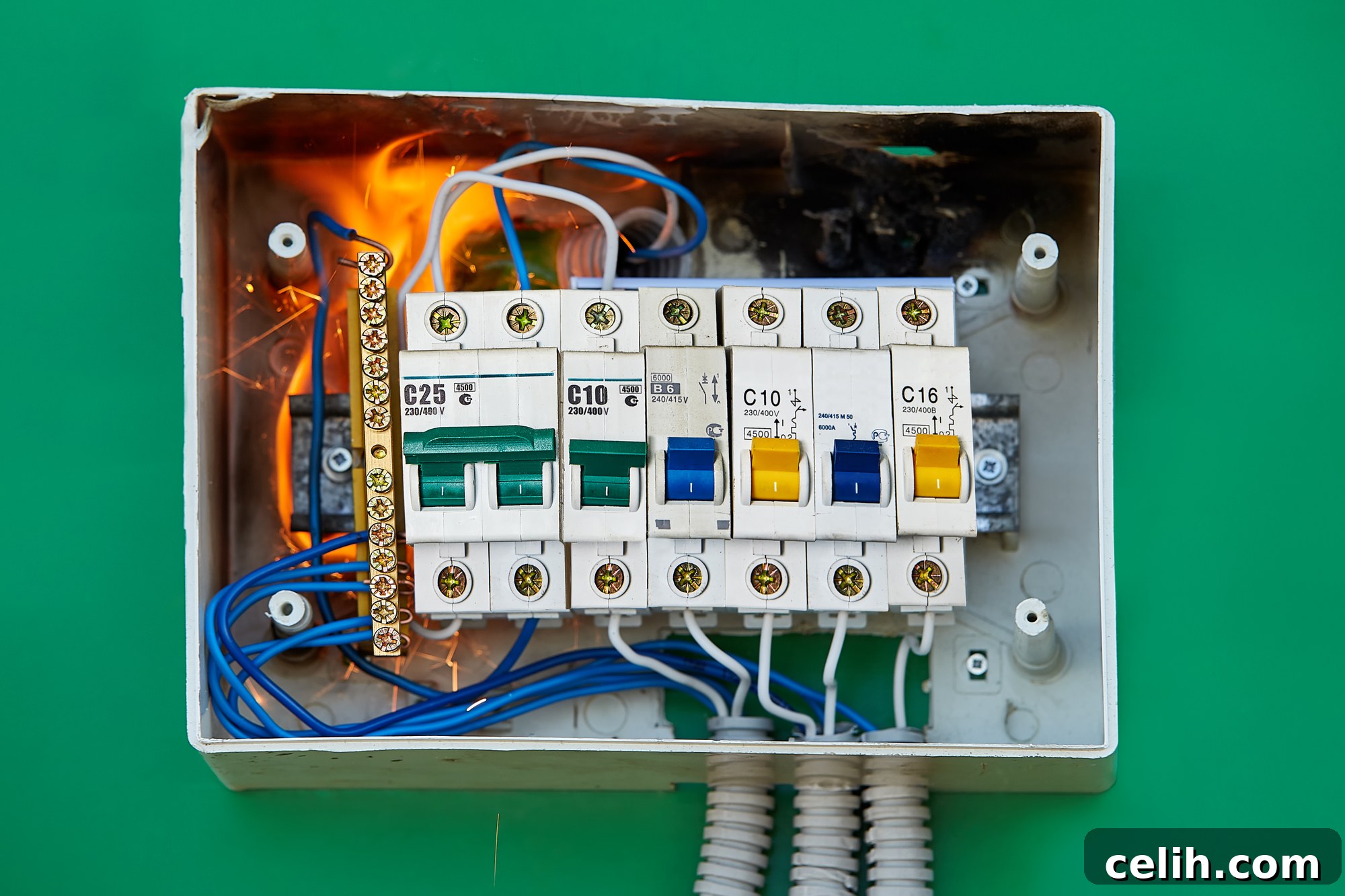
A tripped circuit breaker is a common occurrence that can be startling, plunging part of your home into darkness. Far from being a mere inconvenience, a tripping circuit breaker is your home’s crucial safety mechanism in action, designed to prevent dangerous electrical overloads and potential fires. Understanding why your circuit breakers trip is key to maintaining a safe electrical system.
How Circuit Breakers Protect Your Home
Circuit breakers are essentially sophisticated switches located in your home’s electrical panel. Each breaker protects a specific circuit, a network of wires that distributes electricity to various outlets, lights, and appliances. When a circuit draws too much current, either due to an overload or a fault, the breaker “trips” and automatically shuts off the power to that circuit, acting as a vital safeguard against overheating and electrical fires.
Common Reasons for a Tripped Circuit Breaker
- Circuit Overload: This is the most common cause. Plugging too many high-wattage devices into a single circuit, or simultaneously running several power-intensive appliances (like a toaster, microwave, and coffee maker in the kitchen), can draw more electricity than the circuit is designed to handle, causing the breaker to trip.
- Short Circuit: A more serious issue, a short circuit occurs when a hot wire accidentally touches a neutral wire or another hot wire. This creates an immediate, low-resistance path for electricity, causing a sudden surge in current that trips the breaker. Common causes include damaged appliance cords, faulty outlets, or loose wiring.
- Ground Fault: Similar to a short circuit, a ground fault occurs when a hot wire touches a grounded part of the system (like a metal outlet box) or a grounding wire. This directs electricity along an unintended path to the ground, also causing a surge that trips the breaker. Ground faults are particularly dangerous and can occur in areas with moisture, such as bathrooms and kitchens.
Addressing a Tripped Breaker
When a breaker trips, the first step is to locate your electrical panel, usually found in a basement, garage, or utility closet. Identify the tripped breaker – it will typically be in the “off” position or somewhere between “on” and “off.” Before resetting, it’s crucial to unplug all appliances from the affected circuit. To reset, firmly push the breaker to the “off” position, then back to the “on” position.
When to Call an Electrician for Tripping Breakers
While occasional trips due to momentary overloads are manageable, frequent or repetitive tripping is a clear sign of a more serious underlying issue. If a breaker trips immediately after being reset, or if different breakers trip regularly, it’s imperative to consult an experienced electrician. They can evaluate the load on your electrical system, identify faulty wiring or appliances, or determine if your electrical panel needs an upgrade to safely meet your home’s power demands. Ignoring persistent tripping risks fire and damage to your electrical infrastructure.
3. Defective Outlets: Silent Threats in Your Walls
Electrical outlets are workhorses of your home’s power system, but they are also points of potential vulnerability. Defective outlets are not just an annoyance; they can pose serious safety threats, including fire and electric shock. Recognizing the signs of a problematic outlet and taking prompt action is vital for home safety.
Signs of a Defective Outlet
- No Power: The most obvious sign is when an outlet simply doesn’t provide power to any device plugged into it. This could be due to a tripped breaker, loose wiring, or internal damage to the outlet.
- Loose Plugs: If plugs feel unusually loose in an outlet and frequently fall out, the internal contacts are likely worn or damaged, preventing a secure connection. This can lead to intermittent power and arcing.
- Scorch Marks or Discoloration: Black or brown marks around the outlet cover indicate overheating, likely caused by loose connections or arcing, which is an immediate fire hazard.
- Burning Smell: A persistent burning odor emanating from an outlet is a critical warning sign of overheating wires or components.
- Outlet is Hot to the Touch: An outlet that feels warm or hot is a strong indicator of an overload or a faulty connection.
- Sparks When Plugging In: While a tiny spark can sometimes occur, consistent or large sparks when plugging in a device signal a problem, possibly a short circuit within the outlet.
Dangers of Faulty Outlets
Defective outlets are a leading cause of residential fires and electric shocks. Loose wiring can arc, generating intense heat. Overheating can melt wire insulation, leading to short circuits and fires. Additionally, damaged outlets increase the risk of accidental contact with live wires, resulting in dangerous electrical shocks.
Initial Steps for Defective Outlets (DIY Caution!)
- Disconnect Devices: Immediately unplug anything connected to the faulty outlet.
- Turn Off Power: Locate the corresponding circuit breaker in your electrical panel and switch it off. This is a crucial safety step before any further inspection.
- Visual Inspection: Carefully examine the outlet cover for any visible damage, cracks, or scorch marks. While the power is off, gently check if the outlet feels loose in the wall.
Important: Do NOT attempt to open the outlet or manipulate wires unless you are a qualified electrician. Electrical work can be extremely dangerous.
When to Call an Electrician for Outlets
If you observe any of the danger signs mentioned above – scorch marks, burning smells, heat, sparks, or persistent lack of power – or if an outlet feels loose, contact a certified electrician immediately. They can safely diagnose the problem, replace the defective outlet, tighten loose connections, and ensure your wiring is secure. Consider upgrading older outlets, especially in kitchens and bathrooms, to Ground Fault Circuit Interrupter (GFCI) outlets for enhanced shock protection.
4. Overloaded Circuits: The Hidden Threat of Modern Living
In today’s electronically dense homes, overloaded circuits are an increasingly prevalent problem. While a tripped circuit breaker is often the first indication of an overload, the underlying issue is the demand placed on your home’s electrical system exceeding its capacity. This common homeowner error can lead to serious safety hazards if not properly managed.
Understanding Circuit Capacity
Every electrical circuit in your home is designed to safely carry a specific amount of electrical current, measured in amps. This capacity is determined by the gauge of the wiring and the rating of the circuit breaker. Older homes, built decades ago, often have circuits with lower capacities, ill-equipped to handle the multitude of modern electronics and high-power appliances we use daily.
Signs of an Overloaded Circuit
While frequent breaker trips are the most obvious sign, other indicators of an overloaded circuit include:
- Dimming or Flickering Lights: Especially when an appliance turns on, indicating a temporary voltage drop.
- Buzzing Sounds: From outlets or switches, a sign of arcing or excessive current flow.
- Hot Outlets or Switch Plates: Indicates wires are overheating behind the wall.
- Burning Smell: A distinct odor of burning plastic or insulation, a critical fire warning.
- Scorched Outlets or Plugs: Visible discoloration around outlets or on appliance plugs.
- Frequent Blow Fuses (in older homes): Similar to a tripped breaker, fuses blow when overloaded.
The Dangers of Overloaded Circuits
The primary danger of an overloaded circuit is the risk of fire. When wires carry more current than they are rated for, they generate excessive heat. This heat can melt the plastic insulation around the wires, potentially causing short circuits, igniting nearby combustible materials within walls, and leading to devastating house fires. Overloading can also damage sensitive electronics and appliances.
Managing and Preventing Overloaded Circuits
- Distribute Your Electrical Load: Avoid plugging multiple high-wattage appliances (e.g., space heaters, hair dryers, microwaves, toasters) into a single outlet or circuit. Spread them out across different outlets connected to different circuits.
- Use Power Strips Wisely: Power strips with surge protectors can protect your devices from voltage spikes, but they do NOT prevent circuit overloads. Plugging too many devices into a power strip on an already loaded circuit will still cause an overload. Only use them to expand available outlets, not to exceed circuit capacity.
- Unplug Unused Devices: Devices in “standby” mode still draw power. Unplugging them when not in use can slightly reduce the load.
- Upgrade Appliances: When replacing old appliances, opt for energy-efficient models that draw less power.
- Educate Family Members: Ensure everyone in the household understands the importance of not overloading circuits.
When to Call an Electrician for Overloads
If you frequently experience circuit overloads despite your best efforts to distribute the load, it’s a strong indication that your home’s electrical system is insufficient for your needs. An electrician can assess your current electrical panel and wiring, suggest adding new dedicated circuits for high-demand areas (like kitchens or workshops), or recommend a complete electrical panel upgrade. Investing in a properly sized and robust electrical system is a critical step in ensuring the safety and functionality of your modern home.
5. Electrical Shocks: A Serious Warning Sign
Experiencing an electrical shock, even a minor tingle, is never something to take lightly. It is a clear and immediate warning sign that there is a dangerous fault in your home’s electrical system, and it demands immediate attention. Electrical shocks can range from a startling jolt to severe injury or even fatality, depending on the voltage, current, duration, and path through the body.
What Causes Electrical Shocks?
Electrical shocks occur when your body inadvertently becomes part of an electrical circuit, allowing current to flow through you. Common causes include:
- Faulty Wiring: Exposed or damaged wires, loose connections, or incorrect wiring can allow live current to come into contact with metal components or surfaces that are not properly grounded.
- Ungrounded Appliances or Outlets: Older homes might lack proper grounding in their electrical system. If an appliance develops an internal fault and its metal casing becomes energized, touching it can result in a shock if there’s no ground path to safely divert the current.
- Damaged Cords or Plugs: Frayed, cracked, or exposed appliance cords, or bent/broken prongs on plugs, can expose live wires.
- Wet Conditions: Water is an excellent conductor of electricity. Touching an electrical device or outlet with wet hands, or standing on a wet floor near an electrical fault, drastically increases the risk and severity of a shock.
- Defective Appliances: Internal faults within an appliance can cause its exterior casing to become energized.
Immediate Action and Dangers
If you experience a shock, or witness someone else receiving one, your immediate priority is safety. If possible and safe to do so, disconnect the power source (unplug the device or flip the circuit breaker). Do NOT touch the person or the device if it is still energized, as you could also receive a shock. Use a non-conductive material (like a dry wooden stick or plastic broom handle) to separate the person from the source if necessary.
Even a mild shock can indicate a serious underlying problem. More severe shocks can cause muscle contractions, burns, internal organ damage, and cardiac arrest. Always seek medical attention after an electrical shock, especially if the person experienced confusion, difficulty breathing, burns, or loss of consciousness.
When to Call an Electrician for Electrical Shocks (IMMEDIATELY)
Any instance of an electrical shock, no matter how minor, warrants immediate professional investigation. Never disregard an electrical shock. It is a critical symptom of a dangerous electrical fault that needs urgent attention. An electrician will safely trace the source of the shock, which could be anything from a faulty appliance to deteriorated wiring or improper grounding, and implement the necessary repairs to prevent future occurrences.
Prevention of Electrical Shocks
- Install GFCI Outlets: Ground Fault Circuit Interrupter (GFCI) outlets are designed to trip rapidly when they detect a ground fault, drastically reducing the risk of severe shock, especially in wet areas like bathrooms, kitchens, laundries, and outdoors.
- Inspect Cords and Appliances: Regularly check electrical cords for fraying or damage and ensure appliances are in good working order. Replace damaged items.
- Ensure Proper Grounding: A properly grounded electrical system provides a safe path for fault currents, preventing shocks. An electrician can verify your home’s grounding.
- Avoid DIY Electrical Work: Unless you are a certified professional, avoid attempting complex electrical repairs. Always defer to licensed electricians for installations and repairs.
- Keep Water Away: Never use electrical devices near water and ensure your hands are dry when handling plugs or switches.
Prioritizing Electrical Safety in Your Home
Understanding and addressing common electrical issues is paramount for maintaining a safe and functional home. From the subtle warning of flickering lights to the explicit danger of electrical shocks, each problem demands attention. While some minor issues might be resolved with simple checks, any persistent or recurring electrical problem is a clear signal to call in a professional. DIY electrical work beyond simple bulb changes or resetting a breaker can be incredibly dangerous and illegal in many areas.
Regular electrical inspections, especially in older properties, can help identify potential issues before they escalate into major hazards. Don’t compromise on the safety of your home and family. By staying vigilant, recognizing the warning signs, and knowing when to rely on the expertise of a licensed electrician, you can ensure your home’s electrical system remains reliable and secure. Invest in your peace of mind – prioritize electrical safety today.