
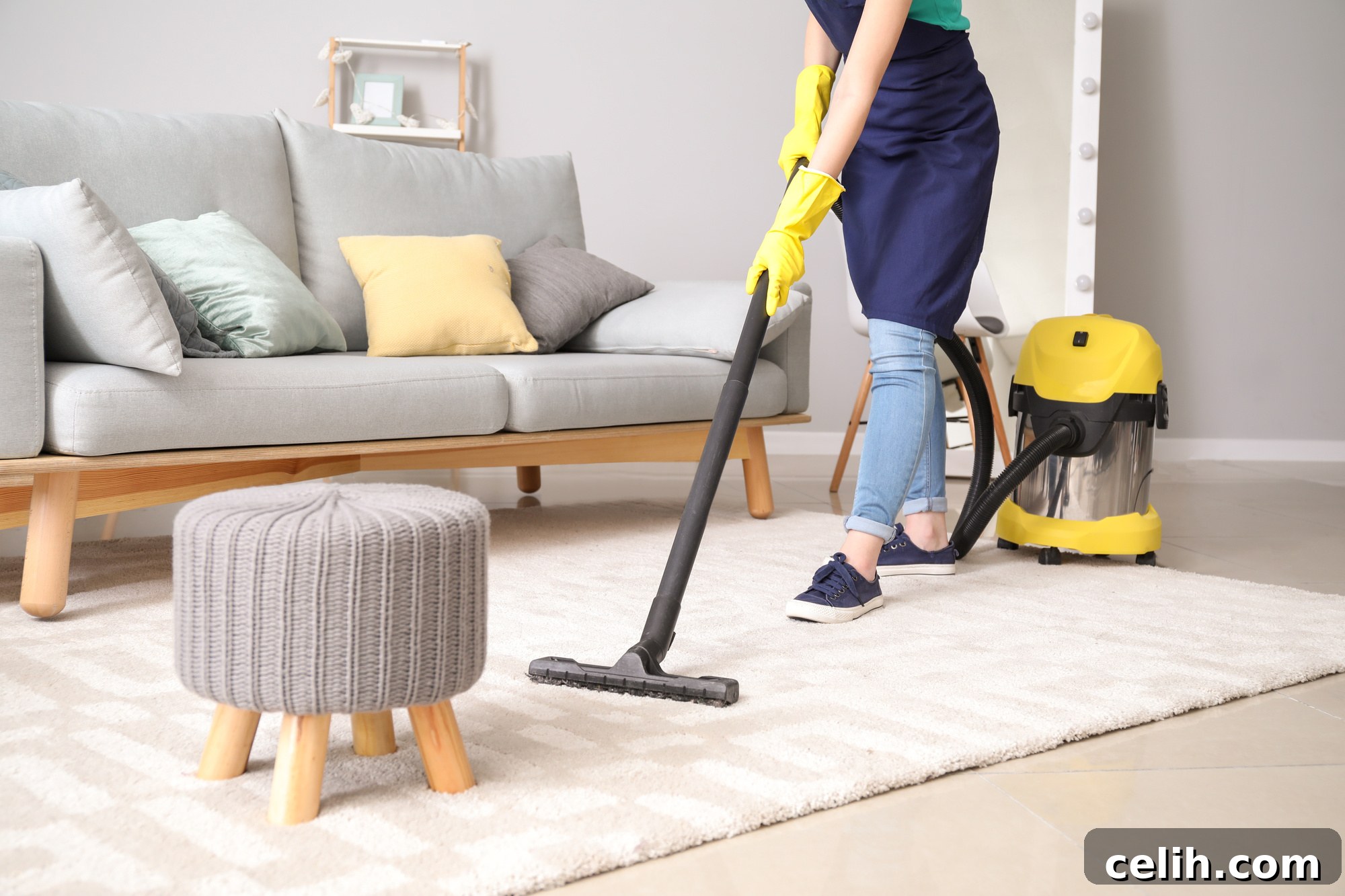
A home that is both clean and well-maintained is not just a pleasure to behold; it’s a sanctuary for your well-being. Beyond the immediate aesthetic appeal, a meticulously cleaned home offers profound benefits for both physical and mental health. A fresh, orderly environment can significantly uplift your mood, reduce stress, and create a sense of calm and productivity. More critically, consistent and thorough cleaning practices are your first line of defense against the proliferation of harmful germs, allergens, and environmental contaminants, thereby actively preventing the spread of illness within your household. However, achieving this pristine state requires more than just elbow grease; it demands a mindful approach to safety. As a conscientious homeowner, your aspiration is undoubtedly to maintain the cleanest possible living space, yet this should never come at the expense of your own health, safety, or peace of mind. Navigating the world of cleaning tasks safely is paramount to ensuring that your efforts contribute positively to your home environment rather than introducing unforeseen risks.
Adhering to fundamental safety guidelines and exercising common sense are indispensable for mitigating the risk of accidents, injuries, or health issues during your cleaning endeavors. This comprehensive guide is specifically designed to equip homeowners with essential safety tips and best practices, transforming your cleaning projects into secure, accident-free activities that ultimately foster a truly healthy and protective living environment. By adopting these strategies, you can confidently tackle any cleaning challenge, knowing you are safeguarding yourself and your loved ones.
1. Preventing Slips, Trips, and Falls: A Foundation of Home Safety
Slippery surfaces represent a pervasive and often underestimated hazard during routine home cleaning, accounting for a significant percentage of household injuries. Taking proactive and consistent measures is crucial to effectively prevent slip and fall accidents. When cleaning floors, especially in kitchens, bathrooms, or entryways, always assume surfaces will be slick. Immediately after mopping or spilling liquids, deploy highly visible “wet floor” signs or clearly communicate the hazard to all household members. This simple act of awareness can prevent someone from inadvertently stepping onto a treacherous area. Furthermore, consider strategically placing non-slip mats in zones inherently prone to wetness, such as directly in front of sinks, bathtubs, or shower stalls. These mats significantly enhance traction, providing a stable footing even on damp surfaces.
Beyond floor-level hazards, cleaning elevated areas presents its own set of challenges, with falls from height being particularly dangerous. Whether you are tackling dusty ceiling fans, high windows, or clogged gutters, the use of a sturdy, well-maintained ladder is paramount. Before each use, thoroughly inspect the ladder for any signs of damage, loose rivets, or wobbling components. Always position the ladder on a flat, stable, and even surface to prevent it from tipping. Enlist the help of another person to spot the ladder if possible, providing additional stability. Critically, avoid the perilous temptation to use chairs, stools, or any other unstable makeshift platforms, as these are notoriously unreliable and frequently lead to severe injuries. When working on a ladder, maintain a “three-point contact” rule – always keeping three limbs (two hands and one foot, or two feet and one hand) on the ladder at all times. Avoid overreaching; instead, descend and reposition the ladder to safely access different areas. For those uncomfortable with heights or seeking an even safer alternative, consider investing in modern, long-handled cleaning tools, extendable poles, or specialized equipment designed to reach elevated spots from the ground. This eliminates the need for ladders entirely for many routine tasks, drastically reducing fall risks and promoting a safer cleaning experience.
2. Comprehensive Home Safety Inspection: A Proactive Approach to Well-being
While diligent cleaning practices contribute significantly to a safe home, a truly secure living environment extends beyond spotless surfaces. Conducting periodic and thorough home safety inspections is a critical, proactive measure that helps identify and mitigate potential hazards before they escalate into accidents. This continuous vigilance ensures that your home remains a haven, not just a clean space.
Start with the absolute essentials: fire and carbon monoxide (CO) detectors. These life-saving devices are often forgotten until an emergency strikes. Regularly test all smoke and CO detectors monthly by pressing their test buttons. Replace batteries at least once a year, typically when daylight saving time changes, as a helpful reminder. Importantly, be aware that detectors have a lifespan, usually around 5-10 years, and should be replaced entirely even if they appear to be working. Proper placement is also key: install smoke detectors on every level of your home, inside and outside sleeping areas, and carbon monoxide detectors near sleeping areas and on each floor. Beyond these crucial alarms, meticulously inspect your home’s lighting, both interior and exterior. Ensure all light fixtures are functional and bulbs are not burnt out. Adequate lighting is fundamental for navigating your home safely, especially in hallways, stairwells, and outdoor paths at night, preventing trips and falls. Consider motion-activated lighting for exterior areas to enhance security and visibility.
Expand your inspection to include other common household hazards. Check for loose handrails on staircases, frayed electrical cords, or overloaded outlets. Identify any tripping hazards such as loose rugs or cluttered walkways and address them immediately. Securely anchor tall or heavy furniture, especially in homes with young children, to prevent tip-over accidents. Examine windows and doors for proper locking mechanisms to ensure security. An ongoing safety checklist, which you can easily find online or create yourself, can serve as an invaluable tool to methodically evaluate and enhance your home’s safety profile. Remember, a truly safe home is the result of not only meticulous cleanliness but also a consistent, proactive commitment to identifying, addressing, and eliminating potential safety concerns before they have a chance to pose a threat. This holistic approach ensures your living space is secure, clean, and truly contributes to your family’s overall health and peace of mind.
3. Embracing Ergonomic Practices for Pain-Free Cleaning
Cleaning, while beneficial for your home, can unfortunately take a toll on your body if proper techniques are not employed. Repetitive motions, awkward postures, and heavy lifting can lead to strains, sprains, and chronic pain. Adopting ergonomic practices is key to preventing these types of injuries and ensuring your cleaning routine remains a sustainable and pain-free activity.
One of the most critical ergonomic principles to master is proper lifting technique. When faced with heavy objects – whether it’s a bucket of water, a vacuum cleaner, or furniture being moved for cleaning – always prioritize your back. Instead of bending at the waist, which puts immense strain on your lumbar spine, bend your knees and keep your back straight, engaging your leg muscles to lift. Hold the object close to your body to minimize leverage on your back. Avoid twisting your torso while lifting; instead, move your feet to turn your entire body. For extremely heavy items, always enlist assistance to prevent injury.
Furthermore, consider how your tools influence your posture and effort. Investing in ergonomic cleaning equipment can make a profound difference. Look for items with adjustable handles, such as mops, brooms, and vacuum cleaners, that can be customized to your height, reducing the need for excessive bending or stretching. Tools with comfortable, non-slip grips can prevent hand fatigue and improve control. Lightweight designs are also beneficial, minimizing strain during prolonged use. For tasks that involve reaching, explore extendable duster poles or microfiber mops that can clean high surfaces without you needing to stand on unstable objects or overextend yourself.
Equally important are regular breaks and conscious movement during extended cleaning sessions. Avoid overexertion by scheduling short, frequent pauses to rest your muscles and prevent fatigue. During these breaks, perform gentle stretches for your back, shoulders, neck, and wrists. Vary your tasks to avoid repetitive strain on specific muscle groups; for example, switch from scrubbing to dusting, or from vacuuming to wiping surfaces. Pay attention to your body’s signals; if you feel pain or discomfort, stop and rest. By integrating these ergonomic principles into your cleaning routine, you can protect your body, reduce the risk of injury, and make your home cleaning experience much more comfortable and efficient.
4. The Essential Role of Personal Protective Equipment (PPE)
When embarking on various cleaning tasks, personal protective equipment (PPE) is not merely an option but a vital safeguard to shield yourself from a multitude of potential harms. From harsh chemicals to microscopic allergens and airborne particles, your home harbors elements that, without proper protection, can irritate, injure, or pose long-term health risks. Prioritizing the right PPE is a non-negotiable step towards safe and healthy cleaning.
Begin with your hands, which are constantly exposed to cleaning agents, grime, and germs. Invest in high-quality, durable gloves. Rubber gloves are excellent for general cleaning and protection against most household chemicals, while latex or nitrile gloves offer finer dexterity and can be essential for those with rubber allergies or for handling specific types of substances. Gloves not only protect your skin from drying, irritation, and chemical burns but also create a barrier against bacteria and viruses, especially important when cleaning bathrooms or kitchens. Ensure your gloves are free of holes and fit snugly to prevent contaminants from seeping in.
Next, consider your respiratory system. When dealing with dust, mold spores, pet dander, or strong chemical fumes, inhaling these substances can lead to allergic reactions, respiratory irritation, or even more serious health issues over time. Wearing a mask is crucial. For general dusting and light cleaning, a simple disposable dust mask can suffice. However, for more intensive tasks involving significant dust, mold remediation, or potent chemical sprays, consider an N95 respirator, which offers a higher level of filtration against airborne particles. Ensure the mask fits properly over your nose and mouth to create an effective seal.
Finally, your eyes are particularly vulnerable to splashes and airborne debris. Safeguard them by consistently wearing safety goggles or glasses, especially when using spray bottles, mixing solutions, or cleaning tasks that might generate flying particles (e.g., scrubbing tough stains). These protective eyewear pieces form a barrier against corrosive chemicals, irritating dust, and accidental splashes, preventing potential eye injuries or chemical burns. Unlike regular eyeglasses, safety goggles are designed to offer side protection and are made from impact-resistant materials. By making PPE a standard part of your cleaning routine, you are taking a significant step in protecting your health and ensuring a safe cleaning experience.
5. Optimizing Indoor Air Quality Through Proper Ventilation
Maintaining optimal indoor air quality is an often-overlooked yet critical aspect of a healthy home, especially during and after cleaning. Many common cleaning products release volatile organic compounds (VOCs) and other irritating fumes, which, combined with stirred-up dust, allergens, and pet dander, can significantly degrade the air you breathe. Proper ventilation is your primary defense against these airborne pollutants.
Whenever you engage in indoor cleaning activities, make it a steadfast rule to open windows and doors. This simple act facilitates cross-ventilation, allowing fresh outdoor air to circulate throughout your home and effectively dilute and expel indoor contaminants. This is particularly vital when using strong-smelling or chemical-laden cleaning agents, as it prevents the buildup of concentrated fumes that can cause headaches, dizziness, respiratory irritation, or trigger allergies and asthma attacks. Keep windows open for a sufficient period even after cleaning is complete, to ensure all lingering fumes and particles have dissipated.
In areas with limited natural airflow, such as bathrooms or laundry rooms, utilize exhaust fans. These mechanical ventilation systems are designed to pull moist, stale, or fume-laden air out of the room and vent it outdoors. For broader air circulation, strategically place portable fans to direct airflow towards open windows, thereby expediting the dissipation of airborne particles and chemical vapors. This active movement of air is far more effective than simply waiting for pollutants to settle.
Beyond active ventilation during cleaning, consider long-term solutions for sustained indoor air quality. Investing in a high-quality air purifier can be immensely beneficial, particularly for individuals with allergies, asthma, or chemical sensitivities. Air purifiers equipped with HEPA filters are highly effective at capturing microscopic particles like dust, pollen, pet dander, and mold spores, while activated carbon filters can absorb chemical odors and VOCs. Regularly cleaning or replacing your HVAC system’s air filters is another crucial step, as these filters trap airborne contaminants before they can circulate throughout your home. By integrating these robust ventilation and air purification strategies, you can significantly reduce indoor air pollution, creating a consistently healthier and safer breathing environment for everyone in your household.
6. Safe Chemical Handling and Storage: Protecting Your Home from Within
Cleaning chemicals are powerful tools, designed to tackle tough grime and disinfect surfaces, but their efficacy comes with inherent risks if not handled with the utmost care. Mishandling cleaning products can lead to chemical burns, respiratory issues, toxic fumes, or accidental poisoning. Therefore, a meticulous approach to chemical handling and storage is essential to prevent accidents and safeguard your home environment.
The most fundamental rule is to always, without exception, read and strictly follow the label’s instructions on every cleaning product before use. Labels provide vital information regarding proper dilution ratios, application methods, necessary ventilation, recommended personal protective equipment (PPE), and crucial first-aid measures in case of accidental exposure. Ignoring these instructions can not only render the product ineffective but also increase the risk of harm to yourself or damage to your surfaces. Pay close attention to warning symbols and phrases, understanding what they signify.
A critical safety imperative is to never mix different cleaning agents unless explicitly stated as safe on the product labels. Certain combinations can produce highly toxic gases or dangerous chemical reactions. For instance, mixing bleach with ammonia (found in many glass cleaners or all-purpose cleaners) creates chloramine gas, which can cause severe respiratory damage and even be fatal. Similarly, combining bleach with acidic cleaners (like toilet bowl cleaners or vinegar) can release chlorine gas. To avoid such hazardous reactions, it’s best practice to stick to one product at a time for a particular cleaning task, ensuring surfaces are thoroughly rinsed between different applications if necessary. If you desire a multi-purpose cleaner, opt for products specifically formulated for that purpose rather than creating your own potentially dangerous concoctions.
Beyond immediate use, proper storage of cleaning chemicals is equally vital. Always store products in their original, clearly labeled containers. Transferring them to unmarked bottles can lead to dangerous confusion. Ensure all caps and lids are tightly secured to prevent spills and evaporation of fumes. Store chemicals in a cool, dry, well-ventilated area, away from direct sunlight, heat sources, and open flames. Most importantly, keep all cleaning products securely locked away or on high shelves, completely out of reach of children and pets, who are particularly vulnerable to accidental ingestion or exposure. Responsible chemical handling extends to proper disposal; follow local guidelines for disposing of expired or unwanted chemicals to prevent environmental contamination. By adhering to these stringent guidelines, you can harness the cleaning power of chemicals safely, protecting both your health and your household.
7. Prioritizing Electrical Safety During Cleaning: A Shock-Proof Approach
The combination of water, cleaning solutions, and electrical appliances or outlets presents a significant hazard during home cleaning. Neglecting electrical safety can lead to electric shocks, fires, or damage to your devices. Therefore, making electrical safety a top priority is crucial to prevent accidents and ensure a secure cleaning environment.
The most fundamental rule when cleaning any electronic device or appliance is to always unplug it from the power source first. This simple act completely cuts off the electrical current, eliminating the risk of electric shock. This applies to vacuum cleaners, blenders, toasters, lamps, televisions, computers, and any other device you might be wiping down or moving. Even if a device appears to be off, a residual charge or an accidental switch can still pose a danger, especially when liquids are involved. Never use wet cloths or spray cleaning solutions directly onto live electrical equipment or outlets.
Regularly inspect all electrical cords for your cleaning appliances and other household devices. Look for any signs of wear and tear, such as frayed wires, cracked insulation, exposed conductors, or damaged plugs. A compromised cord can be a fire hazard or a source of electric shock. If you find any damage, immediately replace the cord or the appliance if the cord is integrated. Never attempt to repair damaged cords with electrical tape, as this is a temporary and often ineffective fix. Ensure plugs are fully inserted into outlets and do not hang loosely.
When the use of extension cords is unavoidable, choose them wisely and use them correctly. Opt for heavy-duty extension cords with built-in surge protection, especially for high-wattage cleaning tools like power washers or industrial vacuums. Always ensure the extension cord is in good condition, without kinks or frayed areas. Never overload an extension cord by plugging in too many devices, as this can cause overheating and lead to a fire. Extension cords are designed for temporary use; they should not be used as a permanent wiring solution. Avoid running extension cords under rugs or carpets, as this can cause them to overheat, become damaged, or create tripping hazards. Additionally, ensure that your home’s wet areas, such as kitchens, bathrooms, and laundry rooms, are equipped with Ground Fault Circuit Interrupter (GFCI) outlets. GFCIs are designed to detect imbalances in electrical current and quickly shut off power, providing crucial protection against electric shock in damp environments. By adhering to these electrical safety guidelines, you can protect yourself and your home from serious electrical mishaps during your cleaning routine.
8. Vigilant Fire Safety Practices: Preventing Cleaning-Related Fires
While often associated with cleanliness, certain cleaning products and practices can inadvertently escalate into significant fire hazards if not managed with extreme caution. Integrating robust fire safety measures into your cleaning routine is essential for protecting your property and the lives within it.
The first line of defense involves the proper storage of cleaning products, especially those containing flammable ingredients. Always store these products away from any potential heat sources, which include furnaces, water heaters, stoves, ovens, space heaters, and direct sunlight. High temperatures can cause flammable liquids to vaporize, creating ignitable fumes, or in extreme cases, lead to spontaneous combustion. Always keep these items in a cool, dry, well-ventilated area, ideally in their original, sealed containers.
Gas cylinders, often used for outdoor grills or heating, pose a significant fire and explosion risk if not stored correctly. Safe cylinder storage involves more than just putting them out of sight. They should be stored outdoors in a secure, upright position, away from building openings, ignition sources, and areas with high traffic. Dedicated storage cabinets designed for flammable liquids or gases, often featuring ventilation and locking mechanisms, greatly minimize the risk of accidental leaks, explosions, or tampering. Never store gas cylinders inside your home or in enclosed, unventilated spaces like basements or garages, as any leak can quickly lead to a dangerous buildup of explosive gas.
When using flammable cleaning products, such as certain paint thinners, aerosols, or strong solvents, always ensure proper and extensive ventilation. Open windows and doors wide to allow fresh air to circulate and disperse fumes. The vapors from these products are often heavier than air and can accumulate at floor level, creating an invisible, highly flammable layer. Adequate ventilation prevents the concentration of these fumes to explosive levels. Avoid using these products near any open flames, pilot lights, sparks from electrical outlets, or operating machinery that might generate heat or sparks.
Perhaps the most critical fire safety rule, especially when dealing with flammable substances, is to strictly avoid smoking during cleaning tasks. A discarded cigarette or a flickering ash can instantly ignite vapors or materials, leading to a catastrophic fire. This prohibition extends to lighters, matches, and any other ignition source. Finally, always have working smoke detectors installed throughout your home, regularly tested, and with fresh batteries. These provide the crucial early warning necessary for escape in the event of a fire, acting as a final layer of protection even when all other preventative measures are in place. By implementing these rigorous fire safety practices, you significantly reduce the risk of cleaning-related fires, ensuring your home remains a safe haven.
The Bottom Line: Cultivating a Safe and Clean Sanctuary
Prioritizing safety during every aspect of home cleaning is not merely a recommendation; it is an absolute necessity for fostering a truly secure and hazard-free living space. The journey to a pristine home should never come at the cost of your health or well-being. By diligently following these premium safety tips, you embark on a holistic approach to home care that extends far beyond surface-level aesthetics. You are actively protecting yourself and every member of your household from potential accidents, injuries, and exposures to harmful substances. From preventing perilous slips and falls to mastering the safe handling of powerful chemicals and safeguarding against electrical and fire hazards, each precaution contributes to a resilient and protected environment.
Remember, a clean home is undeniably a more pleasant and healthful place to live, but a truly safe home is one that is approached with unwavering mindfulness, thoughtful preparation, and consistent precaution. Integrate these guidelines into your regular cleaning routine, develop a keen awareness of potential risks, and empower yourself with the knowledge to mitigate them. By doing so, you not only achieve sparkling results but also cultivate a serene, healthy, and genuinely safe sanctuary for you and your loved ones to thrive in.