
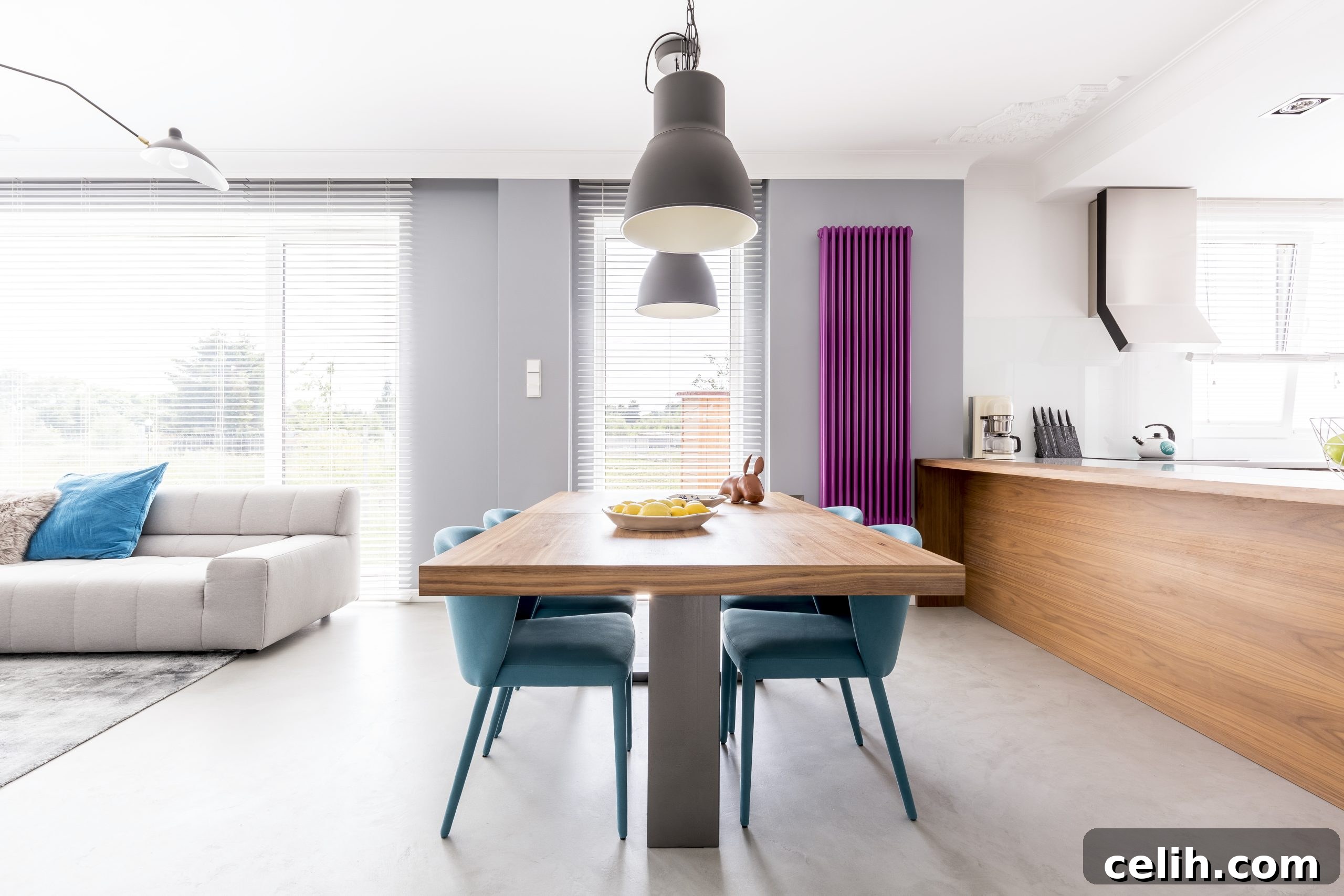
Radiators have long been considered a purely functional, often cumbersome, component in homes. Their traditional bulk and utilitarian appearance frequently clashed with evolving interior design aspirations, leading many homeowners to either hide them or simply tolerate their presence.
However, the landscape of home heating and interior aesthetics has dramatically shifted. Modern advancements in design and technology have transformed radiators from mere heat emitters into sophisticated elements that seamlessly integrate with, and even enhance, contemporary home decor.
Modern Radiators: Blending Functionality with Contemporary Home Design
In today’s design-conscious world, every element within a home is scrutinised for its aesthetic contribution and practical utility. Radiators are no exception. No longer are homeowners confined to choosing between a warm living space and a stylish one; the market now offers an extensive array of innovative heating solutions that promise both superior performance and exquisite design. This article delves into how modern radiators have redefined home heating, becoming integral components of sophisticated interiors.
Understanding the Evolving Role of Radiators in Home Design
Beyond their fundamental purpose of providing warmth, modern radiators have ascended to the status of potential design elements in contemporary homes. Whether your preferred interior design style leans towards minimalist, industrial, classic, or eclectic, these sophisticated heating units, especially when thoughtfully considered during the initial design phase, possess the power to significantly influence the overall ambiance, character, and aesthetic harmony of any room. The vast array of styles, materials, and functionalities now available ensures that homeowners can achieve optimal warmth without ever compromising on their personal style or the cohesive look of their living spaces. This evolution marks a significant shift, empowering individuals to view their heating systems as opportunities for design enhancement.
Functionality and Efficiency: The Unseen Foundations of Comfort
While aesthetics are increasingly important in modern home design, the primary function of a radiator remains efficient heat delivery. Therefore, choosing a radiator involves more than just selecting a design that visually complements your room. It is absolutely crucial to consider its energy efficiency, appropriate sizing for the space, and strategic placement to ensure optimal heat distribution, consistent comfort, and minimal energy consumption. Investing in high-quality radiators, such as the extensive selection found at reputable suppliers like UK Radiators, can transform the selection and installation process into a pleasure from start to finish, guaranteeing both exceptional performance and long-lasting durability.
Ensuring Optimal Heat Output and Energy Efficiency
- Precise Sizing (BTU Calculation) Matters: The heating capacity of a radiator is measured in British Thermal Units (BTUs). An accurate BTU calculation is the cornerstone of an efficient heating system. A radiator that is too small for a given room will struggle to heat the space adequately, forcing it to work overtime, leading to increased energy consumption and higher utility bills. Conversely, an oversized radiator will cycle on and off more frequently, wasting energy and potentially making the room uncomfortably warm and dry. Accurate BTU calculation, factoring in room dimensions (length, width, height), the number and type of windows (single, double, triple glazed), insulation levels (walls, floor, ceiling), and even geographical location, is paramount for efficient and effective heating. Many online calculators and professionals can assist with this crucial step.
- Choosing the Right Radiator Type: The market offers a diverse range of radiator types, each with unique advantages and best-suited conditions.
- Convection Radiators (Panel Radiators): These are the most common type, typically warming the air that then circulates throughout the room. They are effective for rapid heating and come in various sizes and configurations (single, double panel, with convector fins).
- Infrared Radiators: These emit radiant heat, directly warming objects and people in the room, similar to sunlight. They are highly efficient, can provide a comfortable warmth even in larger or draftier spaces, and are often perceived as a healthier heat source as they don’t dry out the air.
- Oil-Filled Radiators: Often portable, these offer sustained heat output due to the oil retaining heat for longer. They are suitable for supplementary heating or smaller, less frequently used rooms.
- Column Radiators: Known for their classic, often industrial or period look, column radiators also offer excellent heat retention and come in a wide array of sizes and finishes.
- Electric Radiators: Ideal for properties without a central heating system, these offer precise temperature control for individual rooms and can be very energy efficient if used strategically.
Selecting the appropriate type depends on the room’s specific conditions, existing insulation, desired heating characteristics, and budget.
Strategic Positioning for Maximum Effect and Comfort
- Combatting Cold Zones and Drafts: Historically, radiators have been installed on external walls or directly beneath windows, and this traditional wisdom remains highly relevant. This strategic placement effectively counteracts the cold air seeping in through windows and less insulated exterior walls, preventing cold spots and ensuring a more uniformly warm room. The rising warm air from the radiator creates a convection current that helps block cold air ingress, forming a thermal barrier. Avoid placing them on internal walls if possible, as heat can escape into adjacent, colder areas.
- Maximizing Heat Circulation: To ensure your radiator operates at peak efficiency and provides optimal warmth, it’s vital to keep it unobstructed. Furniture, thick drapery, or decorative covers that are too restrictive can significantly block the flow of heat, preventing warm air from circulating freely into the room. This forces the heating unit to work harder to achieve the desired temperature, leading to wasted energy and a perceptibly colder room. Allow at least 15-20 cm of clear space around your radiator, particularly above and in front, for optimal performance and maximum heat distribution. Regular dusting also contributes to efficiency.
Aesthetics and Style: Radiators as Design Statements
The era of unsightly, purely functional metal boxes that homeowners desperately tried to hide is long gone. Today, radiators are celebrated for their potential to be as stylish as they are functional, capable of becoming either a striking focal point or blending seamlessly with the surrounding room decor. This paradigm shift means modern radiators are now considered integral components in crafting sophisticated and comfortable interiors, transforming from utilitarian necessity to genuine design asset.
The Style Evolution of Modern Radiators
- A Broad Spectrum of Designs for Every Aesthetic: The design landscape for radiators has exploded, offering choices that cater to virtually any interior style imaginable. From vintage, intricately ornate designs reminiscent of old-world charm and traditional elegance for period properties, to sleek, minimalist panels perfectly suited for a contemporary, urban home, there is a designer radiator crafted to complement every aesthetic preference. You can find designs that echo Art Deco glamour, industrial chic with exposed pipes, Scandinavian simplicity, or bold, abstract forms that serve as modern art installations.
- Innovative Materials and Sophisticated Finishes: Modern radiators are not just about form; the materials and finishes used play a pivotal role in their aesthetic appeal, performance, and durability.
- Stainless Steel: Offers a contemporary, highly durable, and corrosion-resistant option, often polished to a mirror shine for a luxurious feel or brushed for a more subdued, industrial look. Ideal for humid environments like bathrooms.
- Aluminum: Lightweight, highly conductive (meaning quick to heat up), and available in myriad shapes, sizes, and colors, making it incredibly versatile for modern designs. It’s often recyclable and energy-efficient.
- Cast Iron: Retains heat exceptionally well, providing a gentle, consistent warmth long after the heating system has turned off. Ideal for period properties or a classic, robust aesthetic, though heavier and slower to heat.
- Glass Radiators: A luxury option, these can be transparent, colored, or even printed with custom designs, redefining a room’s appearance with a touch of modern artistry and elegance. They often incorporate infrared technology.
Beyond materials, a vast array of finishes like deep matte black, crisp white, polished chrome, brushed brass, copper, or even bespoke color-matched options allow for unparalleled personalization, ensuring the radiator enhances the room’s character and color scheme.
Customization: Personalizing Your Heating Solution
- Adding a Personal Touch to Your Home: Recognizing the homeowner’s desire to integrate every element seamlessly into their decor, many manufacturers now offer extensive customization options. This includes not just a standard palette of colors and finishes, but also bespoke color matching to your specific paint codes, custom sizes to fit unique wall spaces, unique shapes (e.g., curved, geometric), and even radiators that double as towel rails, shelving units, or coat racks, adding multi-functionality.
- Adapting to Diverse Room Themes: Whether you’re furnishing a cozy rustic living room with earthy tones, a vibrant children’s bedroom with playful colors, or a cutting-edge modern kitchen with industrial finishes, there’s an unparalleled opportunity to select or customize a radiator that perfectly matches the room’s specific theme and color palette. This level of personalization transforms the radiator from a mere utility into an intentional piece of decor, further enhancing the room’s overall aesthetics and visual cohesion, truly making it feel like a bespoke element of your home.
By understanding and meticulously balancing both the functionality and aesthetics of radiators, they can be transformed from essential utilities into powerful design statements. As homeowners, interior designers, and architects increasingly give equal importance to both these aspects, modern radiators are seamlessly finding their elevated place in the modern home design narrative, contributing to spaces that are both exquisitely stylish and wonderfully warm and comfortable.
Practical Tips for Seamlessly Integrating Radiators into Modern Interiors
Among the biggest renovation mistakes homeowners make, an improper radiator choice can easily be one of the most significant. Many homeowners unfortunately underestimate the profound importance of selecting the right heating solution, often viewing it as a mere afterthought rather than an integral component of the home’s overall infrastructure and design. Yet, choosing the wrong size or an unsuitable type can have far-reaching negative consequences, including inefficient heating, disproportionately increased energy bills, and even potential long-term damage to the home’s fabric if condensation or insufficient warmth becomes an issue. Furthermore, aesthetics play a crucial role; an ill-fitting or visually clashing radiator can significantly disrupt the harmony and intended design flow of an otherwise meticulously planned room. Therefore, thorough research, proactive consultation with experienced heating professionals or interior designers, and careful consideration of both functional and stylistic requirements are absolutely essential to ensure that a chosen radiator genuinely complements and enhances both the functionality and the sophisticated style of any renovated or newly designed living space.
Embrace the Elegance and Efficiency of Vertical Radiators
- Optimizing Space with Vertical Designs: In an era where living spaces, particularly in urban environments, are becoming more compact, vertical radiators offer an ingenious solution to heating challenges. By extending upwards, they naturally occupy significantly less horizontal wall space compared to traditional horizontal units, making them exceptionally ideal for smaller rooms, narrow wall sections, or tight areas where every inch counts. This design innovation allows for greater flexibility in furniture arrangement and overall room layout, making them a top choice for modern apartments and minimalist homes.
- Unleashing Design Versatility: Far from being uniform, vertical radiators come in a stunning array of designs. They can be remarkably slender and unobtrusive, almost disappearing into the wall for a minimalist aesthetic, or they can be wide, bold, and architecturally striking, serving as a prominent statement piece. Available in various finishes, colors, and materials like polished chrome, brushed steel, or textured anthracite, they offer unparalleled versatility to match or contrast any interior style, from industrial to ultra-modern, adding vertical interest to a room.
Experiment with Innovative Materials and Sophisticated Finishes
- Exploring Diverse Material Options: The evolution of contemporary radiators has brought forth a rich palette of materials, each offering distinct advantages in terms of heat output, durability, and aesthetic appeal. Options now include lightweight and highly responsive aluminum (ideal for quick heating), robust and elegant stainless steel (perfect for bathrooms), heat-retentive cast iron (for traditional charm), and even unconventional materials like stone or glass. Each material choice brings a unique texture and presence to a room, influencing its overall tactile and visual experience.
- Choosing the Right Finish for Impact: The finish of a radiator can dramatically alter its visual impact, transforming it from a utility into a design feature. Matte finishes, such as a deep matte black, a muted grey, or a sophisticated white, can offer an understated, sophisticated, and chic look, perfect for blending seamlessly into a modern industrial or minimalist setting. In contrast, glossy finishes, like a high-shine chrome, polished brass, or a vibrant color, can introduce a touch of luxury, sparkle, and classic elegance, making the radiator a deliberate point of interest or a glamorous accent in a more opulent interior. Consider how the finish interacts with natural and artificial light.
Conceal for Subtlety or Highlight for Impact
- Embracing Concealed and Integrated Designs: For homeowners seeking an utterly minimalist aesthetic or those who prefer their heating solutions to remain discreet, built-in or concealed radiators are the perfect choice. These can be cleverly integrated into false walls, bespoke cabinetry, window seats, or even cleverly disguised behind custom-designed radiator covers that align perfectly with the room’s millwork. This approach ensures warmth without any visual interruption, maintaining clean lines, an uncluttered feel, and maximizing usable wall space. Options also include skirting board heating or trench heaters that are flush with the floor.
- Highlighting as a Decorative Feature: Conversely, if you have invested in a striking designer radiator – perhaps one with a unique shape, a vibrant color, or an unusual texture – don’t shy away from making it a star. Strategically position it in a prominent location, perhaps on a feature wall, and consider adding subtle accent lighting (e.g., LED strips) to draw attention to its unique form or finish. When chosen deliberately for its artistic merit, a radiator can serve as an unexpected and captivating focal point, much like a piece of sculpture or art, elevating the room’s overall design narrative and reflecting your personal style.
Integrating Maintenance with Aesthetic Appeal
Maintenance, though often an overlooked consideration during the initial integration phase, is a vital aspect of long-term satisfaction with any home heating system. Ensuring that radiators remain clean and fully functional should be an easy, straightforward process that does not necessitate dismantling parts of the room’s design or causing significant inconvenience. Thoughtful selection can make routine cleaning a breeze, rather than a chore that disrupts your beautiful interior, ultimately contributing to better air quality and heating efficiency.
Opt for Easy-to-Clean Radiator Designs
- Avoiding Intricate Patterns and Crevices: While highly ornate or intricately patterned radiator designs can certainly possess a unique charm and suit specific traditional aesthetics, they often come with a practical drawback: numerous nooks, crannies, and detailed surfaces that readily accumulate dust, lint, and pet hair. Such designs can become stubborn dust traps, requiring more rigorous and time-consuming cleaning efforts to maintain their pristine appearance and optimal efficiency, as dust can impede heat transfer.
- Prioritizing Accessible and Smooth Designs: To simplify maintenance, prioritize radiators with smooth, flat panels or widely spaced columns. Designs that allow easy access to all their surfaces – whether for a quick wipe-down with a cloth or a gentle vacuuming with a brush attachment – can be cleaned far more effortlessly. This not only saves time but also helps to ensure the radiator continues to emit heat efficiently by preventing dust buildup from acting as an insulator, promoting a healthier home environment by reducing allergens.
Incorporate Clever Storage Solutions with Radiators
- Functional Shelving Units Above Radiators: Incorporating stylish shelves or decorative racks directly above or around radiators can serve a dual purpose. They provide practical storage or display space for books, decorative objects, or even towels (especially in bathrooms), while also potentially utilizing the rising heat to dry items. When designing, ensure adequate space (at least 15-20 cm) is left between the shelf and the radiator to allow for proper heat circulation and prevent heat damage to items or the shelf itself. This can turn a purely functional area into a useful and attractive feature.
- Built-in Solutions for Seamless Integration: For a more custom and integrated approach, radiators can be cleverly incorporated into bespoke storage units. Imagine a radiator seamlessly built into a stylish cabinet with perforated fronts for heat escape, a window bench with integrated heating perfect for a reading nook, or even a section of a bookshelf, allowing them to serve a dual purpose beyond mere heating. This intelligent design maximizes utility, minimizes visual clutter, and transforms a functional item into an integral part of the room’s architectural design and storage strategy, creating a cohesive and purposeful space.
Radiators in Expansive Open-Plan Spaces: Heating without Hindrance
Open-plan living spaces, characterized by their vast, uninterrupted layouts, expansive natural light, and fluid transitions between functional zones, have become a definitive hallmark of contemporary home design. These wide, multi-functional areas, where living, dining, and often kitchen functions converge, present unique challenges and opportunities for heating solutions. They demand systems that are not only exceptionally efficient in providing comprehensive warmth across a large volume but also visually discreet, ensuring they do not fragment the precious visual continuity and spaciousness that define open-plan aesthetics. Achieving a consistent temperature across such a large, often draught-prone area requires thoughtful planning.
Utilizing Radiators as Elegant Room Dividers
In open-plan homes where living, dining, and sometimes even kitchen areas fluidly converge, it is often beneficial to subtly demarcate different functional zones without resorting to restrictive walls or bulky, obtrusive furniture. Modern designer radiators, particularly those with striking vertical designs, are perfectly positioned to serve this innovative dual purpose, providing both warmth and subtle spatial definition effectively and stylishly, adding architectural interest to the space.
Segmenting Open Spaces with Architectural Heating
- Strategic Placement for Defined Zones: Consider positioning a tall, slender, and visually appealing vertical radiator strategically between two distinct functional zones, such as the comfortable living area and the elegant dining space. This clever placement subtly demarcates these areas without creating a complete visual barrier, maintaining the open flow while giving each zone a sense of individuality. It can provide a sense of separation without compromising on light or spaciousness.
- Ensuring Design Cohesion Across Zones: When using radiators as architectural dividers, it is crucial to select a design that aesthetically complements both adjacent zones. For instance, a sleek, minimalist radiator in a neutral tone (e.g., matte white, anthracite grey) can effectively bridge the gap between a modern, high-tech kitchen and a warm, cozy living area, ensuring visual harmony and a coherent design language throughout the entire open space. Materials like glass or polished chrome can also work well in creating a sophisticated separation.
Optimized Performance for Consistent Warmth in Large Areas
- Broad and Even Heat Distribution: Given their impressive stature and often wider surface area, these large vertical radiators are exceptionally adept at evenly distributing heat across a considerable open-plan area. They promote effective convection currents, ensuring that warm air circulates efficiently throughout the vast space, preventing cold pockets and maintaining a consistent, comfortable temperature even in areas distant from the heat source. Multi-column vertical radiators are particularly effective for higher BTU outputs.
- Optimized Sizing for Peak Efficiency: To prevent overworking the unit and to ensure there are no cold spots, it is absolutely vital to ensure that the chosen radiator is adequately sized in terms of BTU output for the entire open-plan area it is intended to heat. Unlike single rooms, open-plan spaces require a holistic heating strategy. Consulting with a heating expert can help determine the precise requirements, taking into account the total volume of the space, window area, and insulation levels, ensuring optimal performance and energy efficiency.
The Invisible Comfort of Underfloor Heating
For those homeowners who prioritize an utterly unobtrusive and visually seamless heating solution that maximizes both wall and floor space, underfloor heating (UFH) emerges as a highly compelling and increasingly popular option. This advanced system invisibly heats the entire space from the ground up, delivering consistent, radiant warmth without any visible components, thereby ensuring it never interferes with the room’s carefully curated aesthetics or design scheme. It represents the ultimate in discreet heating luxury.
Sleek, Seamless, and Utterly Invisible Comfort
- Completely Concealed System: As its name explicitly suggests, the entire heating mechanism – whether water-based pipes embedded in screed or electric mats directly under the floor finish – is meticulously installed beneath the floor surface. This ingenious design renders the system completely hidden from view, liberating all wall space for furniture, artwork, or expansive windows, and contributing to an incredibly clean, minimalist, and uncluttered interior aesthetic.
- Uniform and Gentle Heat Rise: One of the primary advantages of UFH is the natural phenomenon of heat rising. This ensures a consistent, gentle, and evenly distributed warmth emanating from the floor upwards, providing a uniquely comfortable ambient temperature throughout the entire room. Unlike radiators, which can create hot spots near the unit and cold spots elsewhere, UFH distributes heat evenly across the entire floor area, eliminating drafts and cold zones for unparalleled comfort and a cozy feeling underfoot.
Outstanding Energy Efficiency and Long-Term Savings
- Optimal Performance at Lower Temperatures: Modern underfloor heating systems are engineered to operate effectively at much lower water temperatures compared to traditional radiators (typically 35-50°C for UFH versus 60-80°C for radiators). This lower operating temperature means less energy is required to heat the water to the desired level, leading to significant efficiency gains, especially when paired with modern condensing boilers or heat pumps.
- Reduced Running Costs and Environmental Impact: Due to their inherent efficiency, the way they distribute heat more evenly, and their ability to operate at lower temperatures, UFH systems can lead to substantial energy bill savings over the long run. Furthermore, their efficient operation contributes to a reduced carbon footprint, making them an environmentally conscious choice for modern homes aiming for sustainability. While the initial installation cost for UFH might be higher than traditional radiators, the long-term benefits in terms of comfort, aesthetics, and energy savings often significantly outweigh this initial investment.
Incorporating heating solutions into open-plan spaces demands innovative approaches that uphold the minimalist and fluid design ethos of such areas. By creatively utilizing designer radiators as sophisticated architectural dividers or by opting for the invisible comfort of underfloor heating, homeowners can truly enjoy the best of both worlds – a stylish, undisturbed living space that is consistently and comfortably warm, perfectly aligned with contemporary living.
Key Takeaways: Redefining Radiators in Modern Homes
The contemporary home heating landscape proudly showcases an impressive marriage of essential functionality and sophisticated aesthetics, making the integration of radiators into stylish interiors more achievable and exciting than ever before. With the dizzying array of innovative designs, luxurious finishes, and intelligent placement options now readily available, modern homeowners are no longer forced to compromise. They can wholeheartedly embrace the ultimate comfort of a consistently warm room without ever sacrificing their personal style or the overarching design integrity of their living spaces. This era truly champions heating solutions that are as beautiful as they are effective.
Whether the goal is to boldly highlight a striking, sculptural designer unit as a captivating focal point in a chic living room, or to seamlessly integrate a discreet, high-performance heating solution into the fluid expanse of an open-plan area, the creative possibilities are as boundless and diverse as one’s individual imagination. Embracing these advanced concepts ensures that radiators are categorically elevated beyond mere afterthoughts; they become truly integral, celebrated components of the contemporary home design paradigm, enhancing both the liveability and the visual appeal of every meticulously curated interior. Investing in modern radiators means investing in comfort, style, and efficiency for the long term.