
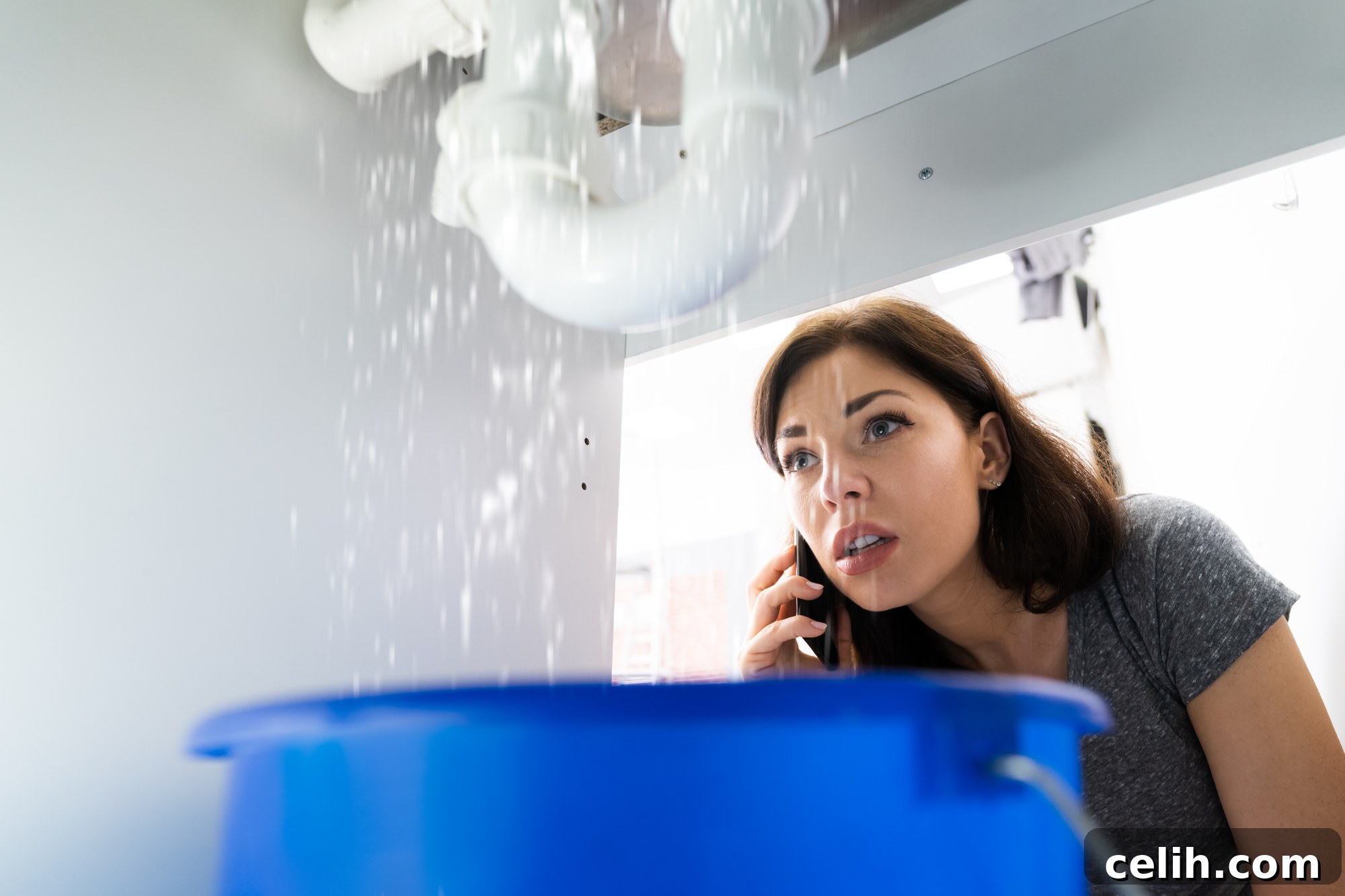
Understanding the criticality of emergency plumbing services is paramount for every homeowner. Plumbing emergencies are notorious for striking unexpectedly, often at the most inconvenient times, leading to significant disruption and potentially severe damage to your property. A proactive approach, coupled with the knowledge of how to respond to these situations and when to engage professional assistance, can save you immense amounts of time, money, and emotional distress. This comprehensive guide aims to shed light on the intricacies of plumbing emergencies, their potential costs, preventative measures, and how to choose the right professional help when disaster strikes.
Decoding Plumbing Emergencies: Nature, Impact, and Hidden Costs
Plumbing emergencies are defined as unforeseen and critical issues within your home’s plumbing system that demand immediate professional intervention to avert further damage and ensure safety. Unlike minor leaks or slow drains that can often be scheduled for routine repair, emergencies require swift and decisive action. Neglecting these urgent issues, even for a few hours, can escalate rapidly, transforming a manageable problem into extensive property damage, significant health hazards, and exorbitant repair costs.
Several common types of plumbing emergencies frequently challenge homeowners. Among the most destructive are **burst pipes**, which can unleash torrents of water, saturating walls, floors, and furniture within minutes. The causes range from freezing temperatures to excessive water pressure or corrosion. Similarly, **severe leaks**, whether visible or hidden behind walls and ceilings, necessitate urgent attention, as they can cause structural damage, foster mold growth, and compromise electrical systems. What might seem like a minor drip can quickly turn into a flood.
While often underestimated, **clogged drains and overflowing toilets** are also critical emergencies. A severe blockage can lead to sewage backup, creating unsanitary conditions, unpleasant odors, and potential health risks. This is particularly problematic in main sewer lines, where blockages can affect multiple fixtures and even your neighbors. Leveraging modern diagnostic tools like CCTV drain surveys allows professionals to pinpoint the exact location and nature of hidden obstructions without intrusive digging, offering a clear advantage in resolving these issues efficiently.
Furthermore, **water heater failures** frequently emerge as emergencies, especially during colder months. A malfunctioning water heater can lead to a complete loss of hot water, affecting daily routines, or, more dangerously, it can leak, rupture, or even release hazardous gases if not properly maintained. Other emergencies include issues with main water lines, sudden drops in water pressure indicating a major leak, or foul odors pointing to serious sewage problems. The sheer unpredictability and immediate threat these issues pose underscore the necessity of knowing how to react swiftly and effectively.
The “cost” of plumbing emergencies extends far beyond the immediate repair bill. While emergency services typically carry a higher premium due to their urgent nature and after-hours response, the financial burden of delayed action is often exponentially greater. This includes not only the direct cost of repairing the plumbing system but also:
- Water Damage Restoration: Replacing damaged drywall, flooring, insulation, and furniture.
- Mold Remediation: Extensive and costly processes to remove hazardous mold growth.
- Structural Repairs: Addressing compromised foundations, warped wooden structures, and weakened ceilings.
- Health Implications: Costs associated with illnesses due to mold exposure or contaminated water.
- Increased Utility Bills: Wasted water from undetected leaks can significantly inflate monthly bills.
- Insurance Deductibles: While insurance may cover some damages, you’ll still pay your deductible, and repeated claims can increase premiums.
Understanding these hidden costs emphasizes that investing in prompt emergency plumbing services is not merely an expense, but a crucial protective measure against far more significant financial losses and disruptions.
Recognizing the Telltale Signs: When to Call for Emergency Plumbing Services
Identifying the precise moment to contact an emergency plumbing service is paramount for effective damage control. Several indicators demand immediate attention. These include:
- Sudden Drop or Complete Loss of Water Pressure: This can signal a major leak in your main water line or within your home’s plumbing network.
- Visible Flooding or Puddles: Any significant accumulation of water, whether from an obvious burst pipe or a mysterious source, warrants an immediate call. Turn off your main water supply immediately if this occurs.
- Foul Odors: Particularly sewage smells emanating from drains, toilets, or unexplained areas of your home, indicating a serious sewer line blockage or breach that could pose health risks.
- Gurgling Sounds: Strange gurgling from drains, especially when other fixtures are used, can suggest a blockage building up in your pipes.
- Water Stains, Warping, or Mold Growth: These are classic signs of a hidden leak that has been ongoing for some time, slowly damaging your home’s structure and creating a breeding ground for mold.
- No Hot Water: A sudden lack of hot water, especially if accompanied by strange noises from your water heater or visible leaks, needs urgent professional assessment.
- Frozen Pipes: If temperatures drop below freezing and you notice no water flow, or a visible pipe is frozen and bulging, it’s an emergency that could lead to bursting.
Ignoring these critical signs can lead to exponentially worse damage, higher repair expenses, and potentially compromise the structural integrity and health standards of your home. Swift action can truly make the difference between a minor repair and a major overhaul.
Professional plumbers are the frontline responders in plumbing emergencies. Their role is invaluable, bringing a unique blend of expertise, specialized tools, and extensive experience to the crisis. Unlike a DIY approach, which might offer a temporary patch, a professional plumber is equipped to:
- Accurately Diagnose: They utilize advanced diagnostic equipment, such as acoustic leak detectors, thermal imaging cameras, and drain cameras, to pinpoint the exact source and nature of the problem, even if it’s hidden.
- Implement Permanent Solutions: They address the root cause of the emergency, rather than just the symptoms, ensuring that the problem is resolved thoroughly and doesn’t recur.
- Handle Diverse Emergencies: From complex sewer backups and gas line leaks to intricate water heater repairs and comprehensive pipe replacements, their training covers the full spectrum of plumbing crises.
- Ensure Safety and Compliance: They adhere to local building codes and safety regulations, minimizing risks associated with plumbing repairs, especially concerning gas lines or structural integrity.
- Prevent Further Damage: Their immediate and effective intervention minimizes the spread of water damage, preventing mold growth, electrical hazards, and structural deterioration.
- Restore System Functionality: They work to ensure your entire plumbing system is returned to proper working order, providing lasting peace of mind.
The nuanced understanding and professional capabilities of certified plumbers are indispensable during an emergency, safeguarding your home and your health.
Navigating an Emergency Service Call: What to Expect from a Plumber
When you place an emergency plumbing service call, knowing what to anticipate can help you prepare and alleviate some stress. Typically, the process unfolds in several systematic steps:
- Initial Contact & Rapid Dispatch: After your initial call, the service will gather vital information about your emergency. They will then dispatch a qualified plumber to your location as quickly as possible, often providing an estimated arrival time.
- Arrival and Safety First: Upon arrival, the plumber will prioritize safety. This often involves ensuring the main water supply is shut off (if it hasn’t been already) to stop further damage, and assessing any immediate hazards like electrical risks or gas leaks.
- Thorough Assessment & Diagnosis: The plumber will conduct a comprehensive inspection of the affected area. Utilizing their expertise and specialized tools (e.g., moisture meters, endoscopes, pressure gauges), they will meticulously diagnose the source and extent of the problem. This phase is crucial for identifying hidden issues that might not be immediately apparent.
- Clear Explanation and Options: Once the diagnosis is complete, the plumber will clearly explain the nature of the issue to you, outlining the necessary repairs. They will typically present you with options for repair, explaining the pros and cons, and provide a transparent, upfront estimate of the cost involved. There should be no hidden fees or surprises.
- Customer Approval & Efficient Repair: With your approval, the plumber will proceed with the repairs. They will use professional-grade tools, materials, and techniques to ensure the work is done efficiently, effectively, and to the highest standards. Their goal is to provide a lasting solution, not a temporary fix.
- System Testing & Cleanup: After the repairs are completed, the plumber will rigorously test the system to confirm that everything is functioning correctly and that the problem has been fully resolved. They will also clean up their work area, ensuring your home is left tidy.
- Post-Service Advice & Warranty: Finally, the plumber may offer advice on preventative maintenance or answer any questions you have. Reputable services often provide a warranty or guarantee on their work, giving you additional peace of mind.
Throughout this process, open communication between you and the plumber is key to a smooth and successful resolution of the emergency.
Proactive Protection: Preventative Measures to Avoid Plumbing Emergencies & The Cost
While some plumbing emergencies are truly unpredictable, a significant number can be prevented or mitigated through diligent preventative measures. Investing time and effort into maintaining your plumbing system is one of the most effective ways to safeguard your home and finances.
Regular Maintenance is Key:
- Annual Professional Inspections: Schedule a yearly check-up with a qualified plumber. They can identify potential issues like corroding pipes, minor leaks, or early signs of blockages before they escalate into emergencies.
- Know Your Main Water Shut-Off Valve: Ensure every household member knows where this valve is located and how to operate it. In case of a burst pipe or severe leak, immediately shutting off the main water supply can drastically minimize damage.
- Monitor Water Pressure: High water pressure can strain pipes and fixtures, leading to leaks and bursts. Installing a water pressure regulator can protect your system, especially if you experience fluctuating pressure.
- Insulate Pipes: In colder climates, properly insulating exposed pipes (especially those in unheated areas like basements, attics, or exterior walls) can prevent freezing and subsequent bursting.
Smart Drain Care:
- Use Drain Guards/Strainers: Place screens over all drains to catch hair, food particles, and soap scum, preventing them from entering and clogging your pipes.
- Be Mindful of What Goes Down the Drain: Never flush non-biodegradable items like wet wipes, cotton balls, or hygiene products. Avoid pouring grease, oil, coffee grounds, or harsh chemicals down kitchen drains, as they can solidify and create stubborn blockages.
- Regular Flushing: Periodically flush drains with hot water to help clear minor buildups. For kitchen sinks, a mix of baking soda and vinegar followed by hot water can be an effective, eco-friendly cleaner.
Appliance Maintenance:
- Water Heater Care: Drain a few gallons from your water heater tank annually to remove sediment buildup, which can improve efficiency and extend its lifespan. Inspect it regularly for leaks or corrosion.
- Check Hoses: Regularly inspect hoses connected to washing machines, dishwashers, and refrigerators for signs of wear, cracks, or bulges, and replace them every few years.
Embrace Technology:
- Leak Detection Devices: Consider installing smart leak detectors in vulnerable areas (under sinks, near water heaters, in the basement). These devices can alert you via your smartphone at the first sign of moisture, enabling you to act quickly.
The cost of implementing these preventative measures is typically minimal when compared to the potential expenses of dealing with a full-blown plumbing emergency. A professional annual inspection might cost a fraction of what a single burst pipe repair, coupled with water damage restoration, would demand. Preventing emergencies not only saves direct repair costs but also preserves the structural integrity of your home, prevents health hazards like mold, and maintains your property value. It’s an investment in peace of mind and long-term savings, proving that a little proactive care goes a long way in avoiding major plumbing catastrophes.
Making the Right Choice: Selecting an Emergency Plumbing Service
When faced with a plumbing crisis, the last thing you want is to scramble for an unreliable service. Choosing the right emergency plumbing provider is crucial for effective repairs and your peace of mind. Here’s what to look for:
- 24/7 Availability: Plumbing emergencies don’t adhere to business hours. Ensure the service offers round-the-clock, every-day-of-the-year emergency response. This guarantees help is available precisely when you need it most.
- Licensing and Insurance: Verify that the plumbing company and its technicians are fully licensed and insured. Licensing ensures they meet professional standards, while insurance protects you from liability in case of accidents or damage during the service call.
- Experience and Certification: Look for a service with a team of experienced and certified plumbers. A seasoned plumber will have encountered a wide array of emergencies and will possess the expertise to diagnose and resolve complex issues efficiently and correctly.
- Reputation and Reviews: Check online reviews, testimonials, and seek recommendations from friends, family, or neighbors. A company with a strong, positive reputation for reliability, professionalism, and quality work is a good indicator of trustworthy service.
- Transparent Pricing: A reputable emergency plumber should provide a clear, upfront estimate before any work begins. Be wary of companies that demand payment before diagnosis or offer vague pricing structures. Ask about emergency call-out fees or after-hours charges.
- Service Area and Response Time: Choose a local service that can reach your home quickly. In an emergency, every minute counts, so a rapid response time is critical to mitigating damage.
- Comprehensive Services: Ensure the company can handle the specific type of emergency you’re facing, whether it’s a burst pipe, sewer backup, water heater issue, or persistent clog.
- Guarantees and Warranties: A reliable company will stand behind its work. Inquire about warranties on parts and labor to ensure long-term satisfaction and protection against recurring issues.
Having a trusted emergency plumbing service on speed dial is more than just a convenience; it’s a vital component of home preparedness. It eliminates the stressful, time-consuming search for a reputable plumber in the chaotic midst of an emergency. This proactive step allows you to immediately focus on basic damage control, like shutting off the water, while professional help is en route. The psychological benefit of knowing you have a reliable, pre-vetted service to call can significantly reduce anxiety and help you maintain composure during a stressful event. Ultimately, this leads to a faster resolution, minimizes potential damage, and restores your home’s functionality with minimal disruption, offering true peace of mind that your home is protected against plumbing unforeseen events.
Wrapping Up: Your Preparedness is Your Protection
Plumbing emergencies are an inevitable part of homeownership, but their impact doesn’t have to be catastrophic. By understanding the nature of these crises, recognizing the early warning signs, and knowing when to call for expert assistance, you empower yourself to react effectively. Implementing preventative measures, from routine maintenance to mindful usage, significantly reduces your risk, while having a pre-selected, reliable emergency plumbing service ready ensures a swift and professional response when disaster strikes. Your preparedness is your best defense against the stress, damage, and substantial costs that plumbing emergencies can inflict, allowing you to maintain a safe, functional, and peaceful home environment.