
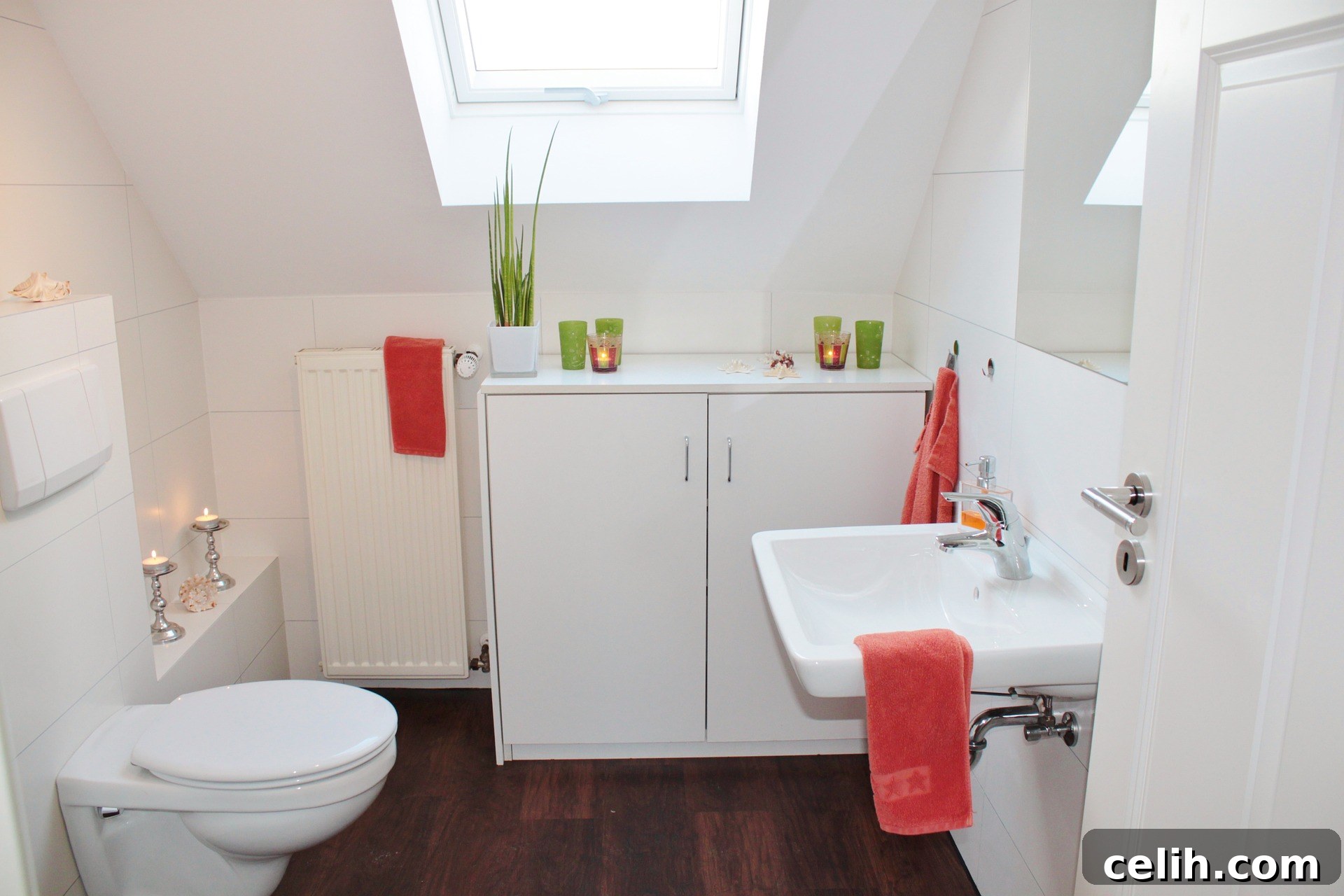
Has your toilet seat seen better days? Perhaps it’s become wobbly, discolored, marred by unsightly cracks, or stained by aggressive cleaning products. If your bathroom or powder room feels a little lackluster, a tired, outdated toilet seat could be the culprit, making the entire space appear as if it’s crying out for a complete renovation.
The good news is, a full bathroom overhaul might not be necessary. Often, simply replacing your toilet seat is all it takes to breathe new life into an otherwise weary bathroom. This often-overlooked fixture is, after all, a vital finishing touch to any toilet, directly impacting both the aesthetics and hygiene of your space. Updating your toilet seat is a surprisingly easy and budget-friendly project, and with the vast array of styles, materials, and features available today, you can effortlessly transform your toilet to look as good as new, instantly elevating the entire room’s appeal.
The Ultimate Guide to Choosing and Installing Your Perfect Toilet Seat
While the idea of replacing a toilet seat sounds straightforward, a little informed planning goes a long way. Before you embark on your shopping journey, whether online or at your local bathroom store, understanding the nuances of toilet seat selection will ensure you make the best choice. For a lasting and satisfying upgrade, always consider purchasing from a reputable bathroom retailer, like the Bathroom Discount Centre, known for quality and variety. The market is rich with options, catering to every style and budget, and if time is short, ordering online offers unparalleled convenience.
In this comprehensive guide, we’ll walk you through every essential step, from understanding different shapes and materials to taking accurate measurements and executing a flawless installation. Dakota Murphey shares her definitive insights to help you choose and fit a brand new toilet seat that perfectly complements your bathroom.
Why a New Toilet Seat Can Transform Your Bathroom Experience
A toilet seat is more than just a functional component; it plays a significant role in the overall cleanliness, comfort, and aesthetic appeal of your bathroom. Over time, even the most durable seats can succumb to wear and tear. Constant use, exposure to moisture, and the cumulative effects of cleaning products can lead to issues like fading, scratches, cracks, and discoloration. These imperfections not only detract from your bathroom’s appearance but can also harbor bacteria, compromise hygiene, and even pose safety risks.
Replacing an old, worn-out toilet seat offers an immediate and noticeable upgrade. It instantly freshens up the look of your toilet, contributing to a cleaner, more modern feel without the expense or disruption of a major renovation. A pristine, comfortable seat enhances the user experience, providing a sense of hygiene and care. It’s a small change with a big impact, revitalizing your space and improving daily comfort for everyone in your household.
Understanding Toilet Seat Shapes: Finding Your Perfect Match
Modern toilets come in a fascinating array of designs, and their corresponding seats are just as varied. To ensure a perfect fit and cohesive look, it’s crucial to choose a toilet seat that precisely matches the shape of your toilet bowl. An ill-fitting seat can look awkward, feel unstable, and even hinder proper cleaning.
Common Toilet Seat Shapes Explained
- Round Nose (or Oval): This is one of the most traditional and widespread shapes, characterized by a distinct curve at the front. Round seats are typically shorter in length and are commonly found in older homes or smaller bathrooms where space is at a premium.
- D-Shaped (or Elongated): Increasingly popular, the D-shaped seat features a straighter front section that then curves around the sides, creating a ‘D’ shape when viewed from above. These seats are generally longer and often perceived as more comfortable due to their extended design. They are a common choice for contemporary bathrooms and modern toilet designs.
- Pointed Nose: Less common but still available, a pointed nose seat tapers to a more defined point at the very front of the bowl. These are typically found on specific vintage or designer toilet models.
- Square and Specialty Shapes: For truly unique or ultra-modern bathroom designs, square-shaped toilets and seats are available. There are also bespoke designs for wall-hung or uniquely contoured toilet bowls. Always double-check your toilet’s specific requirements if it deviates from the common round or D-shaped forms.
Before buying, take a moment to observe the exact contour of your toilet bowl. While many toilets look similar, subtle differences in curvature can affect the fit. If you’re unsure, comparing the shape of your existing seat to the options available is a reliable method.
Precise Measurements: The Key to a Flawless Fit
This is perhaps the most critical step in selecting a new toilet seat. Unlike many bathroom fixtures, toilet seats do not come in a universal “standard” size. Each toilet, especially modern designs, can have unique dimensions. Assuming your toilet is a standard size without measuring is a common pitfall that can lead to disappointment and the hassle of returns. A perfectly fitting seat will be stable, comfortable, and aesthetically pleasing, whereas an ill-fitting one will wobble, look unsightly, and wear out faster.
Step-by-Step Measurement Guide for the Correct Size
To ensure your new toilet seat fits perfectly, you will need to take three precise measurements. It’s best to use a tape measure and, if possible, enlist a helper for accuracy.
- Measure the Distance Between the Fixing Holes: Start by measuring from the exact center of the left bolt hole to the exact center of the right bolt hole at the back of the toilet bowl. This measurement, often referred to as the hinge spacing, is crucial as the seat’s hinges must align perfectly with these holes. Standard distances often fall around 155mm or 165mm, but variations exist.
- Measure the Width of the Toilet Bowl: Next, measure the width of your toilet bowl at its broadest point. This is typically across the widest part of the seat area, roughly midway along the length. If you still have your old seat, you can turn it over and measure its widest point for reference, ensuring it corresponds to the widest part of the bowl.
- Measure the Length of the Toilet Seat: Finally, measure the length from the very front edge of the toilet bowl, stretching the measuring tape backward to an imaginary line connecting the centers of the two seat fixing holes. This measurement defines how far the seat will extend over the bowl. It’s important to measure to the bolt holes, not the cistern, to get an accurate length for the seating area.
Pro Tip: Write down your measurements immediately. If possible, take a photo of your existing toilet and the measurements to reference when shopping. Don’t round up or down; precision is key here.
Material Matters: Wooden vs. Plastic and Beyond
When it comes to the feel, durability, and aesthetics of your toilet seat, the choice of material is paramount. The two most common options are wood and plastic, each offering distinct advantages and disadvantages. For most homeowners, the decision often boils down to a blend of personal preference, bathroom style, and desired longevity.
Wooden Toilet Seats: Natural Charm and Warmth
Wooden toilet seats bring a touch of classic elegance and warmth to a bathroom, making them a popular choice for traditional or rustic interiors.
- Pros:
- Warmth: Wooden seats generally feel warmer to the touch, especially comforting during colder months.
- Sturdiness: They often feel more substantial and robust, offering a perception of higher quality.
- Aesthetics: Available in natural solid wood (like oak, pine, or bamboo) or painted MDF/compressed wood, they lend a charming, natural, or sophisticated look suited to various decor styles.
- Cons:
- Wear and Tear: Being a natural material, wood can be more susceptible to wear, scratching, and chipping over time.
- Moisture Sensitivity: In high-moisture bathroom environments, wood can degrade, swell, or warp if not properly sealed or maintained.
- Discoloration: Painted wooden seats, particularly lighter shades, may be prone to discoloration or yellowing, especially around the hinges, due to cleaning products or sunlight exposure.
- Maintenance: May require more careful cleaning to prevent damage to the finish.
Plastic Toilet Seats: Durability and Versatility
Plastic toilet seats are celebrated for their practicality, durability, and wide range of design possibilities, making them a versatile choice for any bathroom.
- Pros:
- Durability: High-quality plastic seats, particularly thermoset options, are highly durable, scratch-resistant, and can outlast wooden alternatives.
- Hygiene: Plastic is non-porous, making it easier to clean and inherently more hygienic as it prevents the absorption of moisture and odors. Many also come with antibacterial properties.
- Variety: Available in an extensive spectrum of colors, finishes, and designs, plastic seats offer unmatched versatility to match any bathroom decor.
- Cost-Effective: Generally more affordable than solid wood seats, offering excellent value.
- Cons:
- Temperature: They can feel colder to sit on, especially in unheated bathrooms.
- Quality Variation: Cheaper, lighter thermoplastic seats can be more vulnerable to cracking or showing stress marks, so investing in a quality plastic is advisable.
- Types of Plastic:
- Thermoplastic: Lighter and more flexible, thermoplastic seats are heated during manufacturing and then cooled to set their shape. They can be reheated and reshaped, making them less resistant to scratches and impacts in comparison to thermoset.
- Thermoset: These plastics are heated once during molding and then set permanently. They are denser, more rigid, highly scratch-resistant, and generally more durable and robust. Thermoset seats tend to feel heavier and offer a premium finish, often costing a little more.
Exploring Other Toilet Seat Materials
While wood and plastic dominate the market, other materials occasionally surface. Resin seats, for example, can encapsulate decorative elements, offering unique visual appeal. Padded seats, though less common due to hygiene concerns, provide a softer sitting experience. For commercial or industrial settings, specialized metal seats might be used for extreme durability.
Modern Toilet Seat Features and Fittings
Beyond the basic function of providing a place to sit, modern toilet seats come equipped with a variety of features and fitting options designed to enhance comfort, hygiene, and convenience. These innovations can significantly improve your bathroom experience.
Essential Fittings: Hinges and Attachments
Most toilet seats come with standard top or bottom fixings, but the type of hinge and attachment mechanism can vary:
- Standard Fittings: These typically involve bolts that pass through the toilet bowl holes and are secured with nuts from underneath. They are reliable but can sometimes be tricky to access in tight spaces.
- Quick Release Mechanism: A highly desirable feature for modern homes, quick-release hinges allow you to easily detach the entire toilet seat from the toilet bowl with the push of a button or a simple lift. This innovation makes cleaning around the hinges and the top of the toilet pan significantly easier and more thorough, promoting superior hygiene.
- Hinge Materials: While many seats come with durable plastic fittings, you can also find options with more decorative and robust metal hinges. Chrome effect hinges offer a sleek, modern look, while gold effect or brushed nickel options can add a touch of luxury or vintage charm, complementing other bathroom fixtures.
Innovative Features for Enhanced Comfort and Hygiene
Manufacturers are continually developing new technologies to make toilet seats more functional and user-friendly:
- Soft-Close Technology: This is a game-changer for many households. Soft-close hinges incorporate a hydraulic system that allows the toilet seat and lid to close slowly and silently with just a gentle push. This eliminates the annoying and disruptive “slamming” noise, especially in the middle of the night, prevents accidental finger pinching (a great safety feature for children), and extends the life of the seat and toilet itself by reducing impact.
- Antibacterial Coatings: Some plastic and wooden seats are treated with special antibacterial agents or glazes that inhibit the growth of germs and bacteria, providing an extra layer of hygiene and peace of mind.
- Heated Seats: For ultimate luxury and comfort, particularly in colder climates, heated toilet seats offer adjustable warmth. These are often integrated into smart toilet systems.
- Integrated Bidet Functions: Advancing hygiene, many modern toilet seats now offer integrated bidet features, providing water-based cleansing with adjustable temperature and pressure settings.
- Child Training Seats: Some seats come with an integrated child-sized ring that magnetically attaches to the main lid when not in use, making toilet training easier and more convenient for families.
Considering these features can significantly enhance the functionality and comfort of your new toilet seat, making it a truly valuable addition to your bathroom.
Your Step-by-Step Guide to Toilet Seat Installation
Once you’ve selected and purchased your brand new toilet seat, you’ll be eager to get it perfectly placed on your porcelain throne. The installation process is generally straightforward and achievable for most DIY enthusiasts. Here’s a clear, step-by-step overview to guide you.
Tools and Preparation
Before you begin, gather the necessary tools. You’ll likely need:
- A screwdriver (flathead or Phillips, depending on your bolts)
- An adjustable wrench or pliers (for tightening nuts)
- Rubber gloves (highly recommended for hygiene)
- Cleaning supplies (toilet cleaner, disinfectant wipes, brush)
Ensure your bathroom is well-ventilated, and lay down some old towels or newspaper to protect the floor from any drips or dirt.
Removing Your Old Toilet Seat
- Locate the Fixing Bolts: Most toilet seats are attached by two bolts at the back of the toilet bowl, near the cistern. These might be visible, or they could be covered by plastic caps.
- Unscrew the Caps (if present): If there are plastic caps, gently pry them open to reveal the bolt heads.
- Loosen the Bolts: Use your screwdriver to hold the bolt head from the top while using your wrench or pliers underneath the toilet bowl to loosen the nuts. Turn counter-clockwise. If the bolts are rusted or stuck, apply a penetrating oil and let it sit for a few minutes before trying again.
- Remove the Old Seat: Once both bolts are sufficiently loosened or removed, lift the old seat straight up and off the toilet.
Thorough Cleaning: A Crucial Step
With the old seat removed, you’ll have full access to the often-neglected area around the bolt holes and the rim of the toilet bowl. This is the perfect opportunity for a deep clean:
- Put on your rubber gloves.
- Apply a strong toilet cleaner or disinfectant around the bolt holes, hinge area, and the top rim of the toilet bowl.
- Use a scrub brush or an old toothbrush to remove any accumulated grime, limescale, or stains.
- Rinse thoroughly and wipe dry. A clean base ensures a hygienic installation and prevents future issues.
Installing Your New Toilet Seat
- Assemble the New Fittings: As per the manufacturer’s instructions, assemble the new seat’s fittings. This usually involves attaching the hinge posts to the seat itself.
- Position the Seat: Carefully place the new seat over the toilet bowl, aligning the hinge posts with the bolt holes in the ceramic.
- Secure with Bolts: Insert the new bolts (usually supplied with the seat) through the hinge posts and the toilet bowl holes. From underneath, loosely attach the washers and nuts onto the bolts. Ensure the seat is centered and perfectly aligned before tightening.
- Tighten the Nuts and Bolts: Once the seat is correctly positioned, use your wrench or pliers to tighten the nuts from underneath while holding the bolt head steady from the top with a screwdriver. Do not overtighten, as this can crack the ceramic or the seat fittings. Tighten until the seat is stable and doesn’t wobble.
- Attach Protective Covers: If your new seat came with decorative or protective plastic covers for the bolt heads, simply snap them into place over the tightened bolts.
For a more visual and in-depth guide, you can always refer to external resources like DIY Doctor’s toilet seat installation guide.
Post-Installation Checks and Tips
After installation, gently test the seat for stability. It should not rock or slide. If it does, re-tighten the bolts slightly. For soft-close seats, test the closing mechanism to ensure it operates smoothly. Wipe down any fingerprints or smudges, and admire your newly refreshed toilet!
Maintaining Your New Toilet Seat for Lasting Beauty
To ensure your new toilet seat remains pristine and functional for years to come, regular and proper maintenance is essential. The type of cleaning required can depend on the material of your seat.
- Gentle Cleaning for All Materials: Always use mild, non-abrasive cleaners. Harsh chemical sprays, abrasive pads, or strong bleaches can damage the finish of both plastic and wooden seats, leading to discoloration, etching, or degradation of the material. A simple solution of warm water and mild soap, or an all-purpose bathroom cleaner applied with a soft cloth, is usually sufficient.
- Care for Wooden Seats: For wooden seats, avoid saturating the wood with water. Wipe it clean and dry it immediately to prevent moisture absorption, which can lead to swelling or warping. Never use highly acidic or alkaline cleaners.
- Care for Plastic Seats: Plastic seats are generally more resilient. However, prolonged contact with strong chemicals can still cause damage. If your plastic seat has an antibacterial coating, ensure your cleaning products are compatible to avoid diminishing its effectiveness.
- Regular Checks: Periodically check the tightness of the hinges and bolts. Over time, slight loosening can occur, leading to a wobbly seat. A quick tighten will keep it secure.
- Avoid Over-Tightening: When cleaning, avoid twisting or over-stressing the seat, especially if it has quick-release hinges.
By following these simple maintenance tips, your new toilet seat will not only look good but also provide a hygienic and comfortable experience for a much longer time.
Where to Buy Your Perfect Toilet Seat
With so many options available, knowing where to purchase your new toilet seat can be as important as knowing what to look for. Your choice of retailer can impact the quality, warranty, and overall buying experience.
- Specialized Bathroom Retailers: Stores that specialize in bathroom fixtures, whether physical showrooms or online shops, often offer the widest selection of high-quality toilet seats. They typically carry reputable brands and can provide expert advice. Examples include the Bathroom Discount Centre mentioned earlier.
- Large Home Improvement Stores: Big box hardware and home improvement stores offer a broad range of toilet seats, often at competitive prices. While the selection might be extensive, specific high-end or niche styles might be limited.
- Online Marketplaces: Websites like Amazon, eBay, and dedicated plumbing supply sites offer immense variety and convenience. You can compare prices easily and read customer reviews, which are invaluable for gauging product quality and fit. Just be sure to check return policies carefully, especially when ordering online.
Considerations When Buying:
- Reputation: Choose a retailer known for customer service and quality products.
- Warranty: Look for toilet seats that come with a manufacturer’s warranty.
- Return Policy: Ensure you understand the return policy, especially if you’re unsure about the exact fit or color match.
- Reviews: Always read customer reviews for insights into durability, ease of installation, and real-world performance.
- Budget: Toilet seats vary widely in price. Determine your budget but remember that investing a little more in a durable, feature-rich seat often pays off in the long run through increased comfort and longevity.
Conclusion: A Simple Upgrade, A Big Impact
Replacing your toilet seat is far more than a mundane chore; it’s a simple, effective, and budget-friendly way to instantly revitalize your bathroom. A fresh, clean, and perfectly fitted seat not only elevates the aesthetic appeal of your toilet but also significantly enhances hygiene, comfort, and the overall feel of the entire room. From selecting the ideal shape and material to mastering the art of precise measurement and straightforward installation, this guide provides you with all the knowledge you need to confidently undertake this rewarding DIY project.
So, bid farewell to that wobbly, discolored, or cracked old seat. Embrace the change, and we hope you absolutely love your new-look loo! It’s a testament to how even the smallest changes can make the biggest difference in your home.
(Image Credits: Images via Pixabay, used for illustrative purposes)