
Ensuring a comfortable indoor environment, especially during the sweltering heat of summer, is a priority for every homeowner. However, achieving this desired coolness often comes with a significant price tag in the form of elevated energy bills. In an era of increasing utility costs, finding effective strategies to mitigate these expenses without compromising comfort is more crucial than ever. The good news is that it’s entirely possible to maintain a cool and inviting home while simultaneously making substantial savings on your energy consumption.
This comprehensive guide delves into actionable tips and best practices designed to help you drastically reduce your home cooling costs, ensuring both your comfort and your financial well-being throughout the warmer months and beyond.
Upgrade to an Energy-Efficient Air Conditioner
The average lifespan of a central air conditioning unit typically ranges between 10 to 15 years, though this can vary based on usage, maintenance, and initial quality. If your current AC system is approaching or has exceeded the ten-year mark, it’s highly probable that its efficiency has significantly degraded. Older models often utilize outdated technology and refrigerants, resulting in a lower Seasonal Energy Efficiency Ratio (SEER) compared to modern units. An inefficient air conditioner has to work harder and longer to cool your home to the desired temperature, leading to a noticeable surge in energy consumption and, consequently, much higher utility bills.
Investing in a new, energy-efficient air conditioner can be one of the most impactful decisions you make to reduce home cooling costs. Modern AC units boast significantly higher SEER ratings, meaning they can provide the same or even superior cooling performance while consuming substantially less electricity. While the upfront cost of a new HVAC system might seem considerable, it’s an investment that pays for itself over time through dramatic savings on your monthly energy expenditures. Furthermore, newer models often offer improved comfort through more consistent temperatures, quieter operation, and even enhanced indoor air quality. Many regions and utility providers also offer rebates and incentives for homeowners who upgrade to high-efficiency cooling systems, making the transition even more financially appealing. Don’t let an outdated unit blow your electric bill through the roof; explore the benefits of a modern cooling solution.
Effectively Seal Your Home’s Envelope
Even the most advanced and efficient air conditioning system will struggle to maintain optimal temperatures and waste energy if your home is plagued by air leaks. These hidden openings allow cool air to escape your living spaces and warm, humid air from outside to infiltrate, forcing your AC unit to run continuously and work overtime. This constant strain not only inflates your energy bills but also puts unnecessary wear and tear on your system, potentially leading to premature breakdowns and costly repairs from ARS.
Sealing your home effectively is a foundational step in minimizing cooling costs and maximizing comfort. Common culprits for air leaks include gaps around windows and doors, electrical outlets, plumbing penetrations, attic hatches, and gaps in your home’s foundation. Implementing proper weatherstripping around all doors and windows, and applying caulk to seal cracks and gaps in window frames, door frames, and along baseboards, can make a significant difference. For areas like the attic, basement, or crawl spaces, consider professional insulation upgrades or duct sealing, as compromised ductwork can account for up to 40% of energy loss in central air systems. Contacting a professional home energy auditor can help identify specific air leakage points and recommend the most effective sealing solutions for your property, ensuring every dollar spent on cooling stays inside your home.
Embrace Smart Thermostat Technology
The thermostat you use plays a pivotal role in controlling your home’s temperature and, by extension, your energy consumption for cooling. While traditional manual or even basic programmable thermostats offer some control, a smart thermostat elevates energy management to an entirely new level, making it an indispensable tool for reducing cooling costs. Unlike their predecessors, smart thermostats are designed to learn your habits, preferences, and the unique characteristics of your home, optimizing temperature settings with unparalleled precision.
These intelligent devices can be programmed to adjust the temperature automatically based on various factors, including your daily schedule, occupancy detection (using motion sensors), external weather conditions, and even geofencing technology that senses when you’re approaching or leaving home. This means your smart thermostat won’t waste energy cooling an empty house; instead, it will ensure your home is perfectly cool just as you arrive. Many models also offer remote control via smartphone apps, allowing you to monitor and adjust your home temperature from anywhere. The intelligent heat regulation provided by a smart thermostat significantly reduces the strain on your HVAC system, leading to extended equipment lifespan and substantial savings on electricity bills. Most importantly, it ensures you return to a comfortable oasis without the guilt of excessive energy use.
Utilize Ceiling Fans Strategically
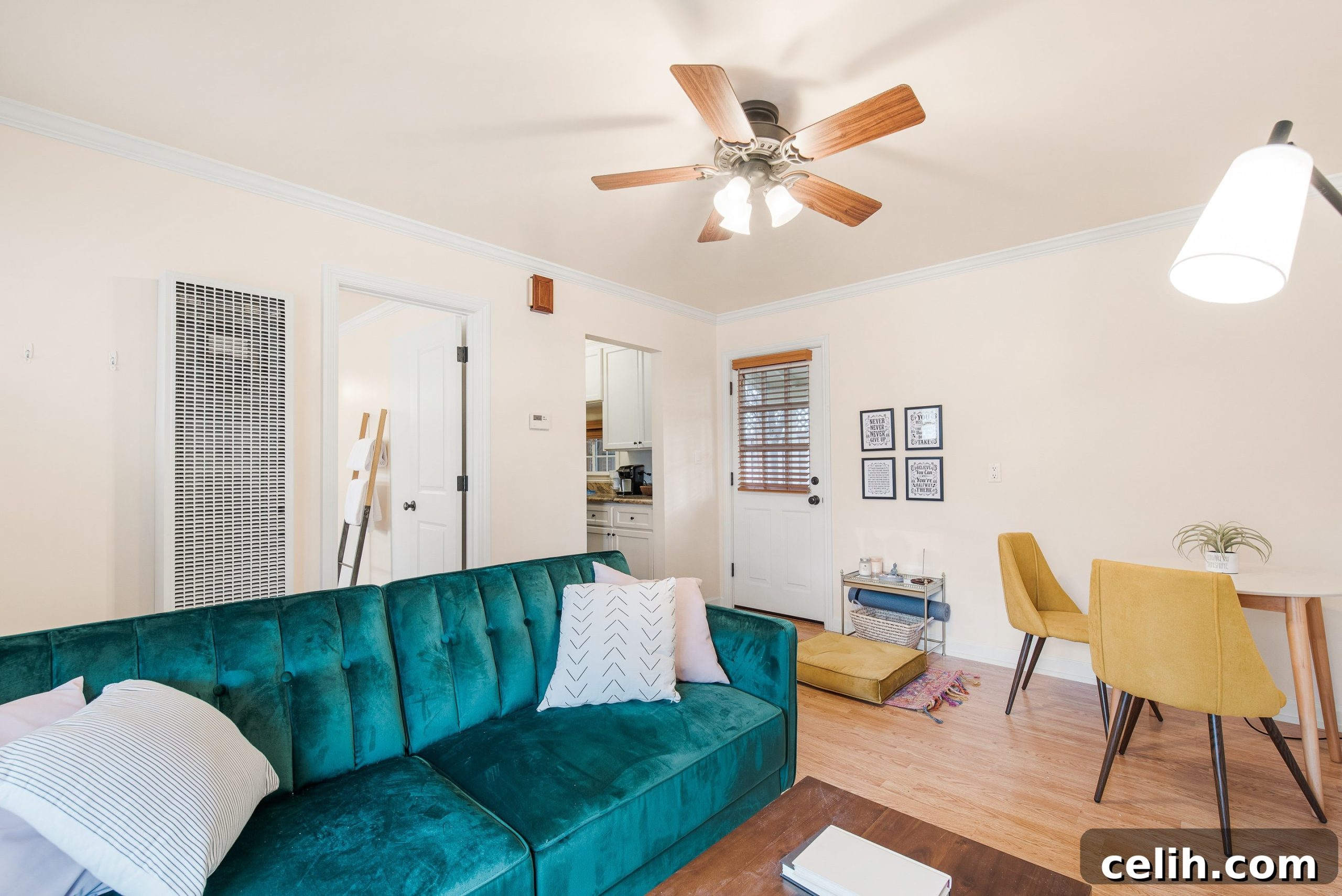
A ceiling fan is an unsung hero in the battle against high cooling costs. While it doesn’t actually lower the ambient temperature of a room, it creates a “wind-chill effect” by circulating air over your skin, making you feel seven to ten degrees cooler than the actual thermostat setting. This sensation of coolness allows you to set your air conditioner thermostat a few degrees higher without sacrificing personal comfort, leading to significant energy savings.
The beauty of ceiling fans lies in their remarkable energy efficiency; they consume significantly less electricity than a central HVAC unit. On moderately warm days, a ceiling fan alone might be sufficient to keep you comfortable, eliminating the need to turn on your AC at all. For hotter days, the most effective strategy is to use your AC and ceiling fan in tandem. The ceiling fan will help distribute the cool air from your AC unit more evenly throughout the room and house, reducing hot spots and allowing your AC to run for shorter periods or at a higher temperature setting. Remember the golden rule: ceiling fans cool people, not rooms. Always turn off the ceiling fan when you leave a room, as there’s no benefit to circulating air in an empty space, and you’ll merely be adding to your electric bill.
Implement Regular HVAC Maintenance
Just like any complex machinery, your HVAC unit requires diligent care and regular maintenance to operate at peak efficiency. Neglecting your air conditioning system is a surefire way to escalate your cooling costs and shorten the lifespan of your unit. Proper HVAC maintenance is the single best way to ensure your system runs as efficiently as possible, consuming minimal power while delivering maximum comfort. There are several critical components to comprehensive AC maintenance that homeowners should be aware of.
One of the simplest yet most crucial tasks is regularly changing your air filters. A dirty, clogged filter restricts airflow, forcing your AC unit to work harder to pull air through, which can increase energy consumption by 5% to 15%. It’s generally recommended to change filters every 1-3 months, depending on usage, pet presence, and allergies. Beyond filters, inspect and seal any leaks in your AC’s ducting, as these can account for energy losses of up to 40% by allowing cooled air to escape into unconditioned spaces like attics or crawl spaces. Regular professional tune-ups are also indispensable. During a tune-up, a certified technician will clean the evaporator and condenser coils (which can become coated with dirt and grime, impeding heat transfer), check refrigerant levels, inspect electrical connections, lubricate moving parts, and ensure the condensate drain is clear. These preventative measures not only maintain efficiency but also catch minor issues before they escalate into costly breakdowns. Even with the most diligent care, unexpected mechanical issues can arise at the most inconvenient times. In such scenarios, having access to a reliable 24hr AC service ensures that a professional can promptly restore your home’s cooling, regardless of the hour. Addressing these malfunctions rapidly prevents the system from operating under extreme stress, further protecting your long-term energy savings and overall system health.
Additional Strategies for Maximizing Cooling Efficiency
Beyond the core tips, several other habits and home improvements can contribute significantly to reducing your cooling load:
- Optimize Window Treatments: Utilize blinds, shades, or curtains, especially on south and west-facing windows, to block direct sunlight and radiant heat gain during the hottest parts of the day. Blackout curtains can be particularly effective.
- Strategic Landscaping: Plant deciduous trees or shrubs strategically around your home to provide shade during the summer months. In winter, these trees will shed their leaves, allowing sunlight to warm your home.
- Manage Heat-Generating Appliances: Appliances like ovens, dishwashers, and clothes dryers generate considerable heat. Run them during the cooler evening or early morning hours to avoid adding extra heat to your home when your AC is working hardest.
- Improve Attic Ventilation: A well-ventilated attic prevents heat buildup, which can radiate down into your living spaces. Consider adding attic fans or ensuring adequate soffit and ridge vents.
- Use Exhaust Fans: Turn on kitchen and bathroom exhaust fans when cooking or showering to remove heat and humidity from your home.
- Consider a Light-Colored Roof: If you’re due for a roof replacement, opt for lighter-colored or “cool roof” materials that reflect more sunlight and absorb less heat, reducing the temperature in your attic and overall home.
In today’s challenging economic climate, every opportunity to save money is invaluable, and reducing home cooling costs offers a tangible way to impact your budget positively. By adopting a multi-faceted approach that includes upgrading to energy-efficient appliances, diligently sealing your home’s envelope, leveraging smart home technology like thermostats, intelligently using ceiling fans, and committing to regular HVAC maintenance, you can achieve a comfortable living environment without the burden of exorbitant energy bills. Developing good energy consumption habits is not just about short-term savings; it’s about fostering a sustainable lifestyle that benefits both your wallet and the planet for years to come. Take control of your home’s energy use and enjoy a cooler, more cost-effective summer.