
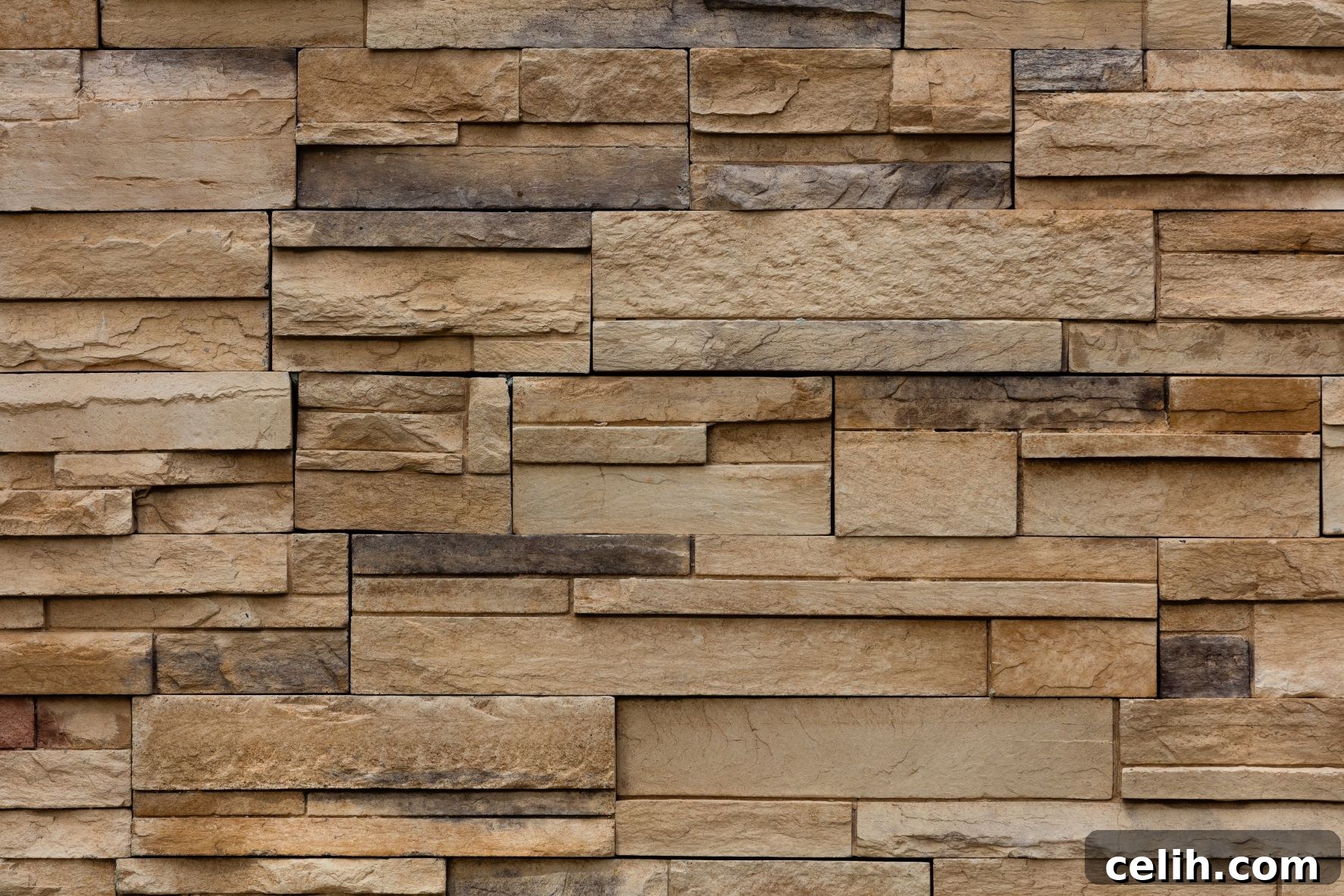
If you’re seeking to infuse your living or working spaces with a blend of natural elegance and robust character, stone tile cladding presents an unparalleled design solution. This versatile wall treatment offers a sophisticated yet understated way to distinguish your property, whether applied to the exterior facade or as a striking interior accent. With its timeless aesthetic appeal and inherent durability, natural stone cladding promises to maintain its stunning appearance and structural integrity for many years to come.
In this comprehensive guide, we delve deep into the world of stone tile cladding, exploring its definition, diverse applications, myriad benefits, and the various stone types available. Our aim is to equip you with all the essential information needed to make an informed decision, ensuring that stone wall cladding is the perfect fit for your home improvement aspirations.
Understanding Stone Tile Cladding: A Fusion of Beauty and Functionality
At its core, stone tile cladding is a specialized wall treatment designed to emulate the profound beauty of solid stone walls, but without the inherent structural challenges or excessive cost. It involves applying a layer of thin-cut natural stone pieces, often referred to as stone veneers or decorative wall coverings, onto another surface. This process creates a visually impactful, textured finish that captures the natural luster and unique variations of genuine stone, transforming ordinary walls into captivating focal points.
Unlike full stone walls, which involve heavy, irregularly shaped blocks requiring extensive structural support and skilled masonry, cladding tiles are typically thinner, lighter, and more uniform in thickness. This makes them significantly easier and often more affordable to install, democratizing the luxurious appeal of natural stone for a broader range of projects. Furthermore, the evolution of manufacturing techniques means that you’re no longer limited to a “rustic” aesthetic; contemporary stone cladding designs embrace sleek, modern lines and sophisticated finishes, offering immense flexibility to complement any architectural style or interior design theme.
Where Can Stone Tile Cladding Be Used? Endless Design Possibilities
The adaptability of stone tile cladding is one of its most compelling attributes. Traditionally, natural stone cladding has been a preferred material for exterior wall projects, prized for its resilience and ability to enhance curb appeal. However, its aesthetic and practical advantages have increasingly led to its adoption in diverse interior applications, blurring the lines between indoor and outdoor living spaces.
Elevating Your Home’s Exterior with Stone Wall Cladding
For outdoor applications, stone cladding tiles are an excellent choice for a vast array of projects, offering both aesthetic enhancement and protective qualities. Imagine:
- Garden Walls and Retaining Walls: Transform utilitarian structures into beautiful landscape features that seamlessly integrate with your garden design.
- Water Features: Create stunning backdrops for fountains or waterfalls, where the stone’s natural texture interacts beautifully with flowing water, evoking a sense of tranquility.
- Outdoor Fireplaces and Fire Pits: Design a cozy and inviting focal point that exudes warmth and sophistication, perfect for al fresco gatherings.
- Patio and Deck Surrounds: Cladding exterior walls adjacent to these areas instantly elevates them into elegant outdoor rooms. It can help establish a spa-like vibe, encouraging relaxation and creating an idyllic outdoor retreat.
- Entryways and Facades: Stone cladding can significantly boost your home’s curb appeal, adding character and a touch of grandeur to your main entrance or as an accent on the building’s exterior. It can turn an entertainment area into a homely sanctuary, even during colder months, reminiscent of a Mediterranean villa.
- Foundation Cladding: Mask concrete foundations, giving your home a more finished and substantial appearance.
- Small Courtyards: Cleverly used, stone cladding can create the illusion of greater space and depth in compact or awkwardly shaped courtyards, transforming them into charming private escapes.
Transforming Interiors with Interior Stone Walls
Beyond the garden and facade, stone tile cladding offers remarkable potential for transforming indoor living spaces. Its ability to introduce natural textures and sophisticated elements makes it a favored choice for various interior design schemes:
- Living Rooms and Reception Areas: Create a striking feature wall that serves as a captivating focal point, or enhance the grandeur of a fireplace surround, making it a true centerpiece.
- Kitchens: As a splashback, stone cladding offers a durable, easy-to-clean, and undeniably stylish alternative to traditional tiles, injecting character and warmth into the heart of your home. It can also be used to clad kitchen islands or accent walls.
- Bathrooms: Achieve a luxurious, modern spa atmosphere that is both soothing and visually attractive. Stone cladding can be used on shower walls (with proper sealing and installation), behind vanities, or to create an accent wall in a large bathroom, evoking the serene ambiance of a high-end wellness retreat.
- Home Offices and Studios: From home offices to yoga studios or entertainment rooms, stone cladding can impart a sense of groundedness and natural beauty, fostering environments conducive to focus, relaxation, or creative expression. The texture and organic patterns of natural stone can stimulate a more inviting and less sterile workspace.
- Hallways and Entryways: Make a powerful first impression with a clad wall in your foyer, adding depth, texture, and a touch of sophistication right as you step inside.
As evident, the versatility of natural stone panels for both home and garden projects is virtually limitless, making it an exceptional choice for modern cladding tile designs.
Unpacking the Benefits: Why Choose Stone Tile Cladding?
Beyond its undeniable aesthetic appeal, stone tile cladding offers a host of practical advantages that make it a wise investment for any homeowner. The natural look and feel are certainly a major draw for many, contributing to the creation of a bold, daring, and stylish space that can significantly enhance property value. It’s also an elegant solution to camouflage uninspiring walls, lending an attractive facade and updating the look of tired, older homes into more contemporary and inviting buildings.
Durability, Longevity, and Protection
Due to its natural composition, stone cladding is an exceptionally strong and durable material. It offers:
- Weather Resistance: Natural stone is inherently resistant to harsh weather conditions, including high winds, heavy rain, and extreme temperatures. It stands up to UV exposure without fading and is impervious to moisture, making it ideal for exterior applications.
- Fire Resistance: Stone is a non-combustible material, adding an extra layer of fire protection to your home’s structure.
- Impact Resistance: Its robust nature makes it difficult to chip, stain, or break under normal conditions, offering superior resistance to physical damage compared to many other wall finishes.
- Long Lifespan: When properly installed and maintained, stone tile cladding can last for decades, often exceeding the lifespan of the building itself, making it a truly long-term investment.
- Structural Protection: On exterior walls, stone cladding adds an additional degree of security and protection to the underlying structure of your home. It helps guard against cracks, minor structural damage, and provides an extra barrier against environmental stressors.
Energy Efficiency and Thermal Insulation
What many homeowners may not realize is that natural stone is a superb thermal mass. This means it has the ability to absorb and store heat, then slowly release it over time. This property provides significant benefits for energy efficiency:
- Cooler Summers: In warmer climates, stone cladding helps keep interiors cooler by slowing down the transfer of heat from the outside in.
- Warmer Winters: In colder regions, it helps retain heat within the home, reducing the reliance on heating systems.
- Lower Energy Bills: By moderating indoor temperatures naturally, stone cladding can lead to noticeable reductions in your energy consumption and utility bills, making it an environmentally conscious choice.
Low Maintenance and Versatility
Provided you invest in quality tiles and ensure professional installation, stone tile cladding is remarkably low maintenance. Its inherent resistance to wear and tear means less frequent cleaning and repairs. For exterior applications, a simple pressure wash will often restore them to their full glory, easily removing dirt and grime. Interior stone walls typically only require occasional dusting or wiping.
Moreover, stone cladding is surprisingly versatile, seamlessly integrating with a wide range of interior designs and architectural styles. Its natural construction facilitates a smooth, organic transition between indoor and outdoor spaces, making it ideal for various internal and external home projects and renovations. Whether your home leans towards rustic charm, modern minimalism, or classic elegance, there’s a stone cladding option to complement and elevate its unique character.
If you’re seeking a sophisticated way to create a seamless indoor/outdoor flow, or to introduce the calming touch of Mother Nature into your home, natural stone cladding could be your ideal solution. It’s a versatile and effective treatment for enhancing outdoor entertainment areas and can instantly revitalize dull walls without the need for extensive renovations or constant upkeep.
Exploring Stone Types and Installation Essentials for Tile Cladding
The beauty of stone tile cladding lies in the vast array of natural stones available, each offering unique colors, textures, and characteristics. This ensures that you can find the perfect natural stone wall finish to match your specific aesthetic preferences and functional requirements.
Popular Stone Types for Cladding
Some of the most common and sought-after natural stone products used for cladding include:
- Sandstone: Known for its earthy tones (tans, browns, reds, grays) and granular texture, sandstone offers a warm, inviting, and often rustic feel. It’s durable and popular for both interior and exterior applications.
- Marble: Synonymous with luxury and sophistication, marble cladding features elegant veining and a polished finish. While often more expensive, it brings unparalleled grandeur to feature walls, fireplace surrounds, and upscale bathrooms.
- Slate: With its distinctive layered texture and rich, often darker colors (greys, blacks, greens, purples), slate provides a rugged yet refined look. It’s highly durable and weather-resistant, making it excellent for exterior cladding and interior feature walls.
- Granite: Extremely hard and dense, granite is renowned for its durability and resistance to scratches, heat, and moisture. Available in a spectrum of colors and patterns, it’s an excellent choice for high-traffic areas and exterior applications where longevity is paramount.
- Quartzite: Often mistaken for marble due to its similar appearance, quartzite is even harder and more durable, making it ideal for areas requiring exceptional resilience. It offers sparkling textures and a range of beautiful natural hues.
- Limestone: Offering softer, muted tones (creams, beiges, light grays), limestone creates a classic, elegant, and timeless aesthetic. It’s a popular choice for achieving a refined, historical, or Mediterranean look.
Beyond these natural options, engineered stone cladding, made from composite materials, offers consistent color, texture, and specific performance properties, providing an alternative for those seeking uniformity.
Considering Finishes and Aesthetics
The choice of stone type is just one aspect; the finish applied to the stone also dramatically alters its appearance and feel:
- Natural Cleft/Split Face: This finish highlights the stone’s inherent layers, creating a highly textured, rugged, and dimensional look, popular for rustic or dramatic feature walls.
- Honed: A smooth, matte finish that offers a more subdued and contemporary appearance, showcasing the stone’s natural color without reflection.
- Polished: A high-gloss finish that brings out the stone’s vibrant colors and intricate patterns, creating a luxurious and reflective surface, particularly common for marble and granite.
- Tumbled: Stones are tumbled with abrasive materials to create a softer, aged, and slightly irregular edge, perfect for antique or farmhouse-style aesthetics.
Cost Implications and Installation Expertise
The cost of stone tile cladding varies significantly based on several factors: the type of stone chosen (marble and granite, for instance, tend to be more expensive than sandstone or limestone), its origin, the specific finish, and the supplier. Generally, natural stone cladding represents a more premium option compared to other cladding materials like vinyl, wood, brick slips, aluminum, or stainless steel cladding. This is an important consideration when exploring popular designs and determining what best fits your home improvement budget and vision.
Equally critical to the material cost is the installation expense. For the highest quality finish and the best long-term results, it is unequivocally recommended to engage the services of a qualified professional with proven experience in fitting cladding. The installation of stone cladding is a precise process that involves careful surface preparation, correct adhesive application, proper grouting, and often sealing, demanding technical skill and attention to detail. Unless you possess extensive building experience and are confident in your masonry skills, attempting a DIY installation is generally not advised, as improper fitting can lead to costly issues down the line, compromising both aesthetics and durability.
Summary: A Lasting Investment in Style and Substance
Whether your goal is to dramatically improve the exterior aesthetics and structural resilience of your home, embark on an inspiring outdoor living project, or introduce a touch of natural sophistication within your interiors, natural stone tile cladding stands out as an exceptionally versatile and effective material. Its myriad benefits, ranging from unparalleled durability and thermal efficiency to low maintenance requirements and significant property value enhancement, make it an attractive option for discerning homeowners.
While the initial investment for quality stone cladding may not be the cheapest compared to alternative materials, its long-lasting performance, timeless appeal, and ability to elevate your home’s character represent a sound financial decision. Stone tile cladding is not just a wall treatment; it’s an investment in enduring beauty and structural integrity that will continue to pay dividends by adding considerable value to your home in the long term.
Would you consider installing stone tile cladding in your home? We encourage you to share your thoughts, experiences, or any questions you might have about this remarkable cladding choice in the comments section below. Your insights help foster a community of informed and inspired homeowners.