

If you’re considering new furniture or looking to re-upholster existing pieces with fresh fabric, velvet stands out as an exceptional choice. Renowned for its luxurious appearance, incredibly soft touch, and an extensive palette of colors and designs, velvet fabrics offer a myriad of benefits when incorporated into your home furnishings. This comprehensive guide will explore why velvet furniture is a popular and practical option, detailing its advantages and helping you decide if it’s the perfect fit for your living space.
The Enduring Appeal and Durability of Velvet Fabric
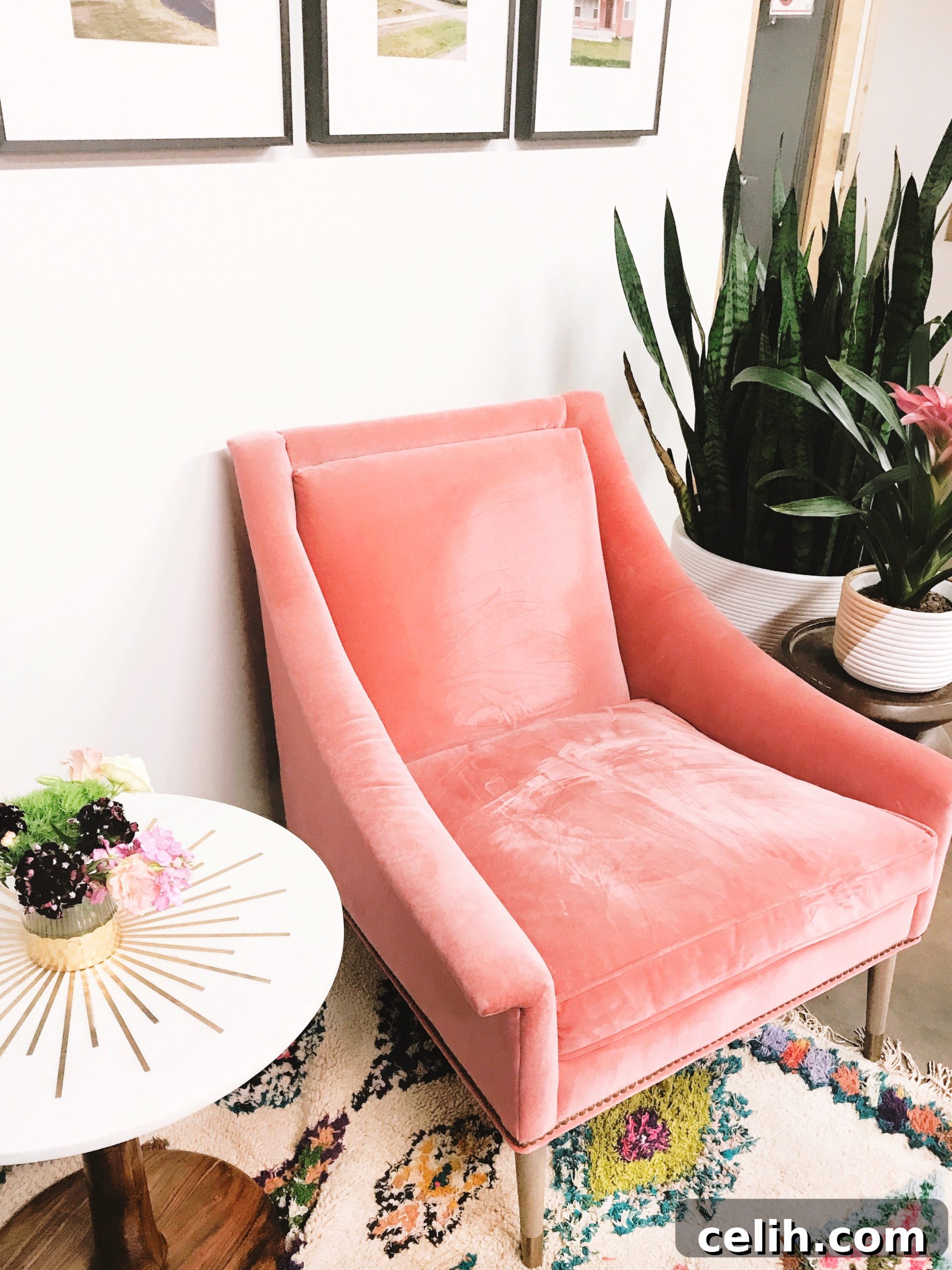
Far from being a delicate or fragile material, velvet is intrinsically designed for longevity and resilience, making it an excellent investment for furniture that will stand the test of time. Its unique construction features a flat, dense pile – akin to a tightly woven rug – which significantly contributes to its hard-wearing nature. This dense composition helps velvet maintain its integrity and beautiful appearance for many years, even in high-traffic areas of your home.
One of velvet’s most captivating characteristics is its ability to interact with light. The way its fibers catch and reflect illumination gives velvet fabrics a remarkable depth of color and a unique sheen that plain woven fabrics simply cannot replicate. This dynamic interplay of light and shadow adds an unparalleled richness and sophistication to any piece of velvet furniture, making colors appear more vibrant and nuanced.
Moreover, the absence of a raised weave or loose threads makes velvet surprisingly resistant to snags and pulls. Unlike many other upholstery fabrics that can easily unravel or catch on sharp objects, velvet’s smooth, uniform surface is less prone to such damage. This characteristic also makes it a remarkably pet-friendly option. Pet hairs and dirt tend to sit on the surface of the dense pile, rather than embedding themselves deep within the fibers, allowing for easier brushing or vacuuming, thus keeping your velvet furniture looking pristine.
The Unmatched Versatility of Velvet in Home Decor
As an upholstery material, velvet truly shines in its versatility, adapting seamlessly to a vast array of interior design styles and applications. Whether you’re looking to furnish a grand living room or a cozy reading nook, velvet can transform any space. It can elegantly upholster both compact pieces, such as decorative footstools and accent chairs, and larger items like expansive sofas and luxurious headboards. Beyond primary furniture, velvet is also ideal for creating cohesive and complementary accessories, including plush cushions, elegant throws, and sophisticated curtains, bringing a unified and opulent feel to your decor.
Velvet inherently possesses a luxurious feel, instantly elevating the aesthetic of a room. Its rich texture and visual depth can impart a sophisticated, grown-up ambiance, making spaces feel more refined and chic. Yet, its inherent softness ensures it is equally at home in more relaxed and inviting environments. In a cozy den or a comfortable bedroom, the tactile warmth of velvet can add a comforting and welcoming touch, making a room feel more intimate and inviting.
The contemporary market boasts an immense selection of velvet fabrics, offering an incredible diversity of designs, colors, and textures. From bold, vibrant hues and lively patterns that make a striking statement to understated, muted color palettes that blend seamlessly into minimalist designs, there’s a velvet for every taste. Reputable suppliers like Yorkshire Fabric Shop exemplify the vast range of modern velvet options available, ensuring you can find the perfect fabric to match your unique vision and interior aesthetic.
Effortless Maintenance for Lasting Velvet Beauty

Contrary to popular belief, maintaining velvet furniture is surprisingly straightforward, challenging the notion that it’s difficult to clean. For routine cleaning, a soft brush can be used to gently wipe the surface of your velvet furniture, removing dust and light debris. Alternatively, the hand-held attachment of a vacuum cleaner is highly effective for keeping velvet pieces clean and free from dirt and pet hair, ensuring their luxurious appearance is preserved with minimal effort.
As with most fabrics, the key to successful stain removal on velvet is immediate action. Addressing spills and marks as soon as they occur, rather than allowing them to dry and set, significantly increases your chances of a full and seamless clean. Any liquid, including water, can potentially leave a mark on velvet. Therefore, it’s crucial to blot the affected area gently with a clean, dry cloth immediately (avoiding rubbing, which can damage the pile). Once the liquid is absorbed, gently brush the pile in its natural direction to restore its original texture and appearance.
Over time, velvet upholstery may exhibit what is known as a “bruising effect,” where areas that have been frequently sat on appear flattened or slightly discolored. This is a normal characteristic of many velvet types. Fortunately, this effect can often be remedied by gently brushing the pile back into its normal state. A standard upholstery brush works well, but for optimal results, you might consider investing in a special velvet upholstery brush designed to fluff and restore the pile. For stubborn creases or to revitalize the fabric’s fibers, steaming can be an effective method. For the neatest finish, always ensure you brush the pile uniformly in the same direction across the entire surface of the furniture, which creates a smooth, consistent look.
Much like leather, some minor creases in velvet may resist complete removal, but these can often contribute to the unique, aged charm and character of a beloved piece of furniture over time. If you are particularly concerned about the bruising effect or potential marking, exploring synthetic velvets, especially those crafted from high-quality polyester, can be an excellent alternative. These modern velvets are engineered to be more resilient, less prone to bruising, and often offer enhanced stain resistance, making them ideal for busy households.
Understanding Different Types of Velvet
The world of velvet is rich and varied, with different compositions and finishes offering unique benefits and aesthetics. Understanding these types can help you make an informed decision when choosing velvet furniture:
- Cotton Velvet: Offers a matte finish and a soft, comfortable feel. It’s durable and a good choice for everyday use but can be prone to bruising.
- Silk Velvet: The epitome of luxury, silk velvet has an exquisite drape and a lustrous sheen. It’s incredibly soft but also delicate, expensive, and best suited for low-traffic, formal settings.
- Linen Velvet: Combines the strength of linen with the soft pile of velvet, often resulting in a more textured, casual look. It’s durable but may wrinkle more easily.
- Mohair Velvet: Made from the hair of Angora goats, mohair velvet is exceptionally durable, resistant to crushing, and has a natural sheen. It’s a fantastic choice for high-traffic areas and commercial use due to its resilience.
- Synthetic Velvet (Polyester, Nylon, Rayon Blends): Modern synthetic velvets are highly versatile and engineered for performance. They are often more durable, stain-resistant, fade-resistant, and less prone to bruising than natural fibers, making them ideal for families and homes with pets. They are also typically more budget-friendly.
- Crushed Velvet: Characterized by a “crushed” or rumpled appearance, which gives it a unique texture and reflective quality. This style is excellent for hiding imperfections and is often made from synthetic fibers for added durability.
- Embossed Velvet: Features patterns pressed into the pile using heat, creating a raised design that adds visual interest and a tactile dimension.
- Panne Velvet: A type of crushed velvet where the pile is pressed in one direction, creating a smooth, highly lustrous surface.
Choosing the Right Velvet for Your Lifestyle
When selecting velvet furniture, consider your household’s unique needs and lifestyle:
- High-Traffic Areas: For sofas and chairs in living rooms or family rooms that see daily use, prioritize durable options like synthetic velvet or mohair velvet. Their resilience against wear, tear, and crushing makes them a practical choice.
- Homes with Children and Pets: Stain-resistant synthetic velvets are a godsend for families. They are easier to clean and less likely to show the impact of everyday spills and pet antics. Look for performance velvets designed for busy environments.
- Sunlight Exposure: Velvet, especially natural fiber velvet, can fade when exposed to direct sunlight over prolonged periods. If your furniture will be near a window, consider synthetic velvets which are often more fade-resistant, or opt for a piece that can be positioned away from harsh direct light.
- Budget Considerations: Silk and mohair velvets are typically at the higher end of the price spectrum. Cotton velvets offer a mid-range option, while synthetic velvets provide an excellent balance of durability, style, and affordability.
- Desired Aesthetic: A classic cotton velvet offers a timeless, understated elegance. Silk velvet brings unparalleled glamour. Crushed or embossed velvets can add a bohemian or maximalist flair. Match the velvet type to the overall design vision for your room.
Styling Velvet Furniture in Your Home
Velvet furniture is a statement piece, and how you style it can dramatically impact the overall ambiance of a room:
- Color Play: Velvet intensifies color, so consider its impact. A rich jewel-toned velvet sofa can be the focal point of a room, while a soft pastel velvet chair can add a touch of subtle elegance. Use velvet’s ability to deepen color to your advantage.
- Mixing Textures: To create a dynamic and inviting space, combine velvet with other textures. Pair a velvet sofa with linen throw pillows, a rustic wooden coffee table, or metallic accents. The contrast will highlight velvet’s luxurious feel without overwhelming the space.
- Accent vs. Focal Point: Velvet can work as a bold focal point (e.g., a large velvet sectional) or as an elegant accent (e.g., velvet dining chairs, a velvet ottoman). Determine the role you want the velvet piece to play in your design scheme.
- Lighting: Because velvet interacts beautifully with light, strategically placed lighting can enhance its visual appeal. Uplighters or sconces that graze the fabric can highlight its texture and sheen, adding to the room’s warmth and sophistication.
- Room Style Harmony: Velvet can be incredibly versatile. In a traditional setting, a deep-buttoned velvet chesterfield evokes classic grandeur. For a modern aesthetic, a sleek, minimalist velvet sofa in a bold color works wonders. In an Art Deco-inspired space, geometric patterns or vibrant jewel tones in velvet can complete the look.
Summary: Velvet Furniture Pros and Cons
To summarize and help you decide whether velvet furniture, such as a luxurious velvet sofa or an elegant velvet chair, is the perfect choice for your home and lifestyle needs, let’s recap the key advantages and potential drawbacks.
Pros of Velvet Furniture
- Enhanced Aesthetics: Velvet fabric inherently elevates the look of furniture, lending an instant sense of opulence, sophistication, and high-end luxury to any room.
- Extensive Color Selection: Velvet upholstery fabrics are available in an incredibly wide spectrum of colors, from rich jewel tones to soft pastels and contemporary neutrals, making it easy to find a shade that perfectly complements your interior color palette.
- Exceptional Versatility: Velvet is a remarkably adaptable material, suitable for a multitude of applications. It can be used for upholstering various furniture pieces, from small footstools and accent chairs to grand sofas and chic headboards, and for crafting coordinating accessories like cushions and throws.
- Durable and Long-Lasting: Despite its soft appearance, velvet is a hard-wearing and durable fabric due to its dense pile construction, designed to withstand years of use, especially modern synthetic varieties.
- Easy to Clean and Maintain: Routine maintenance for velvet furniture is straightforward, typically requiring only a gentle brush to remove dust or the use of a hand-held vacuum cleaner to keep the fabric clean and free from debris.
- Adds Comfort and Coziness: The unique softness and warmth of velvet contribute significantly to a sense of coziness and comfort in a home, making spaces feel more inviting and welcoming.
- Pet-Friendly Qualities: The dense pile of velvet makes it less prone to snagging by pet claws, and pet hair often sits on the surface, making it easier to brush off compared to some woven fabrics.
Velvet Furniture Cons
- Prone to Bruising (Natural Velvets): Pure cotton or silk velvet fabrics can develop a “bruising” effect where the pile is flattened by pressure. If you dislike this change in appearance after the fabric has been sat on, certain natural velvets may not be the ideal choice for frequently used chairs or sofas.
- Dust Attraction: Velvet’s soft, textured surface can attract and hold dust more easily than some smoother fabrics, requiring more frequent dusting or vacuuming to maintain its pristine look.
- Potential for Pet Hair Accumulation: While resistant to snags, velvet can visibly accumulate pet hairs on its surface, particularly with shedding pets. This means regular cleaning is essential to keep the furniture looking tidy.
- Liquid Sensitivity and Staining: Velvet is highly absorbent, meaning any liquid spills are soaked up quickly and must be addressed immediately to prevent permanent staining. This characteristic makes it less practical for households with young children or those prone to frequent spills, unless a high-performance, stain-resistant synthetic velvet is chosen.
- Sunlight Fading Risk: Velvet fabrics, especially those made from natural fibers, can weaken and fade in color when exposed to prolonged direct sunlight. Therefore, positioning a velvet sofa or velvet chair directly in front of a window or in a sun-drenched area is not ideal for preserving its color and integrity over time.
Ultimately, the decision to incorporate velvet furniture into your home depends on balancing these pros and cons with your specific lifestyle, aesthetic preferences, and maintenance commitment. Are you a fan of velvet furniture? We invite you to share your views on velvet in the comments below.