
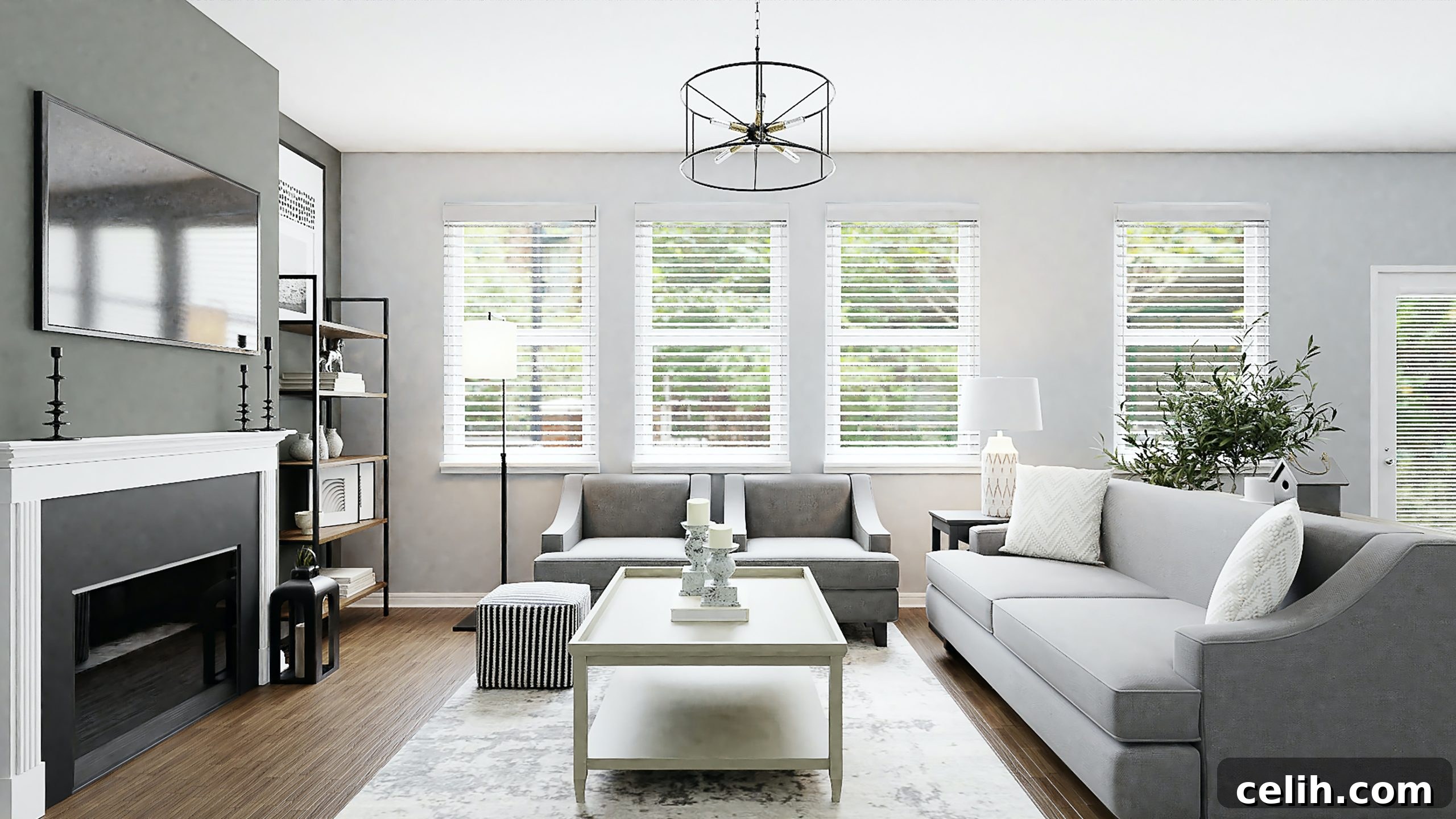
As our planet continues its undeniable warming trend, heat waves are becoming an increasingly prevalent and intense phenomenon across the globe. With temperatures frequently soaring to unprecedented, record-breaking levels, the imperative to keep our homes and ourselves cool, safe, and comfortable has never been more critical. While air conditioning offers immediate relief, its significant energy consumption contributes to both high utility bills and increased carbon emissions, exacerbating the very climate change we seek to mitigate.
Fortunately, embracing a more sustainable lifestyle doesn’t mean sacrificing comfort. There’s a wealth of ingenious and natural strategies available to maintain a cool indoor environment without relying heavily on energy-intensive air conditioning units. By adopting these eco-conscious methods, you not only stand to achieve substantial savings on your energy bills but also actively participate in the broader effort to reduce your carbon footprint and combat global warming.
This comprehensive guide delves into 6 brilliantly effective, nature-inspired techniques designed to help you keep your home refreshingly cool throughout the summer months, regardless of your geographical location or the severity of the heat. These practical tips are easy to implement, budget-friendly, and powerful tools in your arsenal against the relentless summer heat. Let’s explore how you can transform your home into a cool sanctuary.
1. Harness the Power of Your Blinds and Curtains to Block the Heat
One of the most straightforward yet impactful methods for combating scorching daytime temperatures is to strategically manage the sunlight entering your home. Solar heat gain through windows can significantly raise indoor temperatures, turning your living space into an oven. To prevent this, your first line of defense should be your window treatments.
During the peak heat of the day, make it a habit to keep all your blinds, shades, or curtains fully closed. Pay close attention to any gaps or holes where even a sliver of sunlight can penetrate, as every ray of sun carries heat energy. For maximum effectiveness, consider investing in dark, heavy, or blackout curtains. These materials are specifically designed to block out a higher percentage of sunlight and provide an additional layer of insulation, preventing heat from radiating inwards. White or light-colored blinds and curtains that face outwards can also be highly effective, as they reflect sunlight away from your home before it has a chance to enter.
Beyond window coverings, the integrity and design of your home’s exterior play a crucial role. For instance, your roof is a major point of heat absorption. Exploring better roofing alternatives, such as cool roofs with reflective coatings or lighter-colored materials, can make a significant difference in reducing the overall heat absorbed by your house. Companies like Gerry’s Roofing & Siding Inc can provide insights into how your choice of roofing material and insulation can dramatically impact your home’s internal temperature and energy efficiency.
This strategy is all about proactive heat exclusion. By preventing heat from entering in the first place, you reduce the workload on any cooling systems you might use, or simply make your home naturally cooler. When night falls and outdoor temperatures drop, that’s your cue to open up your curtains and windows. This allows cooler night air to circulate freely throughout your home, facilitating natural cross-ventilation and expelling any residual warm air that accumulated during the day. This simple, two-pronged approach ensures you’re actively managing your home’s thermal environment around the clock.
2. Embrace Breathable Bedding Materials for Cooler Sleep
The quality of your sleep can dramatically decline during hot summer nights if your bedding works against you. Switching to breathable, lightweight bedding materials is a simple yet profoundly effective change that can significantly improve your comfort and the coolness of your bedroom. Unlike synthetic fabrics that trap heat and moisture, natural fibers allow for better air circulation and wick away sweat, helping your body regulate its temperature more effectively.
During the warmer seasons, opt for bedding made from materials like 100% cotton, linen, or bamboo. Cotton, particularly percale weave, is renowned for its crisp, cool feel and excellent breathability. Linen, derived from the flax plant, is another exceptional choice; it’s naturally thermoregulating, highly absorbent, and gets softer with every wash. Bamboo and Tencel (lyocell) are also fantastic options, prized for their silky-smooth texture, moisture-wicking properties, and sustainable origins.
Beyond the fabric type, consider the weave and color. Lighter-colored bedding reflects more light and heat, contributing to a cooler aesthetic and feel. A loose weave will also enhance airflow. Crucially, it’s advisable to ditch heavy comforters, duvets, and thick blankets during the summer. These are designed for insulation and will only trap heat, leading to uncomfortable overheating. Instead, switch to a lightweight cotton sheet, a thin quilt, or even no blanket at all if you find yourself excessively warm. The goal is to minimize layers and maximize air exposure to your skin, facilitating natural cooling through evaporation. This small but significant adjustment can transform your sleeping experience, helping you drift into a more restful and uninterrupted slumber, even when the mercury rises.
3. Minimize Heat Generation: Unplug Electronics and Appliances
While often overlooked, the myriad of electronics and appliances in our homes are constant sources of heat, even when in standby mode. This cumulative heat generation can noticeably elevate your indoor temperature, especially during summer. Making a conscious effort to manage these heat producers can make a substantial difference in maintaining a cool home environment. It’s not just about saving energy; it’s about actively preventing unnecessary heat from radiating into your living spaces.
The simplest and most effective strategy is to turn off or unplug any electronics and appliances that are not actively in use. Items like televisions, gaming consoles, chargers, and desktop computers continue to draw “vampire power” and emit heat even when seemingly off. Consider using smart power strips that cut power to devices when they’re not in use, or simply get into the habit of unplugging them from the wall outlet.
Furthermore, be particularly mindful of high heat-generating devices. Appliances such as ovens, stovetops, dishwashers, and clothes dryers release significant amounts of heat and steam into your home, quickly making the kitchen and surrounding areas uncomfortably warm. During hot days, try to avoid using these appliances during peak heat hours. If you must use them, consider doing so in the early morning or late evening when ambient temperatures are lower, or ensure excellent ventilation by opening windows and using exhaust fans. Smaller personal care devices like hair dryers and curling irons also generate considerable heat; consider air-drying your hair or using them in a well-ventilated bathroom with the door closed.
For those with desktop computers, switching to a laptop can also offer a cooling advantage. Laptops are generally designed for greater energy efficiency and tend to generate less heat than their desktop counterparts. By being more mindful of your electronic usage and making these small adjustments, you’ll not only contribute to a cooler home but also reduce your overall energy consumption and utility bills. This simple practice empowers you to take control of internal heat sources, complementing your efforts to block external heat.
4. Engineer Your Own Efficient Makeshift Cooling System
While a conventional air conditioner offers powerful cooling, you can achieve remarkable results with strategically deployed fans and a little ingenuity. Fans work by creating airflow, which helps cool the body through evaporation and by replacing warm, stagnant air with cooler air. The trick is to optimize their placement and usage to maximize their cooling potential, rather than just circulating existing warm air.
The Ice Fan Hack
One of the easiest and most effective makeshift AC methods involves a fan and a bowl of ice. Place a large bowl or shallow pan filled with ice (or even frozen water bottles) directly in front of a running fan. As the ice melts, the fan will blow across the surface of the cold water, picking up the chilled air and circulating a refreshing, cool mist throughout your room. This simple setup can significantly lower the ambient temperature, making a noticeable difference on particularly sweltering days. The larger the surface area of the ice/water, the more evaporative cooling will occur, enhancing the effect.
Strategic Fan Positioning: Mastering Airflow
Beyond the ice trick, how you position your fans is paramount to achieving optimal cooling. Simply pointing a fan directly at yourself will provide localized relief but won’t effectively cool the entire room. The goal is to create an efficient airflow that expels warm air and draws in cooler air.
The most effective strategy often involves using fans to facilitate cross-ventilation, especially during cooler evening hours. Instead of blowing air *into* a room, consider using a fan to *exhaust* warm air out. Position a box fan or pedestal fan facing out of an open window in the room you wish to cool. This setup will actively push hot, stagnant air out of your home. To enhance this effect and create a powerful cooling draft, introduce a second fan. Place this second fan in an open window on the opposite side of your house, or in a room you’re not occupying, facing *inward*. This creates a low-pressure system: one fan pushes hot air out, while the other draws in cooler outside air, effectively creating a powerful, refreshing breeze that replaces warm indoor air with fresh, cooler outdoor air. This method is particularly potent during evenings and nights when outdoor temperatures are typically lower.
Optimizing Ceiling Fan Performance
If you have ceiling fans, ensure they are spinning in the correct direction for summer. For cooling, your ceiling fan should rotate counter-clockwise. This rotation pushes air downwards, creating a cooling downdraft that generates a wind-chill effect on your skin, making you feel cooler even if the room temperature itself doesn’t significantly drop. Most ceiling fans have a small switch on the motor housing that allows you to change the direction of rotation. Always consult your fan’s manual for specific instructions.
By understanding these principles of airflow and evaporative cooling, you can transform ordinary fans into highly effective cooling tools, significantly enhancing your home’s comfort without the energy demands of an air conditioner.
5. Embrace Personal and Environmental Natural Cooling Methods
Beyond cooling your home’s air, several natural methods focus on cooling your body directly or creating a microclimate of coolness around you. These techniques are especially valuable during the most intense heat and can offer immediate relief. As highlighted in articles like “7 Ways to Keep Cool This Summer,” integrating these practices into your daily routine can make a significant difference.
Evaporative Cooling with Water
One effective method is to create a cool mist. Place a wet towel or sheet over an open window or drape it over a standing fan (ensure it doesn’t obstruct the fan’s motor or cause a hazard). As the air passes through the damp fabric, the water evaporates, drawing heat from the air and creating a noticeably cooler, humid breeze. This not only lowers the room temperature but also helps reduce your body temperature through a similar evaporative effect.
Another powerful trick is to cool your body’s pulse points. Run cold tap water over your wrists, dab a cold compress on your neck, or soak your feet in a basin of cool water. These areas, where blood vessels are close to the surface of the skin, allow the cool water to quickly lower your core body temperature. Doing this before bed can be particularly effective in preparing your body for a pleasant, cool sleep.
The Refreshing Power of Cold Showers
Perhaps the most obvious and universally embraced natural cooling method is taking a cold shower or bath. This isn’t just a temporary fix; it’s a rapid and effective way to lower your core body temperature. Many individuals in hotter climates incorporate multiple cold showers into their daily routine to stay comfortable throughout the day. A cold shower just before bedtime is particularly beneficial, as it helps to bring down your body’s internal temperature to an optimal level for sleep, facilitating faster and more restful slumber, free from the discomfort of overheating.
Stay Hydrated: Your Internal Cooling System
Beyond external cooling, internal hydration is absolutely critical. Staying adequately hydrated throughout the day is essential for your body’s natural temperature regulation, especially when you’re exposed to the sun or engaged in physical activity. Drink plenty of water, even if you don’t feel thirsty, as thirst is often a sign of existing dehydration. Keep a glass of water by your bedside at night; if you wake up feeling hot, a cool sip can provide immediate relief and help you settle back to sleep. Electrolyte-rich beverages (without excessive sugar) can also be beneficial, particularly after sweating. Avoid sugary drinks and excessive caffeine or alcohol, as these can contribute to dehydration.
Lastly, consider your clothing choices. Opt for loose-fitting, light-colored clothing made from natural, breathable fabrics like cotton or linen. These materials allow air to circulate and help wick away sweat, promoting evaporative cooling and preventing heat buildup against your skin.
6. Move Your Kitchen Outdoors: Embrace Grilling and Outdoor Cooking
This tip might seem obvious, but its impact on indoor temperatures is often underestimated: using your indoor stove or oven during a heat wave is a surefire way to turn your home into an even hotter, more uncomfortable space. The radiant heat emitted by cooking appliances, coupled with the rising steam from boiling water or baking, can quickly elevate the ambient temperature of your kitchen and adjacent rooms. If your home already feels like a sauna, the last thing you want is to intentionally add more heat.
This is where the magic of outdoor cooking comes into play. Summer is the perfect season to dust off your grill and relocate your culinary adventures to your backyard or patio. Not only does grilling eliminate the heat generated indoors, but it also offers a fantastic opportunity to enjoy the fresh air, sunshine, and a gentle breeze, making cooking a much more pleasant experience. It transforms a mundane chore into an enjoyable part of your summer lifestyle.
The versatility of grilling is virtually endless, allowing for a vast array of delicious and healthy meals. From succulent roast beef and perfectly seared chicken to flavorful grilled pizzas, vibrant vegetable skewers, and marinated kebabs, your outdoor cooking possibilities are only limited by your imagination. Grilling retains the natural flavors of food, often requiring less oil, making it a healthier option too. Plus, it’s an excellent excuse to host impromptu gatherings or create a fun backyard experience for your family and friends. Consider preparing ingredients indoors during cooler parts of the day, then simply taking them outside for the actual cooking process.
Embracing outdoor grilling is a brilliant and enjoyable hack that directly prevents internal heat buildup. So, seize the opportunity to get outside, experiment with new recipes, and revel in the joys of alfresco dining. Your cooler home and delighted taste buds will thank you.
Final Thoughts: Staying Cool and Sustainable in a Warming World
As we navigate an era where rising global temperatures and more frequent, intense heat waves are becoming the norm, proactively ensuring your comfort and safety is no longer a luxury but a necessity. The strategies outlined above offer practical, eco-friendly, and cost-effective ways to keep your home and body refreshingly cool without relying on energy-guzzling air conditioning units.
From harnessing the reflective power of curtains and optimizing fan placement to choosing breathable bedding and embracing outdoor cooking, each tip contributes to a cooler, more sustainable living environment. These methods not only enhance your personal well-being during scorching summer months but also empower you to play an active role in reducing your carbon footprint and mitigating climate change.
Experiment with these hacks and discover which combinations work best for your home and lifestyle. Share these valuable tips with your friends and family, fostering a community that prioritizes comfort, health, and environmental responsibility. We also invite you to share your own ingenious tricks for staying cool in the relentless heat – because every shared solution brings us closer to a more comfortable and sustainable future. Stay cool, stay safe, and enjoy the summer!
Featured image credit: Photo by Spacejoy on Unsplash