
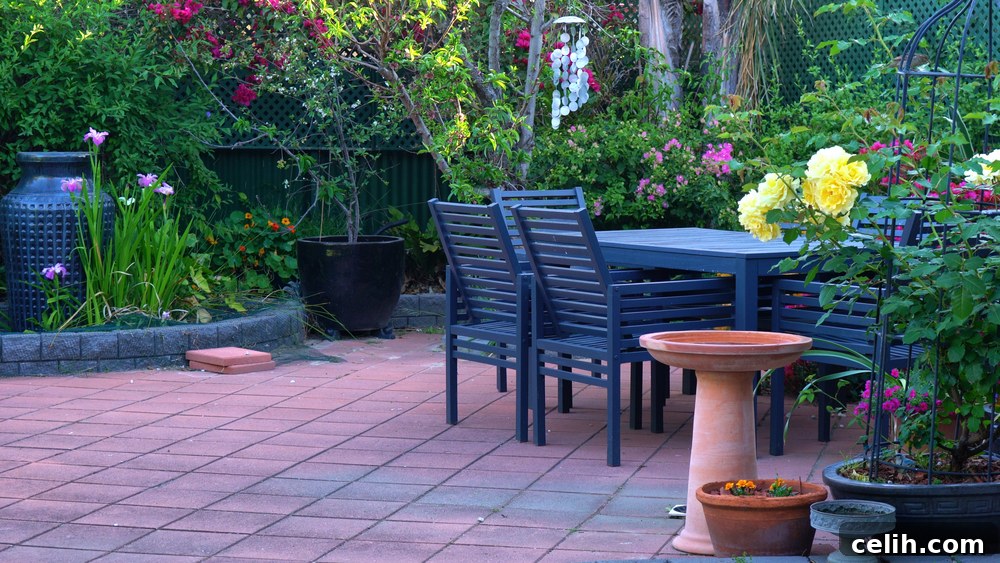
Let’s face it – investing time, energy, and resources into your garden or backyard means you envision a space that remains beautiful, functional, and inviting for years to come, not one that shows signs of wear and tear after just a few seasons. If you’re reading this, chances are you’re contemplating a garden redesign or an outdoor upgrade, and a critical question lingers: Will this outdoor haven still feel fresh and vibrant five, ten, or even fifteen years down the line? Or will it succumb to cracks, fading, and become frustrating to maintain and use? This is a perfectly valid and essential consideration, one we should all address before embarking on any significant outdoor project.
The reality is, many outdoor spaces begin with great promise. They are often stylish, perfectly on-trend, and undeniably “Instagram-worthy” from the moment they’re completed. However, fast-forward a couple of seasons, and the initial charm can start to unravel. Perhaps the chosen materials weren’t as resilient to local weather conditions as anticipated. Maybe the initial layout, perfect for a young couple, no longer suits a bustling family life with active teenagers. Or perhaps the entire aesthetic simply feels outdated or impractical. These issues often arise not because the initial design was inherently “wrong,” but because it lacked foresight and wasn’t conceptualized with the future in mind.
To cultivate an outdoor space that consistently delights and serves its purpose for decades, it’s crucial to shift your design philosophy. Stop designing solely for “right now” and start planning for the long haul. This involves moving beyond fleeting trends and quick cosmetic fixes, and instead focusing on creating spaces that possess the inherent ability to adapt, evolve, and endure, regardless of what life’s changes or the unpredictable elements throw their way. By embracing a forward-thinking approach, you can create a truly resilient and timeless outdoor environment.
Think About Long-Term Functionality Before You Start Your Design
Before you even begin sketching or browsing material samples, take a significant step back and deeply consider how you envision using your outdoor space – not just in the present moment, but throughout the various stages of your life. While your current desires might revolve around hosting summer barbecues or enjoying a peaceful spot for your morning coffee, it’s vital to anticipate how those needs and preferences might evolve over time. Life is dynamic, and your outdoor living area should be designed to accommodate these inevitable shifts gracefully.
For instance, that quiet lawn perfect for reading might soon need to become a vibrant play area for growing children, suitable for soccer games, impromptu fetch sessions with a pet, or simply providing ample space for imaginative play. As your social circle expands, you might desire a larger, more defined area for entertaining, transforming your backyard into the ultimate venue for lively parties or large family gatherings. Furthermore, looking further ahead, accessibility might become a critical factor. Planning for smoother pathways, gentler slopes, or even raised garden beds that are easier to maintain can prevent costly and disruptive renovations when mobility becomes a consideration in later years. The key here is to embrace a design philosophy rooted in flexibility and adaptability.
Resist the temptation to commit to a rigid, highly specialized layout that might quickly become limiting or regrettable within a year or two. Instead, opt for open-ended zones that can be easily repurposed or reconfigured over time. Incorporating elements like movable outdoor furniture allows you to instantly transform a lounging area into a dining space or an intimate seating arrangement. Modular decking systems offer the potential to expand or alter your deck’s footprint without a complete overhaul. Even a thoughtfully designed pergola can be adapted for different uses – perhaps initially providing shade, then later outfitted with retractable screens for privacy or integrated heating for year-round comfort. Such versatile components grant you the freedom to evolve the space seamlessly as your lifestyle demands.
An outdoor area that demonstrates this inherent capacity to grow and change alongside you and your family is far more likely to remain a cherished, useful, and enjoyable part of your home for many years, significantly increasing its long-term value and satisfaction.
Choose Materials and Features That Age Gracefully and Endure
While aesthetics are undoubtedly important, selecting materials based solely on their initial appearance can be a costly mistake. It’s crucial to remember that the materials you choose will directly dictate the amount of time, money, and effort you’ll need to invest in ongoing maintenance and upkeep. By making informed choices about durable materials from the outset, you can significantly reduce the need for frequent repairs, replacements, and intensive care, ensuring your outdoor space remains pristine with minimal fuss.
1. Hardscape Materials That Withstand the Elements
- Natural Stone: A timeless and highly durable option for patios, pathways, and retaining walls. Varieties like bluestone, flagstone, and granite are renowned for their strength and aesthetic appeal. While they may require proper sealing to prevent staining and moss growth, their natural beauty and ability to withstand heavy foot traffic and various weather conditions make them an excellent long-term investment. They often develop a beautiful patina over time, adding character rather than deterioration.
- Concrete: Extremely versatile and cost-effective, concrete is experiencing a resurgence in popularity. Whether poured as a solid slab or used in paver form, modern finishes and techniques allow concrete to transcend its traditionally plain, industrial image. Stamped concrete can mimic the look of natural stone or brick, while stained or colored concrete offers a vast palette of design possibilities. Its inherent durability makes it an excellent choice for high-traffic areas, and with proper installation and sealing, it can last for decades.
- Composite Decking: For those considering a deck, composite decking is a superior alternative to traditional wood, especially in regions with harsh weather. Engineered from a blend of wood fibers and recycled plastics, it’s specifically designed to resist common issues like warping, splintering, rotting, and insect damage. Unlike wood, it won’t fade as easily under direct sun and requires no staining, sanding, or painting – only occasional cleaning. While the initial investment for composite decking is typically higher than for pressure-treated wood, the long-term savings in maintenance time and costs are substantial, making it a wise choice for a truly low-maintenance deck that retains its beauty.
- Brick Pavers: Offering a classic, charming aesthetic, brick pavers are another durable hardscape option. They are excellent for creating permeable surfaces, allowing water to drain naturally, and are highly resistant to cracking. They are also relatively easy to repair by replacing individual bricks if damage occurs.
For patios, decks, and paths, the overarching principle is durability. Natural stone, for example, is a classic choice, prized for its inherent beauty, incredible strength, and remarkable ability to endure significant wear and tear without showing signs of fatigue. While it benefits from proper sealing to prevent potential staining, it undeniably stands as a long-term winner in terms of resilience and aesthetic value. Another excellent option is concrete, whether implemented as poured slabs or individual pavers. It offers incredible versatility, is often more budget-friendly than natural stone, and with advancements in modern finishes, it can be styled to look far beyond a plain, industrial surface. In fact, concrete has re-emerged as a stylish and sought-after material, adding a contemporary edge to any outdoor design. If you’re considering a deck addition, composite decking deserves serious consideration. Unlike traditional wood, it’s specifically engineered to resist warping, splintering, and fading, making it exceptionally durable and low-maintenance. This is particularly advantageous in areas exposed to intense direct sunlight or frequent heavy rains. While composite decking represents a higher initial investment compared to pressure-treated wood, it eliminates years of sanding, staining, and extensive repairs, and it offers superior stain resistance. When making such a significant structural investment, I highly recommend consulting with a local deck builder. They possess invaluable knowledge regarding the best materials and construction techniques for your specific climate and can provide comprehensive information and potentially build the entire structure for you at a competitive price.
2. Built-In Features Worth Investing In
- Built-In Seating: Incorporating permanent benches or seating walls into your design creates a sense of permanence and definition. Made from materials like stone, concrete, or treated timber, these features are incredibly durable, space-efficient, and seamlessly integrate into the overall landscape. They also eliminate the need for storing or replacing bulky furniture.
- Outdoor Kitchens: A well-designed outdoor kitchen can truly transform your backyard into an extension of your home. Investing in high-quality components and weather-resistant materials for cabinets (stainless steel, marine-grade polymer) and countertops (granite, concrete, soapstone) ensures longevity and functionality. Planning for necessary utilities (gas, water, electricity) during the initial design phase is crucial for seamless integration and future usability.
- Fire Pits: A fire pit serves as a natural gathering point and extends the usability of your outdoor space into cooler evenings. Whether a wood-burning or gas-fueled option, choosing robust materials like stone, concrete, or durable metal ensures it remains a safe and attractive focal point for many years. Proper placement away from flammable structures and adequate ventilation are also critical for safety and longevity.
- Pergolas and Gazebos: These structures provide essential shade, define outdoor “rooms,” and add architectural interest. Opt for sturdy, weather-resistant materials such as treated timber, powder-coated aluminum, or vinyl. Consider pergolas with adjustable louvered roofs or retractable canopies for maximum flexibility in sun and shade control, adapting to different times of day or seasons.
When it comes to permanent fixtures, cutting corners is a strategy that almost never pays off in the long run. Features like built-in seating, elaborate outdoor kitchens, inviting fire pits, and elegant pergolas have the potential to elevate your backyard into a true extension of your indoor living space – but only if they are constructed with quality and durability in mind. Prioritize sturdy, weather-resistant materials such as powder-coated steel, pressure-treated or naturally durable timber, or robust masonry. It’s imperative to integrate these significant features early into your overall design plan. Attempting to retrofit a pergola or an entire outdoor kitchen after the main landscaping is complete will not only prove significantly more expensive but will also likely result in a less cohesive design that doesn’t seamlessly blend with the existing layout.
3. Plants and Landscaping for Lasting Beauty
- Perennials and Native Species: These are your allies for a low-maintenance landscape. Perennials return year after year, eliminating the need for annual replanting, while native plants are perfectly adapted to your local climate and soil conditions. This means they naturally require less water, fewer fertilizers and pesticides, and significantly less hands-on care, promoting a healthier ecosystem.
- Slow-Growing Trees and Shrubs: For structural elements and long-term impact, opt for slow-growing trees and shrubs. While they take longer to reach maturity, they require less frequent pruning and maintenance. Consider their mature size and root systems to avoid future conflicts with structures or underground utilities.
- Drought-Tolerant Plants: In an era of increasing water consciousness, incorporating drought-tolerant plants or xeriscaping principles can dramatically reduce your water consumption and maintenance efforts, especially in drier climates.
- Strategic Placement: Place plants according to their light, water, and soil needs to ensure their health and longevity. Grouping plants with similar requirements (hydrozoning) can further optimize water usage.
- Integrated Irrigation Systems: While not a plant choice, installing an efficient irrigation system (like drip irrigation for beds or smart sprinklers for lawns) can automate watering, ensuring plants receive adequate moisture without constant manual effort. This is particularly beneficial during hot spells and dry seasons, keeping your landscape vibrant.
A truly enduring outdoor space also features plant life that doesn’t necessitate constant replacement or intensive care. Perennials, native plant species, and slow-growing trees should be your go-to choices for establishing a truly low-maintenance, yet stunning, landscape. These types of plants are inherently adapted to your local climate and soil conditions. This natural compatibility means they typically require less water, fewer chemical interventions (like fertilizers and pesticides), and significantly less hands-on attention compared to non-native or high-maintenance varieties. To further minimize your gardening efforts, consider integrating an automated irrigation system. Whether it’s a drip system for garden beds or smart sprinklers for lawns, this technology can take a substantial amount of the work out of keeping your plants thriving, especially during periods of intense heat and prolonged dry spells.
Over the years, you will undoubtedly appreciate these thoughtful planting choices. Your landscape will mature beautifully, feeling natural, established, and effortlessly integrated into its surroundings, rather than presenting itself as a continuous cycle of replanting and intensive labor every spring.
Conclusion: An Investment in Your Future Self
Ultimately, when you choose to invest in your outdoor space, you’re not merely preparing for the enjoyment of the next summer season; you’re making a profound commitment to the long-term quality of your home and lifestyle. Five, ten, or even twenty years from now, you should be able to step outside, breathe deeply, and still feel an immense sense of pride and satisfaction in the beautiful, resilient environment you’ve created. The ideal scenario is to find yourself quietly appreciating your surroundings, perhaps even muttering, “Yep… still looking just as good as the day it was finished.”
The true secret to achieving this lasting outdoor appeal isn’t found in endless scrolling through Pinterest boards for ephemeral trends or impulsively purchasing the latest garden gadget. It lies squarely in thoughtful, strategic planning and a commitment to quality. Begin by selecting durable, weather-hardy materials that are designed to stand the test of time and the rigors of your local climate. Design your space with adaptable zones that can effortlessly evolve and grow with your changing lifestyle and needs. And when it comes to the more significant, structural elements of your outdoor design – such as intricate landscaping, sophisticated lighting installations, or custom-built features like pergolas and outdoor kitchens – do not hesitate to enlist the expertise of seasoned professionals. Their insights, craftsmanship, and experience are invaluable in ensuring these investments are made correctly and will deliver lasting value. Your future self, and every cherished garden party or quiet morning coffee yet to come, will undoubtedly thank you for this foresight and meticulous planning.