
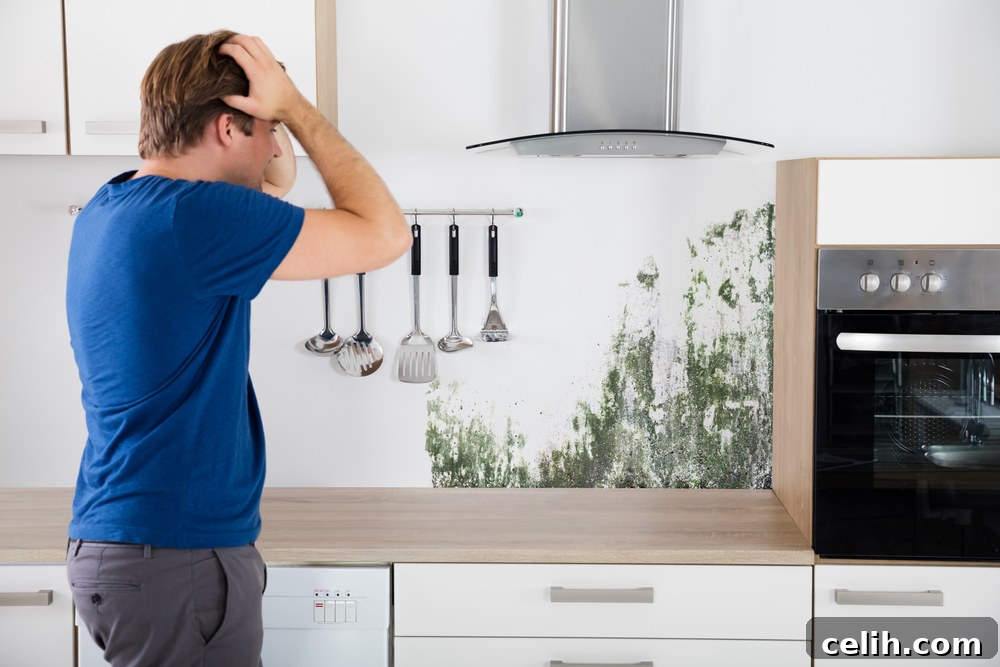
Families across the globe are navigating an unprecedented cost of living crisis, a complex challenge intensified by soaring inflation rates, a relentless rise in interest rates, and spiralling energy costs. This economic squeeze forces hardworking householders to make difficult decisions about where to cut back on monthly expenditures, often confronting the stark choice between maintaining comfort and preventing a descent into the black hole of debt.
Among the most significant areas where families are compelled to economize is home heating. In the UK, for example, electricity and gas bills have witnessed astronomical increases. While governmental interventions have offered temporary relief, average monthly energy bills remain substantially higher than just a year ago. Coupled with rocketing petrol prices and increased grocery costs, virtually every household is undertaking a meticulous review of all areas of their expenditure, searching for viable savings.
The decision to keep the heating switched off, or significantly reduced, often appears to be a logical first step in this belt-tightening exercise. However, what initially seems like a prudent financial choice can inadvertently pave the way for a host of unforeseen and potentially far more expensive problems, impacting both the structural integrity of a home and the well-being of its occupants.
The Hidden Costs: Structural Damage Leading to Expensive Repairs
The repercussions of an underheated home extend far beyond merely tolerating a colder environment. A home that is consistently cold or subject to drastic temperature fluctuations becomes susceptible to a cascade of issues, primarily dampness and mould growth, which can cause significant damage to the building’s fabric and structure. The long-term financial implications of repairing such damage often far outweigh the perceived short-term savings on energy bills.
Understanding the specific ways in which an unheated home can deteriorate is crucial for any homeowner. Here’s an outline of the most common and damaging consequences:
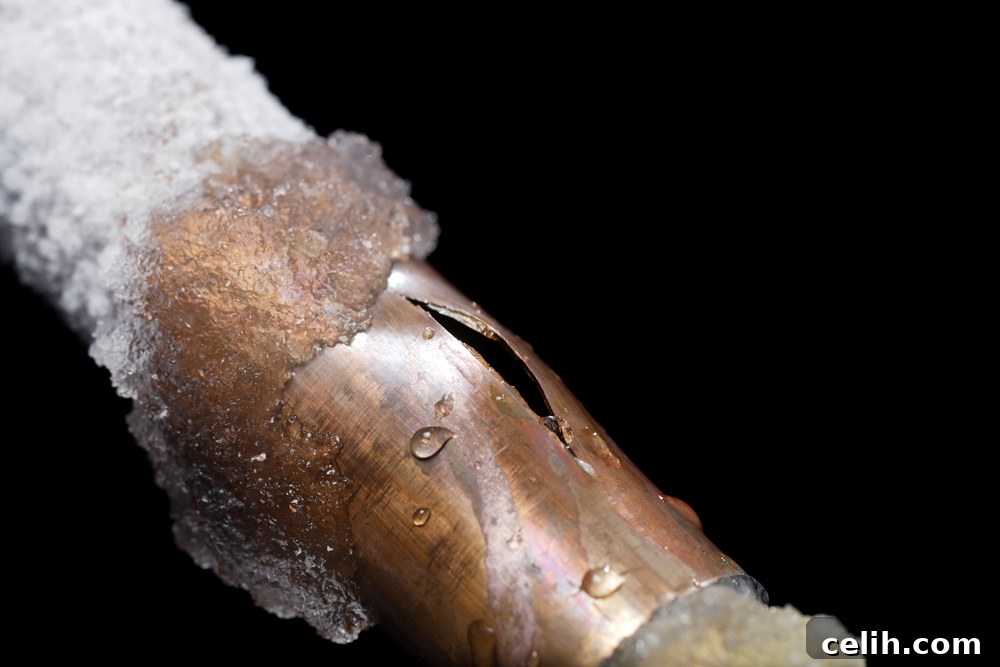
- Frozen and Burst Water Pipes: When temperatures drop below freezing, water inside pipes can freeze and expand. This expansion exerts immense pressure on the pipe walls, leading to cracks, splits, or even complete rupture. These bursts often occur in less insulated areas like lofts, basements, or pipes running along external walls. A burst pipe can release hundreds of gallons of water, causing extensive damage to ceilings, walls, flooring, insulation, and electrical systems. The cost of plumbing repairs, drying out the property, and restoring damaged interiors can run into thousands of pounds, often requiring professional services and potentially leading to weeks of disruption.
- Increased Condensation and Dampness: Without consistent heating, the internal surfaces of a home (walls, windows, floors) become significantly colder. When warm, moist air (from cooking, showering, breathing) comes into contact with these cold surfaces, it cools rapidly, reaches its dew point, and condenses into liquid water. This constant moisture accumulation saturates surfaces, creating ideal conditions for dampness. Over time, this dampness can lead to peeling paint and wallpaper, warped wooden fixtures, plaster degradation, and even structural timber rot, compromising the building’s integrity.
- Mould Growth: Dampness is the precursor to mould. Microscopic mould spores are naturally present in the air, but they require moisture to germinate and grow. Cold, damp environments provide the perfect breeding ground. Mould can spread rapidly across walls, ceilings, carpets, and furniture, not only causing unsightly stains and musty odours but also actively degrading materials like plasterboard, wood, and textiles. Removing established mould infestations can be complex and may require specialist cleaning, painting, and sometimes even replacing affected materials.
- Damage to Hardwood Floors and Joinery: Materials like hardwood floors and timber joinery are highly sensitive to changes in temperature and humidity. In an unheated home, they will absorb moisture from the damp air, causing them to expand. When the home is occasionally heated, or conditions dry, they contract. This continuous cycle of expansion and contraction can lead to gapping, warping, cupping (where the edges of the board are higher than the centre), or crowning (where the centre is higher than the edges). Such damage not only looks poor but can also weaken the floor’s structure and necessitate costly repairs or even complete replacement.
- Compromised Building Structure: Prolonged exposure to cold and damp conditions can weaken the overall structural integrity of a house. Masonry can suffer from freeze-thaw cycles if water penetrates cracks and freezes, expanding and causing spalling. Foundations can be affected if moisture levels are consistently high around them. The integrity of insulation within walls and attics can be compromised by dampness, reducing its effectiveness and leading to even greater heat loss.
The most damaging aspect to the structure of the house is often not a single, catastrophic event, but the insidious, long-term impact of constant temperature and humidity fluctuations. These extremes cause materials to react in ways they are not designed for, leading to cumulative damage that can be expensive and disruptive to rectify, potentially diminishing the property’s value.
Critical Risks: Detrimental to Your Family’s Health
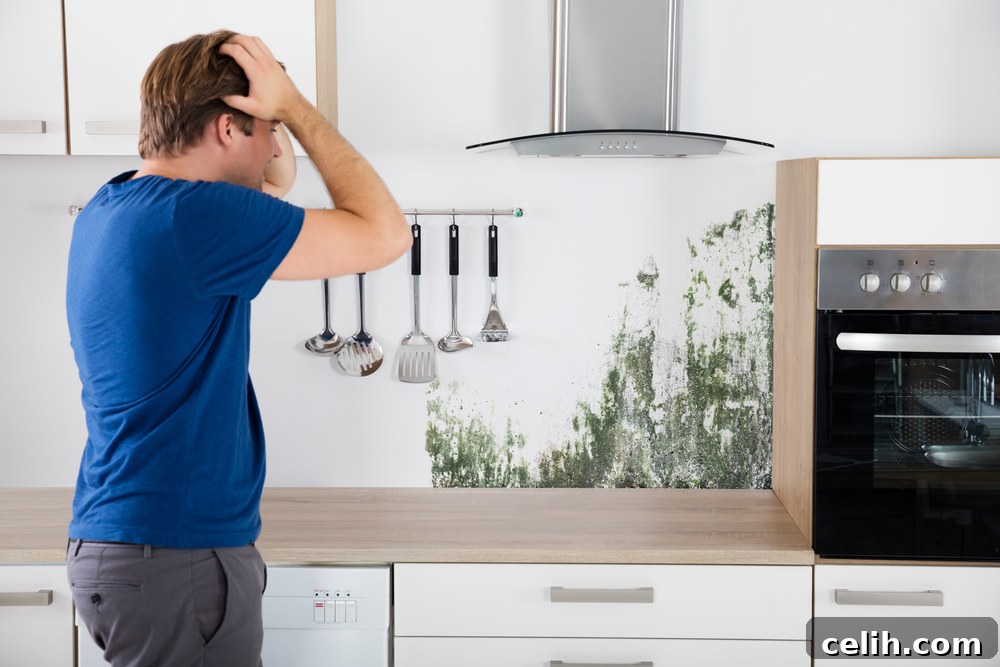
Beyond the structural integrity of your home, the health and well-being of its occupants are perhaps the most critical considerations. While the immediate risk of hypothermia can be dangerous, especially for infants, the elderly, and individuals with pre-existing health conditions, it is the chronic exposure to dampness and mould that poses the most significant long-term health hazards.
Research consistently shows that individuals living in damp environments are significantly more likely to suffer from a range of respiratory conditions. Studies suggest they are twice as likely to succumb to issues such as chronic bronchitis, persistent breathing difficulties, exacerbated asthma symptoms, and recurring chest pains. This increased vulnerability stems primarily from the poor indoor air quality characteristic of damp homes.
The core of the issue with dampness is not merely the “wetness” itself, but the proliferation of microscopic bacteria, fungi (mould), and dust mites that thrive in moist conditions. These organisms release spores, allergens, and microbial volatile organic compounds (MVOCs) into the air, which are then inhaled by the home’s inhabitants. For individuals with existing sensitivities or respiratory conditions, this contaminated air acts as a constant irritant and trigger.
The health impacts are varied and often debilitating:
- Respiratory Ailments: Mould spores are a potent allergen and irritant. Exposure can trigger allergic reactions, leading to symptoms like sneezing, runny nose, red eyes, and skin rash. For asthma sufferers, mould can trigger severe attacks. Prolonged exposure has been linked to the development of new-onset asthma in children and adults, as well as chronic bronchitis and other persistent respiratory infections.
- Skin Conditions: For those already prone to skin conditions like eczema, the contaminated, damp air can significantly exacerbate their symptoms. Mould spores and dust mites can irritate sensitive skin, leading to increased itching, inflammation, and flare-ups.
- Systemic Symptoms: Beyond respiratory and skin issues, residents in damp, mouldy homes often report a range of other distressing symptoms. These can include persistent headaches, fatigue, memory problems, muscle aches, fever and vomiting, eye irritation, blocked noses, and persistent wheezing and coughing, indicative of a weakened immune system struggling to cope with the unhealthy environment.
- Mental Health Impact: Living in a constantly cold, damp, and unhealthy home also takes a significant toll on mental well-being. The stress of dealing with health problems, unsightly mould, structural damage, and the constant financial worry can lead to increased anxiety, depression, poor sleep quality, and a reduced overall quality of life. The environment can feel oppressive and unwelcoming, impacting comfort and psychological health.
Fortunately, proactive measures can mitigate many of these risks. Treatments such as silicone rendering for your home can provide an effective barrier against penetrating damp, helping to keep walls dry and reduce the likelihood of internal dampness. However, addressing internal condensation and poor air quality requires a more holistic approach.
To safeguard both your family’s physical health and your long-term financial wellbeing, it is crucial to understand that maintaining a constant internal temperature throughout the colder months is paramount, even if that temperature is slightly lower than what you might typically prefer. The consistency and constancy of heating are far more important than intermittent blasts of high heat followed by long periods of cold. Extreme fluctuations in temperature and humidity create the perfect conditions for condensation and mould growth, causing more damage than a steady, albeit cooler, internal environment. Aim for a minimum temperature of around 18-21°C (64-70°F) in living areas and 16-18°C (61-64°F) in bedrooms to effectively manage moisture and prevent freezing.
Alongside maintaining a consistent temperature, proper ventilation is critical. Regularly opening windows for short periods, especially after showering or cooking, can help to expel moist air. Using extractor fans in kitchens and bathrooms is also highly effective. Avoid drying laundry indoors directly on radiators, as this releases significant moisture into the air. If you must dry clothes indoors, ensure adequate ventilation.
Practical steps within the home can also make a significant difference. Ensure all family members are dressed in layers; several thin layers trap warm air more effectively than one thick garment. Utilize extra blankets on beds and hot water bottles to stay snug at night. Draught-proof windows and doors with simple seals to prevent heat loss, and consider insulating your loft and walls if you haven’t already, as this provides long-term energy savings and a warmer home.
Finally, it’s essential to explore any available government support. Many countries offer various schemes designed to help households with energy costs or to improve home energy efficiency. Make sure to check what government grants, energy bill relief schemes, or warm home discounts you could be eligible for to alleviate financial pressure and allow you to heat your home safely and effectively.
In conclusion, while the impulse to cut heating costs during an economic crisis is understandable, it’s vital to consider the full spectrum of consequences. The apparent short-term savings can quickly be dwarfed by substantial repair costs due to structural damage and the far more critical long-term health impacts on your family. Prioritizing consistent, albeit moderate, heating, combined with good ventilation and insulation, is an investment in both your home’s longevity and your family’s health, ultimately proving to be the more financially sound and responsible approach.