
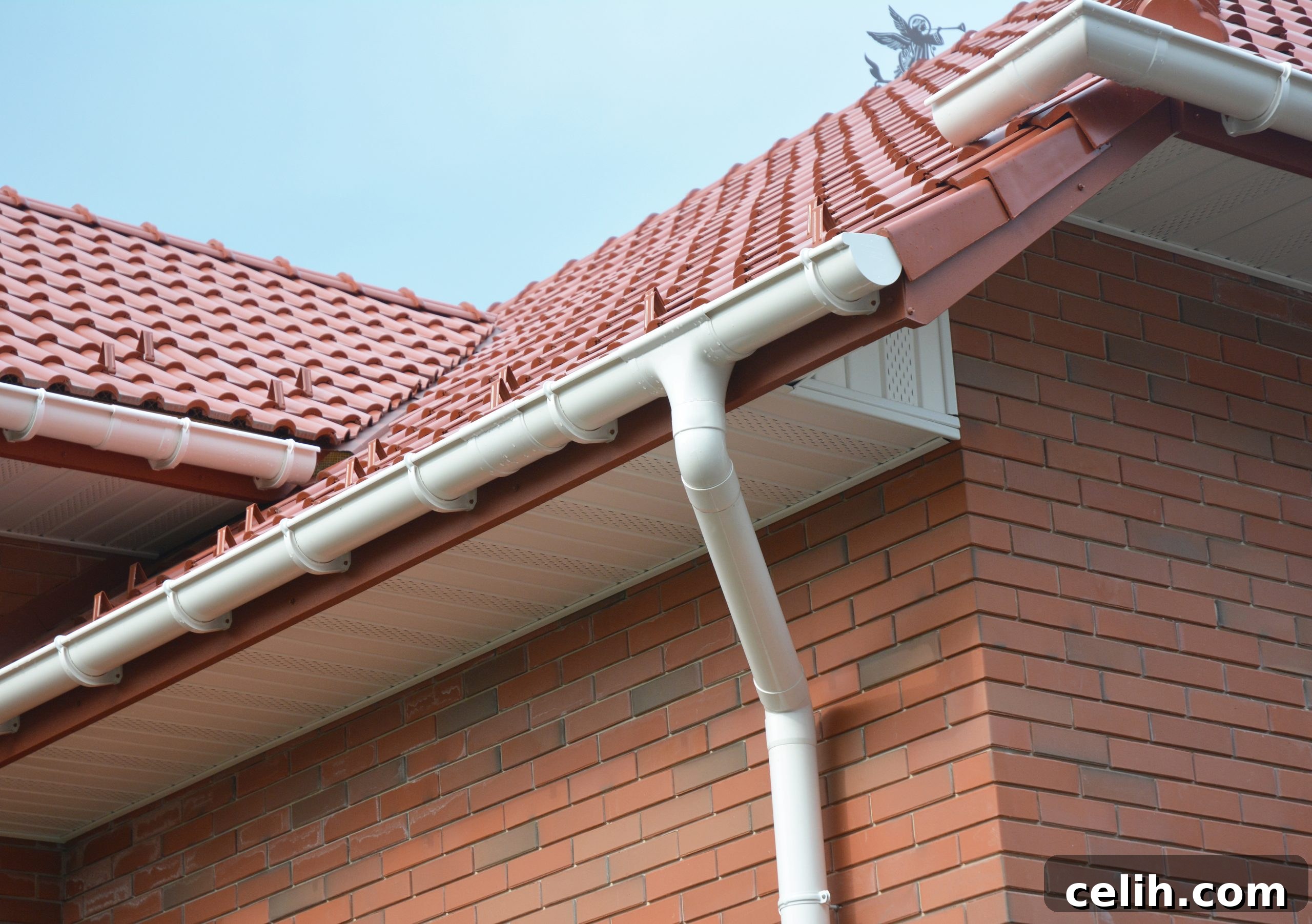
Your roof is one of the most critical components of your home, acting as the primary shield against the elements and safeguarding your most valuable asset. Mastering effective roof maintenance and care tips is not just about protecting an investment; it’s about ensuring the structural integrity, safety, and long-term value of your entire property. Regular, proactive maintenance is crucial to shield your roof from harsh weather, prevent debilitating water damage, and tackle other related problems that could compromise your home’s performance and comfort. Neglecting your roof can lead to expensive repairs, diminished curb appeal, and even structural failure over time.
By adopting a consistent maintenance routine, you can significantly extend your roof’s lifespan, avoid unforeseen and costly repairs, and maintain a safe, dry, and comfortable living environment for your family. This comprehensive guide will delve into key maintenance practices, offering actionable advice to keep your roof in prime condition for decades to come.
Prioritize Regular Gutter Cleaning
Clean and functional gutters are absolutely essential for directing rainwater and melted snow away from your roof and home foundation. They are designed to facilitate a seamless flow of water from the roof’s edge to a designated drainage system or collection area on the ground. When gutters become clogged with leaves, twigs, dirt, and other debris, they cease to function correctly, leading to a cascade of potential problems.
A blockage causes water to accumulate and back up, creating standing pools that can exert significant pressure on the roof’s edge, fascia, and soffit. This stagnant water can seep under shingles, leading to rot in the underlying roof decking and fascia boards, and eventually causing costly leaks inside your home. Furthermore, overflowing gutters can saturate the ground directly around your home’s foundation. Over time, this excess moisture can compromise the foundation, leading to cracks, settlement issues, and even basement flooding, all of which are incredibly expensive to repair.
The frequency of gutter cleaning largely depends on your home’s surroundings. If your property is surrounded by trees, especially deciduous ones, you may need to clean your gutters more frequently, perhaps quarterly or even more often during peak shedding seasons. For homes with fewer trees, an annual or semi-annual cleaning might suffice. A good rule of thumb is to inspect your gutters after every major storm or at least twice a year – once in late spring after tree pollen has settled and once in late fall after all leaves have dropped. Consider installing gutter guards as a preventative measure to reduce debris accumulation, though they still require occasional checks to ensure optimal performance. While some homeowners opt for DIY gutter cleaning with proper safety equipment, hiring a professional for professional roof cleaning and gutter services ensures a thorough job and identifies any other potential roof issues simultaneously.
Inspect and Repair Your Flashing Diligently
Flashing refers to thin strips of waterproof material, typically metal (aluminum, steel, copper), installed at vulnerable points on your roof to prevent water penetration. Without secure and intact flashing, your roof is highly susceptible to leaks, particularly at joints, seams, and areas where the roof meets other structures such as chimneys, skylights, vent pipes, and wall junctions. These are prime locations for water infiltration because shingles alone cannot provide a watertight seal in these complex areas.
Regular inspection of your roof’s flashing is paramount to catching potential problems before they escalate into significant leaks. It is recommended to inspect all flashing points at least once a year, ideally during a routine roof inspection. Additionally, it’s crucial to check your flashing after any severe weather event, such as heavy rain, strong winds, or hail, as these can dislodge or damage the material. When inspecting, look for any visible signs of cracking, curling, lifting, rust, corrosion, or missing pieces. Pay close attention to the sealant around the edges of the flashing; if it appears dried, cracked, or deteriorated, it needs immediate attention.
Damaged flashing can lead to serious consequences, including extensive water damage to your attic, ceilings, interior walls, and even promote dangerous mold and mildew growth within your home’s structure. Regardless of the type or extent of damage found, it is imperative to address flashing repairs immediately. Even a small crack or loose piece of flashing can allow water to penetrate, creating a much larger and more expensive problem over time. While minor sealant repairs might be a DIY task for some, significant flashing damage, replacement, or installation should always be handled by experienced roofing professionals. Their expertise ensures the flashing is installed correctly and provides an impenetrable seal, safeguarding your home against future water intrusion.
Trim Overhanging Branches Regularly
Overhanging tree branches, if left unmanaged for extended periods, can pose a significant threat to the longevity and integrity of your roof. One of the most common issues is direct abrasion: during windy conditions, branches can repeatedly rub against your roof’s surface, particularly your shingles. This constant friction gradually wears away the protective granules from asphalt shingles, exposing the underlying fiberglass mat to harsh UV rays and precipitation. This accelerates shingle deterioration and significantly reduces their lifespan. Beyond mere abrasion, falling leaves, twigs, and other tree debris can accumulate on your roof, especially in valleys and behind chimneys, creating moisture traps. These damp areas become breeding grounds for moss, algae, and mildew, which can further degrade shingles and even cause rot.
Furthermore, overhanging branches provide easy access for pests like squirrels, raccoons, and birds to your roof and, subsequently, your attic. These animals can chew through fascia boards, soffits, and even wiring, leading to costly damage and potential fire hazards. In worse scenarios, heavy storms, strong winds, or ice accumulation can cause larger branches or even entire trees to break and fall onto your roof, resulting in catastrophic structural damage that requires extensive and expensive repairs.
To mitigate these risks, it’s crucial to maintain a safe clearance between tree branches and your roof. A general recommendation is to keep branches at least 10 feet away from the roof edges and any part of the roof surface. This safe distance prevents branches from swaying onto your roof during windy conditions and reduces the accumulation of debris. Regular tree pruning should be incorporated into your annual home maintenance schedule. While small, accessible branches can be trimmed by a DIY enthusiast with appropriate safety gear, larger branches, those close to power lines, or entire tree removals should always be entrusted to a professional arborist. Their expertise ensures the job is done safely and correctly, protecting both your roof and your personal safety.
Know When to Hire a Professional Roofer
While some aspects of roof maintenance, such as basic visual inspections from the ground or clearing minor gutter blockages, can be safely undertaken by homeowners, many tasks require the specialized skills, tools, and safety equipment of an experienced professional roofer. Understanding your capabilities and limitations is key to making the right decision between a DIY approach and professional intervention. Attempting complex repairs or working on a steep roof without proper training can lead to serious injury or further damage to your roof, ultimately costing more in the long run.
Professional roofers bring a wealth of benefits to the table. They possess in-depth knowledge of various roofing materials, construction techniques, and local building codes. Their expertise allows them to accurately diagnose problems that might be invisible to the untrained eye, such as subtle flashing failures, hidden leaks, or early signs of structural compromise. Professionals also have access to specialized tools and safety gear, ensuring the job is done efficiently and safely. Moreover, reputable roofing companies are licensed and insured, providing peace of mind that you are protected against any accidents or unforeseen issues during the repair or maintenance process. They often offer warranties on their work, adding an extra layer of security for your investment.
You should always consider hiring a professional for tasks such as comprehensive annual roof inspections, identifying the source of persistent leaks, repairing or replacing damaged shingles, addressing flashing failures, dealing with moss or algae infestations, and any work involving significant heights or complex roof geometries. If you suspect structural damage, notice widespread shingle deterioration, or are unsure about the best course of action for a particular problem, consulting with a qualified roofer is always the wisest choice. When selecting a professional, always request multiple quotes, check their references, verify their licensing and insurance, and ensure they provide a detailed scope of work. Making an informed decision about professional help ensures your roof receives the best possible care, protecting your home for years to come.
Beyond the Basics: Additional Roof Care Considerations
Maintaining a robust roof goes beyond just gutters, flashing, and tree trimming. A holistic approach to roof care involves several other critical practices that contribute significantly to its longevity and performance. Regular visual inspections are fundamental. From the ground, regularly scan your roof for any missing, cracked, curling, or blistered shingles. Pay attention to areas around chimneys and vents for signs of wear. Early detection of minor shingle damage can prevent small issues from escalating into major leaks, saving you considerable repair costs down the line.
Another common issue in damp climates is the growth of moss, algae, or lichen. While often unsightly, these growths can also trap moisture against your shingles, leading to premature deterioration, granule loss, and even rot in the underlying decking. Gentle cleaning methods, often involving specialized roof cleaners or a soft brush, are recommended. Avoid high-pressure washing, which can damage shingles. For persistent issues, consider professional treatment or the installation of zinc or copper strips along the ridge, which inhibit growth over time.
Finally, proper attic ventilation plays an unsung but crucial role in roof health. A well-ventilated attic helps regulate temperature and moisture levels, preventing heat buildup in summer that can prematurely age shingles and ice dam formation in winter. It also prevents condensation inside the attic, which can lead to mold, mildew, and rot in wooden components. Ensure your attic vents (soffit, ridge, gable, or static) are clear and unobstructed to promote healthy airflow. If you suspect ventilation issues, consult a professional to assess your system and recommend improvements.
By diligently adhering to these comprehensive roof maintenance and care tips, you are not merely performing chores; you are actively investing in the longevity, safety, and value of your home. Proactive maintenance is the most cost-effective strategy to avoid expensive emergency repairs and ensure your roof continues to provide reliable protection for decades to come. Regardless of the extent of damage sustained or if you are ever unsure about how to approach any particular roof problem, always prioritize your safety and the integrity of your home by consulting with a reliable, reputable professional roofer for expert assessment and effective repair solutions. A well-maintained roof is a testament to a well-cared-for home.