
Unlocking Timeless Style: Investing in Iconic Design Furniture and Discovering Rare Finds
There’s an undeniable thrill in discovering a piece of iconic design furniture – a chair, a lamp, or a table – that instantly elevates a space, adding character, history, and a touch of sophisticated artistry. While the allure of new trends comes and goes, truly classic designs stand the test of time, proving to be not just functional objects but genuine investments. The prospect of acquiring such pieces at a reduced price, perhaps during a seasonal sale or through a savvy vintage find, makes the journey even more exciting. It’s an opportunity not just to decorate, but to curate a home filled with pieces that tell a story, embody design philosophy, and offer enduring aesthetic pleasure.
For those with a discerning eye and a passion for mid-century modernism and contemporary classics, seasonal sales or unique retail opportunities often present themselves. Imagine snagging a revered design piece, an item you’ve long admired, at a significant discount. These moments are more than just shopping trips; they’re strategic moves for elevating your living environment. While specific sales like the one previously mentioned from The Lollipop Shoppe (which featured discounts up to 60% off a range of classic home and interior items, including the Panton Chair and Egg Chair) might be historic, the underlying principle remains ever-relevant: always be on the lookout for sales, ex-display models, or vintage finds that allow you to bring design legends into your home without breaking the bank. The smart shopper understands that quality design is an investment, and finding it at a competitive price is the ultimate win.
The Panton Chair: A Revolution in Form and Function
Verner Panton’s Vision: Redefining Seating
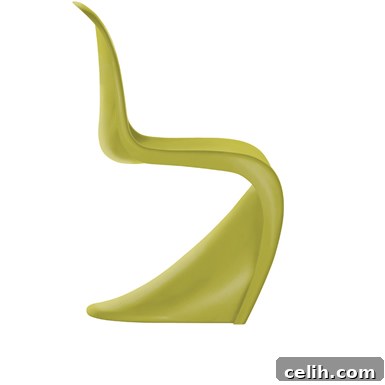
Among the pantheon of design classics, few pieces are as instantly recognizable and revolutionary as the Panton Chair. Conceived by the Danish master Verner Panton in the early 1960s and brought to fruition by Vitra in 1967, it shattered conventional notions of chair design. Before its arrival, chairs were typically assemblies of separate components – legs, seats, backs. Panton envisioned a chair made from a single, continuous piece, fluid and sculptural, challenging the very manufacturing processes of its era. This audacious concept resulted in the world’s first single-form, injection-moulded plastic cantilever chair, a design marvel that remains a symbol of innovation and futuristic aesthetics.
Aesthetic and Ergonomic Excellence
The Panton Chair’s iconic S-shape is more than just visually striking; it’s a testament to Panton’s deep understanding of human ergonomics. The gentle curves cradle the body, offering surprising comfort despite its minimalist form. Its stackable nature adds to its practicality, making it suitable for a variety of settings, from modern dining rooms and stylish offices to vibrant public spaces and chic outdoor patios. Available in a spectrum of vibrant colors, the chair brings a playful yet sophisticated energy to any interior, embodying Panton’s philosophy that furniture should be stimulating and fun.
The Journey from Concept to Icon
The development of the Panton Chair was a long and challenging process, spanning nearly a decade. Panton’s relentless pursuit of his vision, combined with Vitra’s manufacturing expertise, eventually led to its successful mass production. Early versions were made from fiberglass-reinforced polyester, but Panton continually sought to use thermoplastic materials for greater affordability and smoother finishes. Today, the Panton Chair is typically produced from robust polypropylene, ensuring its durability and accessibility while retaining its iconic silhouette and comfort. Its enduring presence in museums, design collections, and contemporary homes worldwide solidifies its status as an undisputed masterpiece of 20th-century design. As highlighted in a related post on its design classic status, the Panton chair truly stands out.
Discovering a Panton Chair at a reduced price, perhaps an ex-display model like the one once offered at half price, is a rare find. These opportunities provide a gateway to owning a piece of design history that continues to inspire and provoke conversation. When considering such a purchase, always ensure authenticity and check the condition meticulously, as even minor imperfections can be a negotiation point for a piece that will grace your home for decades.
The Egg Chair by Arne Jacobsen: A Sanctuary of Danish Modernism
Arne Jacobsen’s Architectural Masterpiece
Parallel to Panton’s groundbreaking work, another Danish design giant, Arne Jacobsen, was creating his own timeless icons. Among his most celebrated creations is the Egg Chair, designed in 1958 specifically for the lobby and reception areas of the Radisson SAS Royal Hotel in Copenhagen, which Jacobsen also designed. The chair was an integral part of his total design concept for the hotel, demonstrating his holistic approach to architecture and interior furnishing. The Egg Chair, along with its equally famous sibling, the Swan Chair, allowed guests a degree of privacy in an otherwise public space, providing a secluded “room within a room” experience.
Sculptural Comfort and Unmistakable Elegance
The distinctive organic shape of the Egg Chair was revolutionary, crafted through a unique process of sculpting foam over an inner fiberglass shell. This allowed Jacobsen to achieve its characteristic curved form, offering exceptional comfort and a sense of embrace to the sitter. Upholstered typically in leather or fabric, and perched atop a star-shaped aluminum base, the chair is a triumph of both aesthetics and ergonomics. Its swivel function further enhances its versatility, allowing the user to engage with their surroundings or retreat into their personal cocoon.
A Symbol of Luxury and Sophistication
The Egg Chair quickly transcended its original architectural context to become a global symbol of sophisticated living, Danish modernism, and luxury. Each chair is a testament to skilled craftsmanship, with every stitch and curve meticulously executed. Owning an Egg Chair is not merely about having a piece of furniture; it’s about possessing a functional sculpture, an art piece that provides unparalleled comfort and makes a profound statement about taste and appreciation for enduring design. Its presence commands attention, acting as a focal point in any high-end living room, executive office, or luxurious lounge. Much like the iconic Amoebe Highback Lounge Chair, it offers a distinctive and private seating experience.
Like the Panton Chair, securing an authentic Egg Chair, perhaps one with a significant discount like the 40% off deal once available, is an exceptional opportunity. These chairs are investments that retain their value and often appreciate over time, making them far more than fleeting purchases. For those contemplating investing in a favorite design piece of furniture or lighting, monitoring reputable sales channels and dedicated design retailers is always a wise strategy.
The Enduring Allure: Why Invest in Design Classics?
The decision to invest in iconic design furniture extends far beyond immediate gratification. It’s a deliberate choice to enrich one’s living space with items that offer lasting value, both tangible and intangible.
- Timeless Aesthetic Appeal: Unlike transient trends, design classics possess an inherent beauty and balance that defies passing fads. Their forms, materials, and proportions are meticulously conceived, ensuring they remain relevant and captivating for generations. A Panton Chair or an Egg Chair from decades ago looks as fresh and contemporary today as it did upon its inception.
- Exceptional Craftsmanship and Durability: Authentic design classics are built to last. They are products of superior materials and meticulous craftsmanship, often handmade or produced with stringent quality controls that ensure longevity. This durability means they withstand the test of time and use, offering a much longer lifespan than mass-produced, disposable furniture.
- Investment Value: Many iconic pieces, especially those by renowned designers and produced by reputable manufacturers, tend to retain or even increase in value over time. They are often considered collectors’ items, appreciated by enthusiasts and investors alike. This makes them a more sustainable and financially sensible choice compared to furniture that quickly depreciates.
- Sustainability: Investing in durable, high-quality furniture is inherently sustainable. It reduces the cycle of consumption and waste associated with fast furniture, promoting a more conscious approach to home furnishing. Choosing a classic is an eco-friendly statement, valuing longevity over disposability.
- Emotional Connection and Storytelling: Each classic design carries a rich history, a story of its creation, its designer’s vision, and its impact on the design world. Owning such a piece allows you to connect with this legacy, bringing a deeper sense of meaning and character to your home. These are not just objects; they are conversational pieces, cultural artifacts.
- Versatility and Adaptability: Despite their strong individual identities, many design classics are surprisingly versatile. Their clean lines and thoughtful forms allow them to seamlessly integrate into various interior styles, from minimalist and industrial to eclectic and traditional, creating harmonious yet dynamic spaces.
Smart Strategies for Acquiring Iconic Furniture
If you’ve been debating investing in a favorite design piece of furniture or lighting, then patience combined with proactive searching is key. Here’s how to strategically approach acquiring these coveted items:
- Monitor Authorized Retailer Sales: Reputable retailers that carry authentic licensed designs often hold seasonal sales events (like end-of-year clearances, spring sales, or anniversary promotions). Subscribe to their newsletters to be notified of upcoming discounts.
- Explore Ex-Display and Floor Models: Showrooms frequently rotate their displays, offering ex-display models at reduced prices. These pieces are typically in excellent condition, having seen minimal use, and represent significant savings. Always inspect them thoroughly before purchase.
- Delve into the Second-Hand Market: The vintage and used furniture market is a treasure trove for design classics. Auction houses, high-end consignment stores, online marketplaces specializing in design, and dedicated vintage furniture dealers are excellent sources. Be diligent about verifying authenticity through designer marks, production labels, and seller reputation.
- Attend Design Auctions: For rarer or highly sought-after pieces, design auctions can be an exciting avenue. While competitive, they can sometimes yield unexpected bargains or offer the only way to acquire certain collectible items.
- Consult with Design Experts: If unsure about authenticity or value, don’t hesitate to seek advice from interior designers, antique dealers, or design history experts. Their knowledge can be invaluable in making an informed purchase.
- Prioritize Condition and Authenticity: Always prioritize the condition of the piece and its authenticity. A significantly damaged piece, even if a classic, might require costly restoration. Counterfeits, while cheaper, lack the quality, history, and investment value of genuine items.
Beyond Chairs: Exploring the Breadth of Iconic Design
While the Panton Chair and Egg Chair are phenomenal examples, the world of design classics is vast and rich. Many other mid-century modern and contemporary pieces also embody the principles of enduring style and functional excellence. Consider:
- The Eames Lounge Chair and Ottoman: A timeless symbol of comfort and sophistication from Charles and Ray Eames.
- The Barcelona Chair by Mies van der Rohe: An icon of modernism, designed for the German Pavilion at the 1929 International Exposition.
- The Noguchi Coffee Table: Isamu Noguchi’s sculptural and organic coffee table that blurs the lines between furniture and art.
- The Saarinen Tulip Table and Chairs: Eero Saarinen’s elegant pedestal designs, aimed at eliminating the “slum of legs” in dining spaces.
- Lighting Fixtures: Designs like Poul Henningsen’s PH Artichoke Lamp or Achille Castiglioni’s Arco Floor Lamp are sculptural elements that also provide exquisite illumination.
Each of these pieces, like the Panton Chair and Egg Chair, represents a significant moment in design history and offers a compelling reason to invest in quality over quantity, fostering a home environment that is both beautiful and meaningful.
Embrace the Journey: Curating Your Home with Design Legacy
Ultimately, the pursuit of design classics is a journey of discovery and appreciation. It’s about recognizing the profound impact that thoughtful design has on our daily lives and choosing to surround ourselves with objects that resonate with beauty, innovation, and durability. Whether you’re eyeing a revolutionary Panton Chair, a luxurious Arne Jacobsen Egg Chair, or another masterpiece of modern furniture, the current market offers numerous avenues to make these dreams a reality. By remaining vigilant for sales, exploring ex-display options, and carefully navigating the authentic second-hand market, you can bring these timeless treasures into your home. Each acquisition is not just a purchase; it’s an investment in style, comfort, and a legacy of design that will continue to inspire for years to come. Start your exploration today, and transform your living space into a gallery of iconic design.