
Unlocking Winter Beauty: The Timeless Allure of Forcing Hyacinth Bulbs in Elegant Vases
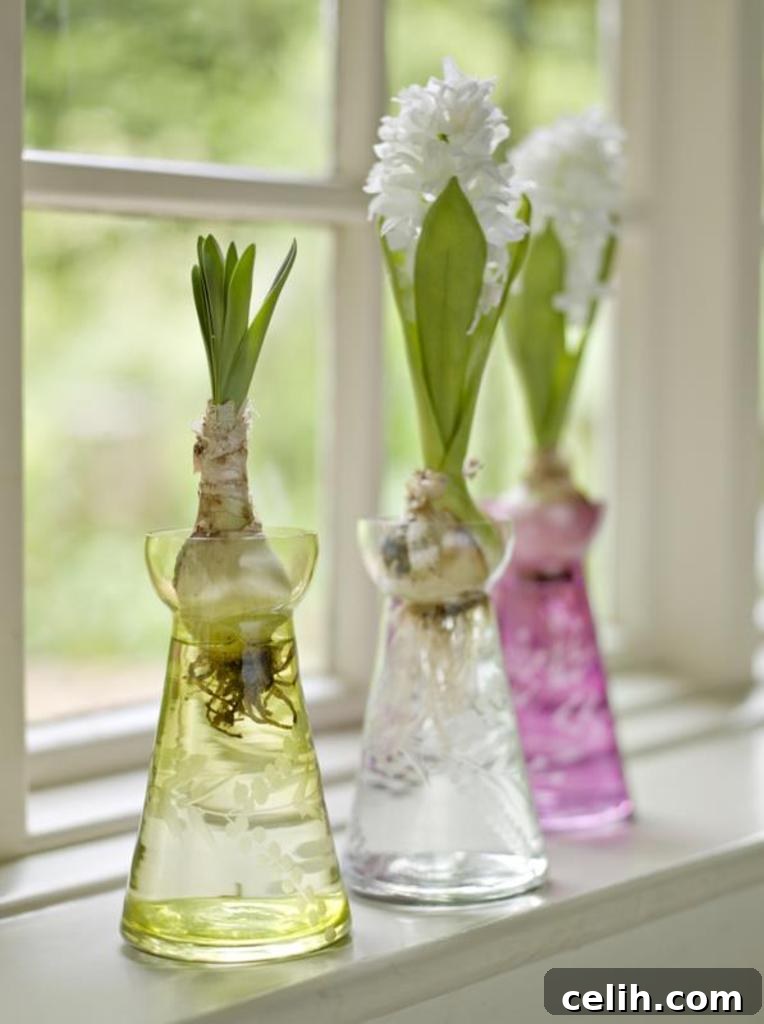
As the days grow shorter and the chill of winter sets in, many long for a touch of spring’s vibrant life and intoxicating fragrance indoors. Enter the hyacinth – a bulbous perennial celebrated for its striking clusters of bell-shaped flowers and exceptionally sweet perfume. While hyacinths typically grace our gardens in spring, there’s a centuries-old, enchanting tradition that allows us to enjoy their beauty much earlier: forcing hyacinth bulbs indoors. This method, often referred to as the “old-fashioned way,” relies on a simple yet ingenious tool: the hyacinth vase. Beyond merely providing a vessel for growth, these elegant glass vases transform the act of cultivating a flower into a captivating display, allowing you to witness the miracle of nature unfold right before your eyes, from root to bloom.
The Art of Forcing Hyacinths: A Glimpse into a Beloved Tradition
Forcing hyacinths involves tricking the bulb into believing it has experienced a full winter, thereby stimulating it to bloom ahead of its natural schedule. This process, popular since the 17th century, allows enthusiasts to enjoy these fragrant blossoms during the colder months, bringing a much-needed splash of color and an exquisite scent to any indoor space. The beauty of this method lies not only in the resulting bloom but also in the fascinating journey of growth, which is made entirely visible when utilizing a specialized hyacinth vase. This traditional approach to indoor gardening offers a unique connection to nature, even when the outdoor world is dormant and grey.
Unlike planting in soil, forcing hyacinths in water requires a specific type of container. This is where the hyacinth vase truly shines. Designed with a unique shape, these vases feature a broad base for water and a constricted neck or cup at the top. This clever design ensures that the bulb rests securely above the water level, preventing rot, while its roots descend gracefully into the water below. It’s a method that combines horticultural practicality with aesthetic elegance, turning a simple bulb into a living work of art that captures the essence of spring within your home.
Understanding the Hyacinth Vase: Design and Functionality
At first glance, a hyacinth vase might appear to be just another decorative glass object. However, its design is meticulously crafted for the specific purpose of forcing hyacinth bulbs. The bulb sits snugly in the rounded part at the top, perfectly cradled so that only its base touches the water. This critical separation prevents the bulb itself from becoming waterlogged and rotting, a common pitfall in other forcing methods. Below this, the vase tapers into a wider reservoir, providing ample space for the roots to grow long and strong, drawing sustenance directly from the water. Watching these delicate white roots extend downwards, anchoring the bulb and sustaining its future bloom, adds an incredible dimension to the gardening experience.
These vases are typically made of clear glass, a deliberate choice that enhances the visual appeal of the entire process. You get a front-row seat to the development of the root system, a typically unseen marvel of plant growth. This transparency makes hyacinth vases not just functional tools, but also captivating decorative elements that add an educational and aesthetically pleasing touch to any room. Imagine a collection of these vases on a windowsill, each housing a burgeoning bulb, offering a subtle promise of spring during the depths of winter. The subtle elegance of glass allows the vibrant colors of the hyacinth blooms to truly stand out, creating a striking focal point.
A Step-by-Step Guide to Forcing Hyacinths in Vases
Embarking on the journey of forcing hyacinths is a rewarding experience that requires a few simple steps and a bit of patience. Here’s how you can successfully bring these fragrant blooms to life indoors, transforming your home into a perfumed sanctuary:
1. Selecting the Right Bulbs
Success begins with quality. Choose large, firm, and healthy hyacinth bulbs specifically labeled for forcing. These are often pre-chilled or selected for their suitability for early blooming. Avoid any bulbs that feel soft or show signs of mold or damage. Varieties like ‘Delft Blue’, ‘Pink Pearl’, or ‘Carnegie’ are popular choices for their reliable performance and stunning blooms.
2. Preparing Your Vase and Bulb
Thoroughly clean your hyacinth vase. Fill the vase with clean water, ensuring the water level is just below the base of the bulb when it’s placed in the neck. The goal is for the roots to reach the water, not the bulb itself, as direct contact with water can lead to rot. You can add a small piece of charcoal to the water to help keep it fresh and prevent odors, though this is optional. Carefully place the hyacinth bulb in the top cup of the vase, ensuring the pointed end faces upwards and the base hovers just above the water surface.
3. The Crucial Chilling Period
This is perhaps the most vital step in the forcing process. Hyacinth bulbs need a period of cold dormancy to develop their root system and prepare for flowering. Place the bulb in its vase in a cool, dark environment, ideally between 35-45°F (2-7°C). Suitable locations include a refrigerator (away from ripening fruit, which releases ethylene gas that can inhibit flowering), an unheated garage, a cool basement, or even a cold frame. This chilling period should last for approximately 10-13 weeks, though some varieties may require longer. During this time, regularly check the water level and top it up as needed, ensuring the roots remain submerged but the bulb itself stays dry.
During this chilling phase, the roots will begin to emerge and grow downwards into the water, a truly fascinating sight through the clear glass. You may also see a small sprout emerge from the top of the bulb, which will likely be pale yellow due to the lack of light. This is a good sign that the chilling period is progressing successfully and the bulb is preparing for its grand display.
4. Bringing Them into the Light
Once the chilling period is complete, the roots should have developed well, filling a good portion of the vase, and the sprout should be about 1-2 inches tall. It’s then time to move your hyacinth vase. Gradually introduce it to warmer temperatures and indirect light. A cool room with bright, indirect sunlight is ideal. Avoid direct, intense sunlight initially, as this can shock the bulb and cause the flower stalk to become leggy or distorted. A gradual transition helps the plant adjust to its new environment and promotes strong, healthy growth.
5. Encouraging Bloom
As the plant continues to grow, you’ll notice the flower stalk elongating and buds beginning to form. Once the flower stalk is fully developed and the buds show color, you can move the vase to a brighter, slightly warmer location to encourage blooming. Rotate the vase periodically to ensure even growth and prevent the stalk from leaning excessively towards the light source. Continue to monitor the water level carefully, replenishing it as needed to keep the roots hydrated. Support for taller stalks might be necessary to prevent them from toppling over due to the weight of the flowers.
6. Enjoying the Fragrance and Beauty
Within a few weeks of being brought into the light, your hyacinth will burst into bloom, filling your home with its incredible fragrance. The flowering period typically lasts for 1-2 weeks. To prolong the bloom, keep the plant in a cooler location once it has fully opened, and away from direct heat sources like radiators or fireplaces. Cooler temperatures help the flowers last longer and maintain their vibrant color.
Caring for Your Forced Hyacinths During and After Bloom
Once your hyacinths are blooming, their needs are minimal but important. Keep the water level consistent, ensuring the roots are always submerged. Avoid letting the vase dry out completely. After the flowers fade, you can cut off the spent flower stalk at its base. Unfortunately, bulbs forced in water usually don’t have enough stored energy to re-bloom successfully indoors in a vase in subsequent years. The forcing process expends a significant amount of the bulb’s reserves. However, if you wish to try and salvage the bulb, you can plant it outdoors in your garden in late spring or early summer, allowing the foliage to die back naturally. With some luck and proper care (such as fertilizing), it might re-bloom in a few years, though often with smaller flowers, after it has had time to replenish its energy stores in the soil.
The Decorative Appeal: Enhancing Your Home with Hyacinth Vases
Beyond their practical function, hyacinth vases are exquisite decorative items. Their elegant forms, often crafted from clear or beautifully colored glass, make them perfect additions to any interior design scheme. Imagine a cluster of these vases gracing a bright windowsill, each containing a different colored hyacinth, or perhaps a single, striking vase serving as a centerpiece on a coffee table or mantelpiece. The transparent nature of the glass allows for the roots to be part of the aesthetic, adding an organic, dynamic element that traditional potted plants often conceal. This visual aspect makes them particularly engaging conversation starters and a unique way to display botanical beauty.
For those seeking a touch of unique charm and refined craftsmanship, specialized sets like the one available exclusively from Cox and Cox offer exceptional style. This particular set of three glass vases, specifically designed for hyacinth bulbs, embodies both functionality and sophisticated design. Available in fresh, jewel-like colors of purple, green, and clear, and each hand-engraved, they present a distinct visual appeal. These subtle hues and intricate details make them ideal for creating a curated display, whether planted with vibrant hyacinths or simply used as decorative ornaments, catching and refracting light beautifully. Their timeless design ensures they complement various decor styles, from rustic farmhouse to modern minimalist, adding a touch of classic elegance.
Placed strategically, they can brighten up a dull corner, add a focal point to a room, or serve as a charming and thoughtful gift. The tradition of forcing hyacinths and displaying them in these elegant vases truly marries horticulture with interior design, allowing you to cultivate beauty in more ways than one. They transform an ordinary bulb into an extraordinary display, enriching your home with both sight and scent.
Why Force Hyacinths? The Benefits of This Timeless Practice
There are numerous compelling reasons why forcing hyacinths indoors has remained a beloved practice for centuries, resonating with gardeners and home decorators alike:
- Early Blooms & Fragrance: Enjoy the intoxicating, sweet perfume and vibrant colors of spring several weeks or even months before they appear outdoors. This provides a much-needed morale boost during the bleakest winter days, combating the winter blues with a burst of natural beauty.
- Visual Delight: The clear glass vases allow you to observe the entire growth cycle, from the delicate root system developing in the water to the sturdy flower stalk emerging and finally blooming. It’s a living, growing spectacle that offers a unique connection to nature.
- Easy Indoor Gardening: Forcing hyacinths in vases is remarkably low-maintenance once the initial chilling period is complete. It requires minimal space and effort, making it ideal for urban dwellers, apartment residents, or those new to gardening who seek a rewarding experience without extensive commitment.
- Aesthetic Enhancement: Hyacinth vases themselves are beautiful objects, and when combined with the colorful blooms, they become striking decorative accents that elevate any home interior. Their classic designs often blend seamlessly with existing decor.
- Educational Value: For families with children, forcing hyacinths offers a wonderful hands-on lesson in plant biology, demonstrating the process of growth and the wonders of nature in an accessible and engaging way.
- Thoughtful Gifts: A growing hyacinth in an elegant vase makes a unique and heartfelt gift, symbolizing renewal and bringing joy and fragrance to the recipient’s home during the colder months. It’s a gift that keeps on giving as it slowly unfolds its beauty.
Sourcing Your Hyacinth Vases: A Touch of Heritage and Modern Elegance
While various retailers offer hyacinth vases, finding ones that combine traditional quality with contemporary design can truly enhance your forcing experience. The set of three glass vases, available exclusively from Cox and Cox, stands out as an excellent option. Perfectly sized and shaped for hyacinth bulbs, these hand-engraved vases in purple, green, and clear hues add a sophisticated touch to any setting. Their design not only ensures optimal growth but also provides a stylish vessel that celebrates the natural beauty of the plant. Whether you’re a seasoned gardener looking to refresh your collection or a curious beginner eager to try this charming method, investing in quality hyacinth vases ensures a more beautiful and successful forcing endeavor, turning a simple bulb into a sophisticated display.
Conclusion: Embrace the Joy of Indoor Hyacinths
Forcing hyacinths in elegant glass vases is more than just a gardening technique; it’s an invitation to bring the magic of spring indoors, regardless of the season outside. It’s a journey of anticipation, growth, and eventually, a breathtaking display of color and an unparalleled fragrance that can transform your home environment. From the careful selection of bulbs to the patient chilling period and the final glorious bloom, each step is a testament to the enduring appeal of these magnificent flowers. So, why not embrace this charming tradition? Acquire your hyacinth vases, choose your bulbs, and prepare to be enchanted by the timeless beauty and fragrant wonder of hyacinths, turning your living space into a haven of natural elegance and aromatic delight. Let the vibrant hues and sweet scents of forced hyacinths be your personal antidote to the winter chill, a promise of spring delivered right to your windowsill.