
Lifting and moving heavy loads is an unavoidable reality for many, whether it’s part of a demanding job, a weekend warrior’s home renovation, or simply rearranging furniture. Without proper technique and the right equipment, these tasks can quickly take a severe toll on your body, particularly your back, leading to agonizing pain, muscle strains, or even long-term injuries. Imagine waking up the day after a big project, barely able to move – a scenario no one wants to experience. The good news is that you don’t have to put your back at undue risk every time you need to transport something substantial. With smart strategies, purpose-built tools, and a solid understanding of safe practices, you can confidently move even the heaviest items with minimal strain and maximum efficiency. This comprehensive guide will equip you with the knowledge to safeguard your body while tackling any heavy lifting challenge, ensuring you can complete your tasks without pain or injury.
1. Invest in a Quality Wheelbarrow or Yard Cart for Outdoor Tasks
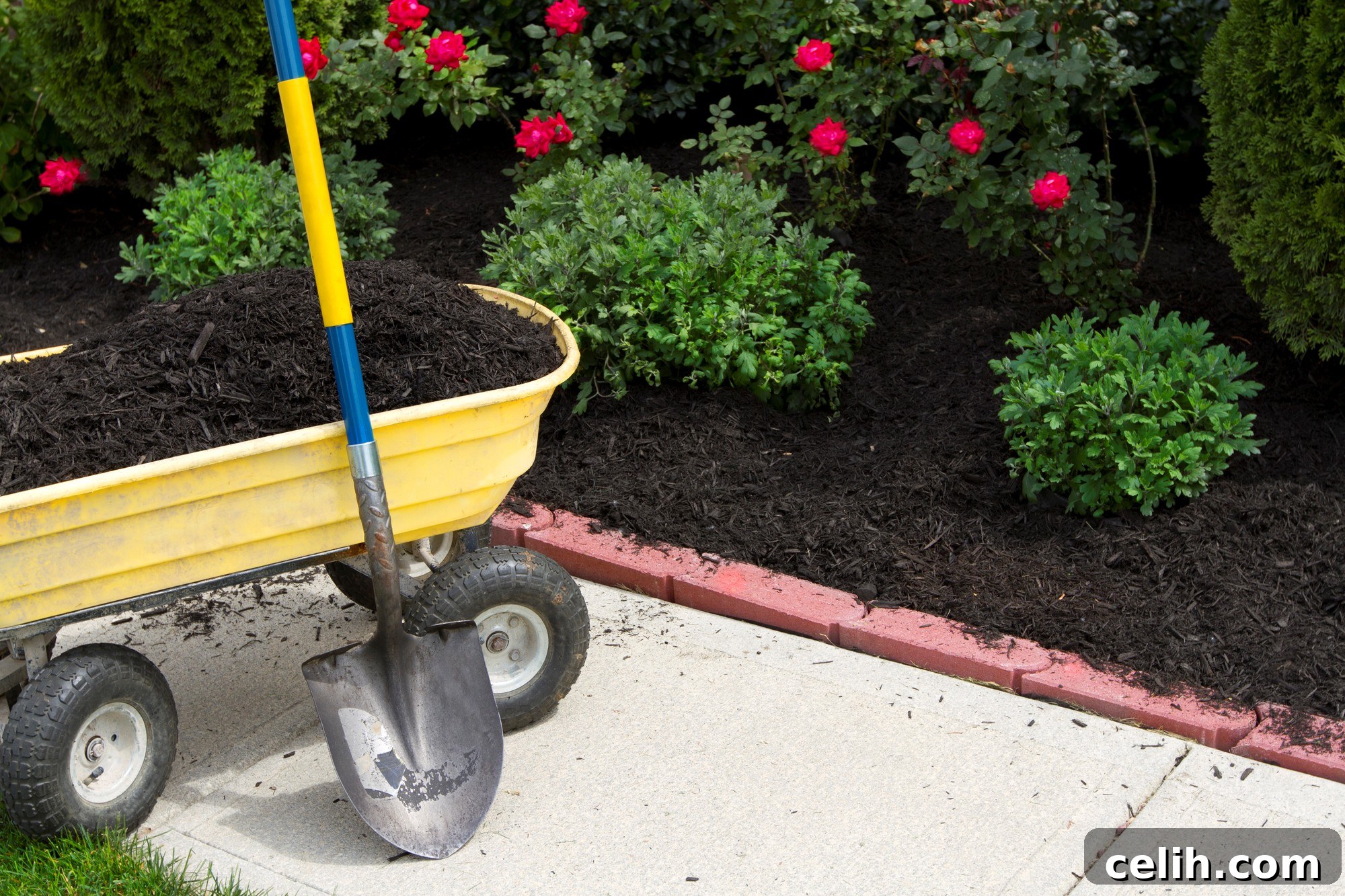
When it comes to outdoor projects involving soil, mulch, gravel, pavers, or garden waste, a sturdy wheelbarrow or yard cart is an indispensable tool. It transforms what would be back-breaking manual labor into a manageable task by intelligently distributing weight onto wheels, effectively minimizing the strain on your body. Unlike lifting by hand, which concentrates all the stress on your muscles and spine, these tools allow you to leverage physics, making hauling significantly easier and safer. When choosing one, prioritize durability and design for optimal performance and longevity, especially for heavy garden work or landscaping projects.
- Durable Wheels for Varied Terrain: Opt for pneumatic (air-filled) tires. These provide superior cushioning and smooth movement over uneven surfaces, rough terrain, and obstacles like roots or small rocks. Solid rubber tires are puncture-proof but offer less shock absorption. Consider the wheel size; larger wheels generally make it easier to traverse bumps and steps, improving maneuverability.
- Balanced Design for Stability: A well-balanced wheelbarrow or cart is crucial for preventing tipping and reducing the effort required to maneuver it. Look for models where the load sits directly over or slightly forward of the axle. This design minimizes the amount of weight you have to lift at the handles, allowing your arms and legs to bear the load more efficiently and reducing back strain.
- Appropriate Size and Capacity: While a larger capacity might seem ideal for “big jobs,” it’s important to choose a size that matches your physical capabilities and the typical scope of your projects. An oversized wheelbarrow, when fully loaded, can become too heavy and cumbersome to control, increasing the risk of injury. Conversely, too small a cart means more trips. Consider both cubic capacity and weight limits for effective heavy lifting.
- Material and Construction: Steel wheelbarrows offer maximum durability for heavy-duty tasks like moving concrete or dense materials, while high-density polyethylene (plastic) models are lighter, rust-proof, and easier to clean, suitable for lighter materials like leaves or compost.
For exceptionally heavy or awkwardly shaped materials like large rocks, logs, or construction debris, a yard cart with four wheels often proves even more effective than a traditional wheelbarrow. Its inherent stability means you exert less effort to balance the load, further reducing the risk of strain and allowing you to transport heavier items with greater confidence. Many modern designs, like advanced yard carts, offer convertible functions, acting as both a wheelbarrow and a dolly, providing versatile utility for various tasks around the home and garden, enhancing your ability to move heavy objects without pain.
2. Utilize Dollies and Hand Trucks for Bulky Indoor and Appliance Moving
While a wheelbarrow excels outdoors, it’s generally not the best solution for moving large, bulky items indoors or transporting appliances and furniture. This is where the specialized design of a dolly or hand truck truly shines. These essential tools are engineered to allow you to roll heavy, often cumbersome loads without needing to lift their full weight, significantly reducing physical exertion and minimizing the risk of injury during furniture rearranging, appliance delivery, or supply transportation. There are two primary types, each optimized for different kinds of heavy items:
- Hand Trucks (Upright Dollies): Ideal for moving stacked boxes, refrigerators, washing machines, or other tall, relatively narrow items. They feature an L-shaped frame with a small platform at the bottom, allowing you to slide the platform under the item and tilt it back for transport.
- Furniture Dollies (Flat Dollies): These are flat, wheeled platforms, often square or rectangular, perfect for wide, heavy objects like dressers, sofas, cabinets, or even multiple boxes simultaneously. They require you to lift the item slightly to place it onto the platform.
To maximize safety and efficiency when using a dolly for moving heavy objects:
- Choose a Sturdy Frame and High Weight Capacity: Steel frames are generally more robust and can handle significantly more weight without bending or warping compared to aluminum models. Always check the dolly’s weight rating and ensure it exceeds the weight of the item you intend to move. A wider toe plate on a hand truck offers better support for larger, heavier items, improving stability.
- Secure Your Load with Straps or Tie-Downs: This is a critical step often overlooked when trying to move heavy furniture or appliances. Straps (ratchet straps, cam buckle straps, or even heavy-duty bungee cords) prevent your load from shifting, toppling, or sliding off the dolly during transit, which can lead to damage to the item or injury to yourself. Ensure the straps are taut and the item is firmly secured to the dolly’s frame.
- Opt for Large, Appropriate Wheels: Larger wheels make it considerably easier to roll over thresholds, cracks, uneven flooring, or small obstacles without getting stuck. Pneumatic wheels are excellent for outdoor use or rough surfaces, providing shock absorption, while solid rubber or hard plastic wheels are better suited for smooth indoor floors as they won’t go flat.
When moving something particularly heavy with a hand truck, always tilt the dolly back towards you, engaging your legs and core, and push it forward rather than pulling it. Pushing allows you to use your body weight and stronger leg muscles to propel the load, keeping the strain off your back and making the job substantially easier and safer. For furniture dollies, ensure the item is centered and balanced before moving, and consider having a spotter to guide you, especially through doorways or tight spaces.
3. Master Essential Proper Lifting Techniques for Manual Handling
Even with the most advanced tools, there will still be instances where you need to manually lift heavy objects. Doing so incorrectly is a primary cause of acute back injuries, chronic pain, and long-term musculoskeletal issues. Mastering proper lifting techniques is not just about avoiding immediate pain; it’s about protecting your spine and overall body health for years to come. Always assess the load and your surroundings before attempting a lift, and then follow these fundamental steps to ensure safe lifting and prevent back injury:
- Bend at Your Knees, Not Your Back (Squat Lift): This is arguably the most crucial rule for preventing back pain. Your leg muscles (quadriceps, hamstrings, glutes) are far stronger and more resilient than the small muscles and delicate discs in your spine. Position your feet shoulder-width apart, squat down, keeping your back straight and chest up, and grab the object. Let your powerful legs do the work of lifting, pushing up from your heels. Avoid bending at the waist, which puts immense pressure on your lower back and is a common cause of injury.
- Keep the Load Close to Your Body: The further an object is held from your center of gravity, the greater the leverage it exerts on your spine, dramatically increasing strain. Always hug the object close to your torso. This reduces the lever arm effect, making the load feel lighter and putting less stress on your back muscles and discs, crucial for safe lifting.
- Engage Your Core Muscles: Before initiating the lift, tighten your abdominal muscles as if bracing for a punch. This action stabilizes your spine and creates an internal “girdle” of support, protecting your lower back during the lifting motion. Consistent core engagement throughout the lift is key to maintaining spinal integrity.
- Lift with a Smooth, Controlled Motion: Avoid sudden, jerky movements, twisting, or rapid changes in direction. Such actions can easily cause muscle strains, sprains, or even disc injuries. Lift slowly and steadily. When you need to change direction, pivot your feet rather than twisting your torso, which can be very dangerous for your spine.
- Maintain a Neutral Spine: Throughout the entire lifting process, strive to keep your back in its natural, slightly curved position. Avoid arching or rounding your back, as these positions increase vulnerability to injury.
A critical piece of advice: if an item ever feels too heavy, too awkward, or too bulky to lift comfortably on your own, do not risk it. Your long-term health is far more important than a momentary inconvenience. Always ask for help from another person or utilize specialized lifting aids like straps or a dolly. Overestimating your strength is a common pathway to injury when moving heavy objects.
4. Enhance Lifting Capacity with Specialized Lifting Straps or Shoulder Dollies
For truly challenging items – particularly large furniture, hefty appliances, or objects with awkward shapes like mattresses, pianos, or oversized boxes – conventional lifting methods often fall short and present a high risk of injury. This is where specialized lifting straps, often referred to as shoulder dollies or forearm straps, become invaluable. These ingenious tools are designed to fundamentally change how weight is distributed, enabling safer and more efficient two-person lifting by transferring the load from your arms and lower back to your much stronger legs and shoulders, thereby reducing the risk of back pain.
How they work is simple yet effective: the straps loop under the heavy object, and you and your partner then slide your forearms or shoulders through loops on the straps. This creates a stable “lifting triangle” where the bulk of the weight is borne by your body’s strongest muscle groups. The benefits for safe lifting and moving heavy items are numerous:
- Even Weight Distribution: The load is spread across a larger surface area of your body, reducing pressure points and minimizing strain on any single muscle group, especially the delicate lumbar spine, preventing common back injuries.
- Improved Leverage: By bringing the center of gravity closer to your core and leveraging your legs, you gain mechanical advantage, making the object feel significantly lighter and easier to control.
- Enhanced Stability and Control: The object is secured by the straps, preventing wobbling or sudden shifts that could lead to imbalance or dropped items. This allows for greater precision and control during movement, particularly when navigating stairs or tight corners.
- Reduced Risk of Injury: By engaging your legs and shoulders, you protect your back from the excessive strain associated with direct arm and back lifting, a common cause of acute and chronic back pain.
Lifting straps are particularly effective for navigating stairs, tight doorways, or uneven terrain where traditional dollies might struggle. While most shoulder dollies require two people for safe operation, some forearm straps can be used by a single person for certain lighter, though still bulky, items. Always ensure you and your partner communicate clearly and lift in unison for maximum safety and effectiveness. Familiarize yourselves with the specific product instructions before use to ensure you’re using them correctly for your heavy lifting needs.
5. Strategically Break Down Loads into Smaller, Manageable Portions
In the rush to complete a task, the temptation to carry everything in one trip can be strong. However, consistently overloading yourself is one of the quickest ways to incur muscle strains, pulls, or worse. While it might seem counterintuitive or time-consuming to make multiple trips, breaking down heavy or bulky loads into smaller, more manageable portions is a foundational principle of safe lifting that your back will undoubtedly thank you for in the long run. It prioritizes safety and sustainability over perceived speed, significantly reducing the risk of injury when moving heavy items.
Consider these practical applications for efficiently breaking down and moving heavy materials:
- For Granular Materials (Soil, Mulch, Gravel): Instead of attempting to lift an entire large bag or shovel a huge mound at once, use a smaller shovel or a scoop to transfer modest amounts into your wheelbarrow or a smaller bucket. This approach not only reduces the weight of each lift but also allows for better control and less awkward movements. Even when dealing with bags, empty half the contents into a smaller container if the original bag is too heavy to lift safely.
- For Stacked Items (Boxes, Lumber): If you have a stack of heavy boxes, resist the urge to grab several at once. Take them one or two at a time, depending on their individual weight and your comfort level. For lumber or pipes, carry fewer pieces per trip. This prevents the top-heavy instability that can lead to dropping items or losing balance, a common issue when moving heavy objects.
- For Furniture with Removable Parts: Before moving a large dresser, cabinet, or table, remove all drawers, shelves, and detachable components. This significantly reduces the overall weight of the main piece and often makes it less awkward to handle. Carry these lighter components separately, further reducing the load you need to move in one go.
- Using Smaller Containers: Have a variety of small, sturdy bins or buckets on hand. When clearing out a space, fill these smaller containers to a manageable weight rather than trying to fill one very large, heavy container that will be impossible to lift safely.
Making an extra trip or taking an additional minute to divide your load is a small investment that pays enormous dividends in terms of preventing fatigue, reducing the risk of accidental drops, and most importantly, protecting your body from unnecessary strain and potential injury. Work smarter, not harder, by respecting your physical limits and breaking down heavy tasks.
6. Employ Ramps as a Safer Alternative to Vertical Lifting
Whenever an elevation change is involved in moving heavy objects – such as loading items into a pickup truck, a storage shed, a moving van, or onto a raised platform – the single most effective way to avoid strenuous vertical lifting is by utilizing a ramp. Ramps leverage the principle of the inclined plane, allowing you to convert direct lifting force into pushing or pulling force over a longer distance, making the task significantly less demanding on your body and minimizing the risk of back injury.
- Versatility for Various Scenarios: Ramps are invaluable for moving appliances like washers and dryers, heavy furniture (dressers, refrigerators), construction materials (lumber, drywall), large toolboxes, and even recreational equipment like ATVs or lawnmowers. They bridge the gap between two different height levels seamlessly, making heavy lifting much easier.
- Combined with Dollies for Maximum Efficiency: The synergy between a ramp and a dolly (hand truck or furniture dolly) is unparalleled. With a dolly, you can simply roll your load up the gentle incline of the ramp, completely eliminating the need for high-impact lifting. This combination not only saves your back but also reduces the effort required by a significant margin, making it the most ergonomic way to move heavy items up an incline.
- Types of Ramps to Consider:
- Portable Folding Ramps: Excellent for occasional use, easy to store and transport. Look for aluminum construction for lightweight durability and corrosion resistance.
- Loading Ramps (Non-folding): More robust and often wider, these are typically used for vehicles or semi-permanent installations where high weight capacities are needed.
- Rubber Threshold Ramps: Small, low-profile ramps designed to smoothly transition over door sills, slight height differences indoors, or curb cuts, preventing trips and easing movement.
- Safety Considerations for Ramp Use:
- Weight Capacity: Always ensure the ramp’s weight capacity safely accommodates your load and any equipment (like a dolly) being used. Never exceed this limit.
- Secure Placement: The ramp must be firmly secured to both the upper and lower surfaces to prevent slipping or dislodging during use. Many ramps have lip attachments or pins for this purpose.
- Anti-Slip Surface: Choose ramps with textured or grated surfaces to provide excellent traction, especially in wet or muddy conditions, reducing the risk of slips when moving heavy loads.
- Angle of Incline: A shallower angle is always safer and easier. Avoid overly steep ramps, which can make control difficult and still require significant effort, negating the benefits.
For individuals who frequently transport heavy materials or embark on renovation projects, investing in a high-quality, portable ramp is a wise decision that will pay dividends in terms of safety, efficiency, and preventing back injuries over time. It transforms a potentially dangerous lifting task into a controlled, manageable roll, making heavy lifting safer and more accessible.
7. Prioritize Safety with Appropriate Footwear and Protective Gloves
The seemingly minor details of what you wear can have a monumental impact on your safety and performance when moving heavy objects. Good grip, stable footing, and hand protection are not luxuries but essential elements for preventing accidents and injuries. Neglecting these aspects can lead to slips, falls, crushed fingers, or debilitating hand injuries, making proper gear a critical part of safe lifting and preventing back pain.
- Sturdy, Non-Slip Footwear:
- Enhanced Stability: Choose shoes with excellent ankle support to prevent twists and sprains, especially on uneven ground or when carrying an off-balance load. High-top work boots are often ideal.
- Superior Traction: The sole should have a deep, aggressive tread pattern made from a non-slip material (like rubber) to provide secure footing on various surfaces – concrete, dirt, gravel, or potentially slippery floors. Avoid open-toed shoes, sandals, or flimsy sneakers, which offer no protection or stability.
- Toe Protection: For environments where heavy objects could be dropped, consider steel-toe or composite-toe boots. Even if not mandatory, a robust, closed-toe shoe offers significantly more protection than typical footwear against impacts.
- Protective and Gripping Gloves:
- Hand Protection: Gloves shield your hands from splinters, sharp edges, abrasions, pinches, and calluses that can result from handling rough materials, metal, or repeated lifting.
- Improved Grip: Select gloves with textured palms or specialized grip-enhancing materials (like synthetic leather, silicone, or rubberized coatings). A superior grip means less chance of the object slipping from your grasp, which is critical for maintaining control over heavy and potentially dangerous items.
- Reduced Pressure and Fatigue: Padded gloves, particularly those with gel or foam inserts in the palms, can significantly reduce pressure on your hands when carrying awkward, heavy, or vibrating loads. This also helps mitigate hand fatigue over extended periods of work, allowing you to sustain safe lifting practices longer.
- Material Considerations: Leather gloves offer excellent durability and grip for most heavy-duty tasks. Synthetic gloves can offer better flexibility and breathability, while specialized anti-vibration gloves might be beneficial for certain tools.
Never underestimate the importance of these protective gear items. A simple slip due to inadequate footwear or losing grip because of bare hands can quickly escalate into a serious injury, setting back your project and potentially leading to long-term health complications. Equip yourself properly before you begin any heavy lifting task to ensure maximum safety and efficiency.
8. Prioritize Your Well-being: Take Breaks and Listen to Your Body
Even when you meticulously follow all the best practices, use the correct tools, and employ impeccable techniques, the cumulative effect of physical exertion can still lead to fatigue. And fatigue, insidious in its onset, is a primary catalyst for accidents and injuries. When your body and mind are tired, your judgment, coordination, and strength diminish, making you far more susceptible to mistakes and strains. Therefore, actively managing your energy levels and heeding your body’s signals is paramount for sustained safety and preventing back pain or other injuries when moving heavy objects.
- Recognize the Signs of Fatigue: Pay close attention to your body. Signs include muscle tremors, reduced grip strength, loss of focus, increased clumsiness, rapid breathing, excessive sweating, or a general feeling of exhaustion. Ignoring these warnings is a direct pathway to injury.
- Implement Regular Breaks: Don’t wait until you’re completely drained. Schedule short, frequent breaks into your work routine. Even a 5-10 minute pause every hour can make a significant difference. Use this time to rest your muscles, clear your head, and re-assess your progress, allowing for more sustained effort.
- Stay Hydrated and Nourished: Physical activity, especially strenuous lifting, depletes your body’s resources. Drink plenty of water or electrolyte-rich fluids throughout your task to prevent dehydration, which can lead to muscle cramps and fatigue. Fuel your body with nutritious snacks to maintain energy levels and optimize performance.
- Stretch and Move: Incorporate light stretching before and after your lifting session, and even during breaks. This helps warm up your muscles, improves flexibility, and prevents stiffness. Gentle movements can also aid in circulation and reduce muscle soreness, promoting faster recovery.
- Avoid Overexertion: There’s a fine line between pushing yourself to complete a task and pushing yourself past your physical limits. Pushing through exhaustion is never worth the risk of acute injury (like a slipped disc or severe muscle tear) or long-term chronic pain, which can severely impact your quality of life. Be realistic about what you can accomplish in a given timeframe.
- Listen to Your Body’s “Whispers”: Don’t ignore minor aches or discomfort. These are often your body’s early warning signals. If something feels strained, take a break, adjust your technique, or delegate the task. Pushing through pain can turn a minor issue into a major one, leading to prolonged recovery or permanent damage.
Prioritizing your well-being isn’t a sign of weakness; it’s a mark of wisdom and self-care. By respecting your body’s limits and integrating rest into your heavy lifting regimen, you ensure not only the successful completion of your project but also your long-term health and ability to continue enjoying physical activities without chronic pain.
Move Heavy Loads the Right Way: A Summary for Sustainable Safety
Transporting heavy materials and tackling challenging lifting tasks don’t have to be synonymous with debilitating back pain or the risk of serious injury. By adopting a proactive and informed approach, you can transform these demanding activities into manageable and safe endeavors. The key lies in a combination of leveraging the right tools, mastering ergonomic techniques, and listening intently to your body’s signals to ensure optimal health and productivity.
Empower yourself with essential equipment such as robust wheelbarrows and yard carts for outdoor hauling, versatile hand trucks and furniture dollies for indoor and appliance moving, and specialized lifting straps or shoulder dollies for exceptionally awkward or heavy items. These purpose-built tools are designed to amplify your strength and distribute weight effectively, significantly reducing direct strain on your back and making heavy lifting more efficient and safer.
Complement your equipment with intelligent strategies: always employ proper lifting mechanics by bending your knees and engaging your core, break down overwhelming loads into smaller, more manageable portions, and utilize ramps whenever an elevation change is present. Don’t overlook the fundamental importance of safety gear; appropriate non-slip footwear provides crucial stability, while protective gloves ensure a secure grip and prevent hand injuries. Crucially, remember that your body is not inexhaustible; incorporate regular breaks, stay hydrated, and never push through pain or severe fatigue, as these are direct invitations to injury.
By integrating these principles into your routine, you’ll work smarter, not harder. You’ll not only protect your back and minimize the risk of injury but also enhance your efficiency and enjoyment of home improvement projects, garden work, or professional moving tasks. Make heavy lifting a safe, manageable, and pain-free part of your life, ensuring long-term physical well-being and continued ability to tackle any challenge.