
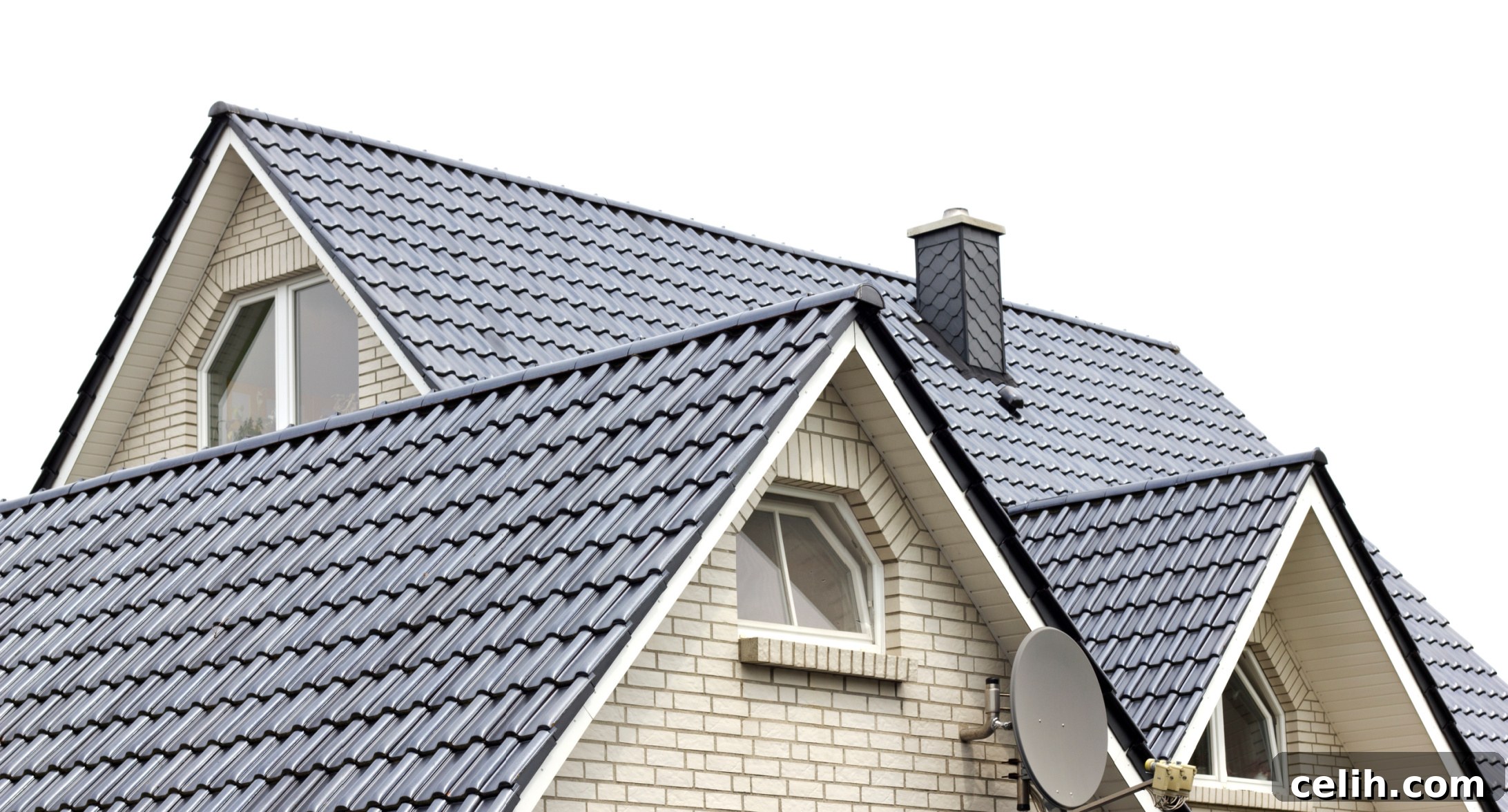
The roof over your head is more than just a structural element; it’s your home’s primary line of defense against the relentless forces of nature. From scorching summers to brutal winters, the weather significantly dictates the longevity and performance of your roofing system. Understanding how different climatic conditions impact your roof is paramount for every homeowner, enabling proactive maintenance and informed decisions that can save thousands in repair costs and extend your roof’s life by years. This comprehensive guide will delve into the specific ways various weather elements challenge your roof and offer actionable strategies to mitigate their destructive effects.
Hail: Nature’s Destructive Barrage
Hailstorms, often appearing without much warning, are far from a mere inconvenience. These icy projectiles, ranging from pea-sized pellets to golf ball-sized chunks, can unleash significant damage upon a roof. Each impact can dent metal roofs, chip away at asphalt shingle granules, crack tiles, or even puncture certain roofing membranes. The immediate consequences often include cosmetic blemishes, but the hidden dangers are more concerning. Granule loss on asphalt shingles exposes the underlying asphalt to harmful UV rays, accelerating degradation. Dents can create low spots where water accumulates, and cracks become entry points for moisture, potentially leading to leaks and rot.
In hail-prone regions, investing in impact-resistant roofing materials is a wise decision. Shingles rated Class 4 for impact resistance, for instance, are designed to withstand significant hail impacts without compromising their integrity. These specialized products absorb energy more effectively, minimizing damage during severe storms. Furthermore, immediate professional inspection after any significant hailstorm is crucial. Trained eyes can identify subtle damage that might not be visible from the ground, ensuring that minor issues are addressed promptly before they evolve into costly and extensive repairs. Professional roof repair services offer the expertise needed to assess damage accurately and restore your roof’s integrity, safeguarding your home against future weather assaults.
Rain: The Persistent Eroder
Rain, while essential for life, poses a continuous threat to your roof’s integrity, especially in regions with frequent and heavy downpours. Prolonged water exposure can lead to a myriad of problems, including leaks, wood rot, and the proliferation of mold and mildew. A persistently wet climate means your roof is constantly battling moisture, which is a prime catalyst for material breakdown. Standing water, often a result of clogged gutters or improper roof drainage, exacerbates the issue by saturating roofing materials and increasing the likelihood of water penetration.
An efficient drainage system is paramount in areas susceptible to heavy rainfall. This includes properly sized and installed gutters and downspouts that effectively channel water away from the roof and the home’s foundation. Regular cleaning of gutters prevents debris buildup that can cause water to back up and seep under shingles. Additionally, ensuring your roof has the correct pitch and proper flashing around chimneys, skylights, and vents is vital for preventing leaks. Routine roof inspections, particularly before and after the rainy season, can help identify and rectify small issues like cracked caulk or loose flashing before they escalate into major water damage, protecting your home’s structural components from the insidious effects of moisture.
Sunlight: The Silent Degrader
While often underestimated, the sun’s powerful ultraviolet (UV) rays are a silent saboteur of roof longevity. Constant exposure to sunlight causes a chemical breakdown in roofing materials, particularly asphalt shingles, leading to their premature aging. UV radiation degrades the asphalt binder, causing granules to loosen and detach, leaving the underlying felt exposed. Over time, shingles become brittle, prone to cracking, curling, and blistering, significantly reducing their protective capabilities. This process is accelerated in areas with intense, year-round sun exposure, where roofs can suffer from cumulative thermal shock due to repeated heating and cooling cycles.
Combating sunlight damage requires strategic material selection and protective measures. Homeowners can opt for reflective roof coatings or choose roofing materials inherently designed to resist UV degradation, such as metal roofing, TPO, or PVC membranes. Cool roofing techniques, which involve light-colored or specially coated surfaces that reflect sunlight rather than absorb it, can drastically reduce roof surface temperatures, mitigating thermal stress and extending material life. Adequate attic ventilation also plays a critical role, allowing trapped hot air to escape and preventing heat buildup that can cook the roof from below. By incorporating these strategies, you can significantly prolong your roof’s lifespan even under the harshest solar conditions.
Wind: The Unforgiving Force
Windy weather places immense stress on roofing systems, transforming minor vulnerabilities into major structural concerns. Strong gusts can lift, tear, and even detach shingles and other roofing components, especially those already weakened by age or previous damage. The continuous buffeting and suction forces exerted by wind can loosen fasteners, compromise seals, and lead to granule loss. In severe storms, wind-driven debris can also strike the roof, causing punctures and structural damage. Over years, the cumulative effect of persistent winds can significantly weaken a roof’s attachment points and overall resilience.
To enhance a roof’s resistance to high winds, reinforcement and proper installation techniques are essential. Using extra fasteners per shingle, applying strong roofing adhesives, and ensuring proper starter strip installation are crucial. Materials like metal roofing and certain types of architectural shingles are known for their superior wind resistance. For homes in wind-prone areas, a professional roof inspection following any particularly windy season or storm is highly recommended. This allows for the timely assessment and rectification of any potential damage, preventing minor issues from escalating. Additionally, trimming overhanging tree branches can minimize the risk of limbs falling onto the roof during strong winds, reducing potential impact damage.
Snowfall: Winter’s Heavy Burden
Snow presents a unique set of challenges for roofs, primarily through its sheer weight and the subsequent issues arising from melting and refreezing cycles. Heavy snowfall can impose significant structural stress, potentially exceeding the roof’s load-bearing capacity and leading to sagging or even collapse in extreme cases. Beyond the weight, the freeze-thaw cycle is particularly destructive. As snow melts from the warmth of the house and refreezes at the colder eaves, it can form ice dams. These ridges of ice block proper drainage, causing melted water to back up under shingles and seep into the attic and walls, leading to extensive water damage, mold growth, and compromised insulation.
Effective insulation and ventilation are critical in snowy regions. Proper attic insulation prevents excessive heat loss from the living space into the attic, which helps keep the roof surface temperature consistent with the outdoor temperature, thereby reducing the likelihood of ice dam formation. A well-designed ventilation system, including soffit and ridge vents, ensures continuous airflow, preventing heat buildup and maintaining a cold roof deck. Regularly and safely removing excess snow from rooftops can alleviate structural pressure and prevent ice dams. Using a roof rake or hiring professionals for snow removal can mitigate these winter hazards and protect your roof from its heavy burden.
Humidity: The Quiet Damager
High humidity levels, especially in warm climates, are an often-overlooked but potent threat to roof longevity. Persistent dampness provides an ideal breeding ground for mold, mildew, algae, and fungal growth, which can gradually decompose roofing materials. Mold and algae stains not only detract from your home’s curb appeal but also indicate organic growth that can trap moisture and accelerate material degradation. Wood components within the roof structure, such as sheathing and trusses, are particularly vulnerable to rot and warping when exposed to consistent moisture from high humidity.
The silent attack of humidity can lead to several problems: shingles may swell and warp, fasteners can corrode, and the structural integrity of the roof deck can be compromised over time. Proper attic ventilation is paramount in humid environments to ensure moisture-laden air is exhausted, preventing condensation and mold growth within the roof structure. Installing exhaust fans in bathrooms and kitchens, using dehumidifiers in the home, and ensuring adequate air circulation in the attic can significantly reduce internal humidity levels. Additionally, choosing roofing materials with inherent resistance to mold and algae, such as certain types of metal or treated asphalt shingles, can offer an extra layer of protection against this quiet but relentless adversary.
Proactive Roof Care: Your Shield Against the Elements
While weather forces are inevitable, their destructive impact on your roof doesn’t have to be. Proactive and consistent roof care is the most effective shield against premature wear and tear. This involves a multi-faceted approach that considers your local climate, roofing material, and the unique vulnerabilities of your home. Regular professional inspections, typically twice a year (once in spring and once in fall), are indispensable. These inspections allow experts to identify minor issues such as loose or cracked shingles, compromised flashing, or early signs of moisture intrusion before they escalate into costly emergencies. Early detection and repair can significantly extend your roof’s lifespan and maintain its protective capabilities.
Beyond professional checks, homeowners should engage in simple, regular maintenance tasks. Keeping gutters and downspouts clear of debris ensures efficient water drainage. Trimming overhanging branches reduces the risk of wind damage and accumulation of organic matter that can foster mold growth. Being informed about the specific challenges of your climate—whether it’s choosing impact-resistant shingles for hail, reflective coatings for intense sun, or robust insulation for heavy snow—empowers you to make intelligent decisions about repairs and upgrades. Investing in high-quality materials suited to your regional weather patterns, coupled with meticulous installation and ongoing maintenance, is a long-term investment in your home’s safety, value, and structural integrity.
Conclusion: Safeguarding Your Home’s Cornerstone
The weather is an undeniable and formidable player in the lifespan of your roof. From the sudden impact of hailstones and the relentless drip of rain to the pervasive degradation from UV rays, the powerful force of wind, the heavy burden of snow, and the insidious effects of humidity, each element presents distinct challenges. For homeowners, understanding these diverse weather forces isn’t just about knowledge; it’s about empowerment. It enables you to make informed decisions, invest wisely in appropriate materials, and commit to proactive maintenance strategies that safeguard your home.
Ultimately, maintaining a sturdy, resilient roof is not about trying to “beat” the elements, but rather about living in harmony with them through diligent care and intelligent preparation. As global weather patterns continue to evolve, the importance of a robust, well-maintained roofing system becomes even more critical. By staying informed, conducting regular inspections, and addressing issues promptly, you ensure that your roof remains a strong, reliable cornerstone, protecting your most valuable asset for years to come.