
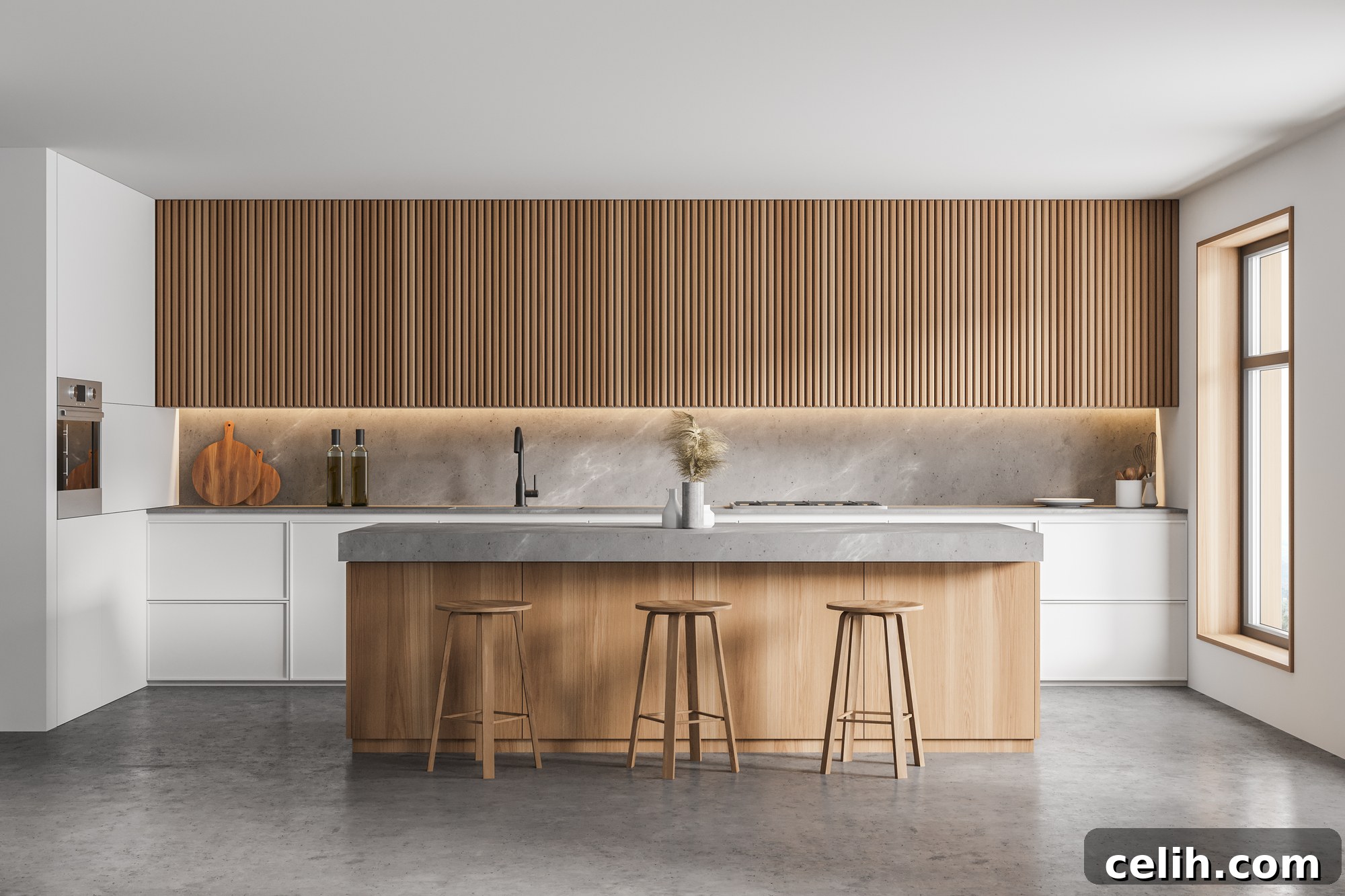
Are you looking to transform your living space into a serene, functional, and aesthetically pleasing sanctuary? You’re not alone in discovering the profound impact of minimalism. More than just a design trend, minimalism is a lifestyle philosophy that emphasizes utility, simplicity, and the intentional removal of excess, paving the way for a calmer and more harmonious environment. This popular home aesthetic offers a wealth of advantages, from fostering a more mindful and deliberate way of living to creating an illusion of expansive space even in smaller homes. This comprehensive guide will delve into the core principles of minimalist home design and equip you with practical strategies to seamlessly integrate this beautiful and balanced aesthetic into your abode, enhancing both its visual appeal and your overall well-being.
Embracing the Core Principles of Minimalism
At its heart, minimalism transcends mere interior design; it’s a conscious lifestyle choice that champions the profound value of living with less. This philosophy centers on the deliberate act of eliminating non-essential items and redirecting your focus towards possessions that genuinely enrich your life and home. The defining characteristics of a minimalist home often include a harmonious neutral color palette, crisp and clean architectural lines, and a steadfast emphasis on quality over sheer quantity. By adopting this intentional approach, you cultivate a profoundly peaceful, organized, and uncluttered atmosphere, which significantly elevates the overall aesthetics and functionality of your living space.
The guiding mantra of the minimalist movement is unequivocally “less is more.” This principle empowers you to design a room that is not only visually stunning but also inherently practical and deeply meaningful. By thoughtfully purging extraneous items, you create an environment where every object serves a purpose or evokes joy. This mindful way of thinking fosters heightened consumer awareness, encouraging you to make deliberate choices when acquiring new items, ensuring they are both useful and genuinely cherished. Beyond creating elegant and simple spaces, minimalism is instrumental in cultivating a profound sense of calm, clarity, and well-being within your daily life, transforming your home into a restorative sanctuary.
Implementing a minimalist style can dramatically enhance the perception and appearance of your home. The deliberate design choices, coupled with expansive, clear areas, infuse spaces with a distinct sense of balance and tranquility. Minimalism skillfully draws attention to intrinsic architectural details and maximizes the influx of natural light, which in turn expands and visually warms interiors. By prioritizing practicality and unwavering simplicity, minimalism effortlessly transforms your house into a chic, tranquil, and incredibly functional haven, a true reflection of intentional living.
The Art of Decluttering: A Foundational Step in Minimalist Living
Decluttering is undeniably the cornerstone of minimalist design and an essential first step towards achieving a serene home. It involves a systematic and methodical process of letting go of items that no longer serve a purpose or bring genuine joy. This transformative practice not only frees up valuable physical space but also remarkably clears mental clutter, leading to a profound sense of calm and mental clarity. A truly clutter-free environment is paramount for achieving the streamlined, clean, and spacious aesthetic that is the hallmark of minimalist interior design. By reducing the sheer volume of possessions and consciously choosing quality over quantity, your home will instantly feel lighter, more airy, and inviting.
Practical Strategies for Effective Decluttering
Embarking on a decluttering journey can feel overwhelming, but with a structured approach, it becomes manageable and even enjoyable:
Start Small: Avoid burnout by tackling one small area at a time. Begin with a single drawer, a shelf, or a specific counter space. Witnessing quick results in a small area can provide the motivation needed to tackle larger projects, making the overall task feel less daunting.
Sort and Categorize Methodically: As you go through your belongings, create distinct categories: items to keep, items to donate, items to sell, and items to discard or recycle. Be honest with yourself about what you truly use, genuinely need, or deeply cherish. Ask critical questions like: “Have I used this in the last year?” or “Does this add significant value to my life?”
Implement the “One In, One Out” Rule: To prevent future clutter accumulation, adopt a strict policy: for every new item you bring into your home, an old one of similar type must leave. This sustainable habit ensures your space remains organized and prevents the endless cycle of accumulation.
Invest in Thoughtful Storage Solutions: While decluttering reduces items, smart storage is crucial for the remaining essentials. Opt for high-quality, discreet storage options that keep necessities neatly arranged and out of sight. Consider built-in shelving, multi-functional furniture with integrated storage (like ottomans with hidden compartments), and under-bed storage boxes to maximize vertical and overlooked spaces.
Practice Frequent Maintenance: Decluttering isn’t a one-time event; it’s an ongoing practice. Schedule regular, mini-decluttering sessions – perhaps weekly or monthly – to prevent clutter from accumulating again. A consistent, proactive approach is vital for maintaining the clean, simple, and serene aesthetic of your minimalist home.
After the initial decluttering phase, sustaining a clutter-free environment demands ongoing effort and intentionality. Cultivate the habit of regularly reviewing your possessions and promptly removing anything that no longer serves a purpose or brings joy. Encourage all household members to embrace a more minimalist lifestyle, and establish clear systems for managing new items entering the home. By consistently upholding minimalist principles, you can ensure your home remains a peaceful, beautiful, and highly functional space.
Selecting the Ideal Furnishings for a Minimalist Home
When furnishing a minimalist home, the principle of “less is more” takes center stage. The goal is to select pieces that are not only stylish and aesthetically pleasing but also exceptionally functional and durable. Prioritize superior materials, muted and versatile hues, and clean, uncomplicated lines that contribute to an uncluttered visual landscape. Essential elements might include a sleek, well-proportioned dining table, a comfortable yet understated sofa, and adaptable storage units that blend seamlessly into the background. The key is to choose furniture that boasts multiple purposes, such as a coffee table that can ingeniously transform into a workspace, or a bed frame equipped with integrated drawers for discreet storage, maximizing every inch of your space.
Integrating Minimalist Architectural Features: Slim-Framed Sliding Doors
To further enhance the minimalist aesthetic and maximize both natural light and available space, consider integrating modern architectural elements such as slim-framed sliding doors. These contemporary solutions provide a sleek and unobtrusive transition between indoor and outdoor areas, creating an expansive, open feel and allowing an abundance of light to flood your interiors. Their minimalist profiles ensure that the focus remains on the view and the sense of spaciousness, rather than the door mechanism itself.
When selecting the perfect slim-framed doors for your minimalist home, keep these crucial considerations in mind:
Material Excellence: Opt for high-quality materials like anodized aluminum or steel combined with large panes of glass. These materials offer inherent strength, durability, and contribute to the ultra-modern, clean aesthetic synonymous with minimalism.
Prioritize Quality and Durability: An investment in well-engineered, smoothly functioning doors is paramount. High-quality mechanisms ensure effortless operation and longevity, reducing the need for replacements and aligning with sustainable minimalist values.
Seamless Consistency: Ensure that the style, finish, and framing of your chosen sliding doors harmonize perfectly with the overall architectural language and interior design of your home. They should blend seamlessly, enhancing the cohesive and unified minimalist aesthetic without introducing visual discord.
Harmonizing Aesthetics and Functionality in Minimalist Design
Achieving a truly effective minimalist design hinges on striking a perfect equilibrium between practicality and beauty. Every piece of furniture, every decorative element, and every design choice must serve a distinct purpose while simultaneously contributing to the overarching style and serene ambiance of your home. Prioritize functionality and comfort without ever compromising on sophisticated flair. The ultimate goal is for minimalist furniture and decor to elevate your living area, making it not only visually appealing but also inherently useful, comfortable, and a joy to inhabit.
Minimalist Decor Ideas: Strategic Colour Palettes and Tactile Materials
The characteristic colour scheme in minimalist design is typically understated, simple, and predominantly neutral. Whites, various shades of greys, and warm beiges form the foundational palette, cultivating a profoundly serene, calming, and comforting atmosphere. These neutral backdrops serve as a perfect canvas, allowing subtle architectural details or natural elements to shine. To introduce depth and visual intrigue without overwhelming the space, consider incorporating natural wood tones, muted earthy hues, or strategic black accents. When it comes to selecting materials, gravitate towards high-quality, natural choices such as durable wood, cool stone, tactile ceramics, and elegant metals. These materials not only add rich texture and visual interest but also align perfectly with the minimalist ethos of quality, longevity, and a connection to the natural world.
Thoughtfully Including Natural Components
Integrating natural elements is a vital component of successful minimalist design, breathing life and organic warmth into otherwise sleek spaces. Incorporate biophilic elements like indoor plants, which not only enhance the visual appeal of your room but also significantly improve air quality and inject a vibrant sense of vitality. Opt for low-maintenance varieties known for their resilience, such as elegant succulents, architectural snake plants, or graceful ZZ plants, which thrive in a variety of indoor environments. Furthermore, natural materials can be effortlessly paired with minimalist decor; consider embracing features like polished stone countertops, woven bamboo blinds, and handcrafted wooden furniture to reinforce a connection to nature and add subtle texture.
Curated Minimalist Accessories and Art
In a minimalist home, the philosophy of “less is more” extends emphatically to art and accessories. Instead of accumulating numerous small items, choose a select few focal pieces that deeply resonate with you, adding personality and reflecting your individual taste without introducing visual clutter. Large-scale, simple sculptures, monochromatic photographic prints, or striking abstract art can serve as powerful focal points, anchoring a room without overwhelming it. Use accessories sparingly and with great intention. A beautifully crafted ceramic vase, a uniquely designed table lamp, or a single framed portrait, strategically placed, can inject warmth, character, and individuality into a room, all while maintaining the integrity of the minimalist aesthetic.
Maximizing Light and Space in a Minimalist Home
Optimizing light and space is a critical element in creating the signature expansive and airy feel of a minimalist home. Strategic design choices can transform even modest areas into seemingly vast and luminous environments.
The Indispensable Role of Natural Light in Minimalism
Natural light is arguably the most powerful tool in minimalist design for cultivating a profound sense of spaciousness, warmth, and vibrancy within interior spaces. Design choices like open floor plans, expansive glass doors, and generous, unobstructed windows allow an abundant flow of natural light to permeate your entire home. To maximize this precious resource, make a conscious effort to remove heavy, light-blocking drapes or replace them with sheer, translucent shades or minimalist blinds that permit light to filter through while maintaining privacy. Furthermore, strategically placed reflective surfaces, such as large mirrors, polished glass, or high-gloss finishes, can dramatically amplify available light, bouncing it around the room and imbuing an area with an even lighter, more expansive, and airy ambiance.
Leveraging Reflective Surfaces and Mirrors for Enhanced Space
Mirrors are exceptionally versatile and effective tools in minimalist architecture. They serve a dual purpose: adding a decorative element without contributing to clutter, and crucially, reflecting light to make rooms appear significantly larger and brighter. To create the compelling illusion of increased space, strategically position large mirrors in narrow hallways, opposite windows, or on walls perpendicular to light sources. Beyond traditional mirrors, other reflective surfaces such as metallic accents, polished chrome fixtures, or glossy furniture finishes can also contribute to this feeling of lightness and openness, enhancing the overall spaciousness of your minimalist interior.
Space-Saving Furniture and Thoughtful Layout Ideas
In a minimalist home, every square foot is meticulously maximized for efficiency and comfort. Prioritize the selection of multi-functional pieces of furniture, such as a dining table with cleverly integrated storage compartments, a sleek sofa bed for guest accommodation, or an ottoman that doubles as a storage chest. Modular furniture offers unparalleled flexibility, allowing you to reconfigure your space to meet diverse needs, making it ideal for dynamic living. To maintain an immaculate, uncluttered appearance and keep necessities out of sight, seriously consider built-in storage solutions like wall-to-wall cabinetry or custom shelving. Arrange your furniture thoughtfully to optimize available floor space, ensuring clear pathways and an effortless flow throughout your home, which further reinforces the impression of a large, highly functional, and harmonious living environment.
Resilient Minimalism: Sustainable Practices for Your Home
Integrating eco-friendly and sustainable practices into minimalist interior design is a powerful way to enhance your home’s appeal while minimizing environmental impact. Resilient minimalism extends the philosophy of intentional living beyond just clutter, applying it to how we consume and live in harmony with the planet.
Embracing Green Practices and Sustainable Materials
Sustainable minimalism champions simplicity not only in design but also in its profound commitment to minimizing negative environmental effects. When sourcing materials for your home, consciously select environmentally friendly options such as organic textiles (like linen or organic cotton), recycled metals, reclaimed wood, bamboo, or cork. These materials not only imbue your house with unique character and natural beauty but also significantly contribute to reducing waste and conserving resources. Furthermore, a sustainable lifestyle is fortified by implementing energy-efficient practices throughout your home, including transitioning to LED lighting, investing in energy-saving appliances, optimizing natural ventilation, and considering renewable energy sources where feasible.
The Multifaceted Advantages of Ecological Minimalism
Adopting sustainable minimalist practices offers a myriad of benefits for both your home and the broader environment. Environmentally friendly materials are often inherently more durable and robust, requiring fewer replacements over time, which reduces consumption and waste. Beyond this, sustainable minimalism actively promotes a healthier home environment by minimizing your exposure to artificial materials and potentially harmful chemicals often found in conventional products. This approach frequently leads to reduced utility bills due to increased energy efficiency and fosters a greater appreciation for the longevity and timelessness of well-made, eco-conscious items.
Practical Ways to Integrate Sustainability into Your Minimalist Home
Achieving true sustainability within your minimalist home requires a series of deliberate and conscious decisions regarding the products you acquire and your daily lifestyle habits. Begin by consistently prioritizing quality and durability over ephemeral trends and disposability, choosing long-lasting, environmentally sound products. Actively support local businesses and artisans who employ sustainable production methods, thereby reducing your carbon footprint and fostering community. Embrace the principles of reuse and recycle whenever possible, extending the life cycle of items and diverting waste from landfills. Consider composting organic waste, reducing water consumption, and even growing some of your own herbs or vegetables. By thoughtfully integrating these considerations, you can successfully design an eco-friendly, stylish, and resilient minimalist home that stands the test of time and respects the planet.
In Summary: Cultivating a Minimalist Haven
Embracing a minimalist style is a transformative journey that can elevate your house into a truly chic, tranquil, and highly functional haven. By steadfastly emphasizing sustainability, thoughtful simplicity, and unwavering practicality, you create an environment that is not only profoundly aesthetically pleasing but also supports a calmer, more intentional way of living. To successfully cultivate this coveted aesthetic, it is essential to embark on a thorough decluttering process, make judicious choices when selecting furniture, and thoughtfully implement minimalist décor ideas. Further enhancing this look involves strategically utilizing space-saving techniques and optimizing the abundant presence of natural light. Ultimately, by integrating sustainable practices, you ensure that your minimalist home is not only timeless and beautiful but also future-proof and ecologically responsible. Begin your transition to a minimalist lifestyle today and unlock the countless rewards of a peaceful, organized, and genuinely clutter-free home that nurtures your well-being.