
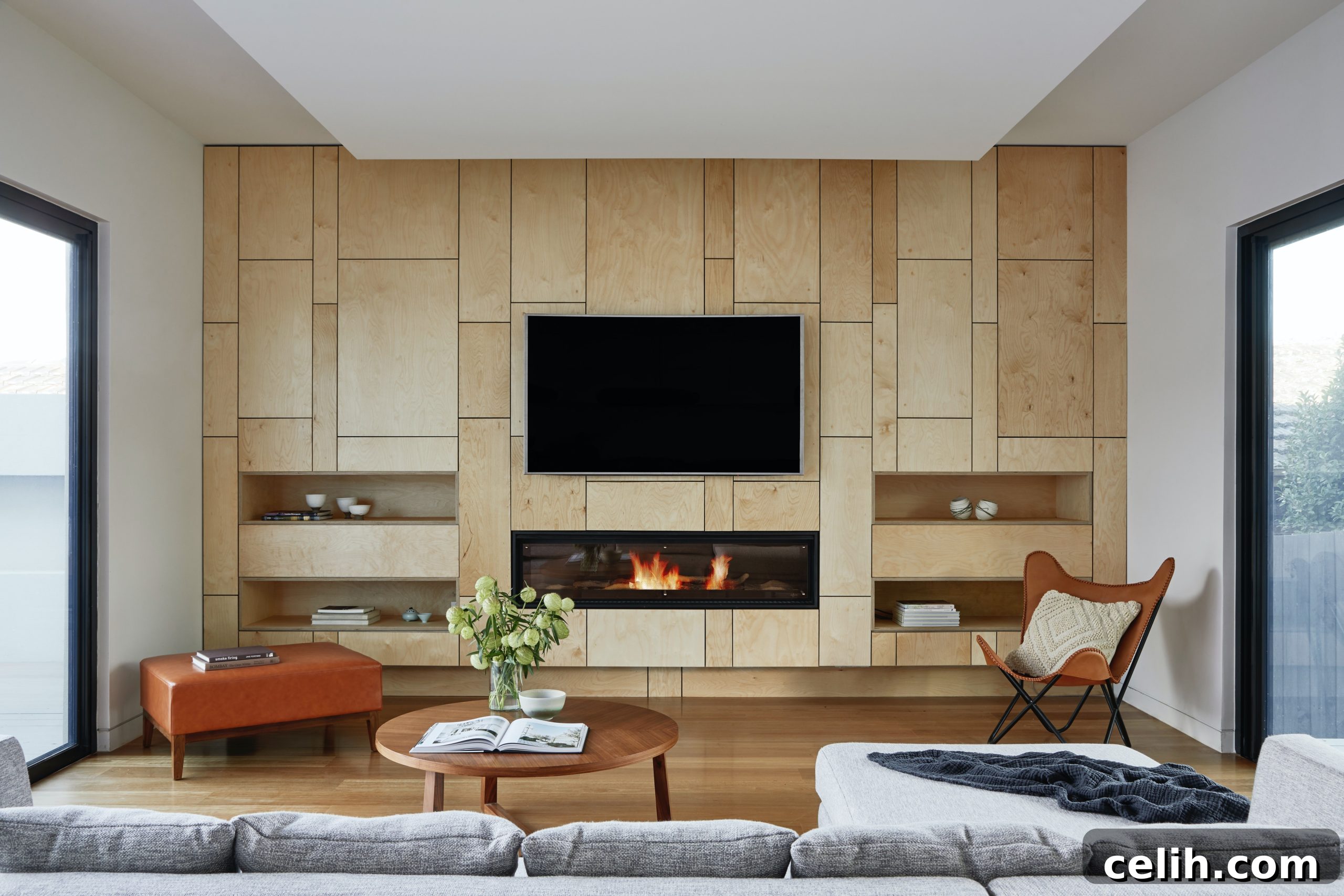
Have you ever scrolled through social media, mesmerized by the opulent homes of celebrities, brimming with bespoke elements and one-of-a-kind fixtures? It’s easy to get swept away by the glamour, imagining your own living space transformed by unique, custom-designed features that perfectly reflect your style. The allure of a home that stands out, crafted specifically for you, is undeniably strong. Many homeowners, inspired by these digital glimpses into luxury living, begin to ponder adding custom touches to their own properties. This impulse is understandable; the idea of creating a truly unique sanctuary can be incredibly appealing, promising an unparalleled sense of individuality and exclusivity in your interior design.
Indeed, there are intrinsic benefits to custom features. They offer a level of personalization that mass-produced items simply cannot match, ensuring your home truly reflects your personality and caters to your exact needs. From a built-in bookshelf that perfectly frames a window to a kitchen island designed with your specific cooking habits in mind, custom elements can solve unique spatial challenges and elevate functionality. However, as captivating as the dream of bespoke design may be, a closer examination reveals that this path, while seemingly ideal, often leads to significant drawbacks, making it a less sensible choice for the average homeowner.
The Exorbitant Cost of Customization: A Budget Breaker
When you opt for custom home features, you are indeed investing in something uniquely yours, designed precisely to your specifications. This bespoke approach might initially seem like a smart investment, guaranteeing that every dollar spent aligns with your vision, unlike settling for something that’s not 100% perfect off the shelf. While the concept of tailor-made perfection has its appeal, the reality of the cost associated with designing, manufacturing, and installing custom elements is often astronomical. It’s not just about the raw materials; the price tag encompasses extensive design fees, specialized artisan labor, intricate manufacturing processes, and longer installation timelines.
Consider a custom-built entertainment unit that perfectly fits an alcove, or a unique mosaic tile pattern for a bathroom floor. Each stage requires expertise: an architect or interior designer to draft the precise plans, skilled craftsmen to bring the vision to life, and specialized tools or techniques that add to the complexity and cost. Unlike mass-produced items, where economies of scale reduce per-unit costs, custom pieces are one-offs, bearing the full brunt of development and production expenses. For the average homeowner, these costs can quickly spiral out of control, making custom features a luxury typically reserved for those with virtually limitless budgets – which explains why they are so often seen in the homes of the rich and famous.
Even if you argue for the “value for money” in getting exactly what you want, the return on investment for such an expensive undertaking is often negligible, or even negative, from a resale perspective. The financial outlay rarely translates into an equivalent increase in property value, making it a costly personal indulgence rather than a sound financial decision. Exploring semi-custom options or carefully curated ready-made pieces can often achieve a similar aesthetic and functionality at a fraction of the price, proving that true value lies in balancing personalization with practicality and financial prudence.
Custom Features Can Detract From Your Home’s Value
A primary motivation for many homeowners undertaking renovations is the desire to enhance their property’s market value. Updates to kitchens, bathrooms, or adding functional spaces like a home office often yield positive returns, making these popular choices for those looking to boost their home’s appeal and price. However, when it comes to custom features and highly personalized fittings, the outcome can be surprisingly counterproductive. Rather than adding value, these unique elements frequently fall into the category of home renovation failures when it comes to resale.
The fundamental issue lies in the definition of “custom”: these features are built to your specific tastes, preferences, and lifestyle. While this deeply personal touch is wonderful for you, it rarely resonates with a broad spectrum of potential buyers. What one person considers a magnificent, bespoke built-in aquarium in the living room, another might view as an expensive, maintenance-intensive liability that needs to be removed. A sprawling, custom-designed wine cellar might be your dream, but for a family with young children, it could be seen as wasted space that requires costly conversion.
Prospective buyers aren’t just looking for a house; they’re envisioning their future in it. If your home is filled with features that are highly specific to your personality, they may struggle to see themselves in that space. Instead of appreciating the uniqueness, they’re often calculating the expense and hassle of tearing out your custom creations and replacing them with something that suits their own style. This perceived cost of removal or modification can significantly decrease the perceived value of your property, leading to lower offers or, worse, your home languishing on the market for an extended period. Ultimately, this can force you to drop the asking price just to attract a buyer, effectively eroding any initial investment you might have made in these personalized additions.
The Discrepancy Between Vision and Reality: Questionable Results
One of the most disheartening aspects of commissioning custom home features is the potential for the final product to fall short of expectations. A design might look absolutely stunning on paper, meticulously rendered in a 3D model, or even discussed in enthusiastic detail with a designer. However, translating that two-dimensional vision into a tangible, three-dimensional reality within your home is a different challenge altogether. You can pour a significant amount of money and anticipation into a custom piece, only to be left with a result that is, frankly, disappointing.
This “astounding” outcome isn’t the good kind; it’s the kind that leaves you wondering if you made a terrible mistake. The colors might not appear as vibrant in real life, the scale might feel awkward in the actual space, or the materials might not have the luxurious texture you envisioned. Miscommunications between you, the designer, and the fabricator can lead to deviations from the original concept. The finished feature might simply not integrate seamlessly with your existing decor or the overall architectural style of your home, creating a jarring rather than harmonious effect.
Unlike purchasing non-custom items, where you typically have the opportunity to see, touch, and even test the product in a showroom or at a friend’s house before committing, custom pieces are a leap of faith. You don’t get to preview the finished product in person until it’s built and often installed. This removes a crucial step in the decision-making process, increasing the risk of dissatisfaction. Investing substantial time and resources into a feature that ultimately doesn’t align with your aesthetic or functional needs is not only a financial waste but can also lead to significant emotional frustration, leaving you with a permanent reminder of a failed vision.
Smart Alternatives for Personalized Home Design
The desire to imbue your home with unique personality and style is entirely valid, but achieving this doesn’t necessitate extravagant, permanent custom installations. There are numerous intelligent and cost-effective ways to personalize your living space without compromising future resale value or breaking the bank. The key lies in focusing on elements that are impactful yet flexible, allowing for change and adaptation over time.
Consider the power of carefully selected furniture and decor. Investing in unique, high-quality furniture pieces, perhaps from independent artisans or vintage markets, can create distinctive focal points that speak volumes about your style. These items are movable, interchangeable, and can be taken with you if you relocate. Similarly, art and decorative accessories offer boundless opportunities for self-expression. A striking piece of artwork, a collection of curated objects, or bespoke textiles like custom curtains or throws can add immense character and warmth without being built-in.
Paint and wallpaper are transformative tools that are relatively inexpensive and easily changeable. A bold accent wall, a sophisticated wallpaper pattern, or a fresh color palette can dramatically alter the mood and aesthetic of a room, reflecting your personality without permanent structural alterations. Lighting fixtures also present an excellent opportunity for personalization. A statement chandelier, unique pendant lights, or strategically placed task lighting can serve as functional art, enhancing ambiance and adding a touch of custom flair without the commitment of integrated architectural lighting.
For those who crave built-in solutions, explore semi-custom options. Many kitchen and cabinetry companies offer standard module sizes with a wide array of door styles, finishes, and hardware choices, allowing for a highly personalized look at a fraction of the cost of fully custom carpentry. These options provide a tailored feel while maintaining broad appeal. Even subtle enhancements, such as upgrading hardware on existing cabinets or adding custom shelving units that are designed to be easily removed or repurposed, can make a significant difference.
Ultimately, the goal is to create a home that feels uniquely yours, but this should be achieved with an eye toward both present enjoyment and future practicality. By prioritizing versatile, appealing, and cost-effective personalization strategies, you can design a beautiful, character-filled home that you love, without falling into the common pitfalls of over-customization.
In conclusion, while the allure of custom home features is undeniable, promising a truly unique and personalized living space, the practical realities often present significant drawbacks. The astronomical costs involved, coupled with the potential for diminishing or even negative returns on your property’s value, make extensive customization a risky investment for most homeowners. Furthermore, the inherent uncertainty between the initial design vision and the final installed product can lead to profound dissatisfaction, turning a dream project into a costly regret.
Instead of pursuing bespoke elements that might only appeal to your specific tastes, shrewd homeowners should focus on achieving individuality through more flexible, broadly appealing, and financially sensible avenues. Thoughtful decor, strategic use of color and texture, unique furniture choices, and semi-custom options can all create a distinctive atmosphere without the commitment and potential pitfalls of permanent, highly specialized installations. The objective is to craft a home that reflects your identity while remaining adaptable, marketable, and a wise investment for the long term.
Featured image credit: Photo by R ARCHITECTURE on Unsplash