
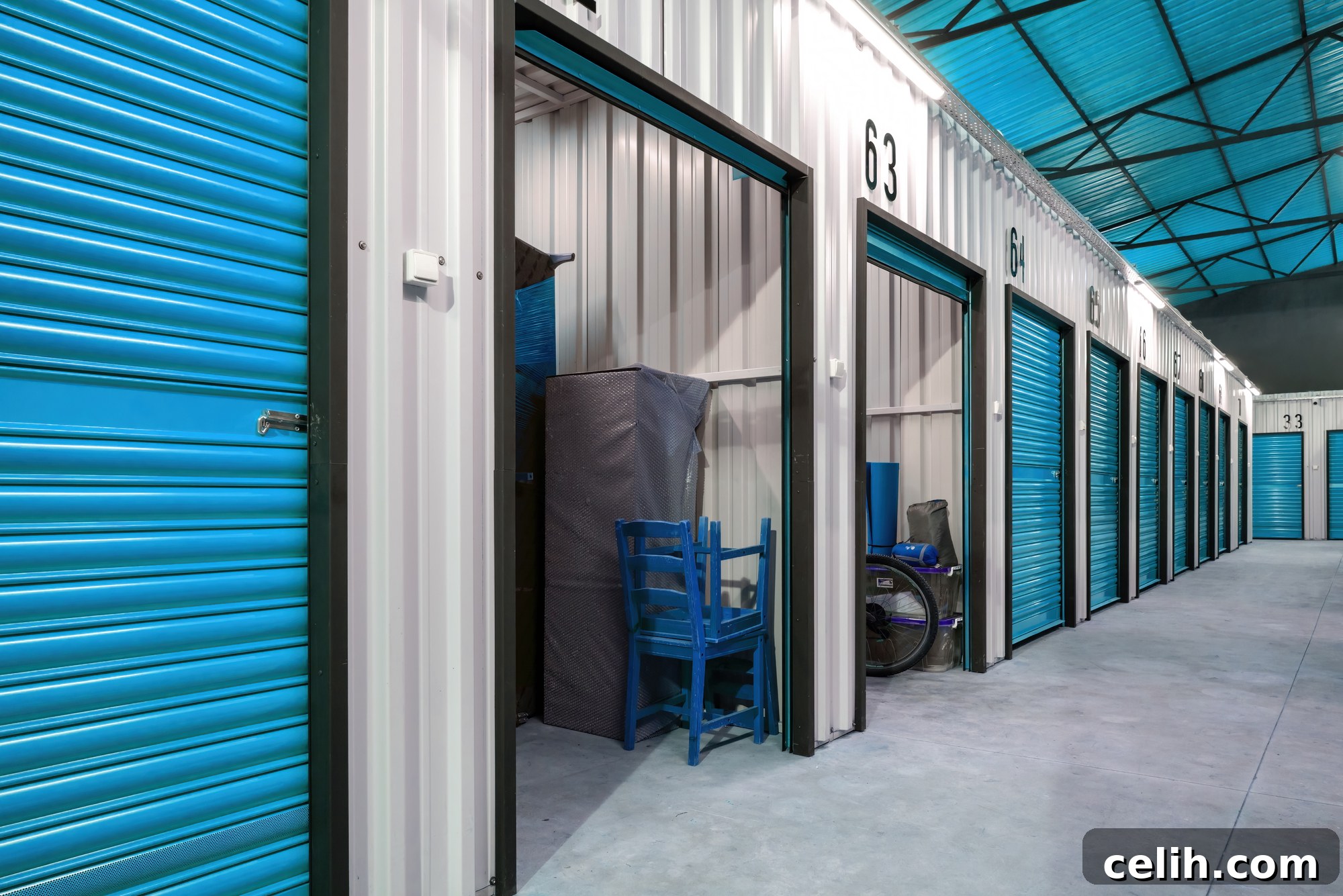
Navigating life’s transitions often brings us face-to-face with the need for extra space. Whether you’re moving, decluttering, renovating, or simply need to store cherished belongings, self-storage can be an invaluable resource. While a short-term storage solution might not require extensive scrutiny, committing to long-term self-storage carries a greater weight of responsibility. The duration of storage significantly amplifies the importance of making an informed decision, as your possessions will be housed away from your direct oversight for an extended period. Therefore, thorough research and careful consideration of various factors are paramount before you finalize a long-term self-storage agreement. This comprehensive guide will delve into the critical aspects you must evaluate, from robust security measures and essential insurance coverage to pricing strategies and the strategic importance of location, ensuring your peace of mind and the safety of your valuables.
Unwavering Security for Your Valuables
When you’re entrusting your personal or business assets to a self-storage facility for an extended duration, security transitions from a mere feature to an absolute necessity. The longer your items remain in storage, the higher the theoretical risk of an unforeseen incident, making the provider’s security infrastructure a non-negotiable criterion. A top-tier self-storage provider, like reputable industry leaders, understands this implicitly and invests heavily in multi-layered security protocols designed to deter theft and protect against damage.
Begin your evaluation by scrutinizing the physical security measures in place. This includes the perimeter fencing, often reinforced with barbed wire or electronic gates, which serve as the first line of defense. Observe the entry and exit points – are they controlled by access codes, key cards, or biometric systems? A robust access control system ensures that only authorized individuals can enter the facility grounds. Furthermore, consider the individual unit doors; they should be constructed from durable materials and feature high-quality locking mechanisms. Many facilities offer individually alarmed units, adding an extra layer of protection.
Beyond physical barriers, electronic surveillance plays a pivotal role. The presence of high-definition CCTV cameras strategically positioned throughout the facility, including hallways, entrances, and exits, is crucial. Enquire about the monitoring procedures – are these cameras actively monitored 24/7 by security personnel, or are recordings merely stored for review after an incident? Ideally, you want a facility with constant, active surveillance. Lighting is another often-overlooked aspect of security; a well-lit facility, both indoors and outdoors, reduces shadows where potential intruders might hide and enhances visibility for surveillance systems.
Finally, consider the human element of security. Is there on-site staff or security guards present during operational hours, or even around the clock? A visible human presence acts as a significant deterrent and provides immediate response capabilities in case of an emergency. Look for a facility with a strong reputation for safety and a transparent approach to their security measures. Don’t hesitate to ask detailed questions about their security protocols and what procedures are in place to safeguard your belongings over months or even years.
Essential Insurance for Peace of Mind
Even with the most advanced security systems and a diligent provider, unforeseen circumstances can still occur. Natural disasters, fires, floods, or even highly sophisticated theft attempts are possibilities that necessitate comprehensive insurance coverage for your stored items. For long-term storage, the risk exposure naturally increases, making it imperative to secure adequate protection for your valuables. Neglecting insurance can lead to significant financial loss if an incident occurs.
Your first step should be to check with the self-storage provider itself. Many reputable facilities offer their own insurance plans or require tenants to purchase coverage through a third-party partner. These plans can vary widely in terms of coverage limits, deductibles, and what types of perils they protect against. Carefully review the terms and conditions, paying close attention to exclusions. Some policies might cover damage from fire and theft but exclude water damage or natural disasters, which could be critical depending on your location and the items you’re storing.
Additionally, investigate your existing homeowner’s or renter’s insurance policy. Often, these policies extend some level of coverage to belongings stored off-site, but typically with limitations. There might be a cap on the maximum payout for items in storage, or certain high-value items might be excluded. It’s crucial to contact your insurance provider directly to understand the specifics of your coverage and determine if it’s sufficient for the value of the items you intend to store. For particularly valuable items such as antiques, artwork, or high-end electronics, you might need to arrange for a separate rider or an additional premium to ensure adequate coverage.
When calculating the amount of coverage you need, create a detailed inventory of everything you plan to store, along with its estimated replacement value. Don’t underestimate the worth of your possessions; replacing them can be surprisingly expensive. Compare the costs and benefits of the provider’s insurance, your existing policies, and any independent third-party insurance options. Opt for the solution that offers the most comprehensive protection for your specific needs, ensuring that your investment in long-term storage is truly safeguarded against unexpected events.
Understanding the Price Structure
Price is undoubtedly a significant factor in any long-term commitment, and self-storage is no exception. While securing a unit for a month or two might only be a minor expense, the cumulative cost of a long-term storage solution can add up substantially over time. It’s imperative to approach pricing with a strategic mindset, looking beyond the initial monthly rate to understand the full financial implications. A robust budget for long-term storage will account for all potential costs, preventing unwelcome surprises down the line.
Several factors influence the monthly cost of a self-storage unit. The most obvious is the size of the unit; larger units naturally command higher prices. However, it’s not just about square footage. The type of unit also plays a crucial role. Climate-controlled units, which maintain a consistent temperature and humidity level, are typically more expensive than standard units, but they are essential for protecting sensitive items like wooden furniture, electronics, artwork, documents, and musical instruments from extreme temperature fluctuations and moisture damage. Drive-up access units, which offer convenient loading and unloading, may also come at a premium compared to interior units located further from the entrance.
Location is another primary determinant of price, as facilities in densely populated urban areas or highly accessible locations often charge more. We will explore location in more detail shortly. Beyond the base rental fee, be vigilant for additional costs. These can include administrative fees, late payment charges, mandatory insurance premiums, and even property maintenance fees. Always request a clear, itemized breakdown of all costs before signing any agreement. Understand the payment terms, including due dates and acceptable payment methods, and inquire about any penalties for early termination or requirements for notice periods before moving out.
For long-term storage, many providers offer incentives or discounts to clients who commit for extended periods. These might include a reduced monthly rate for signing a six-month or annual lease, or perhaps a “first month free” promotion. Actively seek out these long-term discounts, as they can lead to significant savings over the course of your rental. Remember, the cheapest option isn’t always the best; balance cost-effectiveness with the quality of service, security, and amenities offered. A slightly higher price for superior security or climate control can be a worthwhile investment for the longevity and safety of your belongings.
The Strategic Importance of Location and Accessibility
While the idea of securing a cheaper storage unit further afield might initially seem appealing, the long-term implications of location and accessibility can quickly outweigh any upfront savings. For long-term self-storage, it’s highly probable that you will need to access your belongings at various points throughout the rental period, whether to retrieve seasonal items, swap out inventory, or simply check on your stored possessions. Therefore, the convenience of the facility’s location directly impacts your overall experience and ongoing expenses.
Consider the practicalities of travel. A storage unit located an hour’s drive away might be cheaper per month, but the cumulative cost in terms of fuel, vehicle wear and tear, and perhaps most importantly, your valuable time, can far exceed the monthly savings. If you anticipate frequent visits, a closer facility, even if slightly more expensive, will prove more economical and convenient in the long run. Evaluate the facility’s proximity to your home or workplace, and factor in traffic conditions during the times you’re most likely to visit. Easy access from major roads or highways is also a plus.
Beyond geographical proximity, consider the facility’s operating hours and access policies. Some facilities offer 24/7 access, which provides maximum flexibility, while others have more restricted hours. If your schedule demands late-night or early-morning access, ensure the facility can accommodate this. Good lighting and security in parking areas are also important considerations, especially for evening visits. A location that feels safe and is well-maintained will also contribute positively to your peace of mind.
Ultimately, the ideal location strikes a balance between affordability and accessibility. Don’t fall into the trap of choosing a unit solely based on the lowest price if it means enduring significant travel time and expense with every visit. For long-term commitments, the incremental costs and inconveniences of a poorly located facility can quickly erase any perceived savings, turning what should be a convenient solution into a recurring burden.
Unit Size and Type: Right-Sizing Your Storage
One of the most common pitfalls in long-term self-storage is selecting the wrong size or type of unit. An undersized unit leads to cramped, unorganized spaces where items are difficult to access and potentially prone to damage. An oversized unit, conversely, means you’re paying for space you don’t use. Carefully assessing your needs is crucial.
Before contacting facilities, create an inventory of everything you intend to store. Visualize your belongings packed into boxes and consider any large, oddly shaped items like furniture, appliances, or recreational equipment. Most storage facilities offer size guides or even online tools to help estimate the appropriate unit size. Don’t be afraid to ask for a tour of different unit sizes to get a physical sense of the space. It’s often better to go slightly larger if you’re on the fence, allowing for easier access and potential future additions.
Furthermore, the type of unit is as important as its size. As mentioned, climate control is vital for sensitive items. If you are storing electronics, wooden furniture, artwork, photographs, important documents, or musical instruments, a climate-controlled unit is non-negotiable. These units protect against extreme temperatures, humidity, and dust, preventing warping, mold, mildew, rust, and cracking. If your items are robust and unaffected by environmental changes, a standard unit might suffice, offering a more budget-friendly option. Consider factors like ventilation and insulation even in standard units, as some offer better protection than others.
Flexible Contract Terms and Customer Service
Long-term storage implies a significant commitment, but life is unpredictable. Your needs might change – you might move to a new city, need more space, or suddenly require all your stored items. Therefore, understanding the contract terms and the facility’s flexibility is paramount. Look for providers that offer month-to-month leases rather than locking you into long, rigid contracts, especially if your long-term plans aren’t entirely set in stone. Inquire about notice periods for vacating the unit; typically, a 30-day notice is standard. Also, ask if it’s possible to transfer to a larger or smaller unit within the same facility should your needs evolve.
The quality of customer service also heavily influences your long-term experience. You want a provider with responsive, helpful, and knowledgeable staff who can assist with any issues that arise. Are they easy to reach? Do they address concerns promptly? Good customer service can make a significant difference in managing your storage experience, particularly when you encounter questions about billing, access, or security. A facility with a strong reputation for excellent customer support and clear communication channels is always a better choice for a lasting relationship.
Preparing and Organizing for Long-Term Storage
Effective preparation and organization are key to a successful long-term storage experience. Simply dumping items into a unit can lead to frustration, damage, and wasted space. Start by thoroughly cleaning and drying all items to prevent mold, mildew, and pest infestations. Disassemble furniture where possible to save space and protect delicate parts.
Invest in high-quality packing supplies: sturdy boxes, bubble wrap, packing paper, and durable tape. Label every box clearly on multiple sides with its contents and the room it came from. Create a master inventory list, perhaps with corresponding photos, and keep it in a safe place away from the storage unit. This list will be invaluable for insurance purposes and for locating specific items quickly.
When loading your unit, place items you’ll need less frequently at the back. Heavier items should go on the bottom, with lighter boxes stacked on top. Leave a clear aisle or two if possible, to allow for easy access to items throughout the unit without having to unpack everything. Utilize vertical space with shelving units if permitted and practical. For items prone to dust or moisture, consider covering them with breathable sheets or tarps.
Maintenance and Pest Control
For long-term storage, the general upkeep of the facility is critically important. A well-maintained facility is less likely to have issues with pests, leaks, or general deterioration that could harm your belongings. During your initial visit, observe the cleanliness of the grounds, hallways, and individual units. Are there signs of rodent droppings, insect activity, or water stains? Ask about the facility’s pest control program – reputable providers will have a proactive and regular pest management strategy in place.
Also, inquire about the maintenance schedule for the facility itself. Are roofs regularly inspected? Are any necessary repairs addressed promptly? A proactive approach to maintenance ensures the structural integrity of the building, providing a secure and dry environment for your possessions over many months or years.
Treating long-term self-storage as a significant, albeit lower-consequence, investment, much like renting a house, will guide you toward making the right choices. By diligently considering security, insurance, price, location, unit type, contract flexibility, customer service, and proper preparation, you can ensure that your chosen solution is not only effective and safe but also affordable and convenient for the entire duration of its use. Due diligence in these areas will safeguard your belongings and provide unparalleled peace of mind.