
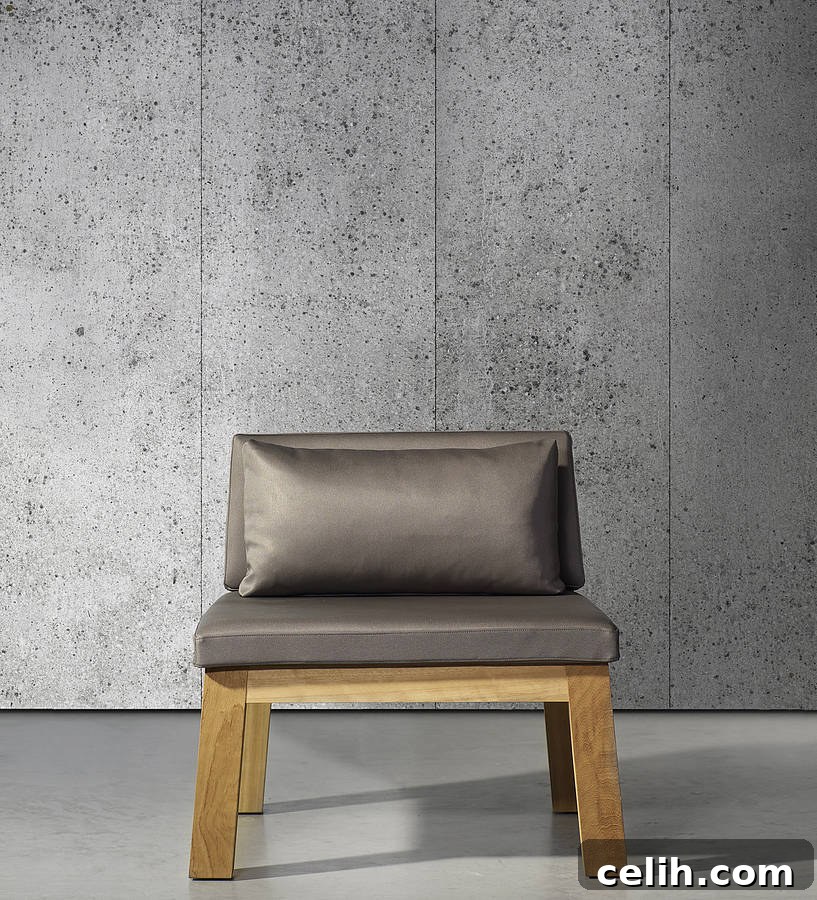
Embrace the Raw Elegance: A Comprehensive Guide to Industrial Interior Design
The industrial interior design aesthetic has surged in popularity, becoming a quintessential style for modern homes, open-plan living spaces, and urban lofts. Rooted in the utilitarian charm of factories, warehouses, and industrial facilities, this distinctive look celebrates raw materials, exposed structural elements, and a blend of functional design with robust durability. It’s a style that tells a story, offering a contemporary twist while honoring the past, making it ideal for those seeking a unique, edgy, yet comfortable home environment.
At its core, industrial design is about revealing what’s typically hidden: brick walls, concrete floors, exposed piping, and structural beams. It’s a purposeful interplay between unfinished textures and sleek, refined elements, creating a dynamic contrast that is both authentic and inviting. Whether you want to fully commit to a factory-inspired transformation or simply infuse your existing decor with a few key industrial pieces, this guide will walk you through the essential elements and practical tips to master this captivating design trend.

Showcasing Original Architectural Features
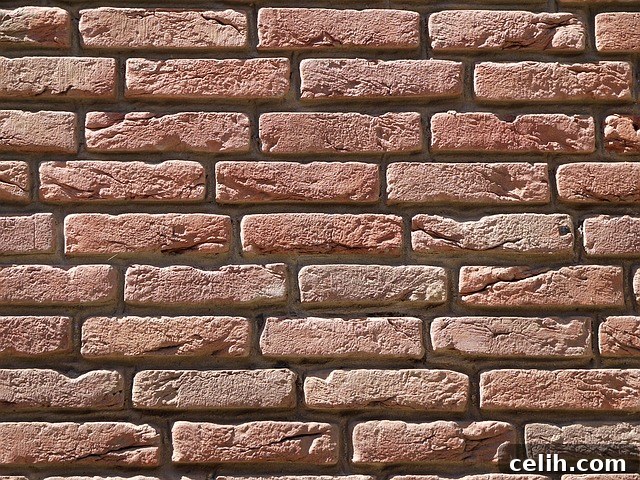
If you’re fortunate enough to live in a building with an industrial past – perhaps a converted factory, mill, or warehouse – then this design style is custom-made for your space. These buildings often come with incredible inherited features such as exposed brickwork, robust heating pipes, ventilation ducts, large steel beams, and original doorways. Instead of concealing these architectural treasures, the industrial aesthetic encourages you to highlight them, allowing them to become focal points.
Preserving these elements not only honors the building’s history and identity but also creates an intrinsically unique and modern look. The beauty lies in their raw, often imperfect texture and form. For instance, a weathered brick wall adds warmth and character, while exposed metal ductwork lends a distinct mechanical charm. When showcasing exposed pipes, consider painting the ceiling a plain, pale color to allow the pipes to stand out without overwhelming the space. This approach creates a clean visual line, drawing attention to these unique details rather than letting them blend into a cluttered ceiling. Remember, you don’t need to retain every single original feature, but carefully selecting and highlighting a few key elements will powerfully anchor your industrial design scheme, creating a seamless blend of historical context and contemporary living.
Integrating Metal Doors and Windows
Doors and windows play a crucial role in defining the industrial aesthetic, often serving as prominent architectural statements. The key here is to opt for designs that feature metal frames and fittings, reminiscent of old factory or office buildings. Look for materials like steel, iron, or even aluminum, which offer durability and a distinctive, robust appearance. Crittall-style windows, characterized by their slim metal frames and multiple panes of glass, are particularly iconic for the industrial look, allowing maximum light penetration while creating a grid-like pattern that speaks to factory architecture.
When sourcing, reclamation yards can be a treasure trove for original office doors with metal “kick strips” at the bottom, plain stainless steel handles, and push plates. Similarly, vintage windows with metal latches or robust hinges can instantly elevate the industrial feel of a room. If finding authentic pieces proves challenging, don’t despair. You can achieve a similar effect by keeping doors as plain and minimalist as possible, then adding your own industrial-inspired hardware. Think brushed metal handles, exposed hinges, and simple, sturdy push plates. Sliding barn doors, especially those made from reclaimed wood or metal, are another excellent option, offering both a space-saving solution and a strong visual statement that perfectly complements the industrial theme.
Choosing Raw and Resilient Industrial Floors
The foundation of any industrial space lies literally in its flooring. Echoing the no-nonsense functionality of old factories, industrial floors prioritize raw materials, durability, and minimal fuss. For a truly authentic industrial look, focus on materials like polished concrete, reclaimed wood, natural stone, or large-format tiles, embracing their inherent textures and imperfections.
Polished concrete is perhaps the most iconic choice, offering a sleek, minimalist, and incredibly hard-wearing surface. It can be left in its natural grey tone, stained, or sealed for a refined finish. Beyond its aesthetic appeal, concrete is easy to maintain and highly durable, making it perfect for high-traffic areas. For added warmth, consider rich wooden floors, particularly wide plank, distressed, or reclaimed timber, which bring a sense of history and organic texture. Natural stone options like slate or flagstone can also contribute to the rugged, earthy feel. When it comes to color, keep the palette neutral – think various shades of grey, earthy browns, and muted whites. To introduce comfort and a splash of color, layer the industrial floor with vibrant cotton rugs, geometric patterns, or natural fiber mats, softening the starkness without detracting from the overall raw aesthetic.
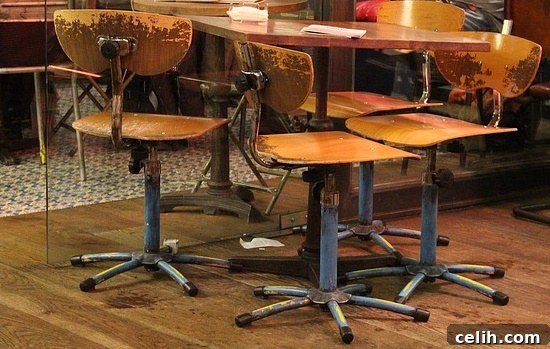
Sourcing Authentic Industrial Style Furniture
Even if your home doesn’t boast original industrial architecture, you can still infuse it with the distinctive character of this style through carefully selected furniture. This is where sustainability often meets style, as many industrial furniture pieces are either repurposed or crafted from durable, reclaimed materials. There are generally two excellent avenues to explore, both eco-friendly and full of character.
The first approach involves repurposing original office and industrial items. Think vintage filing cabinets, sturdy metal desks, classic desk lamps, and robust shelving units. These pieces often carry a patina of age and use that adds unparalleled authenticity to your decor. Look for the best quality you can find; vintage office furniture from the 1950s and 1960s, for example, was often exceptionally well-made and designed to last. Integrating these substantial pieces into a domestic setting, perhaps alongside softer, more modern items, creates an intriguing contrast and a unique narrative within your home. Excellent places to hunt for these treasures include flea markets, antique shops, online vintage marketplaces, and architectural salvage yards.
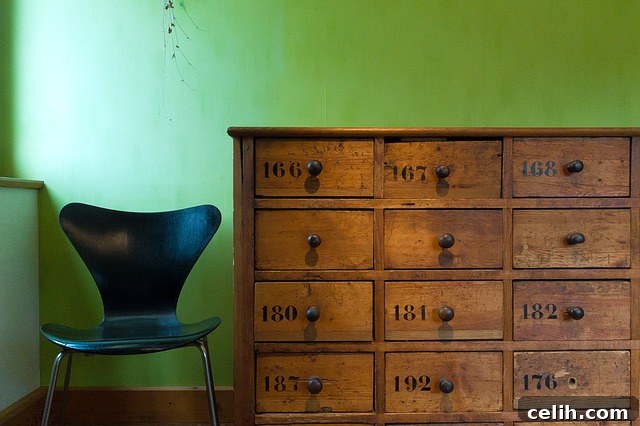
Alternatively, seek out artisans and manufacturers who specialize in creating new items from industrial or reclaimed materials. Imagine tables crafted from old cable reels, bookshelves made with scaffolding poles and reclaimed timber, or unique seating options fashioned from repurposed barrels. Many contemporary designers also produce “industrial-inspired” pieces, particularly chairs, bar stools, and tables, which incorporate elements like metal frames, distressed wood, and exposed hardware. Look for pieces that emphasize raw materials like steel, cast iron, solid wood, and leather. These new pieces often offer the desired aesthetic with modern comfort and finish, perfect for those who want a refined industrial edge without extensive restoration. The appeal of both options lies in their robust construction, inherent character, and the narrative they bring to your living space.
Selecting Functional and Atmospheric Lighting
Lighting in an industrial interior is about more than just illumination; it’s about mood, functionality, and making a statement. The guiding principle is to choose lighting fixtures that appear functional and utilitarian rather than overtly decorative or ornate. This doesn’t mean sacrificing warmth or ambiance; rather, it’s about achieving it through carefully selected fixtures and bulb types.
To prevent the effect from becoming too harsh, balance overhead lighting with a variety of lamps. Iconic industrial lighting includes metal pendant lights (often resembling old factory lamps or caged fixtures), task lamps with adjustable arms, and sturdy wall sconces. Materials like brushed steel, aged brass, copper, or enamel are ideal. For areas requiring more focused illumination, such as kitchens, dining tables, or workspaces, original or reproduction enamel hanging lights are perfect. They provide ample downlight while contributing significantly to the industrial aesthetic. Edison bulbs, with their visible filaments and warm, inviting glow, are a popular choice as they harken back to early electrical lighting and complement the raw, vintage feel. Strategically placed task lamps on desks or side tables can also add layers of light, highlighting specific areas and further enhancing the functional yet stylish atmosphere of an industrial space.
Bringing the Industrial Look Home: Curated Inspiration
Keen to transform your home with the distinct appeal of industrial design? The beauty of this style lies in its versatility, allowing you to incorporate as much or as little of the industrial aesthetic as you desire. From bold statement pieces to subtle accents, there are countless ways to infuse your living space with this robust and characterful trend. To help you visualize how these elements come together, here are some examples of industrial-inspired pieces that perfectly capture the essence of the style:
1. Industrial Metal Wall Storage
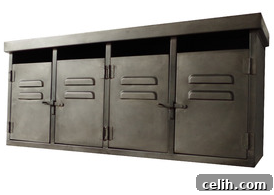
This reproduction industrial-style wall unit, with its lacquered metal finish, evokes the practicality and aesthetic of a factory locker room. It’s not just a storage solution but a piece that adds authentic, raw character to any space. Ideal for busy households, its robust construction means that a few knocks and scratches will only enhance its vintage appeal. Such a piece is perfect for hallways, utility rooms, or even a home office, offering both functionality and a strong visual statement. Found at Vincent and Barn.
2. Industrial Grey Coffee Table
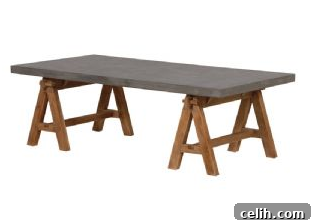
A striking industrial chic coffee table can become the centerpiece of your living area. This particular design features a sturdy wooden trestle-style base, contrasting beautifully with a sleek, grey-painted rectangular resin tabletop. This blend of natural wood and contemporary finish makes it an ideal fit for any loft-style setting, bringing together rustic charm with modern minimalism. Its solid construction and clean lines perfectly exemplify the marriage of form and function inherent in industrial design. Available from Alexander & Pearl.
3. Industrial Pendant Light in Copper
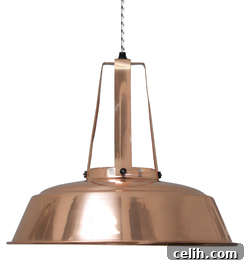
Lighting is paramount in industrial design, and a well-chosen pendant light can add a perfect vintage note. This industrial-style light, handcrafted from metal, often comes in a choice of finishes and sizes. Its utilitarian form and exposed materials make it ideal for installing above a dining table, kitchen island, or even in a hallway. The warmth of copper, for example, can soften the starkness typically associated with industrial spaces, adding a touch of elegance while maintaining the raw aesthetic. Explore similar options at Furnish.co.uk.
4. Industrial Metal Storage Unit
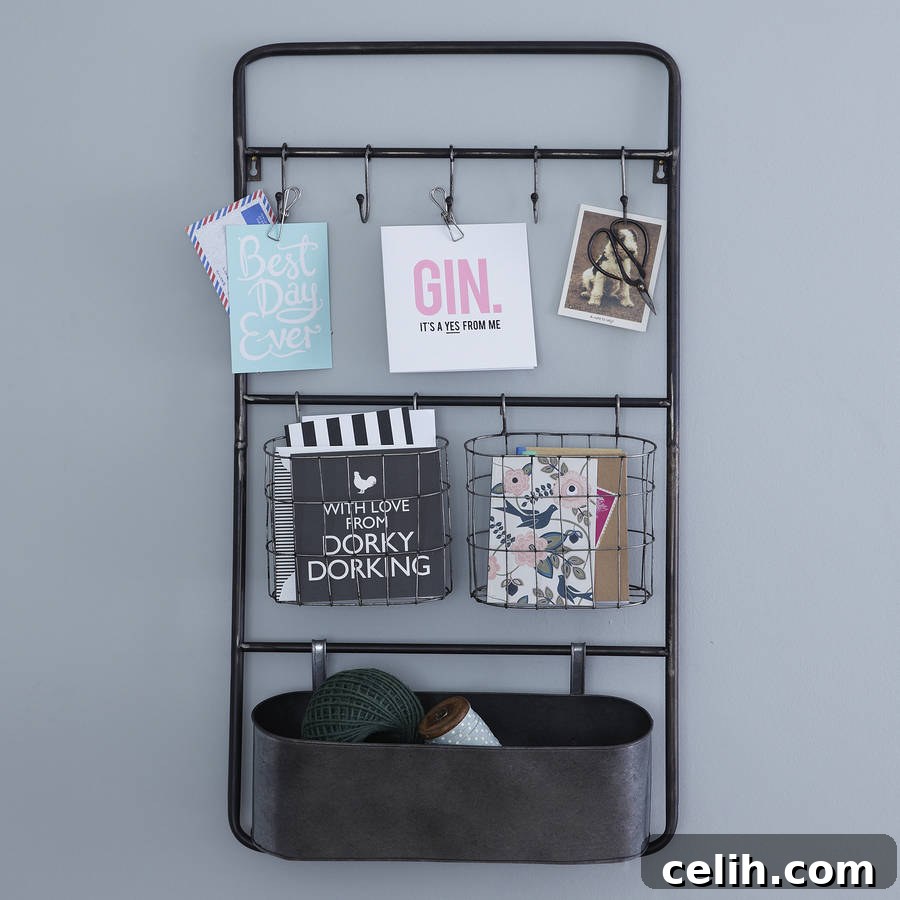
Versatility is a hallmark of industrial furniture, and this metal wall unit exemplifies it perfectly. Its minimalist design and robust metal construction allow it to seamlessly integrate into various rooms. Use it in a study to organize desk essentials and memos, keep it in your hallway for keys and umbrellas, or integrate it into your kitchen for spices and small utensils. Its open shelving and metal frame are instantly recognizable industrial elements that provide both practical storage and a stylish accent. Find similar pieces at Primrose & Plum.
5. Concrete Design Wallpaper
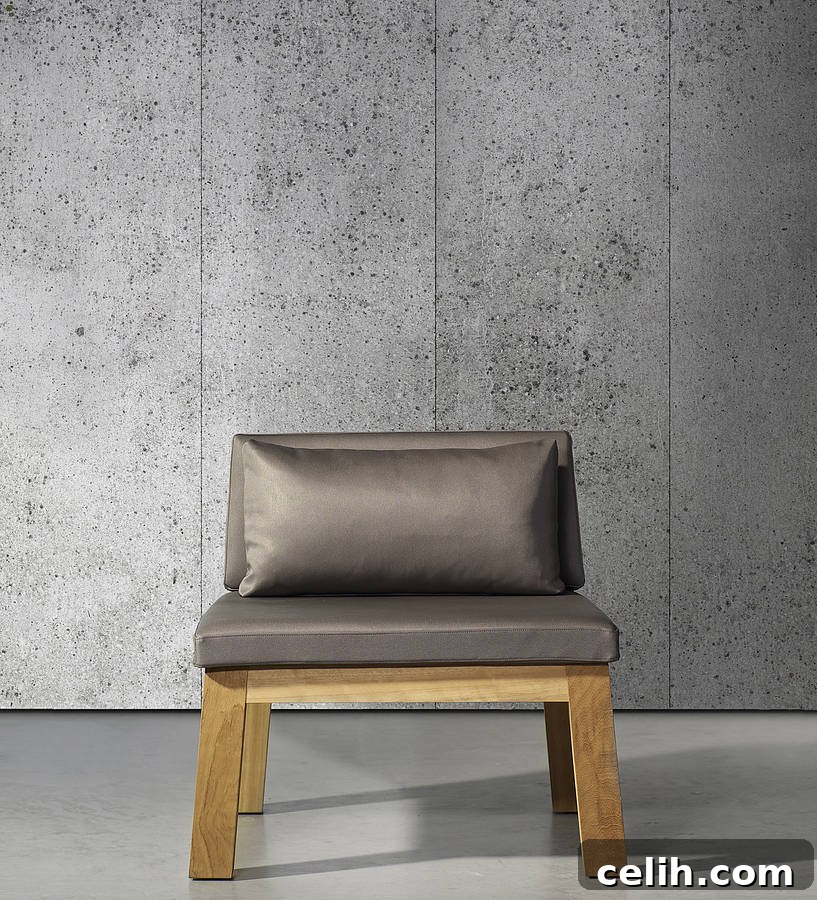
If exposed concrete walls aren’t an option, concrete design wallpaper offers a brilliant alternative for creating authentic-looking wall features. This innovative solution allows you to achieve the raw, textural appeal of concrete without the structural commitment or cost. High-quality designs, such as those by Dutch designer Piet Boon, are remarkably realistic, capturing the subtle variations and industrial chic of actual concrete. It’s a fantastic way to introduce one of the core industrial materials into your home with ease and flexibility, perfect for accent walls or an entire room. Discover innovative wall coverings at Lime Lace.
6. Industrial Pipe Hook

Even small details can make a significant impact. These industrial steel pipe hooks are a perfect example of how to introduce the style through functional accessories. Lovingly handmade and often customizable, they are ideal for hanging coats and scarves in a mudroom or entryway, or even as a distinctive jewelry hanger in a bedroom. Their raw metal finish and pipe construction directly nod to the exposed plumbing elements characteristic of industrial design. Such bespoke items add a unique, handcrafted touch that enhances the overall authentic feel of your industrial space. Explore custom industrial hardware at Industrial By Design.
Transform Your Home with Industrial Flair
Industrial interior design is more than just a trend; it’s a philosophy that celebrates honesty in materials, functionality in form, and the beauty of imperfection. By embracing elements like exposed brick, polished concrete, metal accents, repurposed furniture, and utilitarian lighting, you can create a home that is both historically rich and refreshingly modern. Whether you live in a genuine converted space or simply admire the aesthetic, incorporating these key principles will allow you to craft a home that is effortlessly cool, wonderfully resilient, and undeniably unique. Start your industrial transformation today and discover the captivating appeal of raw elegance.