
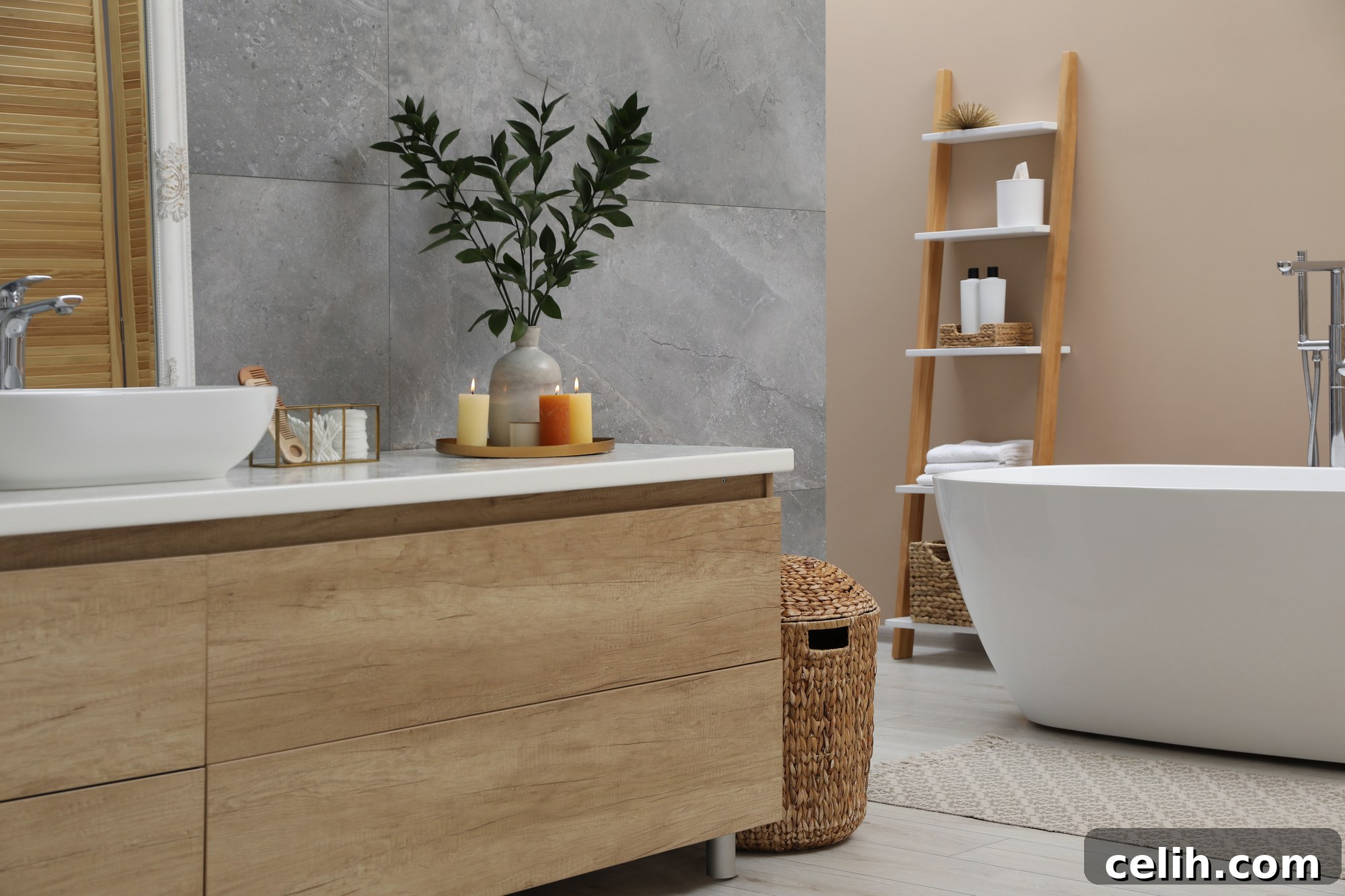
Nature’s profound influence has transcended mere aesthetics to fundamentally redefine modern home design, transforming ordinary living spaces into tranquil personal sanctuaries. This revolutionary shift involves thoughtfully integrating organic materials, colors, and textures into our interiors, thereby crafting environments that are not only visually captivating but also deeply nurturing to the soul. This approach, known as biophilic design, extends far beyond superficial appeal; it actively promotes holistic well-being, significantly reduces stress levels, and strengthens our innate connection to the natural world around us.
Whether your vision encompasses a comprehensive eco-makeover or simply aims to infuse subtle natural touches into your existing decor, the possibilities are as expansive and diverse as nature itself. Embracing this powerful design philosophy is more than just following a fleeting trend; it’s a conscious decision to craft spaces that deeply resonate with our inherent human need for natural harmony, peace, and sustainability. Such environments foster a sense of calm and rejuvenation, allowing inhabitants to thrive in a harmonious blend of human ingenuity and natural beauty.
Embrace Organic Materials for Timeless Appeal
Incorporating natural materials is a foundational pillar of biophilic design, which meticulously seeks to enhance the inherent connection between people and the natural environment. These materials not only add aesthetic depth and character but also contribute to healthier indoor air quality and promote a sense of grounded tranquility within the home. By carefully selecting and integrating these elements, you can create interiors that are both visually rich and sustainably sound.
- Wood: Revered for its unparalleled warmth, versatility, and enduring charm, wood is a cornerstone of natural design. Consider reclaimed wood for furniture pieces, exposed ceiling beams, or accent walls to introduce rich texture and a story of sustainability. Options like oak, maple, walnut, or sustainable pine can be utilized for flooring, cabinetry, shelving, or decorative panels. The inherent grain patterns and natural imperfections of wood add unique character, making each piece distinct. Opting for sustainably sourced or recycled timber significantly reduces environmental impact and brings an authentic, earthy feel to any space, fostering a sense of warmth and inviting comfort.
- Stone: Natural stone introduces an undeniable sense of permanence, elegance, and rugged beauty into interior spaces. Incorporate materials like granite, marble, quartz, slate, or limestone for countertops, backsplashes, or dramatic statement walls. These materials provide an earthy, robust vibe that beautifully contrasts with softer modern design elements. Beyond their visual appeal, stones offer exceptional durability and thermal mass, contributing to natural temperature regulation. The unique veining and color variations in each slab ensure that no two installations are identical, adding an exclusive touch of luxury and natural artistry to your home.
- Bamboo: Celebrated for its remarkable sustainability and rapid renewability, bamboo is an intelligent choice for eco-conscious home design. Its strong, flexible fibers make it ideal for flooring, furniture, woven blinds, and various decorative accents. Bamboo imparts a clean, minimalist, and contemporary aesthetic, often characterized by its light color and smooth texture. Its rapid growth cycle and minimal need for pesticides make it an environmentally friendly alternative to traditional hardwoods, providing a durable and stylish solution for modern living spaces.
- Cork: As a highly renewable resource harvested from the bark of cork oak trees without harming the tree, cork is an exceptional choice for sustainable interiors. It offers a unique combination of benefits, including being lightweight, highly sound-absorbing, naturally insulating, and soft underfoot. Cork is an excellent material for flooring, where its natural elasticity provides comfort and reduces noise. It can also be used as an aesthetic wall covering, creating textural interest, or as a material for functional design accents, such as coasters or decorative panels. Its natural, earthy tones and distinctive texture add a subtle yet sophisticated organic touch.
- Natural Fibers: Beyond hard surfaces, integrate textiles made from natural fibers like organic cotton, linen, wool, jute, and sisal. These materials are perfect for upholstery, curtains, throw blankets, pillows, and rugs. They introduce softness, warmth, and varied textures, enhancing the comfort and tactile experience of your home. Natural fibers often breathe better than synthetics, contributing to a healthier indoor environment and a serene aesthetic.
Choosing natural and sustainable materials not only supports environmentally responsible design but also creates a profoundly serene and authentic space that truly connects with the natural world. These materials age gracefully, developing rich patinas and stories over time, further enhancing their inherent beauty.
Optimize with Multi-Functional Furniture
In contemporary home design, balancing aesthetic appeal with unparalleled functionality is paramount, especially when integrating natural elements into your living space. Multi-functional furniture plays a crucial role in achieving this equilibrium, allowing you to maximize space and versatility without compromising on a nature-inspired aesthetic. These innovative pieces are designed to adapt to various needs, making them intelligent choices for compact urban dwellings, guest rooms, or home offices where space is at a premium.
Pull-out couches, often referred to as sofa beds or futons, are prime examples of this versatility. They serve as comfortable seating during the day and effortlessly convert into beds for overnight guests, making them indispensable for optimizing square footage. Whether you’re furnishing a small living area, a dedicated guest room, or a dynamic home office, comfortable sofa beds enable you to maintain a sleek, natural design while providing practical solutions for everyday living and occasional hosting.
Beyond sofa beds, the realm of multi-functional furniture includes a wide array of options that can enhance a nature-inspired home:
- Storage Ottomans and Benches: These pieces offer hidden storage for blankets, books, or games, while also serving as extra seating, footrests, or even temporary coffee tables. Opt for designs upholstered in natural fabrics like linen or jute, or crafted from solid wood.
- Nesting Tables: A set of tables that tuck neatly into one another can be pulled out as needed for entertaining or displaying decor, then stowed away to save space. Materials like reclaimed wood, bamboo, or even stone tops can align perfectly with a natural theme.
- Modular Shelving Units: Systems that can be reconfigured to suit different needs – from bookcases to room dividers – offer flexibility and can be crafted from sustainable wood or metal.
- Wall Beds (Murphy Beds): For the ultimate space-saving solution in a guest room or studio apartment, a wall bed discreetly folds into a cabinet or wall unit, freeing up significant floor space when not in use. Custom designs can incorporate wood paneling to blend seamlessly with a natural aesthetic.
Below is a comparison table highlighting standard sofa bed designs, their shapes, and typical uses, demonstrating their adaptability within a natural home setting:
| Type of Sofa Bed | Shape | Purpose |
| Day Beds | Resembles a twin bed with a back and sides, often featuring a trundle for a second mattress. | Ideal for lounging during the day and sleeping at night; perfect for guest rooms, offices, or sunrooms where space is limited. |
| Sleeper Sofas | A standard sofa design that houses a fold-out mattress within its frame. Available in various sizes, from twin to king. | Converts into a comfortable bed for guests; suitable for living rooms or larger guest areas, offering the comfort of a traditional bed. |
| Clic-Clac Sofa Beds | Features a backrest that clicks down into multiple positions to create a flat sleeping surface. | Easy to adjust and highly versatile; ideal for quick, straightforward transformations in smaller apartments or multi-functional rooms. |
When integrating multi-functional furniture into a nature-inspired home, the focus should remain on materials and finishes that seamlessly complement the organic theme. Choose pieces constructed from solid wood, bamboo, or those featuring natural fiber upholstery. To further integrate your sofa bed or other versatile pieces into a natural setting, pair them with soft furnishings made from natural fibers such as jute, wool, or organic cotton. Layering textures, such as chunky knitted throws, woven cushions, or sheepskin rugs, can provide a cozy yet aesthetically pleasing ambiance. This thoughtful approach ensures that these functional pieces don’t just blend in but actively elevate the overall harmony and comfort of your space, celebrating the balance of practicality and natural beauty.
Maximize the Power of Natural Light
Maximizing natural light stands as one of the simplest yet most profoundly impactful strategies for introducing natural elements into your home. It’s a design choice that transcends mere illumination, significantly influencing the ambiance, mood, and overall health of your living environment. Large windows, strategically placed skylights, or even the clever positioning of mirrors can work wonders in transforming a dimly lit space into a bright, inviting haven. The benefits of harnessing natural light are extensive and deeply rooted in human physiology and psychology.
Elevating Mood and Mental Well-being
Consistent exposure to natural light is a powerful stimulant for the brain’s production of serotonin, a crucial neurotransmitter directly associated with improved mood, heightened feelings of well-being, and enhanced cognitive function. This vital connection makes natural light particularly effective in mitigating symptoms of seasonal affective disorder (SAD) and generally supporting robust mental health. Bright, sunlit spaces naturally feel more expansive, uplifting, and conducive to productivity and happiness, fostering a positive psychological environment within the home. The dynamic play of light and shadow throughout the day also adds visual interest and a sense of connection to the outside world, preventing feelings of isolation.
Boosting Vitamin D Production
Sunlight is nature’s primary source of vitamin D, a hormone that plays an indispensable role in countless bodily functions. Adequate vitamin D levels are crucial for maintaining strong bone health, bolstering the immune system, regulating mood, and even supporting cardiovascular health. Incorporating ample natural light into home design ensures consistent, gentle exposure to the sun’s beneficial rays, helping to prevent deficiencies that can contribute to a wide array of health concerns. This passive intake of vitamin D is a subtle yet significant health benefit woven into the fabric of daily life.
Significant Energy Savings
Beyond its profound health benefits, optimizing natural light offers tangible economic advantages. By maximizing daylight penetration, the reliance on artificial lighting is dramatically reduced, leading to a substantial decrease in electricity consumption and, consequently, lower energy bills. Homes thoughtfully designed to take full advantage of sunlight, through features like south-facing windows or open-plan layouts, can significantly cut down on energy use for illumination, and in colder climates, passive solar gain can even contribute to heating. This eco-friendly approach not only saves money but also minimizes your carbon footprint, aligning perfectly with sustainable living principles.
Practical Strategies for Maximizing Natural Light:
- Window Treatments: Opt for sheer curtains, natural fiber blinds, or even no window coverings in areas where privacy isn’t a major concern. Avoid heavy drapes that block light.
- Reflective Surfaces: Strategic placement of mirrors opposite windows can reflect light deeper into a room, making the space feel larger and brighter. High-gloss finishes on walls or ceilings can also amplify light.
- Open-Plan Layouts: Removing internal walls or creating wider doorways allows light to flow freely between rooms, reducing dark corners and increasing overall brightness.
- Light Color Palettes: Using light, neutral colors on walls, ceilings, and large furniture pieces helps reflect natural light, making the entire space feel more open and airy.
Incorporating natural light into home design not only enhances the aesthetic appeal, creating inviting and vibrant spaces, but also fosters a healthier, more productive, and economically efficient living environment. Prioritizing sunlight in architectural planning and interior styling is a wise investment for immediate comfort, long-term well-being, and sustainable living.
Cultivate an Indoor Oasis with Plants
Bringing plants into your home is perhaps the most direct, impactful, and immediately rewarding way to enrich your space with natural beauty and vitality. Indoor plants are far more than just decorative accents; they are living elements that significantly enhance a room’s visual appeal while actively improving the air quality by absorbing harmful toxins and continuously releasing life-giving oxygen. Their presence creates a tangible connection to the outdoors, fostering a sense of calm and rejuvenation.
Consider mixing a diverse variety of plants to generate captivating textures, varying heights, and a vibrant spectrum of greens, creating a dynamic and lush indoor landscape. The right selection of plants can transform any room into a tranquil sanctuary. Here’s a comparison table of excellent indoor plants, highlighting their key benefits, light requirements, maintenance levels, and ideal placements within your home:
| Plant Name | Air Purification Capabilities | Optimal Light Requirements | Maintenance Level | Ideal Placement Suggestions | Additional Benefits / Notes |
| Snake Plant (Sansevieria) | Excellent (removes benzene, formaldehyde, trichloroethylene, xylene) | Tolerates low to bright indirect light | Very Low | Corners, bedrooms, offices (tolerates neglect, great for beginners) | Releases oxygen at night, making it ideal for bedrooms. Extremely resilient. |
| Pothos (Epipremnum aureum) | Very Good (removes formaldehyde, carbon monoxide, benzene, xylene) | Tolerates low to bright indirect light | Very Low | Near windows, hanging from shelves, on top of tall furniture (cascading vines) | Fast-growing and easy to propagate. Many varieties with variegated leaves. |
| Spider Plant (Chlorophytum comosum) | Good (removes formaldehyde, xylene, toluene) | Bright, indirect light | Low | Kitchens, bathrooms, living rooms (produces “spiderettes” for propagation) | Non-toxic to pets, adds a whimsical touch with its arching leaves. |
| Peace Lily (Spathiphyllum) | Excellent (removes ammonia, benzene, formaldehyde, trichloroethylene) | Low to medium light | Moderate (requires consistent watering) | Living rooms, bedrooms, areas with higher humidity | Produces elegant white flowers, signals thirst by drooping leaves. |
| Rubber Plant (Ficus elastica) | Good (removes formaldehyde, carbon monoxide) | Bright, indirect light | Moderate | Near windows or in well-lit areas (can grow quite large) | Large, glossy leaves make a strong visual statement. Requires occasional wiping of leaves. |
| ZZ Plant (Zamioculcas zamiifolia) | Good (removes xylene, toluene, benzene, ethylbenzene) | Very low to medium light | Very Low (extremely drought-tolerant) | Darker corners, offices (prefers dry conditions) | Nearly indestructible, perfect for those who forget to water. |
| Aloe Vera (Aloe barbadensis miller) | Minor (produces oxygen, purifies some toxins) | Bright, direct light | Low | Kitchens, sunny windowsills | Medicinal properties (sap is used for burns and skin irritations). |
For larger design statements or to truly make plants a focal point, consider installing vertical gardens or “green walls.” These living installations create striking, dynamic backdrops in living areas, dining rooms, or kitchens, turning an entire wall into a vibrant ecosystem. For spaces with limited floor area, hanging planters or floating shelves offer ingenious ways to introduce greenery at various eye levels, adding depth and visual interest without cluttering surfaces. Terrariums, showcasing miniature self-contained ecosystems, also offer a unique way to bring a piece of nature indoors, requiring minimal maintenance. The key is to select plants that thrive in your home’s specific conditions and to integrate them creatively into your existing decor, fostering a deeper, more profound connection to the natural world within your personal sanctuary.
Complementing Plants with Sustainable Flooring: Instead of traditional flooring materials that might have a higher environmental impact, consider eco-friendly options such as reclaimed hardwood, sustainably harvested bamboo flooring, or cork. These choices not only significantly reduce your environmental footprint but also add a warm, natural aesthetic that beautifully complements the greenery, creating a cohesive and sustainable interior design.
Create a Seamless Indoor-Outdoor Haven
Extending the principles of eco-friendly and biophilic design beyond your interior spaces to create a seamless indoor-outdoor haven is crucial for truly integrating nature into your lifestyle. The goal is to blur the boundaries between your home and the natural world, allowing for a continuous flow of light, air, and aesthetic harmony. This approach enhances the perceived size of your living space and deepens your connection to the environment, fostering a constant sense of tranquility and openness.
One of the most effective ways to achieve this integration is through architectural elements that promote open transitions. Large sliding glass doors, bi-fold doors, or French doors can open up entire walls to connect living rooms or kitchens directly to patios, decks, or gardens. This creates an expansive feeling, inviting fresh air and natural light deep into your home. Constructing wooden decks or stone pathways that extend from your interior flooring material outward can further enhance this seamless blend, using materials that visually and physically link the two realms.
For outdoor spaces, focus on sustainable landscaping and design:
- Decks and Patios: Use naturally durable and sustainably sourced wood for decks, or permeable pavers and natural stone for patios. These materials offer longevity and blend aesthetically with the environment.
- Pergolas and Awnings: Incorporate these structures to provide natural shade and create comfortable outdoor living areas, perfect for dining or lounging. They can also support climbing plants, further integrating greenery.
- Native Plantings: Choose native plants for your garden beds, as they require less water, fertilizer, and pest control, supporting local ecosystems and biodiversity.
- Water Features: Adding a small pond, fountain, or even a bird bath can introduce the soothing sounds of water and attract local wildlife, enhancing the sensory experience of your outdoor haven.
- Outdoor Lighting: Opt for solar-powered lighting or low-voltage LED systems to illuminate pathways and highlight landscape features, extending the usability of your outdoor spaces into the evening without high energy consumption.
- Kitchen Gardens: Dedicate a section of your outdoor space to growing herbs, vegetables, or fruits. This not only provides fresh produce but also connects you directly to the process of cultivation and seasonality.
For more ambitious landscaping tasks, such as handling large natural materials like heavy stones for pathways or the strategic placement of mature trees, utilizing specialized equipment can significantly enhance efficiency and support the realization of your design vision. For instance, skid steer attachments can extend the versatility of compact machinery, making it easier to manage earthmoving, material transport, and intricate landscaping details that emphasize indoor-outdoor connections. Ensuring that quality construction parts are used in any machinery involved guarantees smooth operation, reduces project delays, and ultimately supports the successful completion of nature-inspired home projects that are built to last.
Bringing Nature Home: A Holistic Approach to Living
Incorporating natural elements into your home design transcends simple aesthetic choices; it represents a profound commitment to creating a balanced, sustainable, and profoundly rejuvenating environment. This holistic approach empowers you to craft a living space that not only pleases the eye but also nurtures your spirit, enhances your well-being, and strengthens your fundamental connection to the Earth. It’s about designing a lifestyle rather than just a space, where every element contributes to a harmonious existence.
By consciously prioritizing materials, light, textures, and colors derived directly from nature, you can achieve a home that doesn’t just look inviting but actively feels serene, nurturing, and incredibly authentic. This intentional design fosters an atmosphere where stress dissipates, creativity flourishes, and a deep sense of peace prevails. From the grounding presence of natural wood and stone to the life-affirming vibrancy of indoor plants and the mood-boosting embrace of abundant natural light, each choice contributes to a more mindful and healthful living experience.
Whether you choose to embark on minor updates, like adding a few carefully selected plants or swapping out synthetic textiles for natural fibers, or undertake a complete redesign that reimagines your entire living space, these natural design principles will serve as your guiding compass. They empower you to create a home that truly harmonizes with the world outside your walls, offering an enduring sanctuary of peace, beauty, and sustainability. Your home becomes a living testament to the powerful, transformative beauty of nature, providing a constant source of inspiration and tranquility for all who reside within its thoughtfully designed spaces.