
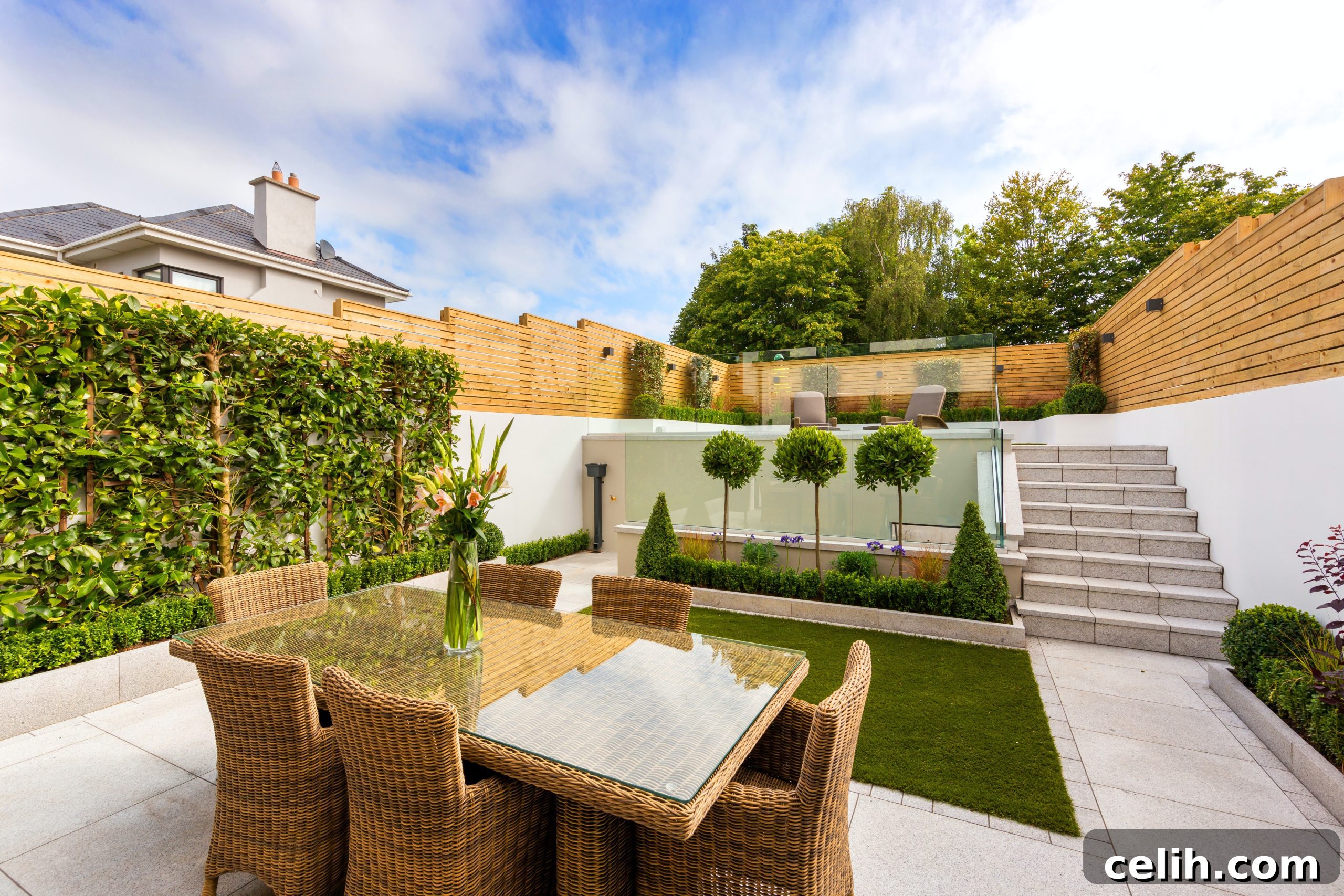
Designing a garden is an exciting endeavor, transforming an outdoor space into a personal sanctuary. However, before planting the first shrub or laying the initial paver, a crucial decision awaits: determining the optimal balance between lawn, planting areas, and patio space. This ratio isn’t merely an aesthetic choice; it fundamentally shapes the garden’s functionality, maintenance requirements, and overall ambiance. Understanding how these elements interact is key to creating a landscape that truly meets your needs and desires.
The perfect ratio is unique to every homeowner, influenced by lifestyle, climate, architectural style, and personal preferences. It’s a dynamic interplay that demands careful consideration, ensuring your garden becomes a harmonious extension of your home rather than a collection of disparate elements. This comprehensive guide will walk you through the essential factors to weigh when defining your ideal garden layout, helping you craft a space that is both beautiful and practical.
Define Your Garden’s Core Purpose
The very first step in garden design is to envision how you intend to use your outdoor space. What aspirations do you hold for your garden? Is it primarily a haven for quiet contemplation and relaxation, a vibrant hub for outdoor dining and entertaining, a playground for children and pets, or a fertile ground for cultivating plants and connecting with nature?
Each of these purposes dictates a different allocation of space. For instance, if your dream garden revolves around hosting lavish barbecues and social gatherings, a more generous patio area will be paramount. This provides ample room for outdoor furniture, a grill, and comfortable circulation for guests. Conversely, if your passion lies in growing organic vegetables, nurturing a diverse array of flowers, or creating a wildlife-friendly habitat, a larger proportion of planting beds and possibly a smaller, functional lawn would be more appropriate. Many homeowners seek a blend of these functions, necessitating a thoughtful division of zones to cater to various activities without compromising the overall flow.
Consider the following core functions:
- Relaxation and Solitude: A quiet corner with comfortable seating, perhaps a hammock or a serene water feature, often benefits from lush planting for privacy and a soft lawn underfoot.
- Outdoor Dining and Entertaining: Requires a robust patio space, ideally near the kitchen, for easy access. This area needs to accommodate dining tables, chairs, and potentially a barbecue or outdoor kitchen setup.
- Children’s Play Area: A durable lawn is often the go-to for active play, complemented by designated zones for swings, sandpits, or other play structures. Safety and visibility are key here.
- Gardening and Cultivation: This demands dedicated planting beds, raised gardens, or even a small greenhouse. The ratio here will heavily favor soil and plant life over hardscaping.
- Pet Zones: Animals often benefit from a resilient lawn area for exercise, along with carefully chosen non-toxic plants.
By clearly defining your primary and secondary uses, you can prioritize areas and begin to sketch out a functional layout that supports your lifestyle. Don’t be afraid to combine elements; a well-designed garden can seamlessly transition from an entertaining patio to a tranquil planted retreat.
Embrace Practicality and Functionality in Design
Beyond aesthetics, a successful garden must be practical and functional, designed to enhance your daily life. When determining the ideal lawn-to-patio-to-planting ratio, consider how you and others will navigate and utilize the space regularly. This involves thoughtful planning of traffic flow, considering privacy needs, and selecting materials suited to your climate and lifestyle.
Traffic Flow and Accessibility: Think about the pathways people will take through your garden. Do they lead naturally from one zone to another? Are they wide enough for comfortable passage, especially if you have guests or need to move garden equipment? Patios should be easily accessible from the house, and main garden paths should connect key features. If you have children or individuals with mobility challenges, consider gentle slopes instead of steps and wider, slip-resistant surfaces.
Privacy and Sun Exposure: The placement of your patio is paramount. Ideally, it should receive optimal sunlight during the times you plan to use it most, whether for morning coffee or evening meals. However, privacy is equally important. Strategic planting of hedges, installation of fences, or even the addition of a pergola with climbing plants can create intimate, secluded zones, shielding your outdoor activities from direct view of neighbors. Evaluate your garden’s microclimates – areas that get full sun, partial shade, or deep shade – and plan your patio, lawn, and planting zones accordingly. Sun-loving plants will thrive in bright spots, while shade-tolerant varieties will flourish elsewhere.
Considering Children and Pets: Families with children or pets will often prioritize a robust lawn area for play. The type of grass chosen is crucial; it needs to withstand heavy foot traffic and be resilient. For pets, ensure plant choices are non-toxic and that any hardscaping materials are comfortable for paws. Designating specific play zones can help protect more delicate planting areas.
Climate and Grass Selection: The choice of grass profoundly impacts both the functionality and maintenance of your lawn. Warmer, arid regions might benefit immensely from drought-resistant varieties like Bermuda or Zoysia grass, significantly reducing water consumption and upkeep. Zoysia plugs, for instance, offer a long-term, low-maintenance solution, particularly suitable for transitional climates where they establish a dense, hardy lawn that tolerates both heat and some cold. Conversely, cooler zones may require hardier fescues or ryegrasses that can withstand frost. Always match your grass selection to your garden’s specific sun exposure, soil type, and the level of usage it will receive.
Drainage Solutions: Proper drainage is a critical, yet often overlooked, aspect of garden design. Patios must be sloped slightly away from the house to prevent water accumulation. Lawns also require good drainage to prevent waterlogging, which can damage grass and plants. Consider incorporating permeable paving materials or French drains in areas prone to standing water to protect your investment and ensure usability after rain.
Evaluate Maintenance and Upkeep Commitments
Your available time and willingness to commit to garden maintenance are arguably one of the most significant determinants of your ideal lawn-to-patio-to-planting ratio. A beautiful garden requires ongoing care, and understanding your capacity for this upkeep will prevent future frustration and ensure your outdoor space remains a source of joy, not a chore.
The Allure of Low-Maintenance: If your schedule is packed or you simply prefer to spend less time on strenuous gardening tasks, leaning towards a larger patio area is often a wise choice. Materials like porcelain paving are incredibly durable, stain-resistant, and require minimal maintenance, typically only needing an occasional sweep or pressure wash. Composite decking offers similar benefits, providing an attractive, splinter-free surface that resists rot and pests with little fuss. Even choosing gravel paths or artificial turf can dramatically reduce the time spent on weeding, mowing, and watering, allowing you more time to relax and enjoy your outdoor space.
The Demands of a Lush Lawn: Conversely, a significant lawn area, while offering aesthetic appeal and functionality for play, demands consistent attention. Regular mowing, edging, fertilizing, weeding, and watering are standard tasks required to keep a lawn looking healthy and vibrant. The frequency of these tasks varies with climate and grass type, but none can be entirely neglected without visible deterioration. A larger lawn means more time dedicated to these activities, or a greater expense if professional lawn care is hired.
The Joys and Toils of Planting: Planting beds, while offering unparalleled beauty and biodiversity, also require ongoing care. This includes seasonal planting, pruning, deadheading, weeding, mulching, pest and disease management, and regular watering. The intensity of this care depends on your plant selection. Drought-tolerant native plants generally require less intervention once established, whereas exotic or high-performance annuals might demand daily attention. Consider incorporating low-maintenance shrubs and perennials that provide continuous interest with minimal fuss.
Water Usage and Sustainability: Beyond labor, consider the environmental impact and cost of watering. Larger lawns and extensive planting schemes often require significant irrigation, especially in drier climates. Exploring drought-tolerant planting, efficient irrigation systems (like drip lines for beds), and rainwater harvesting can mitigate these concerns and contribute to a more sustainable garden. Ultimately, a realistic assessment of your time, budget, and passion for gardening will guide you to a ratio that supports a sustainable and enjoyable outdoor lifestyle.
Cultivate Balance and Harmonious Design
The essence of exceptional garden design lies in achieving a harmonious balance between all its components. Aim for a ratio that not only fulfills functional requirements but also complements the architectural style of your home and integrates seamlessly with the surrounding natural landscape. A well-balanced garden feels cohesive, inviting, and visually appealing from every angle.
Visual Flow and Cohesion: Beyond the main patio, lawn, and planting beds, consider how elements like pathways, borders, and garden features contribute to the overall visual flow. Pathways made of stepping stones or gravel can gracefully transition between zones, while neatly defined borders using edging materials create a sense of order and separation without feeling rigid. The goal is to avoid abrupt changes and instead create a natural progression through the garden, guiding the eye from one interesting feature to the next.
Architectural Integration: Your garden should feel like a natural extension of your home. A modern minimalist house might pair well with clean lines, geometric patios, and structured planting, while a rustic cottage could benefit from softer, more informal planting schemes and natural stone pathways. The materials you choose for your patio, retaining walls, and pathways should echo or complement the materials used in your home’s exterior, creating a unified aesthetic.
Establishing Focal Points: Every well-designed garden benefits from focal points that draw the eye and add character. While the patio might serve as a primary gathering point, consider introducing other elements that capture attention. This could be a striking sculpture, a serene water feature that adds both visual and auditory interest, a majestic specimen tree, or an artfully arranged collection of potted plants. Strategic placement of these features can create distinct “rooms” within your garden, adding depth and intrigue. Outdoor lighting can also transform these focal points at night, extending the usability and beauty of your garden into the evening hours.
Texture, Color, and Proportion: Pay attention to the interplay of textures (smooth paving, soft grass, varied foliage), colors (from blooms and foliage), and proportions within your design. Ensure that elements are scaled appropriately to the size of your garden and home. A massive sculpture might overwhelm a small courtyard, just as tiny details might get lost in an expansive landscape. Thoughtful plant selection can provide continuous color and interest throughout the seasons, adding vibrancy to your outdoor space.
By carefully considering these design principles, you can move beyond simply allocating space to actively shaping an environment that is not only functional but also deeply aesthetically pleasing, creating a truly harmonious outdoor living experience.
Consider Professional Guidance When Needed
While DIY garden design can be incredibly rewarding, sometimes the complexity of achieving your vision, especially for larger or more challenging spaces, warrants professional expertise. If your budget allows, engaging a landscape architect or garden designer can be one of the best investments you make in your outdoor living space. These professionals bring a wealth of knowledge, creativity, and practical experience that can transform your garden into something truly spectacular.
Benefits of Professional Expertise:
- Expert Design Concepts: Professionals can provide innovative design solutions tailored to your specific needs, climate, and architectural style. They can visualize the potential of your space in ways you might not, offering creative layouts, material suggestions, and planting schemes that thrive in your local conditions.
- Problem Solving: They are adept at addressing complex challenges such as difficult terrain, poor drainage, privacy concerns, or integrating existing features. They can devise effective solutions that ensure both functionality and aesthetic appeal.
- Optimized Layout and Flow: A professional can expertly guide the allocation of space, ensuring optimal ratios of lawn, patio, and planting areas for seamless transitions and maximum usability. They understand how to create engaging pathways, define zones, and establish focal points that enhance the entire garden experience.
- Material and Plant Selection: With extensive knowledge of materials and horticulture, they can recommend durable, suitable paving options, a diverse range of plants (including native and drought-tolerant varieties), and even sustainable landscaping practices that align with your maintenance preferences.
- Project Management: Many professionals also offer project management services, overseeing the installation process, coordinating contractors, and ensuring the design is executed to the highest standards. This can save you significant time and stress.
- Long-Term Value: A professionally designed garden often increases your property’s value and provides a more enduring, beautiful, and functional outdoor space that you will enjoy for years to come. Their initial planning can also prevent costly mistakes down the line.
When to Consider Professional Help:
- You have a large or unusually shaped garden.
- Your project involves significant structural changes like retaining walls, extensive paving, or complex water features.
- You’re unsure how to integrate different functional zones or create a cohesive look.
- You have specific accessibility needs.
- You’re aiming for a highly sophisticated or unique design.
- You simply lack the time or confidence to undertake a large-scale garden design project yourself.
A professional consultation can provide you with invaluable insights and a clear roadmap, whether you ultimately decide to implement the design yourself or engage their services for the entire project. Their expertise can help you create a fabulous garden space that truly reflects your vision and enhances your home for years to come.
Ultimately, designing your garden’s ratio of lawn, planting, and patio space is a deeply personal journey. By carefully considering your lifestyle, practical needs, maintenance commitment, and aesthetic aspirations, you can craft an outdoor environment that is not only visually stunning but also profoundly functional and uniquely yours. Whether you embark on this adventure alone or with the guidance of a professional, thoughtful planning is the cornerstone of a garden that you will cherish season after season.