
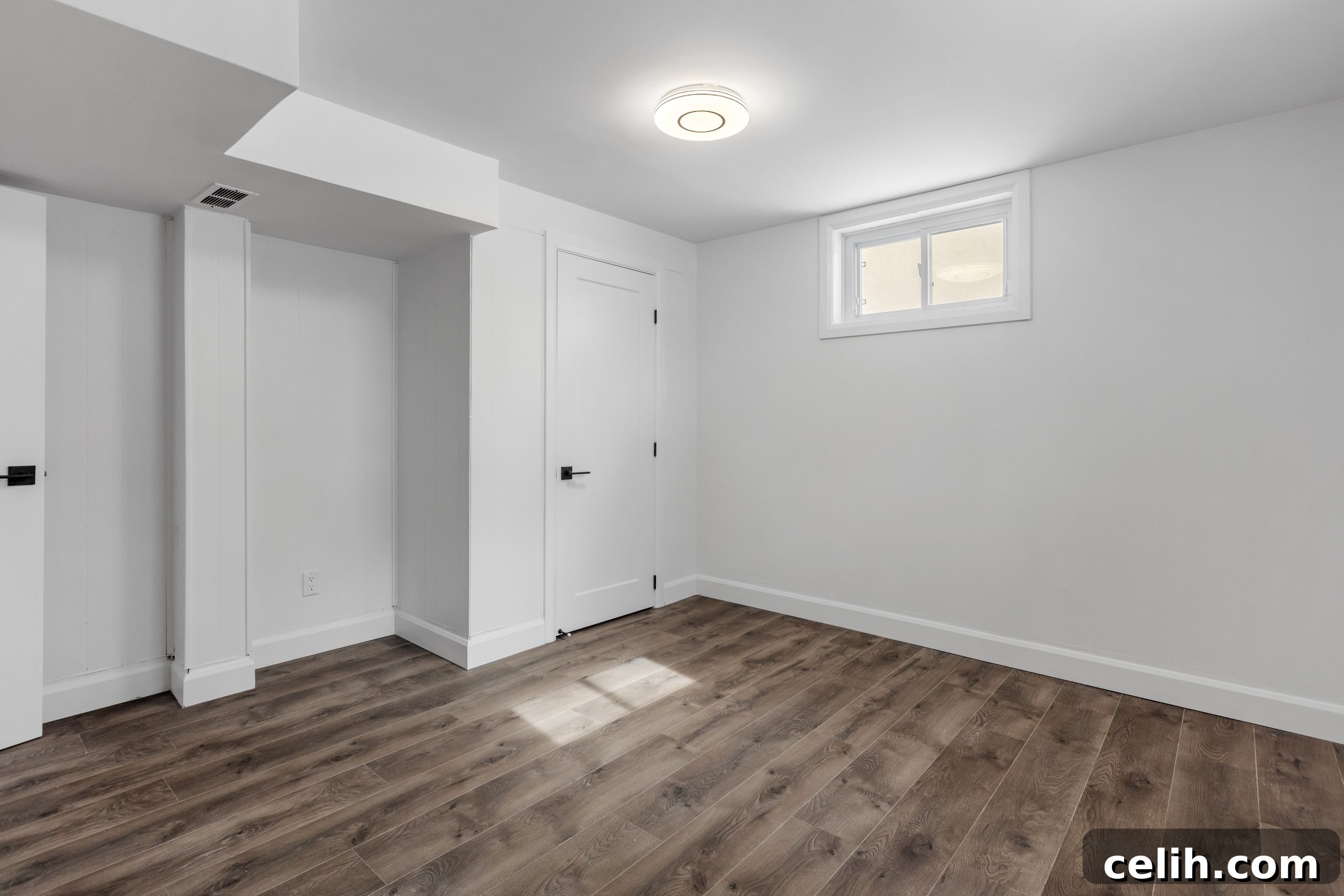
Living in Toronto and the Greater Toronto Area (GTA) offers a vibrant lifestyle, but it also presents unique challenges for homeowners, particularly concerning property integrity. The region’s distinct geological characteristics, including a prevalent high water table, expansive clay soil, and seasonal climate fluctuations, significantly increase the risk of basement flooding and serious structural issues. To effectively safeguard your most valuable asset against these environmental pressures, proactive measures like professional sump pump installation and robust underpinning are not just beneficial—they are often essential. This comprehensive guide delves into the vital roles these services play in protecting your home, preserving its value, and ensuring peace of mind across Toronto and the GTA.
Essential Home Protection: Sump Pump Installation and Underpinning in Toronto & GTA
Understanding the Need for Sump Pump Installation in Toronto Homes
A sump pump is an indispensable device designed to prevent water accumulation and subsequent flooding in the lowest parts of your home, typically the basement or crawl space. Functionally, it comprises a collection pit (or sump pit), a powerful pump, and a discharge pipe. When groundwater or rainwater seeps into the sump pit—often triggered by heavy rainfall, rapid snowmelt, or a high water table—a float switch activates the pump. This immediately redirects the collected water safely away from your home’s foundation and into a designated drainage area, such as a storm drain, dry well, or another appropriate discharge point, effectively preventing potential water damage. For residents in Toronto and the GTA, securing expert Toronto sump pump installation is a crucial step in maintaining a dry and healthy living environment. Professional teams possess the expertise to conduct thorough basement assessments, meticulously install the sump pit at the lowest point, properly integrate the pump, and ensure the discharge pipe effectively channels water away from your property. Opting for experienced professionals guarantees a correctly installed, reliable sump pump system that offers robust protection against the costly and inconvenient consequences of basement flooding.
Key Benefits of Professional Sump Pump Installation
Investing in a high-quality sump pump system provides a multitude of advantages for homeowners in the GTA:
- Superior Flood Protection: The primary benefit is the significant reduction in the risk of basement flooding. By efficiently removing excess water, sump pumps safeguard your property against extensive water damage to walls, flooring, personal belongings, and critical infrastructure like furnaces and water heaters.
- Mold and Mildew Prevention: Damp basements are notorious breeding grounds for mold and mildew. A properly functioning sump pump eradicates the conditions for moisture buildup, preventing the growth of these harmful fungi, which can cause unpleasant odors, structural deterioration, and potential health issues for residents.
- Enhanced Indoor Air Quality: By controlling basement humidity and preventing mold, a sump pump contributes to healthier indoor air quality throughout your entire home. This is particularly beneficial for individuals with allergies or respiratory sensitivities.
- Preservation of Structural Integrity: Persistent water intrusion can weaken your home’s foundation over time, leading to cracks, settlement, and other costly structural problems. Sump pumps play a vital role in preventing such damage by keeping the foundation dry and stable.
- Increased Property Value: A well-maintained and reliable sump pump system is an attractive feature for potential buyers, demonstrating a proactive approach to home maintenance and protection. It signals a lower risk of future water-related issues, thereby enhancing your property’s market appeal and resale value.
- Peace of Mind: Knowing your home is equipped with a dependable defense against water intrusion provides invaluable peace of mind, especially during periods of heavy rain or snowmelt.
- Potential Insurance Benefits: Some home insurance providers may offer reduced premiums or more comprehensive coverage to homes equipped with professionally installed sump pump systems, acknowledging the reduced risk of water damage claims.
Factors to Consider When Choosing a Sump Pump System
Selecting the right sump pump for your Toronto home requires careful consideration of several factors:
- Capacity (Horsepower & Gallons Per Minute – GPM): The pump’s capacity must be appropriately matched to the size of your basement or crawl space and the typical volume of water it needs to handle. Factors like local rainfall intensity and the likelihood of a high water table in your area will influence the required horsepower and GPM rating for efficient water removal.
- Power Source & Backup Systems: While most sump pumps rely on household electricity, a power outage during a severe storm can render them useless. Consider models that integrate with a battery backup system, or even water-powered pumps, to ensure continuous operation even when the main power supply fails.
- Pump Type: Various types of sump pumps are available, each with distinct advantages:
- Submersible Pumps: These pumps are designed to operate while fully submerged in the sump pit. They are quieter, take up less space, and are generally more powerful and durable.
- Pedestal Pumps: With the motor positioned above the sump pit, pedestal pumps are easier to access for maintenance and typically less expensive. However, they are generally noisier and can be less aesthetically pleasing.
- Battery Backup Pumps: These secondary pumps activate automatically if the primary pump fails or loses power, offering an essential layer of redundancy.
- Combination Systems: Some manufacturers offer integrated primary and battery backup pumps in a single unit for ultimate reliability.
- Material Quality: Pumps made from durable materials like cast iron or stainless steel offer greater longevity and resistance to corrosion compared to plastic models.
- Alarm Systems: Look for pumps that can be equipped with alarms to alert you if the pump fails or if water levels rise dangerously high.
- Automatic vs. Manual Operation: Most modern sump pumps are automatic, activating via a float switch. Manual pumps require human intervention, which is generally not recommended for continuous flood protection.
What Sump Pump Installation Involves
The process of professional sump pump installation in Toronto is a multi-step procedure that ensures optimal function and lasting protection:
- Comprehensive Basement Assessment: A professional will conduct a thorough inspection of your basement or crawl space to identify the ideal location for the sump pit and pump. This assessment considers the lowest point of the floor, existing drainage patterns, and proximity to electrical outlets and suitable discharge areas.
- Excavation of Sump Pit: The selected area will be carefully excavated to create a cylindrical hole for the sump pit liner. The size and depth of the pit are determined by the chosen pump’s specifications and the anticipated water volume.
- Sump Pit Installation: A durable liner, typically made of plastic or fiberglass, is placed into the excavated pit. This liner collects water from the surrounding soil or perimeter drainage systems, directing it to the pump.
- Pump Installation and Plumbing: The chosen sump pump is then carefully placed inside the sump pit. A check valve is installed on the discharge pipe immediately above the pump to prevent water from flowing back into the pit once the pump shuts off, ensuring efficient operation.
- Discharge Pipe Routing: A discharge pipe is securely connected to the sump pump and routed through the basement wall or rim joist to direct water safely away from the foundation. It’s critical that the discharge pipe terminates at least 10-20 feet away from the foundation, sloping downwards to prevent water from recirculating back towards the house.
- Electrical Connection: The pump is connected to a dedicated ground fault circuit interrupter (GFCI) outlet to ensure safe electrical operation. For battery backup systems, the battery and charging unit are also installed and connected.
- Testing and Calibration: After installation, the entire system is thoroughly tested by pouring water into the sump pit to ensure the pump activates correctly, discharges water efficiently, and the check valve functions as intended.
Underpinning: Strengthening Foundations in Toronto and the GTA
Underpinning is a specialized construction technique used to reinforce, strengthen, or increase the depth of an existing building’s foundation. This process is particularly vital in Toronto and the GTA due to the region’s characteristic clay soil composition, which is prone to shifting, expansion, and contraction with changes in moisture content and temperature. Factors like frost heave, soil erosion, and inadequate original foundation depth can all contribute to foundation settlement, causing cracks in walls, uneven floors, and significant structural instability. Services for underpinning in Toronto are therefore indispensable, addressing these unique geotechnical challenges. By engaging experienced and certified professionals, property owners can ensure their underpinning projects are executed safely, efficiently, and to the highest standards, providing long-lasting structural integrity and stability for buildings throughout the GTA.
Significant Benefits of Foundation Underpinning
Underpinning offers critical advantages, particularly for older homes or properties experiencing foundation distress:
- Restores and Reinforces Foundation Strength: Underpinning directly addresses foundational weaknesses by reinforcing the existing structure, ensuring it can effectively bear the building’s load and withstand external pressures from the surrounding soil. This prevents further settlement and stabilizes the entire structure.
- Prevents Future Structural Issues: By increasing the depth of the foundation, underpinning moves the foundation footings to more stable soil strata, preventing future settlement, differential movement, and the associated risks of wall cracks, bowing, and other structural damage.
- Increases Usable Basement Space: One of the most sought-after benefits of underpinning is the ability to increase basement headroom. By lowering the basement floor, homeowners gain additional vertical space, making the basement suitable for full-height remodeling projects, creating new bedrooms, a home office, or a secondary living unit. This significantly maximizes the usable space and potential value of your home.
- Boosts Property Value: A structurally sound foundation is a major selling point. Underpinning not only resolves existing issues but also acts as a long-term investment that significantly enhances your property’s value and marketability.
- Mitigates Water Infiltration: By stabilizing the foundation and often incorporating waterproofing measures during the process, underpinning can reduce pathways for water to enter the basement, complementing the role of a sump pump system.
- Code Compliance and Safety: Underpinning projects, especially those that increase ceiling height, ensure the basement meets current building codes for ceiling height and structural safety, which is essential for any renovation or for creating legal secondary dwelling units.
Key Considerations Before Committing to Underpinning
Before proceeding with an underpinning project, several critical factors must be thoroughly evaluated:
- Comprehensive Site Conditions & Geotechnical Report: The underlying soil type (e.g., expansive clay, sandy loam), groundwater levels, and the existing foundation’s condition are paramount. A professional geotechnical engineer must conduct a soil investigation to determine the most appropriate underpinning method and design.
- Accessibility to the Foundation: Access limitations around the foundation and inside the basement can influence the choice of underpinning method and the overall project logistics. Limited access may necessitate specialized equipment or more labor-intensive techniques.
- Project Budget and Cost Implications: Different underpinning methods vary significantly in cost, depending on the scope of work, soil conditions, foundation depth, and chosen materials. It’s essential to obtain detailed quotes and understand all potential expenses, including permits, engineering fees, and potential interior finishing costs.
- Building Permits and Regulations: Underpinning is a major structural alteration and almost always requires local building permits. Compliance with Toronto and GTA municipal building codes is non-negotiable, and proper permits ensure the work is inspected and meets safety standards.
- Structural Engineering Assessment: A licensed structural engineer must assess your home’s foundation, design the underpinning plan, and oversee the project to ensure structural integrity and compliance with engineering standards.
- Project Timeline: Underpinning is a complex, time-consuming process. Understand the anticipated timeline for excavation, installation, and curing times, which can vary based on weather conditions and the chosen method.
What’s Involved in the Underpinning Process
The underpinning process is meticulous and involves several critical stages, typically overseen by structural engineers and experienced contractors:
- Initial Assessment and Design: A structural engineer evaluates the existing foundation, assesses soil conditions (often with a geotechnical report), and designs a customized underpinning plan, specifying the method and materials.
- Site Preparation and Safeguarding: The area around the foundation is cleared, and necessary precautions are taken to protect the rest of the structure. This may involve shoring up internal walls, relocating utilities, and setting up safety barriers. Careful excavation exposes sections of the existing foundation.
- Phased Excavation (Pits/Piles): Underpinning is almost always carried out in sections, or “pits,” to avoid undermining the entire foundation simultaneously. Small sections of soil beneath the existing foundation are excavated according to the engineer’s design.
- Existing Foundation Support & Extension:
- Traditional Mass Concrete: For this common method, concrete is poured into the excavated pit, extending the existing foundation deeper into stable soil. Once the concrete cures, the next section is excavated.
- Piled Underpinning: For more challenging soil conditions or deeper foundations, methods like micro-piles, helical piers, or mini-piles are used. These involve driving steel piles deep into the ground until they reach stable bearing strata, then attaching them to the existing foundation.
- Completion and Restoration: Once all sections of underpinning are complete and the new foundation has cured (if concrete is used), the excavated areas are backfilled, and the site is restored. This includes ensuring proper grading for drainage and repairing any disturbed landscaping or interior finishes.
- Final Inspection: A municipal inspector and the structural engineer typically conduct a final review to ensure all work adheres to the approved plans and local building codes.
Hiring a Professional for Sump Pump Installation and Underpinning
Both sump pump installation and especially underpinning are complex projects that demand specialized knowledge, technical expertise, and adherence to stringent safety standards. Attempting these tasks without professional assistance can lead to improper installation, further damage, safety hazards, and costly repairs down the line. Hiring a reputable professional for these critical services is paramount to ensuring quality workmanship, long-lasting results, and the ultimate protection of your home.
What to Look for in a Qualified Professional
When seeking a professional for sump pump installation and underpinning in Toronto and the GTA, a thorough vetting process is crucial:
- Extensive Experience: Prioritize contractors with a proven track record and extensive experience specifically in sump pump installation and foundation underpinning projects within the Toronto and GTA region. They should be intimately familiar with local soil conditions, climate challenges, and building codes.
- Specialized Knowledge: Ensure the professional team includes or works closely with licensed structural engineers for underpinning projects. Their expertise is indispensable for proper assessment, design, and oversight. For sump pumps, look for plumbing or waterproofing specialists.
- Licensing, Bonding, and Insurance: Verify that the contractor holds all necessary business licenses and is fully bonded and insured. Liability insurance protects you from financial responsibility in case of accidents, injuries, or property damage during the project.
- Permit Acquisition: For underpinning and often for significant sump pump installations, permits from the local municipality are required. A reputable contractor will handle all necessary permit applications and ensure the work passes required inspections.
- References and Reputation: Always ask for references from previous clients and take the time to contact them. Additionally, check online reviews on reputable platforms (Google, Homestars, Better Business Bureau) to gauge customer satisfaction and the company’s overall reputation.
- Detailed Proposals and Contracts: A professional contractor will provide a comprehensive, written proposal outlining the exact scope of work, materials to be used, project timeline, payment schedule, and a detailed cost estimate. Avoid contractors who offer vague estimates or demand large upfront payments without a clear contract.
- Warranties and Guarantees: Inquire about the warranties or guarantees offered on their workmanship and the installed products. A strong warranty provides assurance regarding the longevity and quality of the repair or installation.
- Communication and Professionalism: Observe their communication style. A reliable professional will be transparent, responsive to your questions, and provide clear explanations throughout the process.
Critical Questions to Ask Before Hiring
Before making a final decision, ask these essential questions to prospective contractors:
- “How long have you been in business, and what specific experience do you have with sump pump installation and underpinning projects in the Toronto/GTA area?”
- “Can you provide references from previous clients whose projects were similar to mine, and may I contact them?”
- “Are you licensed, bonded, and insured? Please provide proof of your current credentials and insurance certificates.”
- “Will you obtain all the necessary permits for the project from the local municipality, and who will be responsible for coordinating inspections?”
- “What specific warranties or guarantees do you offer for your workmanship and the materials or equipment installed?”
- “Can you provide a detailed, written proposal outlining the scope of work, timeline, materials, and complete cost breakdown?”
- “What steps will you take to minimize disruption to my home and property during the project?”
- “How do you handle unforeseen issues or changes that might arise during the project?”
Conclusion: Securing Your Investment with Expert Protection in Toronto & GTA
In the dynamic environment of Toronto and the Greater Toronto Area, safeguarding your home against basement flooding and structural vulnerabilities is paramount. Sump pump installation and professional underpinning are not merely home improvement projects; they are fundamental investments in the long-term stability, safety, and value of your property. By understanding the critical benefits, the specific factors to consider, and the detailed processes involved in these essential services, you empower yourself to make informed and proactive decisions about protecting your most significant asset.
Remember, the expertise required for both effective basement waterproofing and foundational reinforcement is significant. Choosing a professional with a proven track record, appropriate licensing, comprehensive insurance, and an unwavering commitment to quality is crucial. Seeking professional assistance ensures that these vital projects are executed correctly, providing you with the invaluable peace of mind that comes from knowing your property is robustly protected against the region’s unique environmental challenges. Don’t defer these essential preventative and restorative measures; invest wisely in sump pump installation and underpinning to keep your Toronto home dry, secure, structurally sound, and valuable for decades to come.