
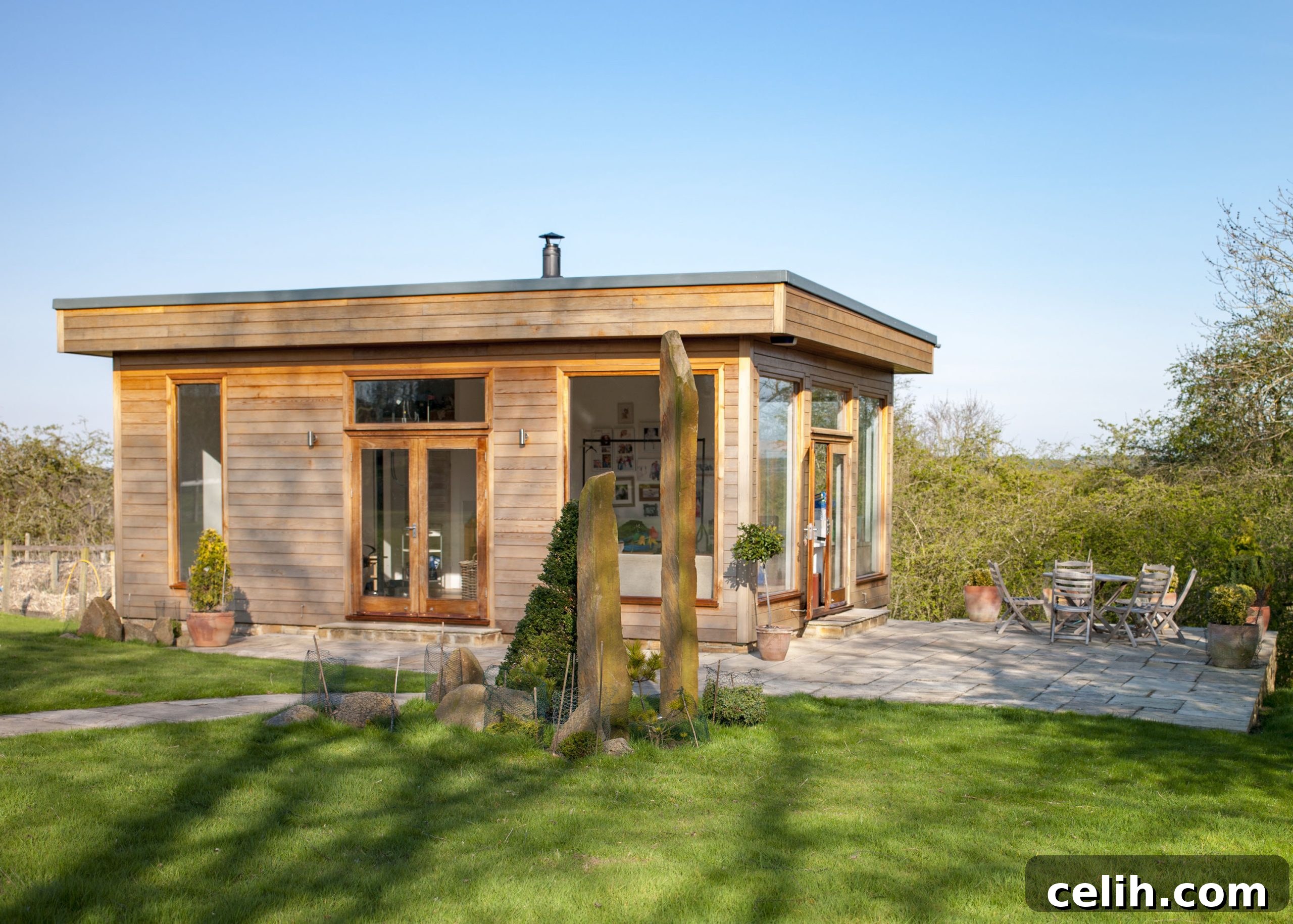
Imagine a dedicated sanctuary just steps from your back door, a space perfectly tailored for your passions, work, or pure relaxation. A stylish garden room offers the ultimate in luxury outdoor living, providing a unique opportunity to inject a stand-out space within your landscaped surroundings. Whether it’s for entertaining esteemed guests, finding quiet solace to recharge your batteries, or pursuing a hobby, a garden room is more than just an outbuilding; it’s an extension of your lifestyle.
Often less costly and challenging than embarking on a full home extension, designing a bespoke garden room allows you to create a stylish, functional, and deeply personal additional space that masterfully merges the indoors with the beauty of the outdoors. Beyond the immediate lifestyle benefits, these versatile structures are known to significantly enhance property value, with reports suggesting an increase of up to 15% to the value of your property. More than just a financial asset, a well-designed garden room instantly uplifts a tired garden, transforming an underutilised area into an inspirational and purposeful structure that breathes new life into your entire home environment.
Plan Your Perfect Garden Room: Defining Its Purpose and Potential
The journey to your ideal garden room begins with meticulous planning, focusing intensely on its intended use. From the outset, envision precisely how you will inhabit and utilise this unique space. Consider the exact amount of room you’ll need for essential furnishings, any specific appliances, or perhaps dedicated gym equipment. Is your primary objective to cultivate a peaceful home office, a dedicated gym space for invigorating workouts, a specific area to practise your golf swing, or a serene retreat for mindfulness and yoga? Clearly defining its purpose early on will guide every subsequent design decision, from its size and layout to the interior finishes.
Once the intended use is crystal clear, the next crucial step is determining the optimal location within your garden. This involves a thoughtful assessment of views, the patterns of natural sunlight throughout the day, and convenient access from your main home. A technique known as ‘sun mapping’ your garden is invaluable not just for understanding prime planting spots, but also for identifying where you can maximise natural light and solar heat to better position a garden room. By strategically situating windows to the south, east, or west, you can harness abundant natural light, reduce the need for artificial lighting, and even contribute to passive heating during colder months. Conversely, understanding sun paths helps avoid excessive direct sunlight streaming into a garden office during peak working hours, preventing glare and overheating. Additionally, consider factors like privacy, proximity to existing utilities, and how the room will integrate visually with your overall garden landscape. A well-chosen location enhances both the functionality and aesthetic appeal of your new outdoor haven.
Designing an Ergonomic Layout: Maximising Space and Functionality
When planning the intricate layout of your garden room, carefully weigh the benefits and drawbacks of enlisting a professional architect or designer versus embarking on a DIY project. While consulting the right professionals, often sourced through trusted recommendations, might entail a higher initial budget, their invaluable expertise can be pivotal in navigating complex design challenges and ensuring optimal functionality. If your outdoor room is envisioned as an integral component of a larger garden design project, their insights will be crucial in advising on the best possible positioning within the wider context of your garden renovations, ensuring seamless integration and aesthetic harmony.
For those opting to undertake the design of the garden room independently, immerse yourself in a wealth of online inspiration. Explore various styles and concepts, focusing intently on the final appearance and atmosphere you aspire to create. Beyond aesthetics, several critical practical considerations must be addressed:
- Size and Dimensions: Precisely calculate the required footprint. For an extra living room, a dedicated home office, or a robust gym studio, you’ll need to meticulously consider the features, layout, and how these impact the maximum capacity for furniture and equipment. Accurately measure your available garden space and design accordingly, ensuring ample room for movement and comfort.
- Ease of Access: Determine the most practical and aesthetically pleasing entry point. Will access be directly from the house, perhaps via a connecting pathway, or through a separate gate for greater independence? Consider pathways, decking, or stepping stones to create an inviting approach.
- Maximising Natural Light: To bathe the interior in streams of invigorating natural light, strategically incorporate features such as skylights and large, expansive windows. These elements not only illuminate the space but also foster a strong connection with the surrounding garden, enhancing the overall sense of openness and tranquility.
- Electrics and Power Cables: Plan for comprehensive electrical connectivity. This includes power for efficient lighting systems, comfortable heating or cooling, reliable internet access for home offices, and charging points for various devices. Ensure professional installation and consider discreet cable management solutions.
- Good Insulation: Prioritise energy efficiency from the outset. Robust insulation in the walls, floor, and roof is paramount for ensuring year-round usability, maintaining a comfortable internal temperature, and minimising energy costs. Proper insulation is key to transforming your garden room into a truly versatile space regardless of the season.
- Clutter-Free Storage: Integrate clever and ample storage solutions within your design. Custom-built shelves, sleek cupboards, and built-in wardrobes can keep the space tidy and functional, preventing clutter from detracting from the room’s aesthetic and purpose.
- Multifunctional Furniture: Select furniture pieces that are not only comfortable and stylish but also versatile and resilient. Opt for inside/outside furniture that can withstand varying environmental elements, or choose items that serve dual purposes, such as sofa beds for guest accommodation or ottomans with hidden storage.
- Ventilation and Climate Control: Beyond insulation, plan for adequate ventilation to prevent dampness and ensure fresh air circulation. Consider options like extractor fans for gyms or kitchenettes, and explore heating/cooling solutions such as electric radiators, air conditioning units, or even underfloor heating for ultimate comfort.
- Security Measures: As an additional structure, security is vital. Incorporate robust locks on doors and windows, consider alarm systems, and potentially external lighting with motion sensors to protect your investment and its contents.
A Phased Approach: Building Your Garden Room and Spreading the Costs
Embarking on the construction of your garden room in manageable stages can make the entire project less daunting and significantly more achievable, particularly for budget-conscious homeowners. Before any ground is broken, thoroughly evaluate your garden terrain and drainage areas. This initial assessment will help determine if the ground requires professional levelling or if a raised floor foundation is a more appropriate solution for your specific site conditions. For a smooth and risk-free build, it is imperative to meticulously research the local rules and regulations concerning size and height restrictions for permitted structures. In many regions, garden rooms and sheds fall under ‘permitted development rules’, meaning they often do not require full planning permission, provided they adhere to specific criteria regarding height, proximity to boundaries, and overall volume.
The first tangible stage involves laying the robust foundations and installing the floor structure. This creates a solid, stable, and level base upon which the rest of your garden room will be built. This foundational work is critical for the longevity and structural integrity of the entire building. Next, the focus shifts to enclosing the structure. This stage involves the crucial elements of erecting the walls, constructing a watertight roof, and fitting high-quality windows and doors. Completing this shell allows you to protect the interior from the elements, providing a clear visual representation of your progress. By breaking the build down into these distinct stages, you not only make the process more manageable but also gain the flexibility to spread the costs over time, alleviating immediate financial pressure.
Once you have a fully enclosed and watertight shell, complete with a secure roof, you can then proceed to engage professional tradespeople to install the essential services. This includes bringing in skilled electricians for all lighting, power outlets, and heating systems, and plumbers if your design incorporates a small kitchenette or a WC. Following the installation of these critical services, attention turns to optimising comfort and energy efficiency. High-performance insulation can then be meticulously added to the walls, floor, and ceiling, complemented by effective ventilation systems to ensure a healthy internal environment. Only after these vital structural and service elements are in place are you truly ready for the exciting interior fit-out. This final stage involves fitting the chosen flooring, installing any bespoke storage units, fixing light fixtures, and arranging your carefully selected furnishings. Finally, the delightful task of decorating can begin, allowing you to infuse your personal style and complete your perfect garden retreat, transforming it from a mere structure into a vibrant, living space.
Embracing Sustainability: Opting for Eco-Friendly Design and Materials
For an environmentally-friendly and truly sustainable garden room, the selection of materials is paramount. Prioritise opting for renewable, recycled, or locally sourced materials wherever possible. Consider fast-growing, sustainable options like bamboo or ethically sourced reclaimed wood for structural elements such as floors, walls, and roof beams. These choices not only reduce your carbon footprint but often bring unique character to the building. When it comes to your flooring, select materials that are not only durable but also inherently suitable for the varied weather conditions and foot traffic it will experience. Materials such as high-quality tile, engineered wood with a robust finish, or resilient vinyl planks are excellent choices, offering both longevity and aesthetic appeal.
Furthermore, the choice of insulation is crucial for the energy efficiency of your garden room. Move beyond conventional materials and explore natural fibre products like sheep’s wool, hemp fibre, or recycled denim. These sustainable options boast excellent thermal properties, ensuring your garden room remains warm in winter and cool in summer, significantly reducing energy consumption. Similarly, for all windows and doors, invest in energy-efficient glazing, such as double or even triple-glazed units. These advanced glazing solutions dramatically reduce heat loss during colder months and effectively attract additional passive heat from the sun, further contributing to a comfortable and energy-efficient internal environment. Beyond materials, consider incorporating other eco-friendly design principles, such as rainwater harvesting systems for garden irrigation or even integrating solar panels on the roof to generate your own renewable energy, truly making your garden room a beacon of sustainable living.
Exploring Aesthetic Versatility: Modern and Traditional Styles
The world of garden room design offers an expansive palette of traditional and modern decorative styles, allowing you to craft a space that perfectly reflects your personal taste and harmonises with your existing home and garden. The fundamental choice often lies between embracing a contemporary aesthetic, characterised by sleek lines, minimalist forms, and features such as rendered or brick walls, expansive glass, and a clean, uncluttered look, or opting for a minimalist Scandi-style decor, which prioritises natural materials, functional design, and a light, airy feel. Conversely, if your preference leans towards a rustic, cosy cottage aesthetic, consider incorporating charming painted timber wall panels, exposed beams, and carefully curated vintage furnishings to evoke a sense of warmth and timeless comfort.
Beyond the overarching style, carefully consider how you intend to use the space and select furniture and accessories that align with your preferred design, creating a comfortable, highly functional area tailored precisely to your needs. This is where personality truly shines through. Inject character and warmth into the space through thoughtfully chosen artwork, luxurious soft furnishings like cushions and throws, carefully designed lighting schemes that create different moods, and an abundance of natural greenery with indoor plants. These elements collectively elevate the look and feel of the room, making it feel inviting and lived-in. Pay meticulous attention to small, yet impactful, details such as decorative curtain ties, unique cushions, and sumptuous rugs, as these can significantly elevate the overall aesthetic. Functionality can be beautifully integrated with style by fitting weatherproof shelving and cabinets on the exterior, providing handy storage for garden tools or outdoor essentials while keeping clutter discreetly hidden, maintaining the serene atmosphere of your garden retreat.
The Final Flourish: Adding Distinctive Finishing Touches
After all the significant structural work has been meticulously completed and your garden room stands as a robust shell, it’s time for the most exciting phase: adding those all-important finishing touches. This is where your vision truly comes to life, transforming a mere structure into a beautifully styled and welcoming garden retreat. Carefully chosen furnishings are key to giving your garden room that coveted ‘wow factor,’ creating interiors that exude chic sophistication and provide the ultimate in comfort and style.
Pay close attention to your colour palette. The chosen colours for your walls should harmonise seamlessly with your soft furnishings – think coordinated cushions, curtains, and rugs. This cohesive approach, combined with thoughtfully designed lighting, will enable you to craft that perfect ambience, whether you desire a vibrant workspace or a tranquil haven. For a striking focal point and to enhance the exterior appeal, consider incorporating concrete pavers for elegant pathways leading to the room or a modern patio area immediately outside. These elements add both functionality, providing clear access, and a contemporary touch to the surrounding outdoor space. Inside, consider adding a charming log burner for warmth and a rustic focal point, or an eccentric piece of wall art or unique shelving to infuse interest and personality. Bring the refreshing essence of the outdoors in by adorning the space with lush indoor plants and vibrant flowers. Complement this natural beauty with a careful selection of natural materials in your decor, such as wood, stone, or woven textures. Finally, don’t overlook the smaller yet impactful details: well-chosen curtains that frame your garden views, curated artwork that sparks joy, and a collection of accessories that tie the entire space together for a truly polished and inviting finish.
Enhancing and Adapting Your Garden Room Over Time
With careful initial planning and a clear understanding of your requirements, the purpose of this additional space becomes evident. Yet, the beauty of designing your own garden room lies not only in its immediate utility but also in its inherent flexibility. The exciting process of creation, coupled with the undeniable fact that a well-designed garden room significantly boosts your home’s value, culminates in a structure that, once completed, might even rival the most stunning rooms within your main house. With thoughtful, weather-resistant furnishings, a judicious selection of high-quality materials, and appropriate fittings, a garden retreat is incredibly versatile. It can effortlessly double up as a dynamic functional space for lively entertainment, a peaceful sanctuary for personal relaxation, or an invigorating area for working up a sweat.
One of the most appealing aspects of a garden room is its capacity for evolution. Over time, and as the seasons change or your lifestyle needs shift, you can continuously enhance and adapt the space. This might involve refreshing the layout to accommodate new hobbies or family dynamics, adding new pieces of furniture or equipment, or simply adjusting the decor with updated soft furnishings, paint colours, or accessories. This adaptability ensures that your garden room remains fresh, inviting, and perfectly aligned with your evolving needs, solidifying its place as a truly enduring and valuable asset to your home for many years to come.