
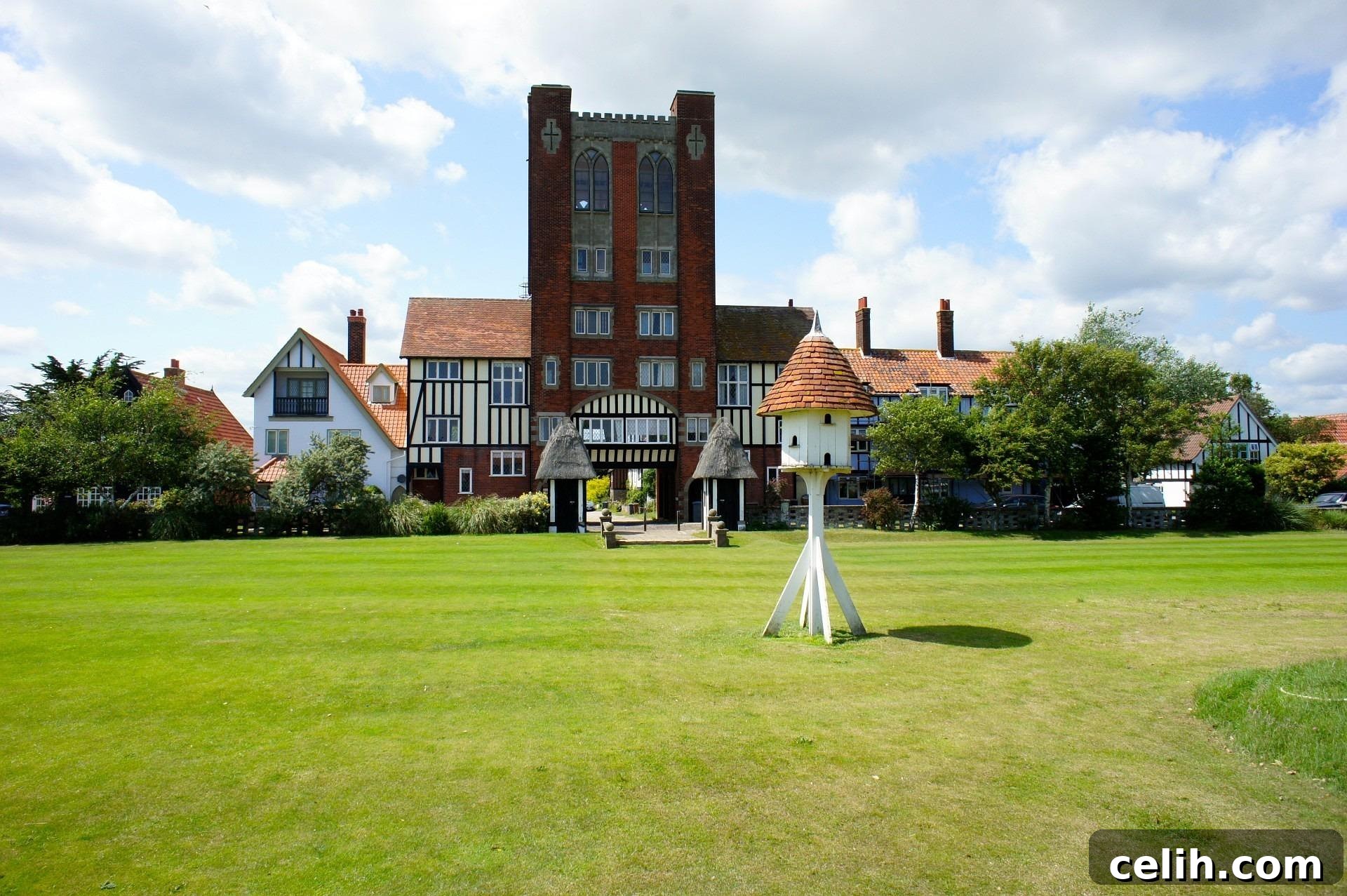
Traditionally, country clubs have been synonymous with vast, meticulously manicured fairways and grand, imposing clubhouses. These bastions of leisure and community have long offered an escape, yet their architectural paradigms have often viewed the surrounding landscape as a beautiful backdrop rather than an integral component of the built environment. However, a significant shift is underway in modern design, turning the attention inwards and redefining the fundamental relationship between architecture and its natural surroundings. This evolution is spearheaded by the philosophy of biophilic design, a groundbreaking approach that seeks to seamlessly integrate natural elements and processes into human-made spaces, transforming country clubs into immersive, harmonious environments where nature and architecture coexist in perfect synergy.
Biophilic design posits that humans possess an innate tendency to connect with nature and other living systems. When applied to country clubs, this philosophy moves beyond mere aesthetics, deeply influencing the design of clubhouses, terraces, and wellness facilities. The goal is to cultivate spaces that not only look out onto nature but actively bring nature indoors, fostering a profound sense of well-being, tranquility, and enhanced connection among members. This transformative approach results in environments that are not only visually stunning but also ecologically sound and experientially rich, truly embodying a holistic harmony between the built world and the ecological landscape.
Embracing Biophilic Design: A New Paradigm for Country Clubs
Biophilic design is rooted in the powerful philosophy that human beings thrive when they maintain a constant, meaningful visual and physical connection with the natural world. Far from merely treating the landscape as an external embellishment, this method profoundly integrates natural elements directly into the very fabric of the building’s structure and the selection of its materials. In the exclusive context of a country club, this integration often commences with fundamental design decisions concerning orientation and the harnessing of natural light, setting the stage for an environment that feels intrinsically connected to its surroundings.
The application of biophilic principles manifests in several key architectural and design choices within modern country clubs. Instead of small, framed windows, we now see expansive window systems that provide panoramic vistas of rolling greenery, serene water features, and distant mountain ranges, effectively blurring the lines between indoor comfort and outdoor beauty. Strategic cross-ventilating strategies are meticulously planned and implemented to minimize reliance on mechanical heating and cooling systems, inviting fresh air to circulate naturally and creating a comfortable, naturally tempered interior climate. Furthermore, there is a conscious pivot towards using natural, locally sourced materials such as robust stone, warm timber, and earthy textured plaster, all chosen to echo the inherent character and palette of the surrounding terrain. These material selections not only provide a tactile connection to nature but also imbue the spaces with authenticity and a sense of place.
Beyond these foundational elements, innovative measures are being embraced, such as the growing trend of green roofs. These living rooftops extend the natural landscape over the club’s buildings, offering numerous benefits. They significantly enhance insulation, reducing energy consumption for heating and cooling, and play a crucial role in effective stormwater management by absorbing rainfall and minimizing runoff. Moreover, green roofs contribute to local biodiversity, create additional usable outdoor spaces, and provide a visually appealing, verdant fifth façade. These thoughtful design decisions collectively boost both the environmental performance and the aesthetic continuity of the country club, creating spaces that are both sustainable and intrinsically beautiful.
Seamless Harmony: Landscape and Architectural Integration
One of the most distinct advantages country clubs possess over dense urban developments is an abundance of open space. This invaluable spatial freedom empowers architects to design not against the existing topography, but in profound collaboration with it. Rather than imposing rigid structures onto the land, biophilic design allows for the creation of buildings that gracefully conform to the natural contours and characteristics of the site, fostering an architecture that appears to grow organically from its surroundings.
This approach is leading to the increasing popularity of low-level buildings that are carefully sited to maintain unobstructed, sweeping views over the golf course, lakes, or natural landscapes. These structures often feature terraced surfaces that are built to follow the gentle undulations and natural lines of the terrain, rather than cutting aggressively across them. This sensitive integration minimizes disruption to the natural ecosystem and enhances the visual flow between the built and natural environments. Furthermore, exterior courtyards are meticulously oriented and designed to harness prevailing breezes, providing natural cooling and inviting members to engage with the outdoor environment in shaded, comfortable settings. These courtyards often incorporate native plantings and water features, creating micro-ecosystems that enhance sensory engagement with nature.
Historic clubs, such as the renowned La Quinta Country Club, stand as testament to the enduring principle that a distinctive architectural identity can not only coexist but thrive in profound harmony with dramatic natural landscapes. In La Quinta’s case, its architecture gracefully complements the striking desert environment, showcasing how structures can become an extension of their setting. Contemporary remodeling and renovation projects in such revered environments tend to strengthen this symbiotic relationship, rather than seeking to replace or erase it. The unwavering continuity with the natural terrain has become a paramount consideration in every design decision. This ensures that the architecture never appears isolated or ‘floating’ on the landscape but is instead deeply anchored and intimately connected, reinforcing the club’s unique sense of place and authenticity.
Bringing the Outdoors In: Interior Spaces as Natural Extensions
The philosophy of biophilic architecture extends far beyond the exterior facade, deeply permeating the design of interior spaces. These indoor environments are now conceptualized and crafted as direct continuations of the surrounding landscape, ensuring a seamless flow and an uninterrupted connection to nature. This holistic approach begins with a carefully curated palette of colors, often inspired by the natural world—think soothing earth tones, warm desert sands, and expansive sky blues, all working in concert to evoke a sense of calm and openness. The selection of textures mirrors this natural inspiration, with various finishes reflecting the tactile diversity of natural surfaces, from rough-hewn stone to smooth timber and organic fabrics, engaging the senses and grounding occupants.
A hallmark of biophilic interior design in country clubs is the strategic use of expansive apertures. These massive windows, sliding glass walls, and skylights are designed to deliberately blur the boundary between indoor dining terraces and lush gardens, or between intimate lounges and breathtaking vistas. Even when members are comfortably ensconced indoors, they are afforded a consistent, gentle visual connection to the outdoors, benefiting from dynamic views of changing light, weather patterns, and living greenery. This constant connection enriches the indoor experience, making it feel less confined and more expansive.
High-tech fabrication practices further contribute to this seamless integration. Through advanced techniques in digital craftsmanship, designers possess the ability to create bespoke interior elements that embody natural forms and functions. This includes custom-milled wood paneling that mimics organic patterns, intricately sculpted stone features that evoke geological formations, and precision glazing systems that dynamically respond to natural light patterns. These sophisticated systems can adjust tint and transparency to optimize daylight penetration and minimize glare, all while maintaining superior structural performance and energy efficiency. Crucially, this intelligently employed technology does not detract from the organic narrative; instead, it powerfully enhances and reinforces the biophilic story, enabling the creation of complex, nature-inspired forms and functionalities that were once impossible. The synergy between high-tech innovation and natural inspiration allows for an unparalleled level of design integration, where every element contributes to a cohesive, deeply natural experience.
Enhanced Wellness, Sustainability, and Enduring Value
The adoption of biophilic design within country clubs offers profound and quantifiable benefits, extending far beyond mere aesthetics to positively impact human well-being, operational efficiency, and long-term financial viability. The psychological advantages of engaging with biophilic environments are well-documented, creating spaces that actively promote health and reduce stress.
- **Acoustic Comfort:** Thoughtfully integrated water features, such as indoor waterfalls or serene reflecting pools, serve as more than visual delights. Their gentle, natural sounds create a pleasant ambient noise, acoustically softening the environment and effectively masking unwanted distractions, thereby reducing stress and fostering a sense of calm.
- **Cognitive Enhancement:** Maximizing exposure to natural daylight is a cornerstone of biophilic design. Ample daylight penetration not only significantly enhances mood but also boosts concentration and cognitive function, supporting alertness and mental clarity for members engaging in various activities within the club.
- **Thermal and Respiratory Comfort:** Natural ventilation strategies, such as strategically placed operable windows and cross-flow designs, ensure a constant supply of fresh air. This not only improves indoor air quality but also provides a comfortable thermal environment, reducing reliance on energy-intensive mechanical systems and promoting a feeling of freshness and vitality.
These environmental cues collectively elevate the overall experience of a country club, where diverse activities like recreation, dining, and social engagement seamlessly converge. Consider spa areas meticulously designed to face tranquil gardens, providing serene views that enhance relaxation and rejuvenation. Fitness studios are bathed in filtered daylight, energizing workouts and improving member motivation. Restaurant areas are oriented to overlook shimmering reflecting ponds or exquisitely landscaped gardens, turning every meal into a picturesque experience. Beyond member satisfaction, these biophilic actions contribute directly to increased efficiency in running operations—for instance, reduced energy consumption due to natural light and ventilation, and lower water usage through intelligent landscaping. Ultimately, these design choices significantly bolster the long-term brand value of a club, attracting new members, fostering loyalty among existing ones, and positioning the club as a leader in innovative, responsible, and health-conscious hospitality.
The Future of Club Design: A Holistic Vision
Biophilic design is not merely a passing trend; it represents a fundamental redefinition of the concept and experience of country clubs. Under this transformative paradigm, architecture ceases to exist as an independent entity separate from its environment. Instead, it becomes an intrinsic continuation of the land itself, a natural extension that respectfully integrates with and enhances the surrounding ecosystem. This profound shift moves beyond superficial greenwashing to embrace a deep, systemic approach to design that prioritizes ecological intelligence and human well-being.
The success of this holistic approach hinges on several critical factors: careful material selection, prioritizing natural, sustainable, and locally sourced options that minimize environmental impact; technological accuracy, employing cutting-edge engineering and digital craftsmanship to create structures that are both high-performing and aesthetically aligned with natural forms; and an unwavering environmental sensitivity, ensuring that every design decision considers the local ecosystem, biodiversity, and resource conservation. Through the meticulous application of these principles, country clubs are being transformed into truly immersive spaces that actively encourage wellness, foster a deeper connection to nature, and champion environmental responsibility.
This holistic design philosophy is undeniably poised to define the future trajectory of club design. As global demands for sustainability become ever more pressing and the expectations for an enriched, meaningful experience grow increasingly paramount, biophilic design offers a compelling and enduring solution. It creates environments that are not only beautiful and functional but also profoundly restorative and ecologically resilient, ensuring that country clubs remain vibrant, relevant, and cherished sanctuaries for generations to come. The fusion of luxury and nature, facilitated by biophilic principles, promises to elevate the country club experience to an unprecedented level of harmony and conscientious living.