
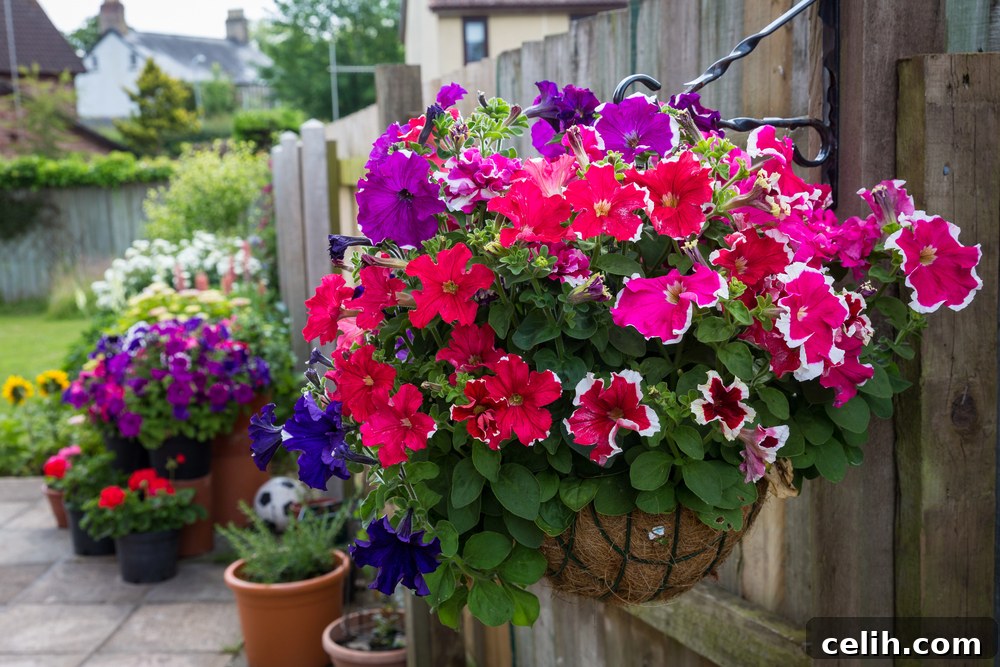
Elevate Your Space with Stunning Hanging Planters: An Ultimate Guide
Hanging planters are a beloved staple for both seasoned gardeners and urban dwellers alike, offering an ingenious solution to enhance any space. Whether you have a sprawling garden, a cozy balcony, or simply wish to add a touch of green indoors, these versatile botanical displays can transform vertical areas into captivating focal points. Beyond their aesthetic appeal, hanging planters are incredibly space-efficient, bringing life, color, and texture to even the smallest nooks. They elevate your plants, quite literally, creating dynamic layers and visual interest that ground-level pots simply cannot achieve. While setting them up requires a little planning and ongoing maintenance is key to their longevity, the effort is undoubtedly rewarding. This comprehensive guide will walk you through everything you need to know about selecting the best plants, caring for your creations, and ensuring your hanging planters thrive, both indoors and out.
Discover the Best Plants for Indoor Hanging Planters
Indoor hanging planters offer a fantastic opportunity to unleash your creativity, allowing you to choose from an array of decorative containers made from materials like polished metal, woven baskets, macrame, or even delicate glass. Since they don’t need to withstand harsh weather, your design options are virtually limitless. The key to success with indoor plants often lies in understanding their native climates; most popular hanging houseplants originate from warmer, tropical regions. This means careful positioning is crucial. Avoid placing them too close to heat sources like radiators, which can cause dehydration, or near draughty windows, which can shock them. Instead, aim for a location with a fairly constant, moderate temperature and ample bright, indirect sunlight to mimic their natural habitat. Proper light is paramount for healthy growth, so consider the specific needs of each plant.
Effortless Elegance: Easy-Care Indoor Choices
If you’re seeking a houseplant that offers maximum impact with minimal fuss, look no further than Chlorophytum comosum, universally adored as the spider plant. These resilient plants are a dream for beginners and seasoned enthusiasts alike, known for their ability to thrive indoors with very little maintenance. Spider plants are also celebrated for their air-purifying qualities, making them a healthy addition to any home. They produce charming “spiderettes” – tiny baby plants that dangle from long stems, which can be easily propagated to create new plants or shared with friends. Place them in bright, indirect light and allow the soil to dry slightly between waterings for optimal growth.
Another incredibly forgiving and visually appealing choice is Epipremnum aureum, more charmingly known as devil’s ivy or pothos. This plant truly lives up to its “devil” moniker by being incredibly hard to kill, making it an excellent option for those prone to forgetting to water. It boasts lovely variegated leaves that can trail gracefully, adding a lush, cascading effect to your hanging display. Unlike many houseplants that demand consistent bright light, devil’s ivy is remarkably tolerant of some shade, though brighter indirect light will encourage more vibrant variegation. It prefers to dry out between waterings, so resist the urge to keep its soil constantly damp to prevent root rot.
Unique Textures and Tropical Vibes
For a plant that adds architectural interest and a touch of the exotic, consider the Asplenium nidus, or bird’s nest fern. With its striking, upright, and often crinkled leaves, this fern brings a unique texture to any hanging arrangement. When mixed with trailing plants in a larger planter, it creates an impressive sense of height and lushness. As a rainforest native, the bird’s nest fern thrives in conditions mimicking its natural humid environment. It prefers a bright position, but crucially, away from direct sunlight which can scorch its delicate fronds. Consistent moisture is key for this plant, so keep its soil damp but not waterlogged, and consider occasional misting to boost humidity, especially in drier indoor environments.
Beyond these popular choices, several other indoor plants are perfectly suited for hanging baskets. Philodendrons, with their heart-shaped leaves and vigorous trailing habits, come in many varieties offering different foliage colors. String of Pearls or String of Hearts plants offer delicate, succulent-like strands that cascade beautifully, perfect for a minimalist or bohemian aesthetic. For a vibrant splash of color, consider a blooming Kalanchoe or even a holiday cactus during its flowering season. Remember to always provide good drainage in your indoor hanging planters to prevent soggy roots and ensure your plants remain healthy and vibrant.
Designing the Perfect Outdoor Hanging Planters
Outdoor hanging planters serve as magnificent seasonal displays, infusing vibrant color and dynamic interest into your garden, patio, or balcony from spring through summer. They can also be designed as more permanent features, though maintaining year-round visual appeal with permanent outdoor hanging plants can be a delightful challenge. If you opt for permanent plantings, you’ll likely lean towards evergreen varieties, which, while reliable, may not always offer the most captivating visual diversity throughout the seasons. A popular and effective strategy is to combine mostly trailing evergreens – such as various types of ivy, creeping jenny (Lysimachia nummularia), or even creeping rosemary – with a seasonal rotation of annuals. This allows you to enjoy consistent greenery while injecting fresh bursts of color with each passing season.
Seasonal Splendor and Perennial Performers
For those who desire the best of both worlds – dazzling seasonal blooms and the potential for multi-year enjoyment – fuchsias are an outstanding choice. Select a compact trailing variety to ensure a cascade of their famously showy, intricate, bell-shaped flowers. Fuchsias are semi-hardy perennials, meaning they possess the remarkable ability to return year after year, rewarding you with their extravagant blooms. However, to guarantee their return, you’ll need to overwinter them, as harsh frosts can be fatal. The overwintering process involves carefully removing the fuchsia plant from its hanging planter before the first hard frost and potting it up into a smaller container. Place it in a protected, frost-free environment such as a cool garage, shed, or basement. During this dormant period, significantly reduce watering, only offering a drink when the soil is completely dry to the touch. The plant will appear lifeless, losing its leaves and going into a state of deep rest. As spring approaches and the danger of frost subsides, bring your fuchsia back outside, re-pot it into its hanging container with fresh compost, and resume regular watering and light exposure. You’ll soon observe new growth, signaling its revival and readiness to bloom once more.
If you’re aiming for a breathtaking, budget-friendly explosion of color, lobelia is an unparalleled option. Easily purchased as small, inexpensive plugs, lobelia rapidly grows to produce delightful clouds of tiny white, pink, or vibrant blue flowers throughout the summer months. These delicate blossoms create a soft, ethereal effect, perfect for softening the edges of your hanging basket. Lobelia is typically grown as an annual, meaning it completes its life cycle within one growing season. Once its flowering period concludes, simply remove the spent plants from your planter and add them to your compost pile, making way for your next seasonal display.
When it comes to the quintessential hanging planter choice, geraniums (botanically known as Pelargoniums) reign supreme, and their enduring popularity is well-deserved. These resilient plants are renowned for their hardiness and impressive drought tolerance, making them an ideal choice if you occasionally forget to water for a day or two. They present an extensive palette of colors, ranging from crisp whites and soft pinks to fiery reds and vibrant purples. Geraniums are broadly categorized into two main types suitable for hanging displays: upright or “zonal” varieties, which add structure and height, and trailing or “ivy” varieties (Pelargonium peltatum), which cascade beautifully over the edges of the planter. Both types are excellent for hanging, allowing you to select based on the specific aesthetic you wish to achieve – whether a fuller, more mounded look or a dramatic, trailing waterfall of blooms.
Like fuchsias, many geranium varieties are also semi-hardy perennials, offering the joy of return for multiple seasons with proper care. To overwinter geraniums, carefully remove them from their hanging containers before the frost sets in, endeavoring to preserve as much of the rootball as possible. Transfer each plant into a smaller pot filled with fresh, good-quality compost. Prune the plant back by approximately one-third, removing any dead, damaged, or spindly stems and leaves to encourage bushier growth in the spring. Place your potted geraniums in a bright, frost-free location indoors, such as a sunny windowsill in a cool room or a greenhouse. Unlike fuchsias, geraniums generally do not go into complete dormancy during winter, so it’s essential to continue watering them lightly throughout the colder months, just enough to keep the soil consistently damp but not waterlogged. As the threat of frost passes in spring, gradually reintroduce your geraniums to the outdoors and replant them into their hanging containers, where they will soon flourish with renewed vigor.
General Maintenance Tips for Thriving Hanging Planters
Regardless of whether your hanging planters are indoors or outdoors, a consistent maintenance routine is critical for their long-term health and beauty. This includes regular watering, which for hanging planters often needs to be more frequent than ground-level pots due to quicker drying out in circulating air. Always check the soil moisture before watering – typically, the top inch or two should feel dry. Fertilizing your plants, especially during their active growing season, will provide essential nutrients for robust growth and abundant blooms. Use a balanced liquid fertilizer every 2-4 weeks, as per product instructions.
For flowering plants, deadheading (removing spent blooms) encourages the plant to produce more flowers rather than expending energy on seed production. Pruning also helps maintain shape, promotes bushiness, and removes any leggy or unhealthy growth. Regularly inspect your plants for signs of pests or diseases; early detection makes treatment much easier. With these simple care practices, your hanging planters will remain a vibrant and captivating feature of your home or garden for many seasons to come, bringing vertical beauty and natural charm to every corner.