
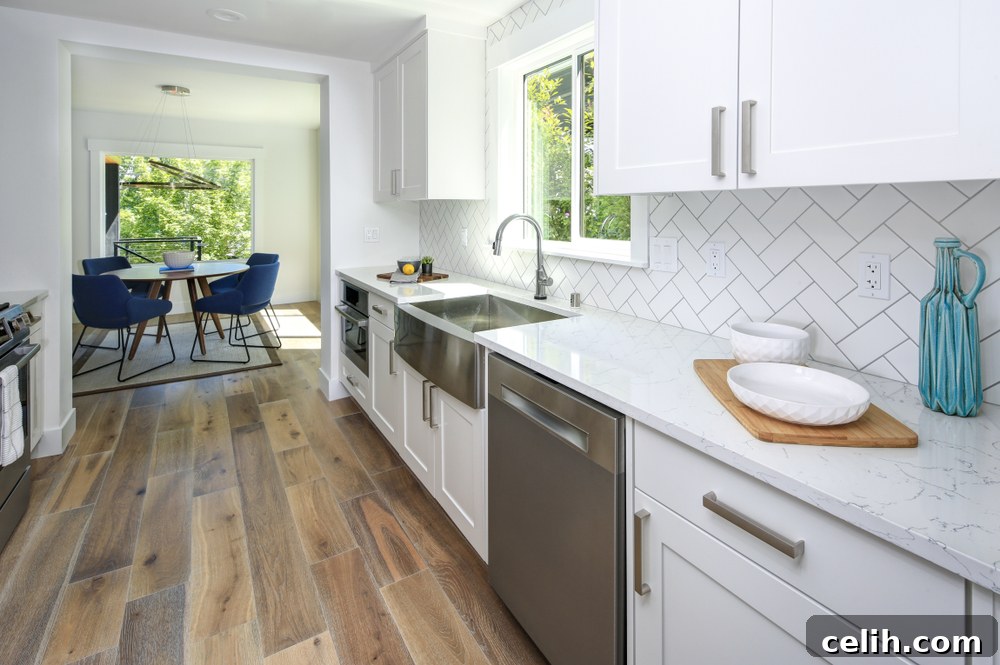
Our home is more than just a structure; it’s a sanctuary, a place where memories are made, and where we seek comfort and safety. It’s where we spend a significant portion of our lives, often feeling most secure and at peace. However, this sense of tranquility can be fragile, as countless risk factors, from unforeseen accidents and natural disasters to physical damage and potential burglaries, constantly threaten our cherished living spaces. Therefore, ensuring the comprehensive protection of our homes is not merely a convenience but a fundamental necessity for peace of mind and the well-being of our families.
Proactive home protection doesn’t always require extensive, costly overhauls. Often, even small, deliberate changes and smart investments can yield substantial improvements in your home’s security, maintenance, and overall safety. By adopting a vigilant and proactive approach, we can transform our residences into even safer, more enjoyable, and resilient environments. Let’s explore some highly effective strategies and practical tips to safeguard your living environment against a spectrum of potential threats, both seen and unseen.
Illuminate and Deter with Motion Sensor Lights
One of the most common anxieties for homeowners is the persistent threat of break-ins and burglaries. While it’s impossible to completely eliminate all risks, implementing strategic deterrents can significantly reduce the likelihood of your home becoming a target. Intruders thrive on anonymity and darkness, making effective outdoor lighting a powerful first line of defense.
Consider the installation of motion sensor lights for the exterior of your home, particularly in vulnerable areas such as the front porch, garage, side pathways, and backyard. These intelligent lighting systems automatically illuminate when motion is detected, instantly turning a potential hiding spot into a brightly lit area. This sudden burst of light can startle would-be intruders, signaling that their presence has been detected and making them feel exposed. Burglars typically prefer to operate under the cover of darkness, making motion-activated lighting a highly effective psychological deterrent that often prompts them to flee.
Beyond deterring criminals, motion sensor lights offer numerous additional benefits. They enhance personal safety for residents and guests, illuminating paths and steps after dark, thereby preventing trips and falls. Modern LED motion sensor lights are also remarkably energy-efficient, consuming minimal power until activated, which helps reduce electricity bills. Some advanced systems can even be integrated with your smart home security setup, triggering alarms or sending notifications to your smartphone when activated. Strategic placement is key: ensure lights cover entry points, obscure corners, and any areas that might offer concealment, effectively turning your home’s exterior into a well-monitored zone.
Strengthen Your Community by Knowing Your Neighbors
In an increasingly fast-paced world, the traditional practice of truly knowing your neighbors has regrettably declined in many areas. However, fostering strong relationships with those who live around you is an invaluable, yet often overlooked, component of home security. A connected community is a safer community, and your neighbors can become a crucial part of your home protection strategy.
Engaging with your neighbors and building a friendly rapport can create an informal neighborhood watch system. If you’re away from home, whether for a short outing or an extended vacation, a trusted neighbor can keep an eye on your property, collect mail, water plants, or simply notice anything out of the ordinary. Having a neighbor with your contact details means they can promptly reach out if they observe suspicious activity, such as unfamiliar vehicles, unusual noises, or signs of forced entry. Similarly, you can extend the same courtesy to them, creating a reciprocal network of vigilance and support.
Beyond direct security benefits, a strong community bond fosters a sense of collective responsibility and reduces isolation. Neighbors can alert each other to local crime trends, share tips, and even organize formal neighborhood watch programs. In times of emergency, whether it’s a power outage, a lost pet, or a personal crisis, having familiar and supportive faces nearby can make a significant difference. Taking the time to introduce yourself, share contact information, and occasionally interact can transform your immediate vicinity into a more secure, friendly, and resilient environment for everyone.
Safeguard Your Future: The Essential Role of Home Insurance
While proactive measures can significantly mitigate risks, some events are simply beyond our control. This is where investing in a comprehensive home insurance policy becomes paramount. Home insurance is not just a financial product; it’s a vital safety net that provides unparalleled peace of mind, knowing that if the unexpected happens, you have critical support in place to help you recover.
A robust home insurance policy typically covers a wide array of potential perils, offering protection against damage to your dwelling from events like fire, storms, vandalism, and certain natural disasters. It also extends to your personal property, covering everything from furniture and electronics to clothing and valuables, both inside your home and sometimes even when you’re away. Crucially, most policies include liability coverage, protecting you financially if someone is injured on your property and you are found legally responsible. Additionally, many policies offer “additional living expenses” coverage, which can help pay for temporary housing and other costs if your home becomes uninhabitable after a covered loss.
The market offers a diverse range of home insurance policies, with premiums and coverage types varying widely. Factors influencing quotes include your home’s location, age, construction materials, local crime rates, and the level of coverage you choose. It’s essential to thoroughly review different policies, compare coverages, deductibles, and exclusions. Utilizing reputable comparison websites, such as Quotezone.co.uk, can be an excellent strategy for accessing a range of home insurance quotes from multiple providers. This allows you to evaluate options side-by-side, helping you find the best deal that offers adequate protection without overpaying. Don’t simply opt for the cheapest policy; ensure it provides comprehensive coverage tailored to your specific needs and potential risks, securing your most valuable asset and your financial future.
Fortify Your Digital Frontier: Securing Your Wi-Fi Network
In our increasingly interconnected world, protecting your home extends far beyond physical security. Many homeowners diligently protect against visible threats but often overlook the pervasive and equally dangerous virtual threats lurking online. Your Wi-Fi network serves as the digital gateway to your home, and if compromised, it can provide hackers with an open doorway to your most sensitive financial and personal information, as well as control over your smart home devices.
Securing your Wi-Fi network is a critical step in comprehensive home protection. The first and most fundamental measure is to create strong, unique passwords for both your Wi-Fi network (the network name, or SSID) and your router’s administration panel. Avoid default passwords, simple phrases, or easily guessable information like birthdays. Instead, use a combination of uppercase and lowercase letters, numbers, and symbols, and ensure they are at least 12-16 characters long. Regularly changing these passwords adds another layer of security.
Beyond passwords, always ensure your wireless router is running the latest firmware, as updates often include crucial security patches that address newly discovered vulnerabilities. Enable WPA3 encryption, if available, as it offers superior security compared to older WPA2 or WEP standards. Consider setting up a separate guest network for visitors; this keeps your primary network and all connected devices isolated and more secure. Additionally, disable remote management features on your router unless absolutely necessary, and consider using a firewall. For an extra layer of privacy and security, especially when accessing sensitive information, a Virtual Private Network (VPN) can encrypt your internet traffic, making it unreadable to potential eavesdroppers. By adopting these robust cybersecurity practices, you can significantly fortify your home’s digital perimeter, protecting your data, privacy, and smart home ecosystem from malicious cyber threats.
Reinforce Physical Entry Points: Doors, Windows, and Garages
While motion sensor lights deter and Wi-Fi security protects digital assets, the most basic form of home protection involves reinforcing the physical barriers of your residence. Doors, windows, and garage entrances are primary entry points for intruders, making their security paramount.
Start with your doors. All exterior doors, including the one leading from your garage into your home, should be equipped with strong, solid core construction and secured with high-quality deadbolt locks. A deadbolt that extends at least one inch into the doorframe provides much greater resistance than a standard spring latch. Ensure the strike plate and doorframe itself are reinforced with long screws (3-inch minimum) to prevent them from being easily kicked in. Consider smart locks that offer keyless entry, remote access, and integration with your home security system, adding convenience and enhanced control. Don’t forget sliding glass doors; they are notoriously vulnerable. Secure them with a sturdy charley bar, a security pin, or even simple dowel rods placed in the track to prevent forced entry.
Windows are another common vulnerability. Ensure all windows have working locks, and get into the habit of always locking them, even if you’re just stepping out for a short while. For ground-floor windows or those easily accessible, consider adding window alarms, reinforced glass film, or even security bars. Trim shrubs and bushes around windows to eliminate potential hiding spots for intruders. Garage doors, particularly attached garages, often act as an overlooked entry point. Ensure your garage door opener has rolling code technology to prevent code grabbing. Secure the garage door itself with a robust lock, especially if you store valuables or have direct access to your home from the garage. Simple measures like securing the emergency release mechanism can also prevent easy access.
Integrate Modern Security: Install a Home Security System
For a truly comprehensive approach to home protection, installing a modern home security system is an indispensable investment. These systems offer a multi-layered defense that provides constant vigilance and immediate alerts, significantly deterring criminals and providing crucial response time during an emergency.
Home security systems range from basic alarm setups to sophisticated, integrated smart home ecosystems. Key components typically include motion detectors, door and window sensors, glass-break sensors, and high-definition security cameras (both indoor and outdoor). You can choose between professionally monitored systems, where a central station receives alerts and dispatches emergency services, or self-monitored systems, which send alerts directly to your smartphone. While professional monitoring offers an added layer of response, self-monitored systems provide greater control and cost savings.
Many modern security systems seamlessly integrate with smart home technology, allowing you to control lights, locks, thermostats, and even garage doors from a single app. This not only enhances convenience but also boosts security. For example, you can remotely check camera feeds, lock doors you forgot to secure, or create automated routines that make your home appear occupied when you’re away. Beyond intrusion detection, many systems include environmental sensors for smoke, carbon monoxide, and water leaks, offering all-encompassing protection. The presence of a visible security system, complete with yard signs and window decals, serves as a powerful deterrent, signaling to potential criminals that your home is protected and not an easy target. Investing in such a system is a proactive step towards creating a fortress of safety and comfort for your family.
Proactive Maintenance and Outdoor Security Landscaping
A well-maintained home is not only more enjoyable but also inherently more secure. Proactive maintenance plays a crucial role in preventing vulnerabilities that could otherwise be exploited by criminals or lead to costly damage. Simultaneously, smart landscaping can significantly enhance your home’s exterior security profile.
Regular home maintenance prevents small issues from escalating into major problems. For instance, promptly repairing broken windows, loose fences, or deteriorating doors eliminates weak points that an intruder might target. Ensuring your roof is in good repair prevents leaks that can lead to structural damage and mold. Similarly, maintaining your plumbing and electrical systems can prevent accidents like fires or floods. A home that appears well-cared for often signals to potential criminals that the residents are attentive and vigilant, making it a less appealing target.
Beyond repairs, consider your outdoor landscaping as a critical element of your security strategy. “Defensive landscaping” involves designing your yard to deter crime. Keep shrubs and bushes trimmed, especially those near windows and doors, to eliminate potential hiding spots for intruders. Avoid planting tall, dense foliage right next to your house. Install adequate outdoor lighting, complementing your motion sensors, to illuminate dark areas. Consider prickly or thorny plants under windows or along fence lines as natural deterrents. Ensure fences and gates are sturdy, in good repair, and have reliable locks. Clearly visible house numbers are also important, ensuring emergency services can find your home quickly when needed. By combining regular maintenance with strategic outdoor design, you create an environment that is both welcoming to you and your guests, and decidedly uninviting to potential threats.
Cultivate Smart Security Habits for Daily Protection
Even with the most advanced security systems and robust physical defenses, the cornerstone of home protection lies in cultivating smart, consistent security habits. These everyday practices often cost nothing but are incredibly effective in preventing incidents and safeguarding your home.
One of the simplest yet most crucial habits is always locking your doors and windows, even when you’re just running a quick errand or are at home in another part of the house. Many burglaries are crimes of opportunity, with intruders simply testing doors and windows. Never leave spare keys hidden under doormats, in planters, or other obvious spots; these are the first places criminals will look. Instead, entrust a spare key to a trusted neighbor or use a secured lockbox. When receiving packages or mail, retrieve them promptly to avoid signaling an empty house. If you anticipate being away for an extended period, pause mail and newspaper deliveries, or have a neighbor collect them.
Before leaving for vacation, make your home appear occupied. Use timers for interior lights and radios to create the illusion of presence. Avoid advertising your absence on social media. Disconnect smart home devices that could be exploited, or ensure their security settings are robust. Keep valuables out of plain sight from windows and maintain an inventory of expensive items, including serial numbers and photographs, for insurance purposes. Educate all family members, especially children, about security protocols and what to do in an emergency. By integrating these vigilant practices into your daily routine, you empower yourself and your family to actively participate in the ongoing protection of your home.
Conclusion: A Holistic Approach to Home Safety
Protecting your home is a multi-faceted endeavor that demands a holistic approach, combining technological solutions, physical reinforcements, community engagement, and diligent personal habits. From deterring would-be intruders with intelligent lighting and robust security systems to fortifying your digital presence and safeguarding against financial loss with comprehensive insurance, each layer of protection contributes significantly to your overall security profile.
Your home is your haven, and investing time and effort into its protection is an investment in your peace of mind and the well-being of those you cherish. By integrating these practical tips – from the simplicity of knowing your neighbors to the sophistication of securing your Wi-Fi and the fundamental necessity of strong physical defenses – you create a resilient environment against a wide range of threats. Remain vigilant, stay informed about evolving security measures, and continuously assess your home’s vulnerabilities. With a proactive mindset and a layered defense strategy, you can ensure your living space remains the safe, serene, and protected sanctuary it’s meant to be for years to come.