
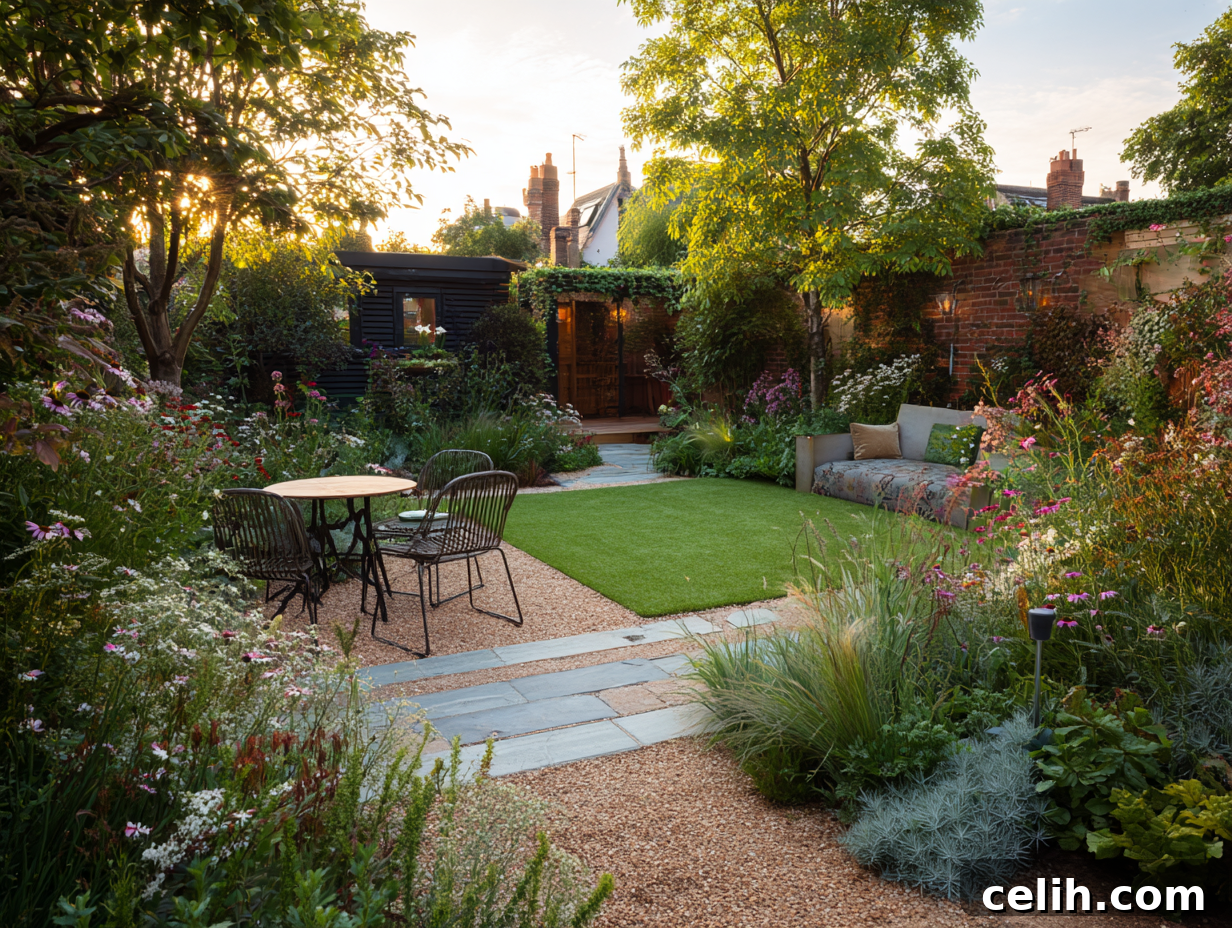
In 2026, the way we view our gardens is undergoing a profound transformation. The traditional concept of a garden as a space to be merely “maintained”—a neat lawn bordered by tidy flowerbeds—is giving way to a more dynamic and integrated vision. Today’s gardens are extensions of our homes; they are living, breathing spaces where we relax, entertain, grow food, and connect with nature. They are becoming essential sanctuaries that offer a welcome respite from the fast pace of modern life.
This evolution in garden design isn’t about achieving picture-perfect flawlessness. On the contrary, the most compelling outdoor spaces are those that embrace a sense of natural imperfection. They are designed for real life, reflecting the personalities and lifestyles of their owners. These gardens feel authentic, relaxed, and deeply personal.
If you’re looking to refresh your outdoor area, understanding these emerging trends is the perfect starting point. Here are the definitive garden trends shaping 2026, with practical advice on how to incorporate them into your own unique space.
1. The Rise of the Outdoor Room: Gardens Designed for Living
The most significant shift in garden design for 2026 is the move from ornamental “show gardens” to highly functional, purpose-driven spaces. The garden is no longer just for looking at; it’s for living in. This trend manifests in the concept of the “outdoor room,” where different areas of the garden are zoned for specific activities.
Think beyond a single patio with a table. Modern gardens are being cleverly divided into distinct zones: a secluded nook for morning coffee, a dedicated play area for children, a fully equipped outdoor kitchen for al fresco dining, or a cozy lounge area centered around a fire pit. This approach transforms a monotonous patch of grass into a multi-functional landscape with various destinations.
To successfully create an outdoor room, consider these essential elements:
- Define Boundaries: Use structures like pergolas, low walls, or trellises to create a sense of enclosure. You can also use changes in flooring materials, such as transitioning from stone paving to a gravel area, to signal a new zone.
- Furnish for Function: Select furniture that is appropriate for the zone’s purpose. A dining area requires a sturdy table and chairs, while a relaxation zone calls for comfortable sofas, weatherproof cushions, and side tables.
- Provide Shelter: To make your outdoor rooms usable in various weather conditions, incorporate shade structures. A pergola, a large umbrella, or a shade sail can protect you from the sun’s intensity, while a covered structure can offer shelter from light rain.
- Incorporate Lighting: A well-thought-out lighting plan extends the usability of your garden into the evening. Layer different light sources, including ambient string lights, task lighting for cooking areas, and accent lighting to highlight trees or architectural features.
- Create Privacy: Use layered plantings to create natural screens. Tall ornamental grasses, evergreen shrubs, and climbing plants on trellises can effectively block views and absorb noise, making your outdoor room feel more intimate and secluded.
Your Actionable Takeaway: Before making any changes, map out how you want to use your garden. Identify the activities you and your family enjoy. Do you need a space for social gatherings, quiet reflection, or active play? By defining the purpose of each area, you can create a layout that truly enhances your lifestyle and encourages you to spend more time outdoors.
2. The Eco-Conscious Foundation: Sustainable Gardening as Standard
In 2026, sustainability is no longer an optional add-on; it’s the fundamental principle guiding garden design. This trend is rooted in making practical, intelligent choices that benefit both your garden and the planet. It’s about creating a resilient and self-sufficient ecosystem in your own backyard.
This eco-conscious approach involves several key practices:
- Nourishing the Soil: Home composting is becoming standard practice. By recycling kitchen scraps and garden waste, you create nutrient-rich compost that improves soil structure, water retention, and overall plant health.
- Water Conservation: Harvesting rainwater is a cornerstone of sustainable gardening. Installing water butts to collect runoff from roofs provides a free, chlorine-free water source for your plants, reducing reliance on tap water.
- Choosing Sustainable Materials: Gardeners are moving away from plastics and opting for long-lasting, natural materials like wood, stone, and metal for paths, raised beds, and furniture.
- Reducing Chemical Use: There is a strong movement towards organic gardening methods, avoiding chemical pesticides and fertilizers in favor of natural pest control and soil enrichment.
What’s truly new is that these sustainable features are being integrated beautifully into the garden’s design. A stylish water butt or a well-constructed compost bin is no longer something to be hidden but is instead celebrated as a smart and attractive element of a modern garden.
Your Actionable Takeaway: Start with small, impactful changes. Install a water butt, create a compost corner, and mulch your garden beds to conserve moisture and suppress weeds. When choosing new plants, select varieties that are naturally suited to your local climate to reduce the need for excessive watering and intervention.
3. Future-Proofing Your Garden: Climate-Resilient Planting
With increasingly unpredictable weather patterns, from prolonged droughts to intense downpours, gardeners are adapting their plant choices to create more resilient landscapes. The philosophy of “right plant, right place” has never been more relevant. This trend is about selecting plants that can not only survive but thrive in your specific local conditions.
Expect to see a rise in the popularity of:
- Drought-Tolerant Species: Mediterranean plants like Lavender, Rosemary, and Sedum, as well as ornamental grasses, are excellent choices for gardens that experience dry summers.
- Hardy Perennials: Tough, reliable perennials such as Coneflowers (Echinacea), Black-Eyed Susans (Rudbeckia), and Hostas form the backbone of a low-maintenance garden, returning year after year with minimal fuss.
- Native Plants: Choosing plants native to your region is a smart strategy. They are already adapted to the local soil, climate, and rainfall levels, and they provide essential food and habitat for local wildlife.
- Gravel Gardens: This style of gardening, which uses a gravel mulch instead of soil on the surface, is perfect for dry conditions and requires very little watering once established.
This practical approach results in a garden that is not only tougher but also looks more natural and established, requiring less work to keep it looking its best.
Your Actionable Takeaway: Observe your garden to understand its microclimates—which areas are sunny and dry, and which are shady and damp? Choose plants that match these conditions. Replace struggling plants with more suitable, resilient alternatives. This will save you time, money, and frustration in the long run.
4. The Backyard Ecosystem: Wildlife-Friendly Gardens as the Norm
Gardening with wildlife in mind has moved from a niche hobby to a mainstream movement. Homeowners are increasingly recognizing their gardens as vital habitats for bees, butterflies, birds, and other creatures. The 2026 approach, however, is about intentional design, not neglect. It’s a concept known as “designed rewilding,” where ecological features are thoughtfully integrated into a structured and aesthetically pleasing garden.
Key elements of a modern wildlife garden include:
- Pollinator-Friendly Planting: A succession of nectar-rich flowers that bloom from spring through autumn provides a continuous food source for pollinators.
- Layered Habitats: Planting in layers—from ground cover to shrubs to trees—creates diverse habitats for shelter, nesting, and foraging.
- Water Sources: A simple bird bath, a small pond, or even a shallow dish of water with pebbles can be a lifeline for wildlife, especially during dry periods.
- Natural Shelters: Bug hotels, log piles, and dense shrubs offer safe havens for beneficial insects and small mammals to overwinter and raise their young.
By viewing your garden as a small-scale ecosystem, you create a space that is more balanced, resilient, and alive with activity.
Your Actionable Takeaway: You don’t need to transform your entire garden overnight. Start by planting a few pollinator-friendly flowers like Salvia or Verbena. Let a small patch of lawn grow longer, or add a simple water feature. These small additions can have a significant positive impact on local biodiversity.
5. The Productive Garden: Edible Landscapes Front and Back
Growing your own food continues to be a major trend, but in 2026, it’s being integrated into the overall garden design with more style and sophistication than ever before. The traditional vegetable patch, once hidden away, is now taking center stage. This is particularly true for front gardens, where edible plants are being used to create landscapes that are both beautiful and productive.
This “edible landscaping” approach blends ornamentals with edibles in a seamless and attractive way:
- Structural Edibles: Blueberry bushes, raspberry canes, and espaliered fruit trees are used in place of traditional shrubs to provide structure and year-round interest, with the bonus of a delicious harvest.
- Herbaceous Borders: The edges of paths and flowerbeds are being planted with culinary herbs like rosemary, thyme, and lavender, which offer beautiful foliage, fragrant flowers, and easy access for cooking.
- Vertical Growing: Trellises and fences are adorned with climbing beans, peas, and cucumbers, maximizing growing space in smaller gardens.
- Stylish Raised Beds: Well-designed raised beds made from wood or metal are treated as architectural features, arranged in neat, geometric layouts.
- Edible Flowers: Flowers like nasturtiums, calendula, and violas are mixed into planting schemes, adding pops of color to borders and salads alike.
This trend transforms gardens into spaces that not only look good but also provide fresh, seasonal produce, reducing food miles and connecting us more closely to what we eat.
Your Actionable Takeaway: Start by incorporating one or two edible plants into your existing flowerbeds. A clump of rainbow chard can add stunning color, while a rosemary bush provides evergreen structure. Even a few pots of herbs on a patio can be a great first step into the world of edible landscaping.
6. Rethinking the Lawn: Moving Beyond the Green Monoculture
The traditional, perfectly manicured lawn is losing its status as the default garden centerpiece. Homeowners are recognizing that lawns can be high-maintenance, water-intensive, and offer limited ecological value. As a result, many are choosing to reduce the size of their lawns or remove them altogether.
The space once occupied by grass is being repurposed for more interesting and sustainable features:
- Expanded Perennial Beds: Replacing lawn with deep flowerbeds allows for more diverse and beautiful planting that can support pollinators and provide color throughout the seasons.
- Gravel and Paved Areas: A stylish gravel garden or an extended patio can create a low-maintenance, usable space for seating and entertaining.
- Wildflower Meadows: A small patch of lawn can be converted into a mini wildflower meadow, which is beautiful, great for wildlife, and requires only one or two cuts a year.
- Groundcover Plants: In shady areas where grass struggles, low-growing groundcover plants can create a lush, green carpet that requires no mowing.
Lawns aren’t disappearing entirely, but they are becoming more purposeful. A small, well-placed area of grass for play or relaxation is often all that’s needed.
Your Actionable Takeaway: Take an honest look at your lawn. Do you use all of it? If not, consider reducing its size. Start by converting a small section into a new flowerbed or a gravel path. This single change can dramatically reduce your maintenance workload and free up space for more creative gardening.
7. Embracing Organic Forms: The Allure of Curves and Soft Lines
In a departure from rigid, geometric layouts, garden design in 2026 is embracing softer, more organic shapes. Straight lines and sharp corners are being replaced by flowing curves and rounded forms that mimic the patterns found in nature. This approach creates a more relaxed, gentle, and inviting atmosphere.
This trend is visible in curved pathways that meander through the garden, circular patios that encourage social gatherings, and kidney-shaped flowerbeds that soften the landscape. Even garden furniture is reflecting this shift, with curved sofas and round tables becoming increasingly popular. These organic shapes help to create a sense of movement and flow, making a garden feel more dynamic and less static.
Your Actionable Takeaway: You don’t need a complete overhaul to introduce this trend. Start by reshaping an existing flowerbed from a straight line into a gentle curve. This simple adjustment can instantly make your garden feel more natural and less formal. When laying a new path, consider a winding route rather than a direct one to add a sense of journey and discovery.
8. Small Space, Big Impact: Smart Design for Compact Gardens
As more people live in urban areas with limited outdoor space, clever design solutions for small gardens, balconies, and patios are in high demand. The key is to think three-dimensionally and make every element work hard.
Popular strategies for maximizing small spaces include:
- Vertical Gardening: Living walls, trellises with climbing plants, and stacked planters draw the eye upwards and add lush greenery without taking up valuable floor space.
- Multi-Functional Furniture: Benches with built-in storage, tables that can be folded away, and modular seating that can be reconfigured are all smart choices for compact areas.
- Careful Zoning: Even the smallest space can be zoned. A small bistro set can define a dining area, while a comfortable armchair in a corner can create a reading nook.
- Light and Color: Using a light color palette for walls and paving can make a space feel larger and more open. A strategically placed mirror can also create an illusion of depth.
The goal is to create a functional and layered space that feels like a cozy oasis, not a cramped afterthought.
Your Actionable Takeaway: If you have a small garden, think vertically. Install a trellis against a wall and plant a fragrant climber like jasmine or a productive climbing bean. Choose furniture that is proportionate to the space and, if possible, serves more than one purpose.
9. Lighting the Night: From Functional to Atmospheric Design
Outdoor lighting has evolved far beyond a single, harsh security light. In 2026, it is considered an essential design element that transforms a garden’s atmosphere after dark. The modern approach involves layering different types of light to create mood, drama, and functionality.
A well-designed lighting scheme might include:
- Ambient Lighting: Soft, warm light from string lights or lanterns creates a welcoming and cozy atmosphere for seating and dining areas.
- Task Lighting: Brighter, more focused lights are used where needed, such as over a barbecue or along steps for safety.
- Accent Lighting: Spotlights are used to uplight trees, sculptures, or textured walls, creating dramatic focal points and adding depth to the garden.
- Smart and Solar Options: The latest lighting systems can be controlled via smartphone apps, allowing you to change colors and brightness. Solar-powered lights have also become more powerful and reliable, offering an easy and sustainable way to illuminate your garden.
Good lighting extends the hours you can enjoy your garden, turning it into a magical space in the evening.
Your Actionable Takeaway: Start by identifying the key areas and features you want to use or highlight at night. A simple set of solar-powered uplighters can instantly transform the look of a favorite tree, while a string of warm white festoon lights will make any seating area feel more inviting.
10. The Zen Garden: Creating Calm and Minimalist Sanctuaries
As a response to our often-chaotic lives, there is a growing desire for gardens that offer a sense of peace and tranquility. This has led to the rise of “warm minimalism”—a design style that is simple and uncluttered, but also rich in texture and warmth. It’s about creating a serene retreat where you can unwind and disconnect.
Key characteristics of this trend include:
- A Limited Palette: This applies to both materials and plants. A restrained color scheme of neutrals, greens, and earthy tones creates a cohesive and calming effect.
- Natural Materials: Wood, stone, and bamboo are used extensively for their natural beauty and texture.
- Repetitive Planting: Rather than a riot of different plants, this style often uses drifts of a few carefully chosen species, such as ornamental grasses or ferns, to create a sense of rhythm and calm.
- A Single Focal Point: A beautiful sculpture, a simple water feature, or a specimen tree can serve as a single point of focus, encouraging quiet contemplation.
This is not about creating an empty space, but rather a thoughtfully curated one, where every element has a purpose and contributes to an overall feeling of serenity.
Your Actionable Takeaway: Declutter your garden. Remove any items that you don’t use or love. Simplify your planting by repeating groups of the same plant. This can instantly make your garden feel more organized and peaceful.
11. A Return to Colour: Bold and Expressive Planting Palettes
While minimalism has its place, there is also a strong counter-trend celebrating bold, confident use of color. Gardeners are moving away from random assortments of colors and instead creating deliberate, impactful planting schemes that express their personality.
Popular approaches to color include:
- Monochromatic Schemes: Using different shades and tints of a single color, such as purple, can create a sophisticated and harmonious look.
- Complementary Pairings: High-contrast combinations, like purple and yellow or blue and orange, create a vibrant and energetic feel.
- Jewel Tones: Rich, saturated colors like deep magenta, sapphire blue, and emerald green are being used to create a sense of drama and luxury.
- Textural Foliage: Color isn’t just about flowers. Plants with colorful foliage—from the deep burgundy of Heuchera to the silver of Artemisia—provide long-lasting color and texture.
This trend is about having fun with color and creating a garden that feels joyful and alive.
Your Actionable Takeaway: Choose a simple color palette of two or three colors that you love and repeat them throughout a specific area of your garden. This will create a more cohesive and impactful design than a random mix of many different colors.
12. Adaptive Spaces: The Rise of Flexible and Moveable Furniture
In line with the trend of multi-functional gardens, there is a growing demand for outdoor furniture that is flexible and adaptable. Heavy, fixed furniture is being replaced by lightweight, moveable, and modular pieces that allow homeowners to easily reconfigure their space to suit different occasions.
A modular sofa can be rearranged from a large L-shape for a party to two separate smaller sofas for a more intimate gathering. Lightweight chairs and tables can be moved around the garden to follow the sun or shade throughout the day. This flexibility means your garden can effortlessly transition from a peaceful retreat for one to a vibrant social hub for many.
Your Actionable Takeaway: When choosing new outdoor furniture, prioritize pieces that are lightweight and easy to move. Modular designs offer the ultimate flexibility, allowing you to adapt your layout on a whim. This simple choice can make your garden a much more versatile and usable space.
13. Seamless Living: Erasing the Boundary Between Home and Garden
One of the most defining trends of 2026 is the blurring of the lines between indoor and outdoor living. The goal is to create a seamless flow between the house and the garden, effectively expanding the home’s living space. This is achieved by creating a consistent design language that carries from the inside out.
Key techniques for achieving this seamless transition include:
- Consistent Flooring: Using the same or similar flooring material for your interior and adjacent patio creates a powerful visual connection.
- Cohesive Color Palettes: Echoing the color scheme of your interior in your outdoor cushions, pots, and even plant choices helps to unify the two spaces.
- Indoor-Style Furnishings: The availability of high-performance, weather-resistant fabrics means that outdoor furniture can now be as comfortable and stylish as its indoor counterparts. Outdoor rugs, cushions, and throws make a patio feel like a true living room.
- Bringing Plants Indoors and Out: Using similar plant species both inside the house and in pots just outside the door can create a sense of continuity.
- Large Glass Doors: Bifold or sliding glass doors that open up an entire wall are the ultimate way to merge indoor and outdoor spaces, creating one large, unified area for living and entertaining.
When the garden feels like a natural extension of your home, you are far more likely to use and enjoy it on a daily basis.
Your Actionable Takeaway: Look at the room that opens onto your garden. Pick out one or two key colors from its decor and introduce them into your outdoor space through accessories like cushions or planters. This simple visual link can make a huge difference.
14. Building a Greener Foundation: The Shift to Sustainable Hardscaping
The sustainability trend extends beyond plants to the very foundation of the garden: the hardscaping. There is a growing awareness of the environmental impact of materials like concrete, which has a large carbon footprint. As a result, homeowners and designers are turning to more eco-friendly alternatives for paths, patios, and driveways.
Popular sustainable hardscaping materials include:
- Permeable Pavers: Unlike solid concrete, these pavers allow rainwater to drain through them into the ground below. This reduces stormwater runoff, helps to replenish groundwater, and prevents puddles and ice.
- Reclaimed Materials: Using salvaged bricks or stone from demolition projects not only prevents waste but also adds instant character and history to a new garden.
- Gravel and Decomposed Granite: These natural, permeable materials are a cost-effective and attractive option for paths and patios, creating a softer, more rustic look than traditional paving.
- Local Stone: Sourcing stone from a local quarry reduces transportation emissions and ensures that the material is a natural fit for the regional landscape.
Choosing sustainable hardscaping is no longer a compromise; it’s often a more practical, beautiful, and environmentally responsible choice.
Your Actionable Takeaway: If you’re planning a new path or patio, explore permeable options. A simple gravel path can be a beautiful and sustainable addition to many garden styles. It’s often cheaper and easier to install than solid paving.
15. The Community Ecosystem: Thinking Beyond Your Own Fence
A final, forward-thinking trend for 2026 is the growing understanding that our individual gardens are part of a larger, interconnected ecosystem. Rather than viewing our gardens as isolated islands, there is a movement towards creating “wildlife corridors” or “pollinator pathways” that connect gardens across entire neighborhoods.
The idea is that if enough people in a street or community plant pollinator-friendly flowers, avoid pesticides, and provide water and shelter, they can create a continuous habitat that allows wildlife to move freely and thrive. A single wildlife-friendly garden is good, but a network of them is transformative.
This community-minded approach involves:
- Planting a diversity of flowers to ensure a food source is available for pollinators throughout the year.
- Eliminating the use of harmful pesticides that can disrupt the local ecosystem.
- Leaving some areas a little wild, such as a log pile or a patch of leaf litter, to provide shelter for insects.
- Talking to neighbors about creating a shared approach to wildlife gardening.
This trend highlights a powerful idea: our small, individual actions can have a large, collective impact. By working together, we can help to support and restore local biodiversity.
Your Actionable Takeaway: Be a good wildlife neighbor. Plant a pot of pollinator-friendly flowers in your front garden. Let your dandelions bloom in spring before you mow. Every small contribution helps to strengthen the local ecosystem. Your garden is a vital piece of a larger environmental puzzle.
Final Thoughts: Your Evolving Garden Sanctuary
The common thread weaving through all the garden trends of 2026 is a move towards creating more personal, meaningful, and purposeful outdoor spaces. The modern garden is a reflection of our values: a desire for sustainability, a need for tranquility, and a craving for a deeper connection with nature.
You don’t need to adopt every trend at once. The most beautiful and loved gardens are those that evolve over time. Choose one or two ideas that resonate with you and start there. Perhaps it’s creating a small seating area for your morning coffee, planting a few herbs in a pot, or replacing a small section of lawn with flowers.
Ultimately, the goal is not to create a perfect, magazine-worthy garden. It’s to create a space that feels uniquely yours—a sanctuary that enhances your life and one you will cherish spending time in for years to come.