
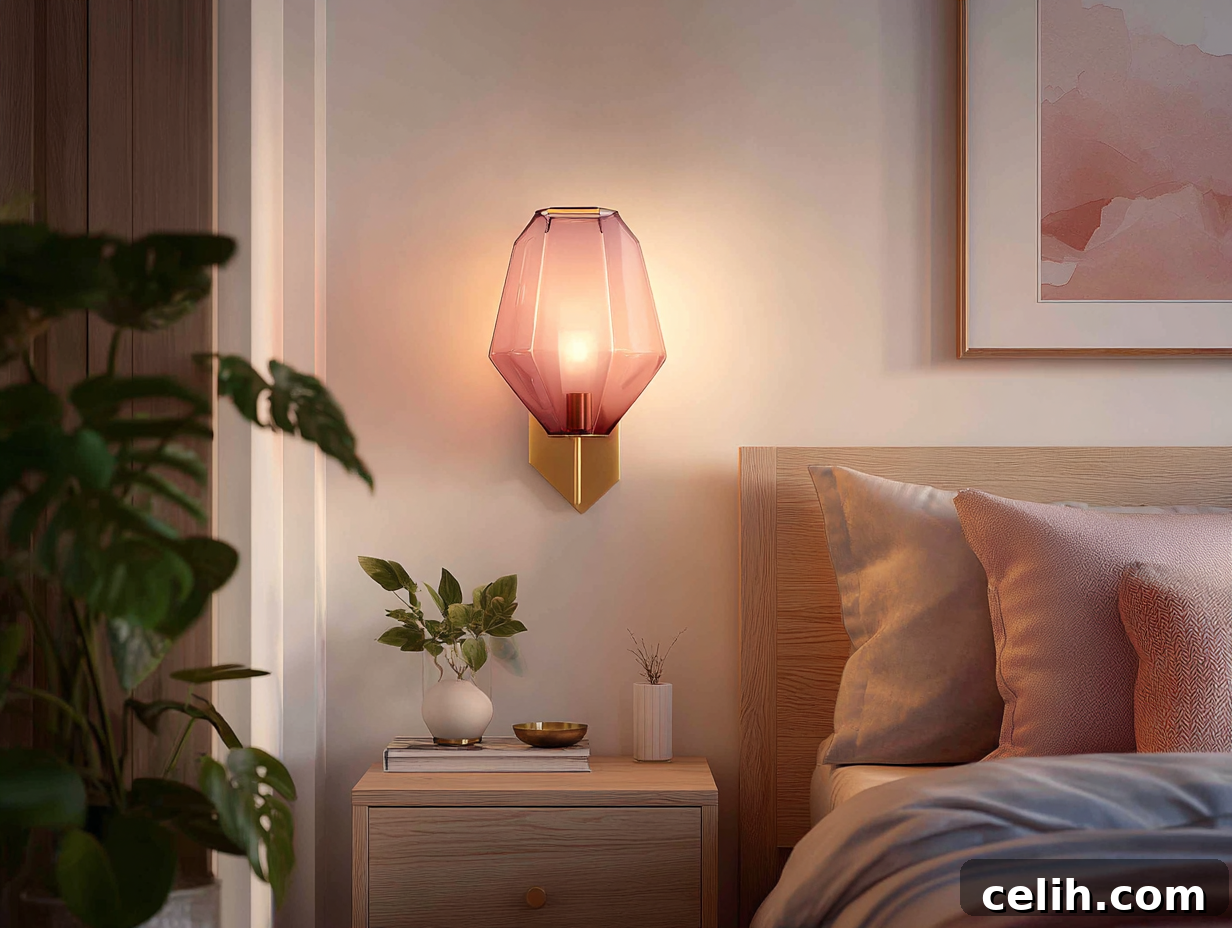
How to Arrange Your Bedroom for Better Sleep: The Ultimate Layout Guide
Your bedroom is more than just a place to sleep; it’s a sanctuary for rest, rejuvenation, and peace. The layout of this personal space plays a profound role in the quality of your sleep. How you arrange your bedroom furniture directly influences your ability to fall asleep quickly, stay asleep through the night, and wake up feeling truly refreshed. A well-designed bedroom layout can soothe the mind, promote relaxation, and signal to your body that it’s time to unwind.
In this comprehensive guide, we will explore the art and science of designing a bedroom that promotes optimal rest. We’ll delve into everything from the crucial placement of your bed to the ancient principles of feng shui, the strategic management of light, and the practical arrangement of storage. Prepare to transform your bedroom into the ultimate sleep haven.
The Foundation of Rest: Mastering Bed Placement
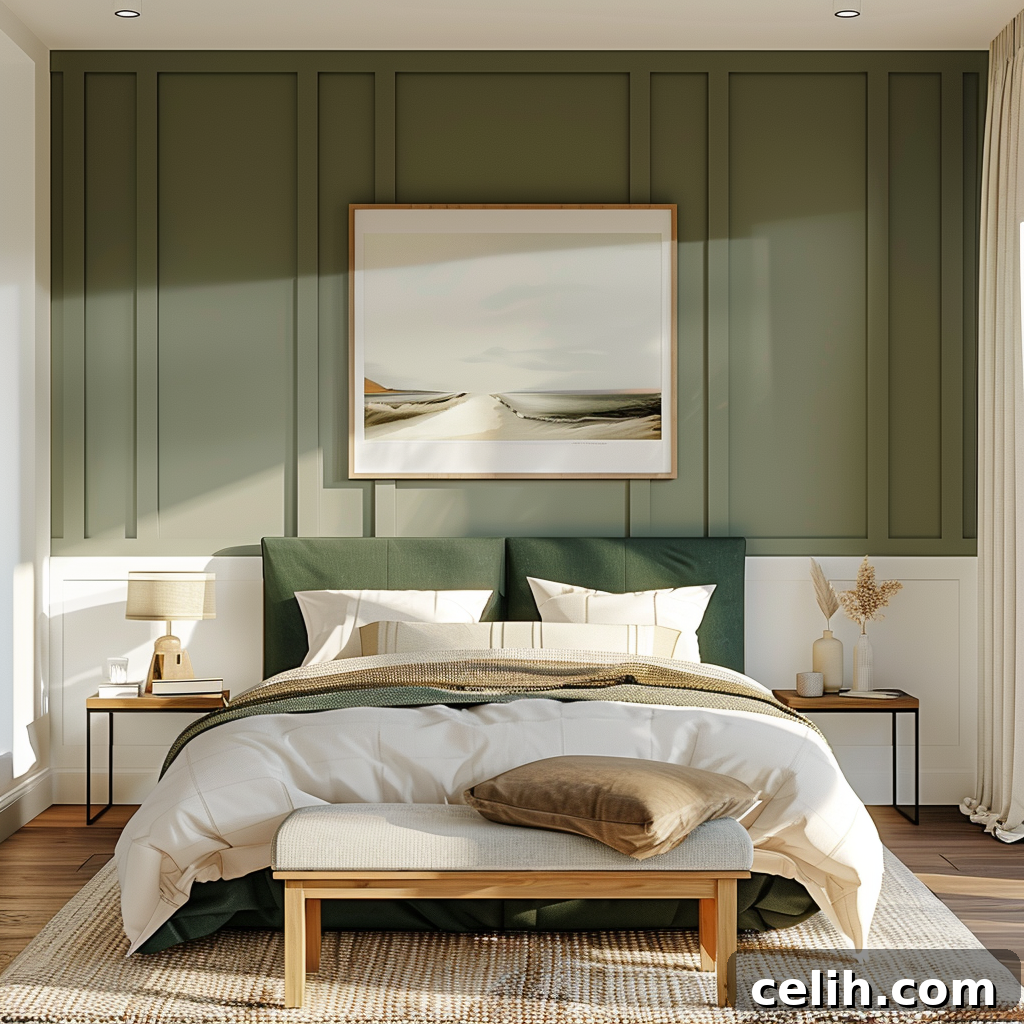
The bed is the undeniable centerpiece of any bedroom. Its position affects not only the physical flow and functionality of the room but also your psychological sense of safety and security while you sleep. Therefore, deciding where to place your bed should be the very first step in your design process. Here are the key factors to consider for ideal bed placement.
1. The Commanding Position and the Bedroom Door
For a deep, restorative sleep, your subconscious mind needs to feel secure. The ideal bed position allows you to see the bedroom door without being directly in its path. This is known as the “commanding position.” This placement gives you a clear line of sight to anyone entering the room, which eliminates the element of surprise and reduces subconscious anxiety. You want to avoid being directly aligned with the door, as this can create a feeling of being exposed or vulnerable to the energy flowing in and out of the room.
2. Choosing the Right Wall
Always aim to place your bed with the headboard against a solid, interior wall. This provides a sense of stability and support, anchoring the bed and, by extension, your sense of security. Placing a bed under a window is generally discouraged. Windows are less structurally solid, and they can be sources of drafts, noise, and light, all of which can disrupt your sleep. Even on a quiet night, the subtle temperature fluctuations from a window can interfere with your body’s ability to regulate its temperature, a critical factor for uninterrupted rest. Furthermore, placing your bed against an external wall can sometimes lead to cold spots, especially in older homes, which can be just as disruptive as a draft.
3. Ensuring Adequate Space and Flow
A cramped bedroom can induce feelings of stress and claustrophobia, the very opposite of the calm you seek. To ensure a comfortable flow of movement, leave at least 60 centimeters (about 2 feet) of clear walking space on both sides of the bed and at its foot. This prevents the room from feeling cluttered and makes daily activities like making the bed or accessing closets much easier. If you share the bed with a partner, it’s particularly important that both individuals have equal and easy access without having to climb over the other, which can be a significant source of sleep disturbance.
4. Mind the Heat and Airflow
As sleep science tells us, temperature is a crucial regulator of sleep quality. A room that is too warm can lead to frequent waking and less restful sleep. When planning your layout, avoid placing your bed directly beside a radiator, heating vent, or any other significant heat source. Conversely, proper air circulation is vital to prevent the room from feeling stuffy. Position tall furniture, like wardrobes, so they don’t block windows or obstruct the natural airflow throughout the room.
Harnessing Light for a Healthy Sleep Cycle
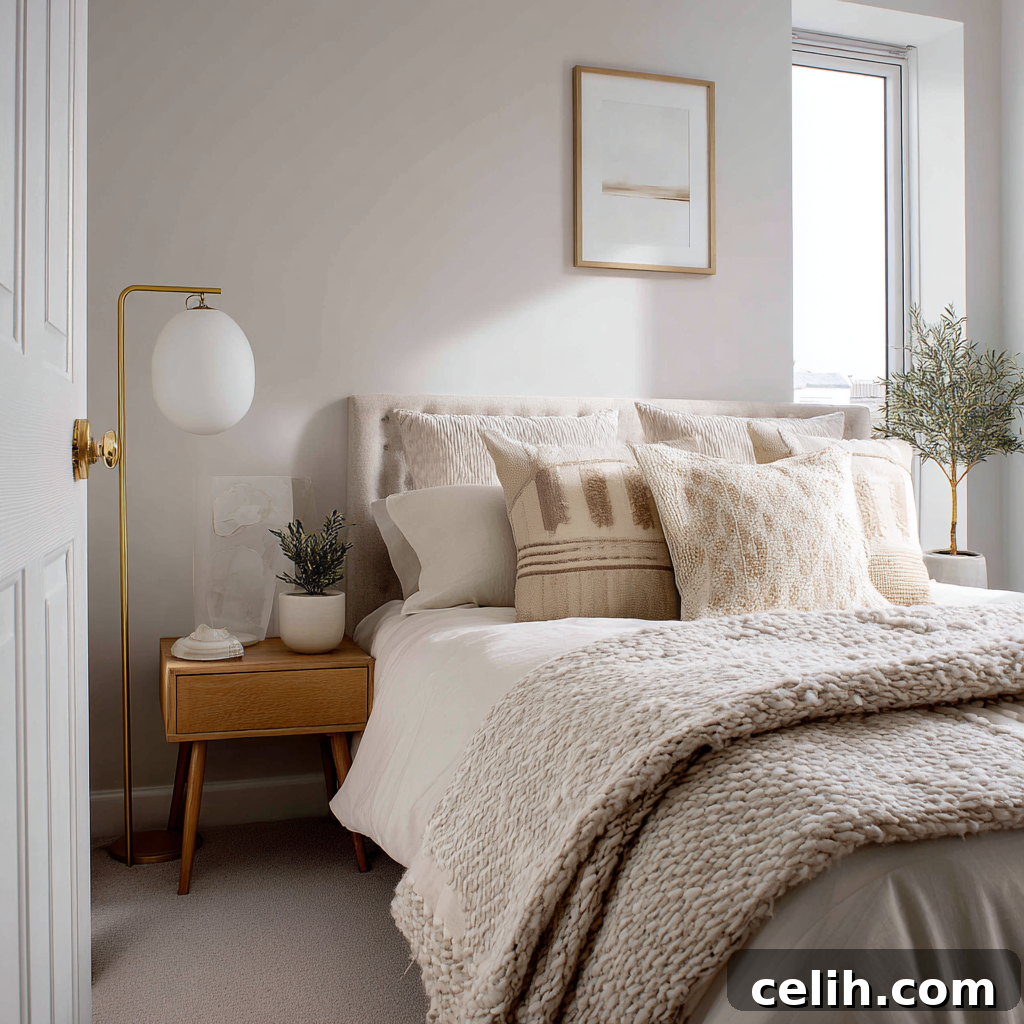
Your body’s internal clock, or circadian rhythm, is heavily influenced by light exposure. An optimal bedroom layout supports complete darkness at night to encourage melatonin production and allows for gentle, natural light in the morning to signal wake-up time. Televisions and other electronic screens emit blue light that tricks your brain into thinking it’s daytime, suppressing sleep hormones. If you must have a TV, consider placing it inside an armoire or at an angle where it isn’t the last thing you see. Mirrors can also be disruptive, as they reflect any ambient light from streetlamps or passing cars. Avoid placing large mirrors directly opposite your bed where they can catch and bounce light onto you while you sleep.
Apply Feng Shui Principles for a Harmonious Bedroom
Feng shui is the ancient Chinese art of arranging spaces to allow for a positive flow of energy, or “chi.” Many of its principles align perfectly with modern interior design psychology for creating a restful environment. The commanding position, for example, is a core tenet of feng shui. It ensures you are in control of your environment, promoting a sense of peace.
To further enhance balance, feng shui suggests using matching bedside tables and lamps on either side of the bed. This symmetry creates a feeling of stability and calm. A solid, sturdy headboard is also recommended as it provides a sense of support and protection. According to feng shui, you should avoid placing your bed under heavy overhead beams or sharply sloped ceilings, which can create a feeling of oppressive energy or pressure that inhibits relaxation.
Pay Attention to Furniture Height and Scale

The scale of your furniture relative to your room size is crucial. Low-profile furniture, such as platform beds and shorter dressers, can make a room feel more open, airy, and calm. Tall, bulky pieces like large wardrobes can feel imposing and visually shrink the space. Place these taller items against walls that are out of your immediate sightline from the bed, so they don’t dominate the room. Your headboard should be proportional to your bed, and your bedside tables should ideally be level with or slightly lower than the top of your mattress for easy, comfortable access.
Remember the Practical Details
The most beautiful layout is useless if it isn’t practical. Before moving any furniture, take note of the fixed elements in your room. The location of radiators will dictate where you can’t place large furniture, as blocking them will impede heat distribution. Similarly, map out your electrical sockets. You’ll want convenient access for lamps, chargers, and alarm clocks. Finally, always account for the swing of the main door and any closet doors. Ensure there is enough clearance for them to open fully without hitting furniture, which can be a source of daily frustration.
Consider Room Size and Proportions

The size of your bedroom will heavily influence your layout strategy. In a small bedroom, the primary goal is to maximize floor space. Pushing the bed into a corner or against one wall can free up valuable room. Opt for streamlined, multi-functional furniture, like a bed with built-in drawers. In contrast, a large bedroom can feel cavernous and impersonal if not arranged properly. Use the bed as a clear focal point and create distinct zones—such as a sleeping area and a separate reading nook or dressing space. Area rugs are excellent tools for defining these zones and making the room feel cozier and more grounded.
Reduce Clutter for a Clear Mind
Visual clutter translates to mental clutter, which is a major obstacle to sleep. A tidy, organized room promotes a sense of calm and order. Ensure your storage furniture, like wardrobes and chests of drawers, is placed conveniently for daily use. When storage is intuitive, you’re less likely to let clothes pile up on a chair. Implement smart storage solutions to keep surfaces clear and create a serene, uncluttered environment conducive to rest.
Plan for Layered Lighting
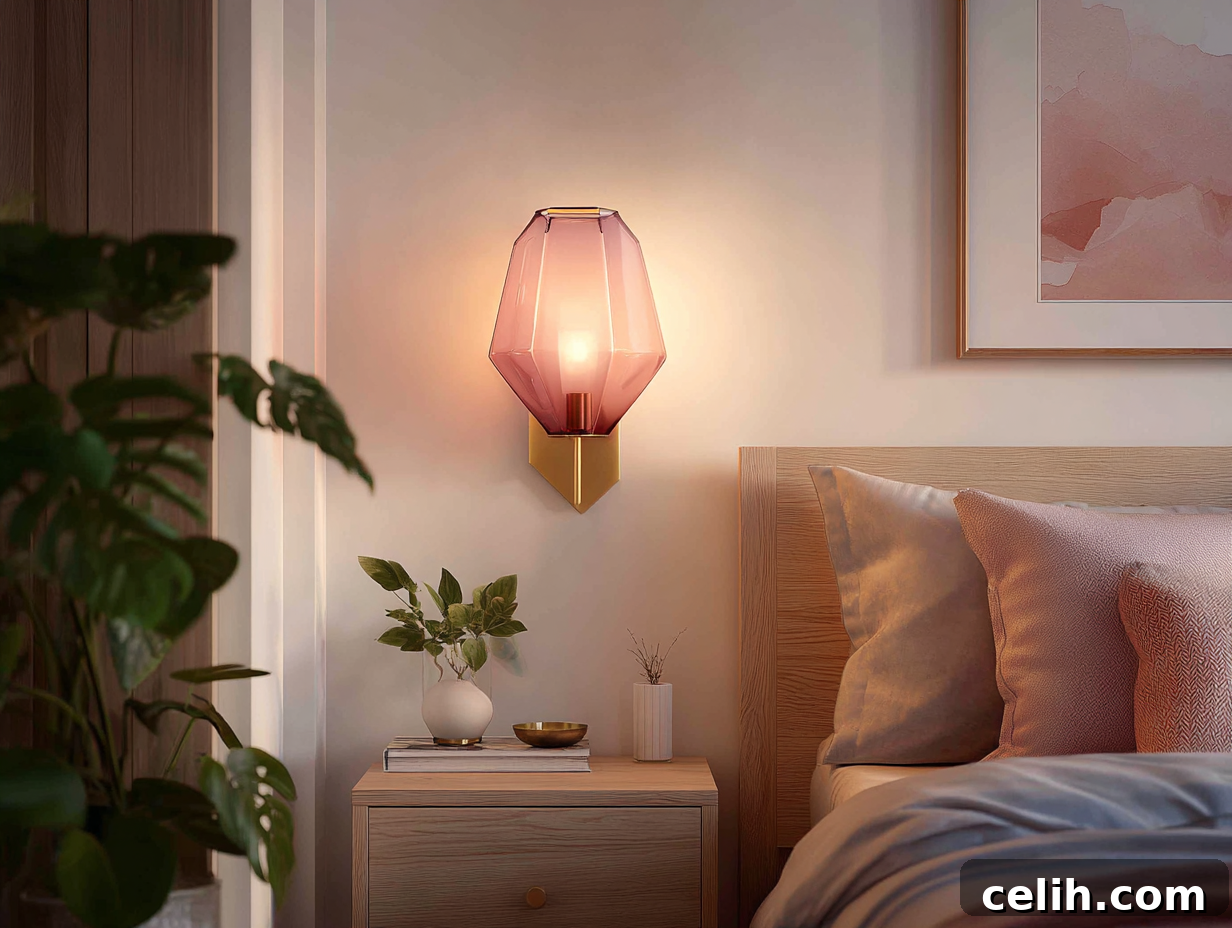
A single, harsh overhead light is rarely sufficient for creating a relaxing bedroom atmosphere. Instead, implement a layered lighting scheme. This includes ambient lighting (a central fixture on a dimmer switch), task lighting (bedside lamps for reading), and accent lighting (a soft floor lamp in a corner). Using dimmer switches allows you to gradually lower the light levels in the evening, which helps signal to your brain that it’s time to wind down for sleep. Choose warm-toned bulbs to create a soft, inviting glow.
Creating Your Perfect Sleep Layout

Ultimately, the perfect bedroom layout is one that feels right to you. While the principles of bed placement, light management, and feng shui provide an excellent framework, your personal comfort is paramount. Pay attention to how the space makes you feel. If a particular arrangement feels unsettling or cramped, it will not support good sleep, regardless of how well it follows the “rules.”
Use the guidelines in this article as your starting point, but trust your instincts. Experiment with your layout, make adjustments, and don’t be afraid to change things if they aren’t working. Your bedroom should be your personal retreat, a space meticulously designed to help you disconnect from the world and achieve the deep, restorative sleep you deserve.