
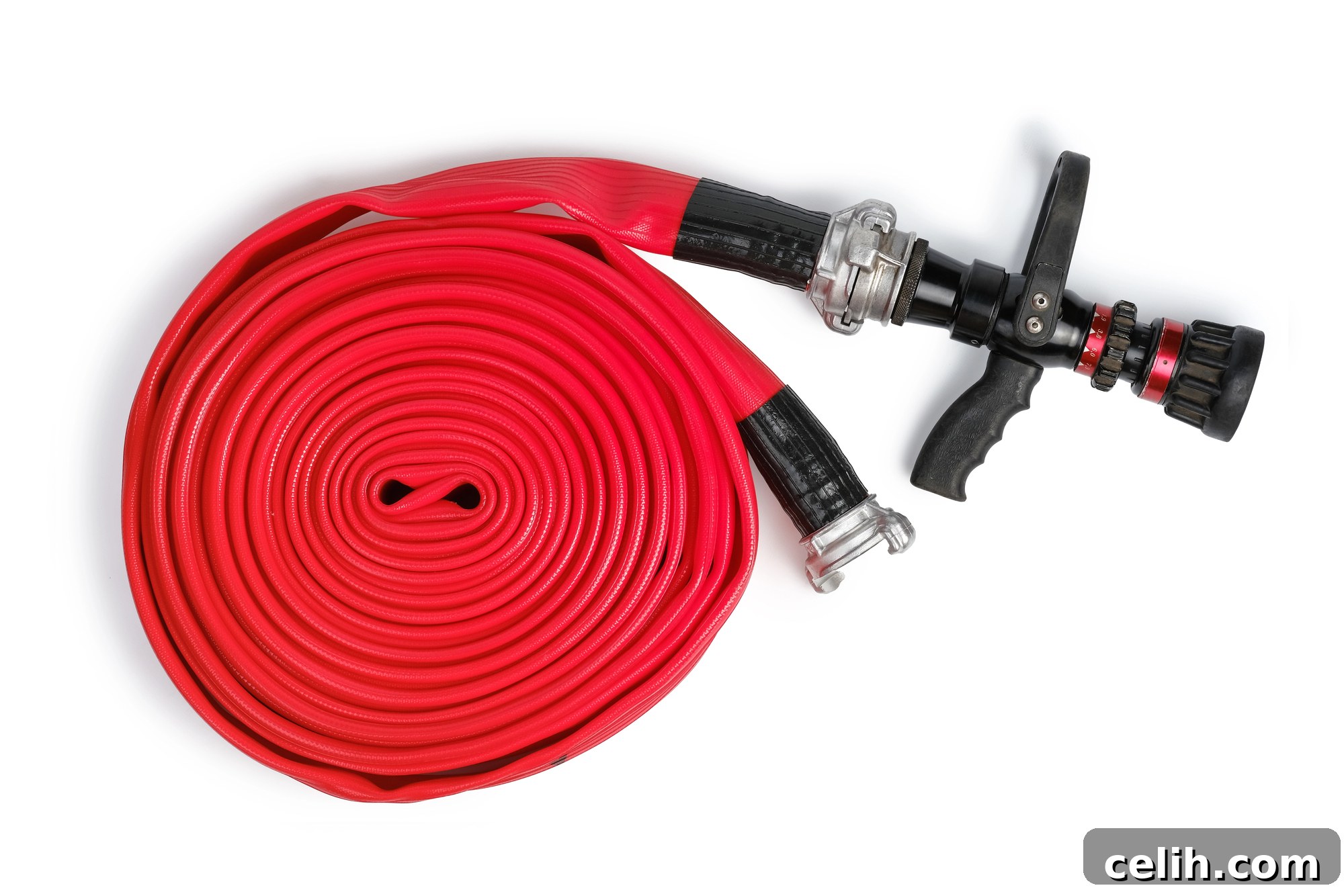
Your water pump can only perform as well as the hose attached to it. Choose the wrong hose and you risk pressure loss, leaks, damage to equipment, or a pump that cannot deliver its rated flow. Many people focus on selecting the pump and give little thought to the hose — a mistake that usually becomes apparent at the worst possible time. This guide explains what to consider when choosing a hose for your water pump, covering hose types, materials, fittings, pressure ratings, and other key factors so you get a reliable match for your setup.
Why the Right Hose Determines Your Pump’s Performance
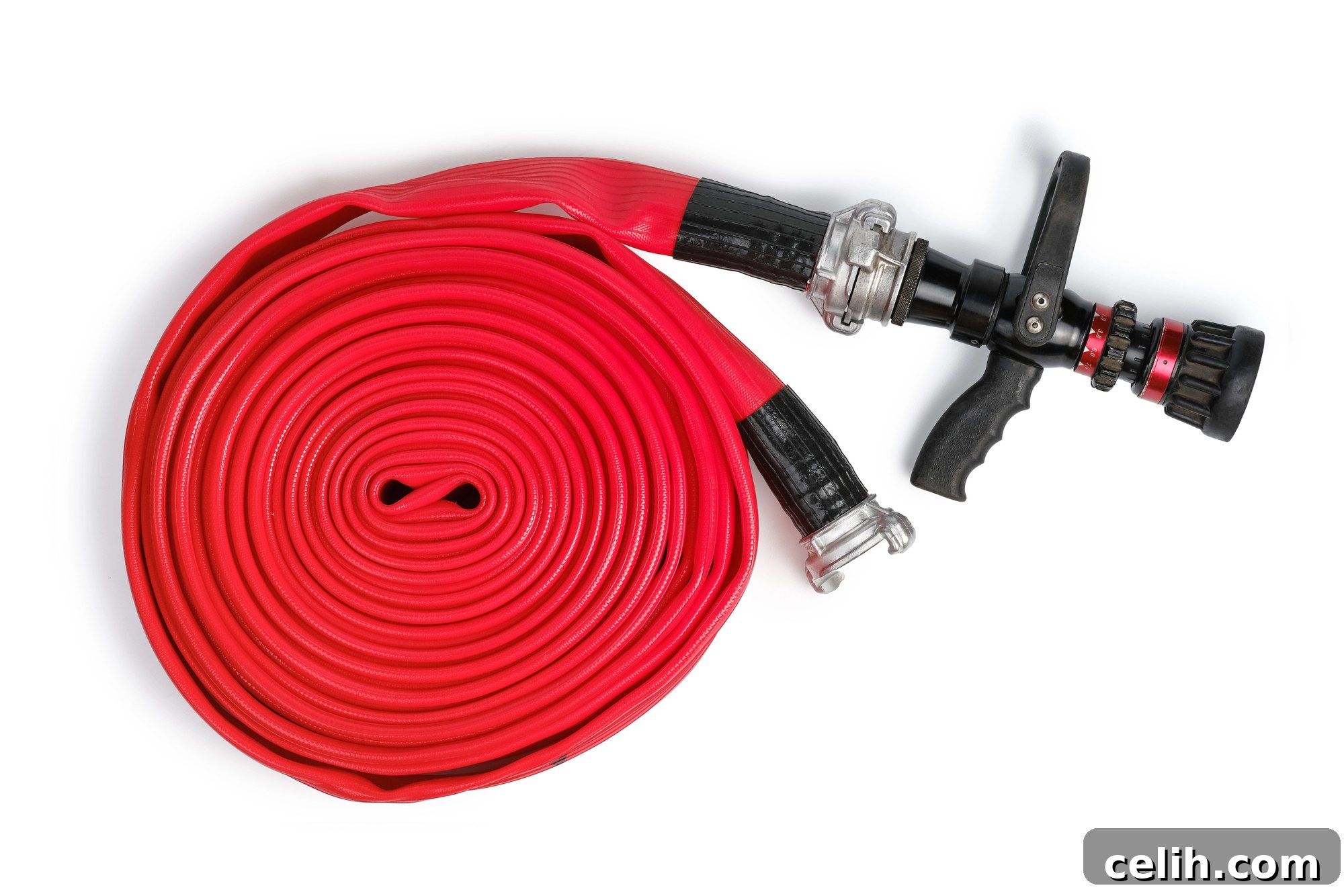
A pump generates pressure and flow, but the hose transports that energy to the destination. If the hose cannot withstand the pressure it will collapse, burst, or leak. If the hose diameter is incorrect, it chokes flow and forces the pump and motor to work harder. That extra strain shortens component life and increases energy consumption.
For water transfer applications, the hose you choose should align with the pump’s specifications for pressure, flow rate, diameter, and the required run length. When these elements match, the pump moves water efficiently without losing pressure or overstressing the system.
A properly selected hose keeps water moving smoothly, protects the pump from overload, and endures the conditions of your application. Get it wrong and you’ll spend time troubleshooting problems that can often be traced back to a relatively inexpensive hose.
Types of Pump Hoses and Appropriate Uses
Not every hose is suited for every task. Start by understanding the major categories and the conditions each is designed to handle.
Suction Hoses vs. Discharge Hoses
Suction hoses draw water into the pump and operate under negative pressure, so they must resist collapsing. Most suction hoses include a spiral reinforcement in the wall to maintain shape under vacuum. Without that structure, the hose can crush and stop flow completely.
Discharge hoses carry water away from the pump under positive pressure. They typically don’t require anti-collapse spirals but must withstand internal pressure and remain flexible for routing. Discharge hoses are generally more pliable, which helps when routing over uneven ground.
Using a discharge hose on the suction side is a frequent error: it might appear to work initially but will collapse under load. Always verify the hose is specified for suction use before connecting.
Hose Selection by Pump Type: Submersible, Deep-Well, and Dirty Water Pumps
Different pump types impose different demands on hoses. Submersible pumps are usually connected to rigid or semi-rigid drop pipes, though short flexible sections can be used at connection points. Hoses exposed to continuous submersion must resist water absorption and degradation.
Deep-well pumps handle large vertical lifts and can generate high pressures along the line. Select hoses with higher pressure ratings and materials that resist stress from sustained loads without cracking or stretching.
Dirty water pumps must move water that contains sediment, debris, or solids. Hoses for this work need abrasion resistance inside and out. A smooth-bore interior helps solids pass without clogging, while a reinforced outer layer protects against external wear on rough surfaces.
Key Factors When Choosing a Pump Hose
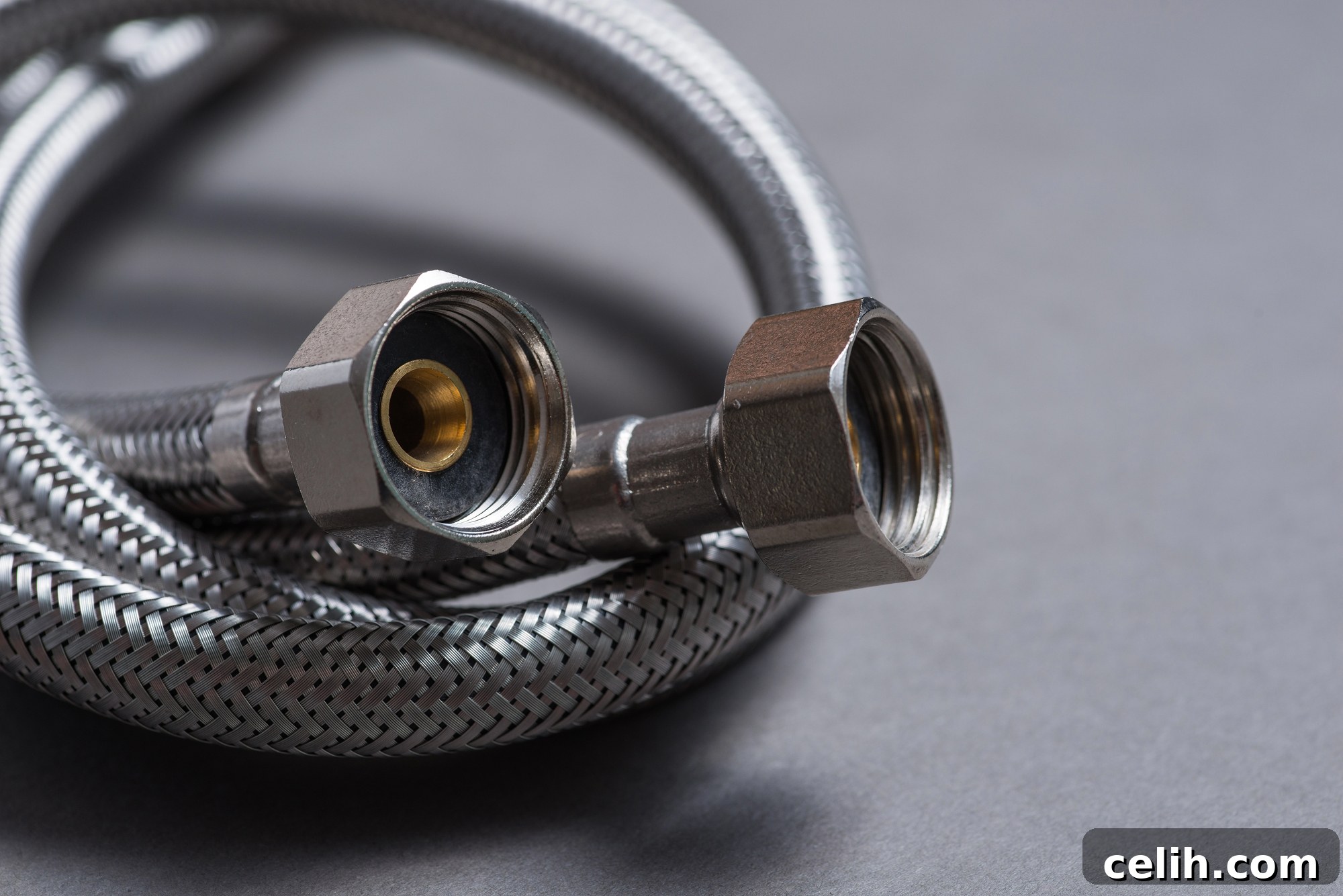
After you understand hose categories, narrow your choice by evaluating several technical factors that directly affect performance and longevity.
Diameter, Length, and Pressure Rating
Diameter affects flow rate: a hose that’s too small creates a bottleneck and reduces output. Generally, match the hose diameter to the pump’s inlet and outlet or choose a slightly larger size. Oversizing excessively adds bulk without meaningful benefit; undersizing harms performance.
Length matters because each foot of hose contributes friction loss. Longer runs reduce delivery flow, so account for friction when planning and consider a larger diameter to offset losses on extended runs.
Pressure rating indicates how much internal force a hose can handle. Always verify the hose’s working pressure exceeds the pump’s maximum output. A safety margin of 20–30 percent above the pump’s maximum pressure is a prudent guideline.
Material, Temperature Range, and Environmental Resistance
Material determines durability and compatibility. PVC hoses are lightweight and affordable, suited to clean-water use in moderate climates, but can become brittle in cold or soften in high heat.
Rubber hoses typically offer better flexibility across a wider temperature range and resist certain chemicals and fuels better than PVC. For hot water or extreme temperatures, rubber is often the better choice.
For outdoor or agricultural use, UV resistance is important. Prolonged sun exposure can degrade some hoses and lead to cracking over time. Verify UV resistance ratings for hoses that will see extended sunlight.
Fittings, Connections, and Reinforcement
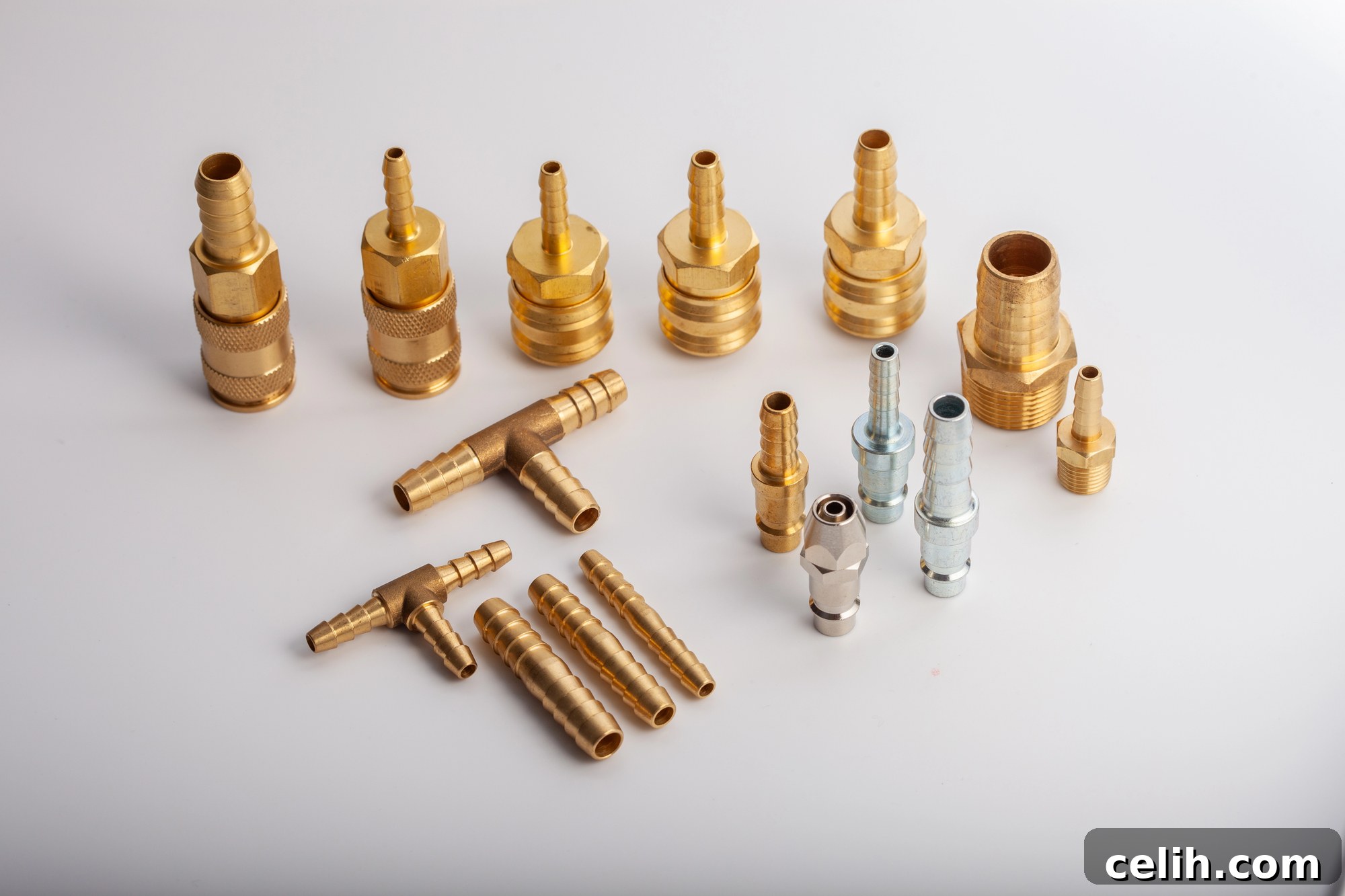
Even a high-quality hose can fail if fittings are poorly chosen or connections leak. Fittings connect the hose to the pump, piping, or other equipment and are often the source of leaks and pressure losses in poorly assembled systems.
Brass fittings are standard for most water pump systems because they resist corrosion, hold up under pressure, and create reliable seals. Plastic fittings may be acceptable for temporary or light-duty setups but can crack under stress or UV exposure and are not recommended for high-pressure or permanent installations.
Hose clamps are a simple but critical component. A properly tightened stainless-steel clamp keeps the hose securely seated on the fitting under pressure. Inspect and retighten clamps after initial use, as hoses often compress slightly and can loosen the seal.
Internal reinforcement determines how a hose handles pressure and external abuse. Spiral reinforcement prevents collapse in suction hoses. Braided reinforcement, with cross-laid fibers, raises burst pressure capability and is common in higher-pressure discharge hoses. Multi-layer constructions combine flexibility and strength for demanding uses.
Match the reinforcement to the application: a braided high-pressure hose is unnecessary for a low-flow utility pump, while a plain-wall hose is unsafe on a high-output system. Review product specifications rather than relying solely on thread compatibility.
Conclusion
Selecting the right hose for your water pump is straightforward when you focus on the details most often overlooked. Match hose type to the pump’s role, choose the correct diameter and pressure rating, select materials appropriate for temperature and exposure, and use reliable fittings and clamps. Attend to these factors and your pump system will operate efficiently and last longer. Ignore them and you’ll likely discover the weak link the hard way.