
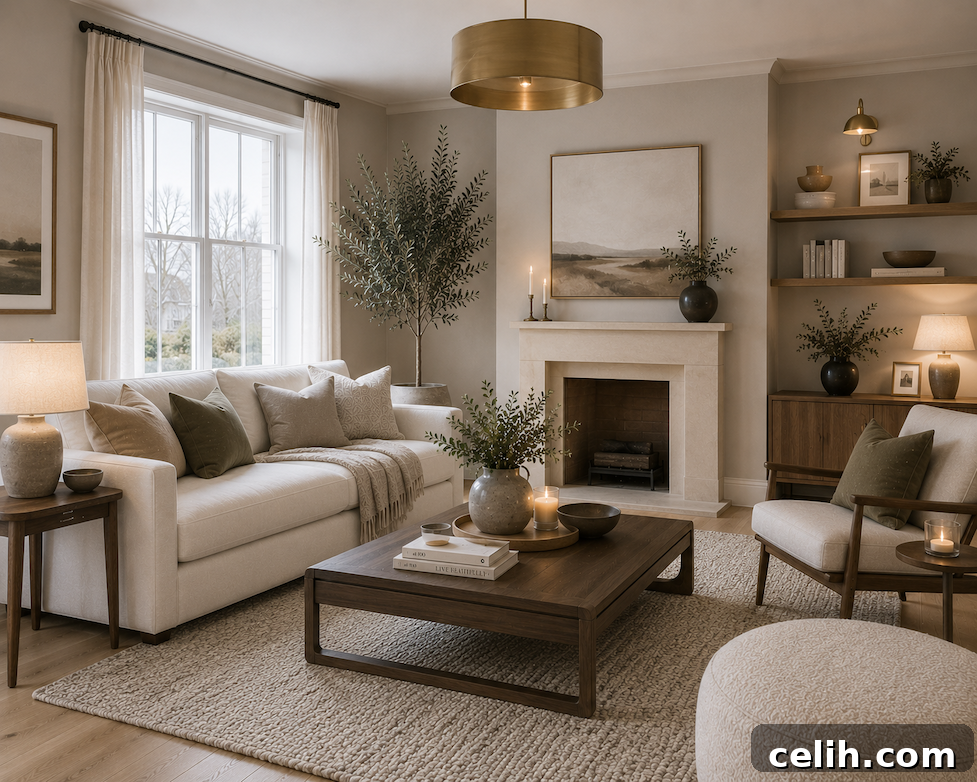
Choosing the right paint colour can completely transform a north-facing sitting room.
These rooms are often unfairly labelled as cold, dark or difficult to decorate, but the reality is far more encouraging. North-facing rooms have a unique quality of light that, when paired with the right colours, can create elegant, calming and incredibly cosy interiors.
The secret is understanding how natural light affects colour. North-facing rooms receive cool, indirect daylight for most of the day, meaning paint colours often look different from how they appear in the showroom or on a paint chart. A crisp white can suddenly look blue, while a fashionable grey may seem flat and lifeless.
Fortunately, there are plenty of beautiful colours that work brilliantly in north-facing spaces. Warm whites, sophisticated greiges, earthy greens and soft neutral shades can all help create a sitting room that feels welcoming whatever the weather outside.
Whether you’re decorating a period cottage, a Victorian terrace or a contemporary new-build, these are the best paint colours to choose for a north-facing sitting room.
Quick Answer
The best colours for a north-facing sitting room are those with warm undertones, which help balance the naturally cool, indirect daylight. Warm whites, creams, greige, taupe, mushroom, warm beige, sage green, olive green and terracotta all create a brighter, more welcoming space without feeling cold.
Avoid stark brilliant white and cool blue-greys, which can make a north-facing room appear flat or icy. Before committing to a colour, test large paint samples in different areas of the room and view them throughout the day, as north-facing light can dramatically change how paint colours appear.
Why North-Facing Rooms Feel Cooler
Before choosing paint, it’s worth understanding why north-facing rooms behave differently.
Unlike south-facing rooms, which receive warm, direct sunlight throughout much of the day, north-facing rooms are lit mainly by indirect daylight. This light remains fairly constant from morning until evening but naturally contains cooler light with blue tones.
As a result:
- White paint can appear icy rather than fresh.
- Grey shades often look darker than expected.
- Blues become noticeably cooler.
- Greens with blue undertones may lose their warmth.
- Colours generally appear more muted than they do elsewhere in the house.
This doesn’t mean you should avoid colour altogether. Instead, choose shades with warm undertones that balance the cool light and bring comfort to the room.
How to Choose the Right Colour
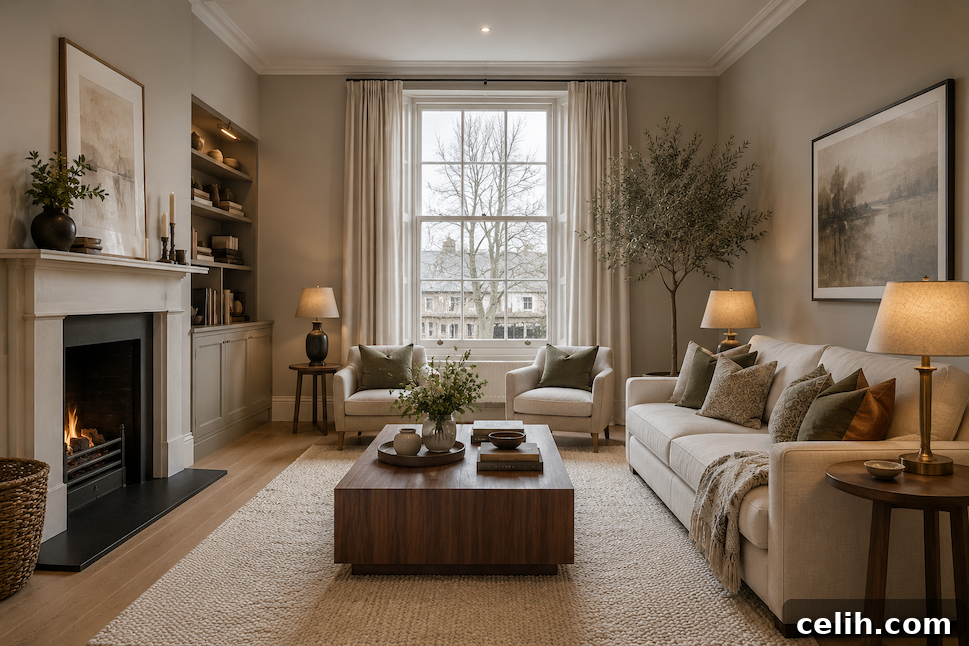
Interior designers often follow three simple rules when decorating north-facing rooms.
Choose Warm Undertones
The undertone is the hidden colour beneath the main paint shade. Two paints may both be described as beige, but one could contain cool grey pigments while the other includes warm yellow, red or brown undertones. It’s these warmer undertones that help prevent a room from feeling cold.
Don’t Be Afraid of Colour
Many homeowners assume that white is the safest choice for a dark room. Ironically, brilliant white or bright white often has the opposite effect in a north-facing space, making the room feel colder. Soft neutrals or muted earthy colours usually create a much more welcoming atmosphere.
Always Test Before You Buy
Paint looks different in every home. Purchase tester pots and paint large sample boards first, rather than applying small patches directly to the wall. Move them around the room and look at them during the morning, afternoon and evening before making your final decision.
The Best Colours for a North-Facing Sitting Room
1. Warm White
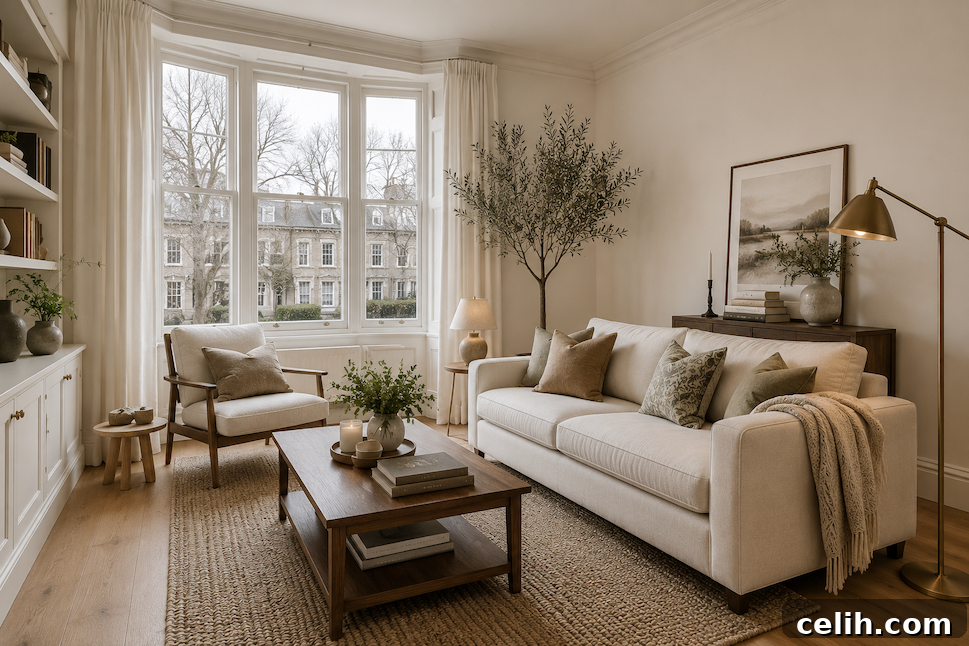
Warm white is often the safest and most versatile choice for a north-facing room. Unlike brilliant white, warm whites contain subtle cream, beige or yellow undertones that soften the cool natural light. They reflect available daylight while still creating an inviting atmosphere and provide an excellent backdrop for artwork, natural wood furniture and colourful accessories.
Pair warm white walls with oak or walnut furniture, brass lighting, linen curtains, wool rugs and soft beige upholstery for a bright but not clinical feel.
2. Cream
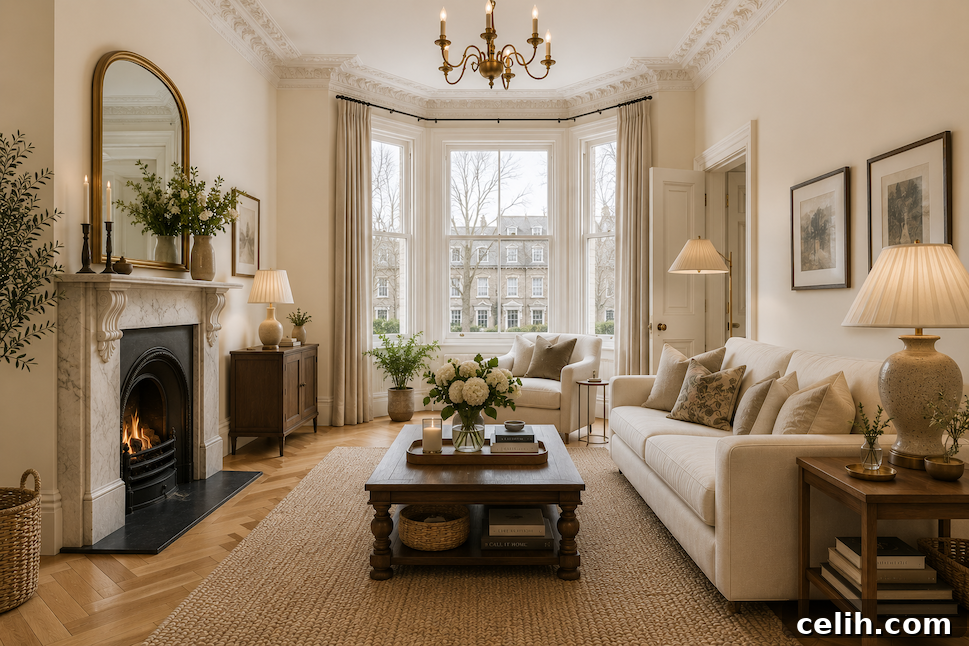
Cream has enjoyed a revival as homeowners move away from stark minimalism toward warmer, more comfortable spaces. Modern cream shades feel elegant and timeless while helping bounce light around the room. Layer cream walls with natural textures such as linen, bouclé and woven baskets for a relaxed, welcoming look.
3. Greige
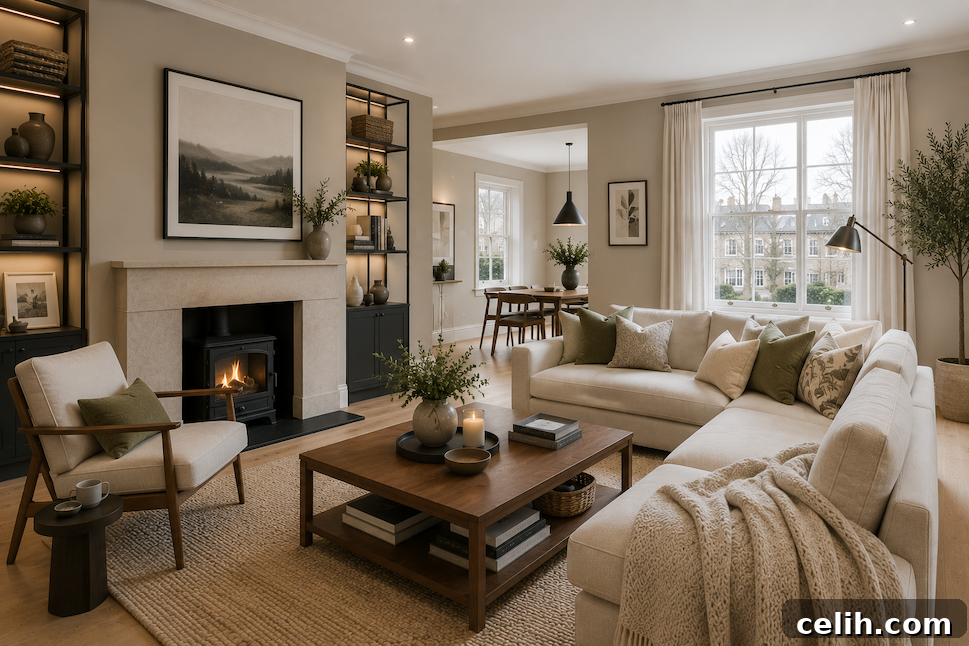
Greige combines the sophistication of grey with the warmth of beige, which makes it a strong neutral choice for north-facing spaces. Choose warm greige with clear beige or taupe undertones rather than versions that lean toward blue. Greige pairs beautifully with black accents, pale oak flooring, white trim, stone fireplaces and soft green accessories.
4. Warm Beige
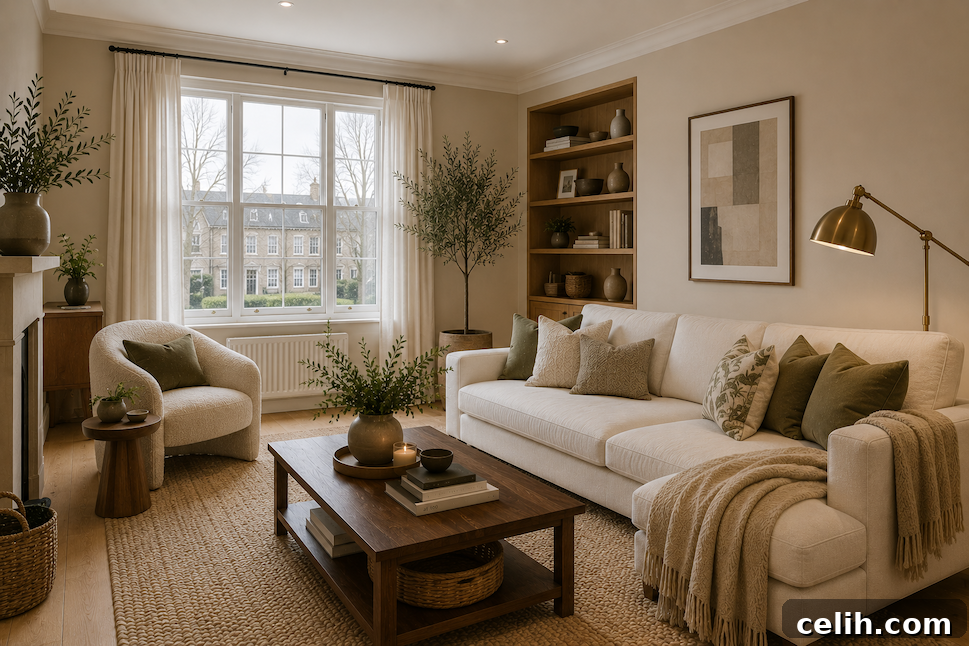
Far removed from the bland beige of the past, today’s warm beiges create calm, layered spaces full of natural warmth. They reflect available light while maintaining softness and depth, and work across styles from Scandinavian minimalism to contemporary rustic interiors. Try pairing warm beige with olive green cushions, walnut furniture, brass lamps and natural woven rugs for an understated, welcoming scheme.
5. Taupe
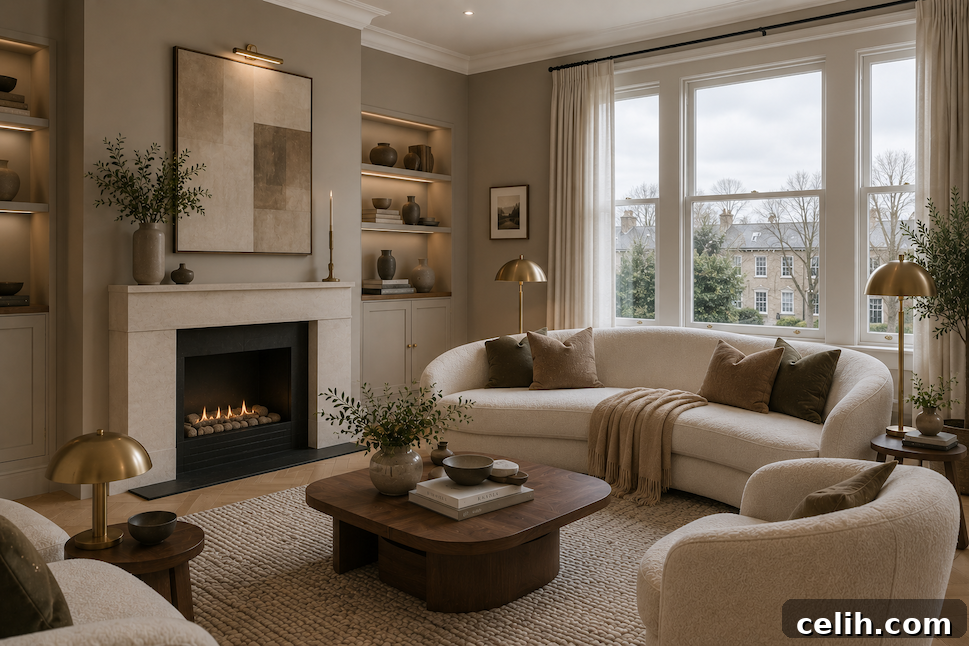
Taupe sits between brown and grey and offers versatile, warm undertones that counter northern light. Its subtle sophistication works well in both traditional and modern homes and creates an excellent backdrop for artwork and colourful furnishings without competing for attention.
6. Mushroom
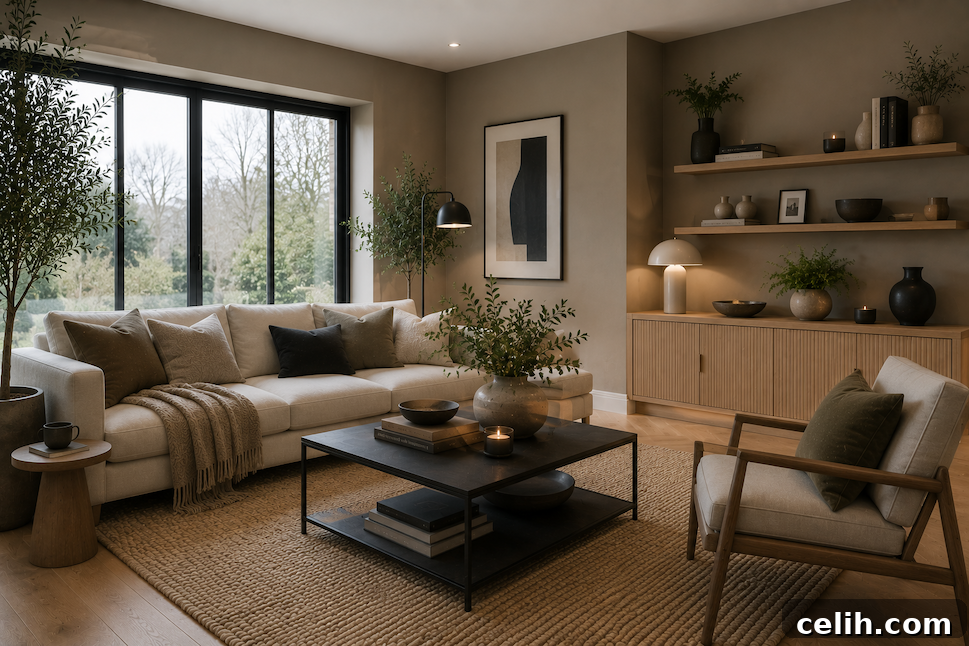
Mushroom offers a refined middle ground between grey and beige. Its earthy undertones soften northern light and introduce depth that plain white walls often lack. It works particularly well with white oak furniture, walnut tables, linen upholstery, textured wool throws and matte black accessories for a calm, modern finish.
7. Sage Green
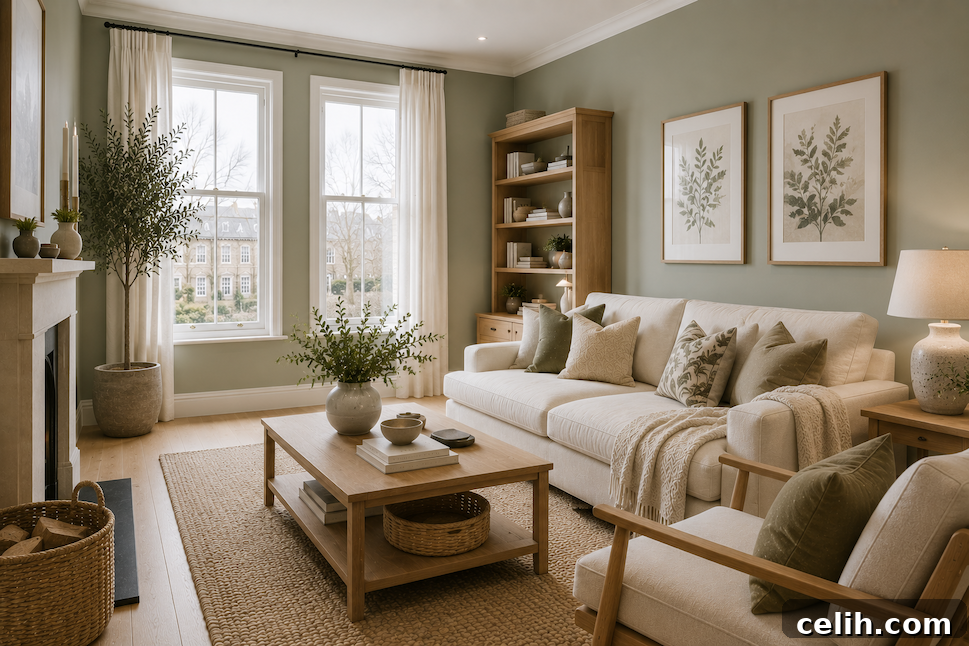
Sage green brings subtle colour while retaining a peaceful vibe. Unlike cooler mint or blue-greens, sage has warm grey and earthy undertones that complement north-facing light. Pair sage with cream sofas, oak furniture, botanical artwork, woven baskets and warm white woodwork for a fresh yet cosy room.
8. Olive Green
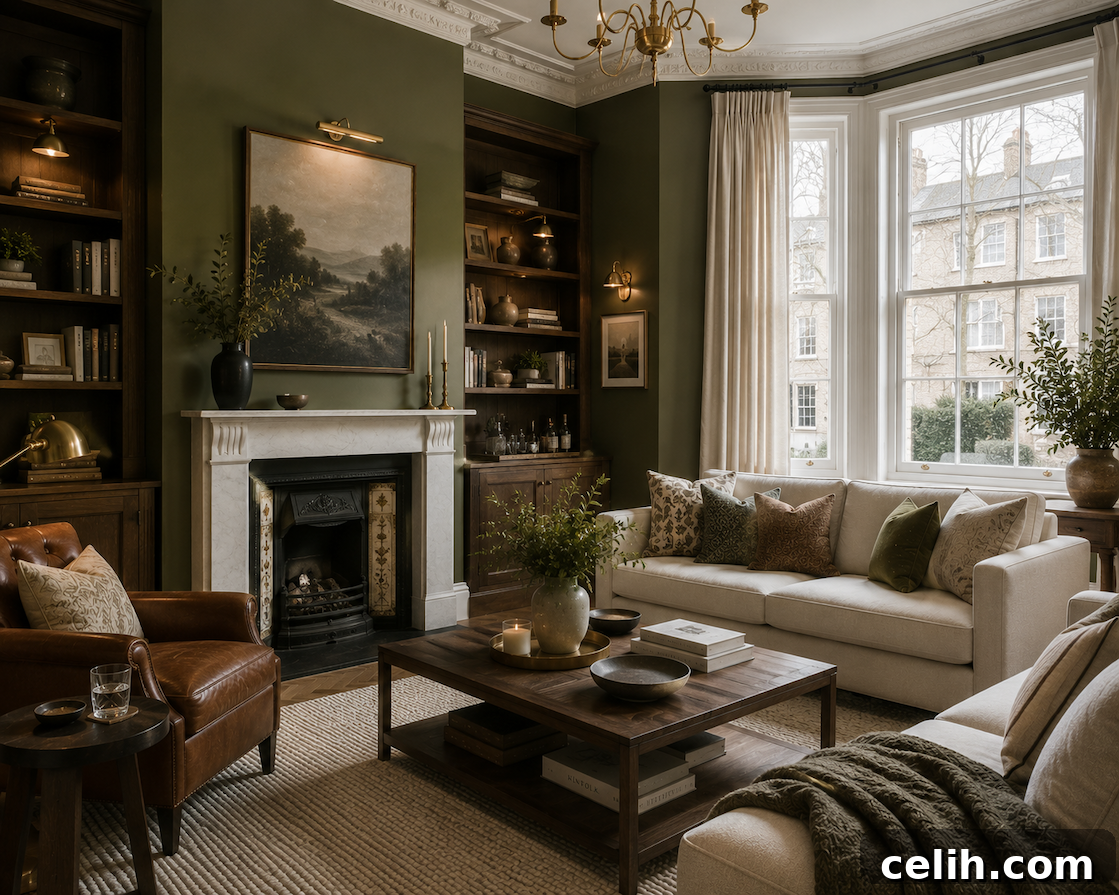
Olive green is richer and deeper than sage and creates a cosy retreat. Its earthy yellow undertones balance cool northern light, making it well suited to larger rooms, period properties and spaces with fireplaces. Combine olive green with brass lighting, walnut furniture and soft cream textiles for an elegant, timeless scheme.
9. Terracotta
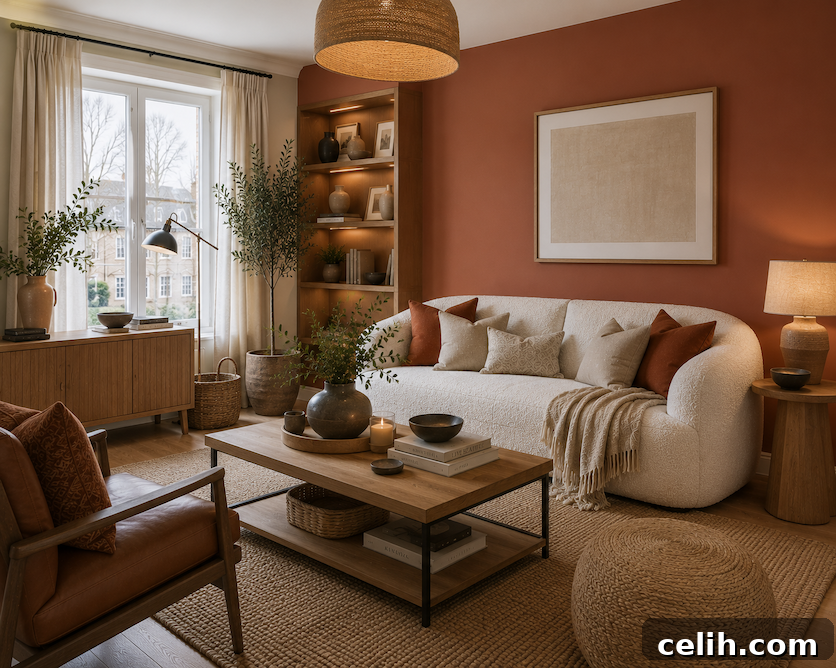
Terracotta immediately introduces warmth and a Mediterranean, earthy character. It works beautifully as a feature wall behind a fireplace or sofa and pairs well with cream, warm white, natural oak, leather furniture and black accents. Terracotta is especially effective in rooms that receive little natural light.
10. Soft Clay and Dusty Peach
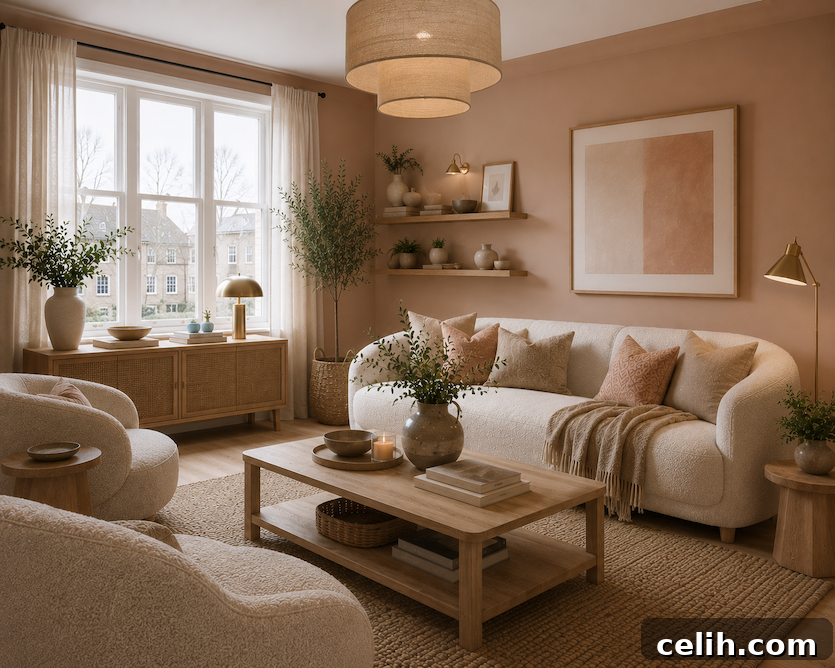
Soft clay and muted peach tones offer a modern, organic alternative to beige. Subtle and warm rather than sugary, these tones reflect light well and pair beautifully with linen, timber and woven fibres, providing a gentle bridge between neutral and coloured palettes.
Colours to Avoid
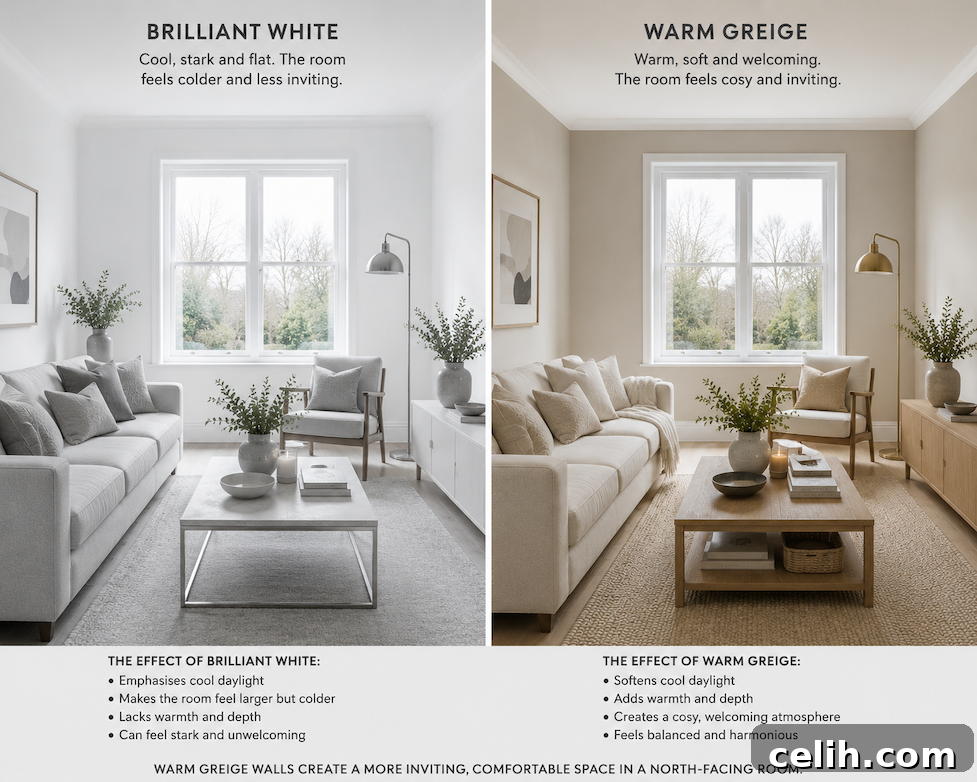
While almost any colour can work when styled correctly, some shades are naturally less suited to north-facing sitting rooms.
Brilliant White
Pure white often reflects cool northern light, causing walls to appear blue or icy. If you love white interiors, choose a warm white with creamy undertones instead.
Cool Grey
Cool greys with blue pigments can leave a room feeling noticeably colder. Replacing them with greige or mushroom creates a softer, more welcoming result.
Pale Ice Blue
Pale or light blue tends to exaggerate the coolness of north-facing light. If you love blue, choose richer shades with warmer undertones such as navy or teal and use them as accents rather than across every wall.
Blue-Greens
Some green paints lean heavily towards blue and can lose warmth in north-facing rooms, appearing dull or washed out. Instead, look for olive, sage or moss-inspired greens that have a warm base tone.
Beautiful Colour Combinations
The combination of colours, textures and finishes often makes the biggest difference. Here are a few palettes that work particularly well in north-facing sitting rooms:
Warm White + Sage Green + Oak
Fresh, calming and ideal for Scandinavian-inspired interiors.
Greige + Walnut + Brass
A sophisticated contemporary scheme that feels warm rather than minimalist.
Cream + Olive Green + Natural Linen
Perfect for traditional homes and country-style interiors.
Taupe + Rust + Cream
Rich, layered and wonderfully cosy during autumn and winter.
Mushroom + Black + White Oak
Elegant and understated, with enough contrast to create visual interest.
Terracotta + Warm White + Leather
A timeless palette inspired by Mediterranean interiors that feels welcoming year-round.
How to Test Paint Colours Properly
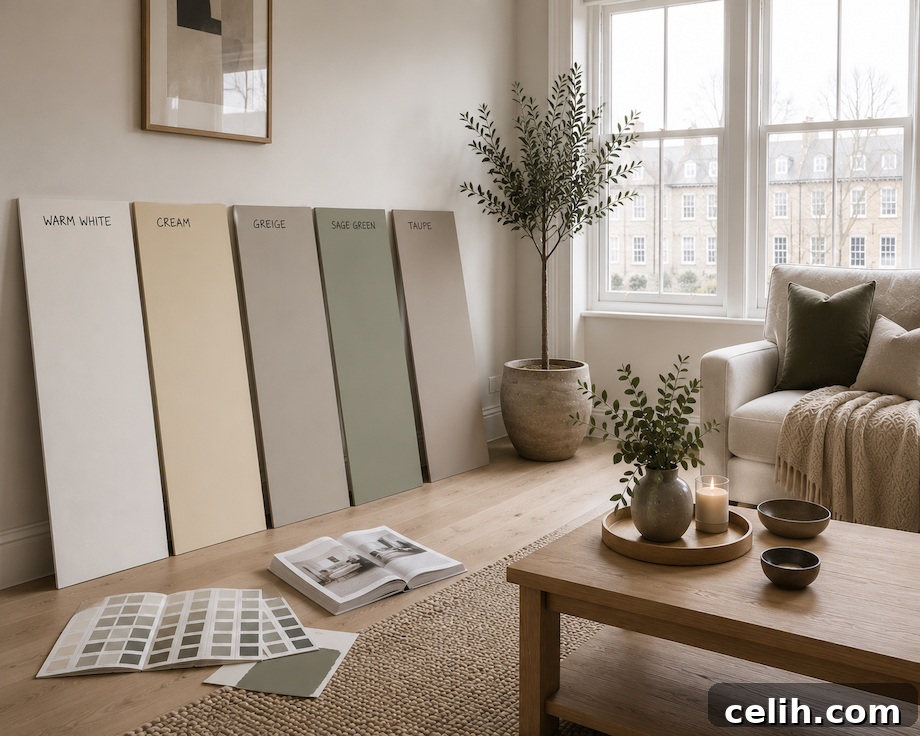
Even the best paint colour can disappoint if chosen from a tiny sample. Instead:
- Buy tester pots of your favourite colours.
- Paint large sample boards rather than small wall patches.
- Move the boards around the room to different walls and heights.
- View them in natural daylight and after dark under your usual lighting.
- Compare them alongside your flooring, sofa and curtains.
You’ll often discover that a favourite colour in the shop looks completely different once it’s in your home.
Designer Tips for Decorating North-Facing Rooms
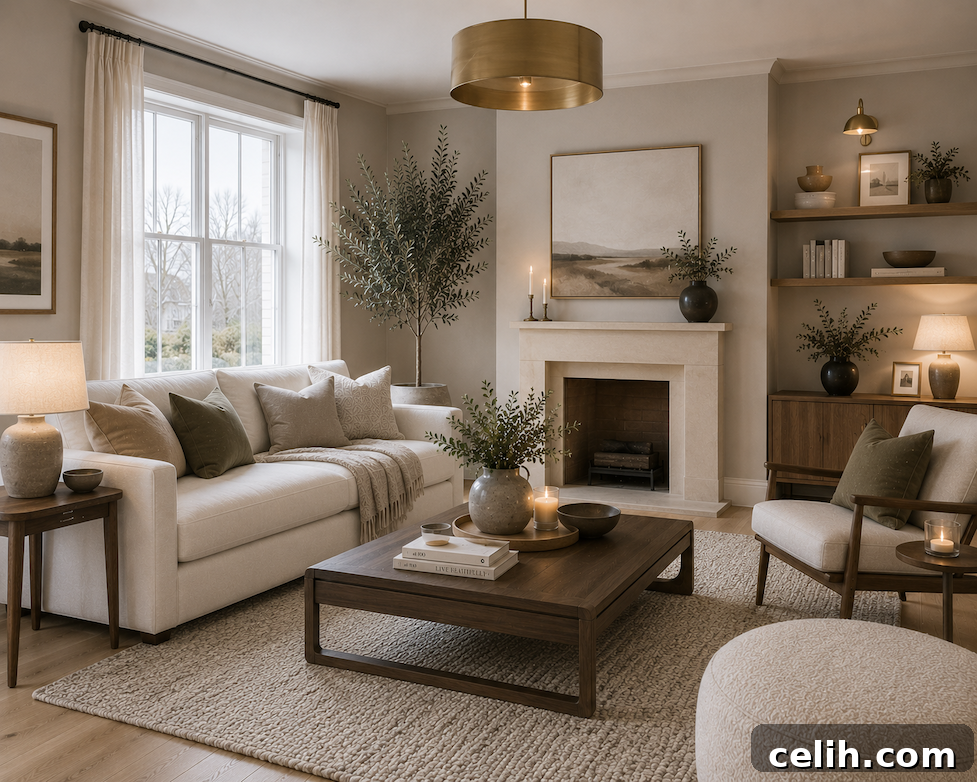
Professional designers use a few simple tricks to warm up north-facing rooms. Consider these practical hacks:
- Choose warm whites for ceilings and woodwork instead of brilliant white.
- Stick to paint colours with yellow, beige, brown or red undertones.
- Introduce natural wood through furniture and shelving to reinforce warmth.
- Layer different neutral shades rather than relying on a single colour.
- Add warmth through textiles in oatmeal, rust, terracotta or olive tones.
- Avoid making decisions based solely on online images, as screens display colour differently.
Small changes in undertone can make a remarkable difference to the finished room.
Best Paint Colours for a North-Facing Sitting Room
| Paint Colour | Why It Works | Best Paired With | Overall Warmth |
|---|---|---|---|
| Warm White | Reflects available light while avoiding a cold, clinical feel. | Oak furniture, linen fabrics, brass accessories | ★★★★★ |
| Cream | Creates an inviting backdrop with plenty of warmth. | Natural wood, soft greens, terracotta accents | ★★★★★ |
| Greige | Combines the sophistication of grey with the warmth of beige. | Black accents, walnut furniture, textured rugs | ★★★★☆ |
| Soft Taupe | Adds subtle depth without making the room feel dark. | Cream upholstery, warm metallics, woven baskets | ★★★★★ |
| Warm Beige | Brightens the room while creating a relaxed, cosy atmosphere. | White trim, oak flooring, olive green accessories | ★★★★★ |
| Sage Green | Brings nature indoors and softens cool northern light. | Light oak, cream sofas, botanical prints | ★★★★☆ |
| Olive Green | Rich and earthy, adding warmth and depth to larger rooms. | Brass lighting, leather furniture, walnut wood | ★★★★☆ |
| Terracotta | Instantly warms a room and creates a welcoming, cocooning feel. | Cream textiles, natural timber, black accents | ★★★★★ |
| Dusty Peach | Reflects light beautifully while introducing subtle warmth. | Soft whites, light wood furniture, woven textures | ★★★★★ |
| Mushroom | A sophisticated neutral that works well in modern interiors. | Charcoal accents, oak, linen curtains | ★★★★☆ |
Colours to Use Carefully
| Colour | Why It Can Be Difficult in a North-Facing Room |
| Brilliant White | Often appears blue or icy in cool natural light. |
| Blue-Grey | Can make the room feel noticeably colder. |
| Pale Ice Blue | Enhances the coolness of northern daylight. |
| Cool Silver Grey | May appear flat and lifeless, especially during winter. |
| Bright Pure Grey | Lacks warmth unless balanced with timber and layered lighting. |
Final Thoughts
North-facing sitting rooms are not doomed to feel cold; they simply respond differently to colour and light. By selecting paints with warm undertones, layering textures and adding warm lighting, you can create an elegant, calming and comfortable living space that feels welcoming year-round.
Frequently Asked Questions
What is the best paint colour for a north-facing sitting room?
Colours with warm undertones—warm whites, soft creams, greige, taupe, warm beige and earthy greens—are the best choices. They reflect daylight while making the room feel brighter and more welcoming.
Should I avoid white paint in a north-facing room?
Not necessarily. Avoid brilliant or pure white; instead opt for warm whites with creamy, ivory or beige undertones to achieve a softer, more inviting finish.
Why does my grey sitting room feel cold?
Many greys contain blue undertones that become more noticeable under cool northern light. Switching to a warmer greige or taupe can retain a contemporary neutral palette while adding warmth.
Can I use dark colours in a north-facing sitting room?
Yes. Rich colours like olive green, chocolate brown, deep terracotta or warm navy can create an intimate atmosphere. Balance darker walls with layered lighting, lighter soft furnishings and natural wood to prevent the space from feeling enclosed.
What colour sofa works best in a north-facing sitting room?
Cream, oatmeal, warm beige, camel, caramel leather, olive green and soft taupe sofas all work well. These tones complement warm wall shades and help the room feel comfortable and inviting.
What lighting should I use in a north-facing sitting room?
Aim for multiple layers of warm lighting rather than relying on a single ceiling fitting. Combine ceiling lights, table lamps, floor lamps and wall lights fitted with warm white LED bulbs (around 2700K) to create a cosy atmosphere throughout the day and evening.
Which flooring is best for a north-facing room?
Natural wood flooring such as oak or walnut adds instant warmth. If replacing flooring isn’t practical, a large wool rug in cream, oatmeal or warm beige can make the room feel considerably cosier while also reflecting more light.
Are north-facing sitting rooms always dark?
No. Although they receive less direct sunlight than south-facing rooms, they benefit from soft, even daylight throughout the day. With the right paint colours, lighting and furnishings, a north-facing sitting room can feel bright, elegant and welcoming all year round.
Should I paint the ceiling white?
A warm white ceiling usually works best. Using the same warm white on both the ceiling and woodwork creates a seamless look and avoids introducing cooler tones that could make the room feel less inviting.
What accent colours work well in a north-facing sitting room?
Warm accent colours help balance cool natural light. Consider rust, terracotta, mustard, burnt orange, olive green, forest green, burgundy, cinnamon and chocolate brown. These shades add depth, warmth and character without overpowering the space.