
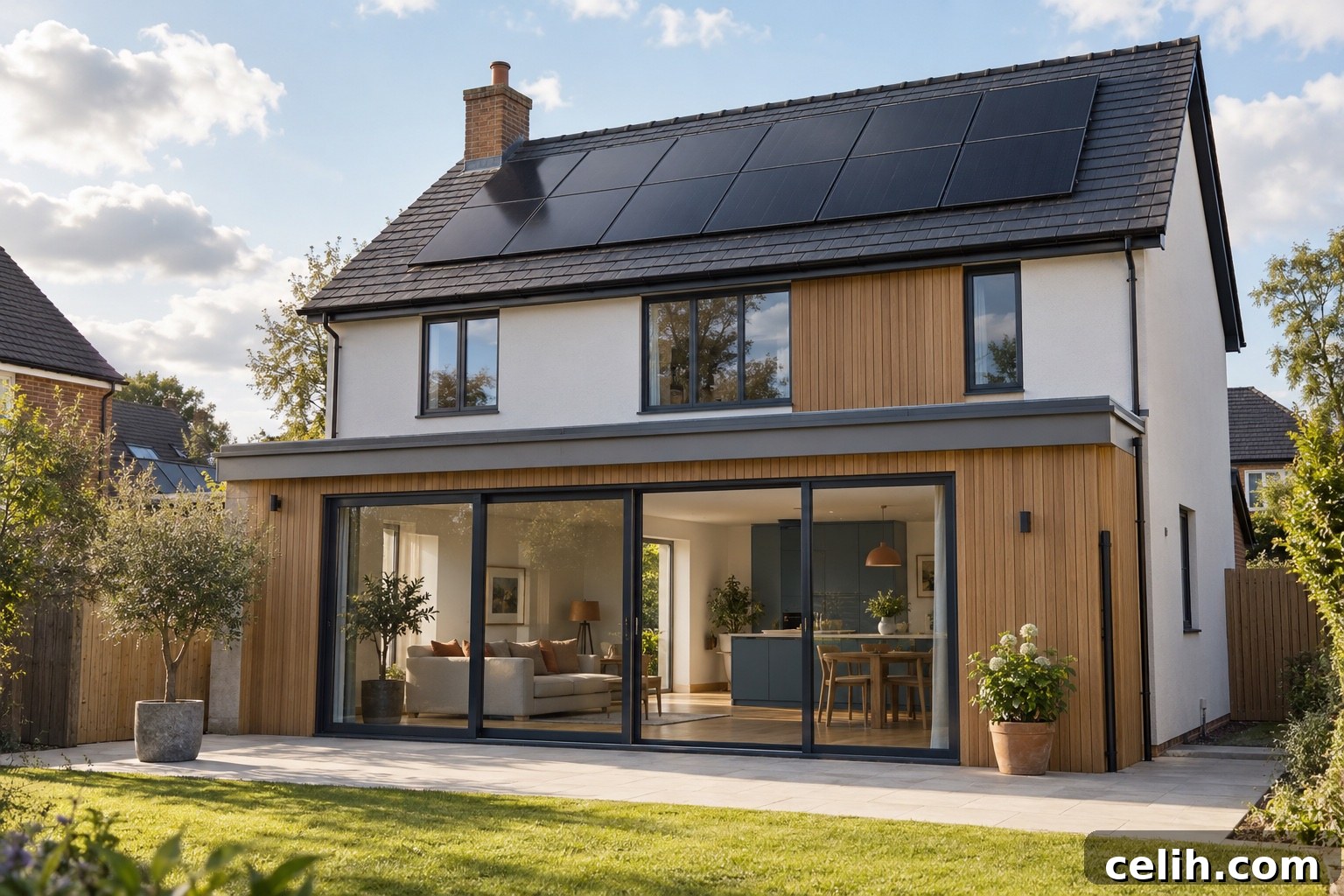
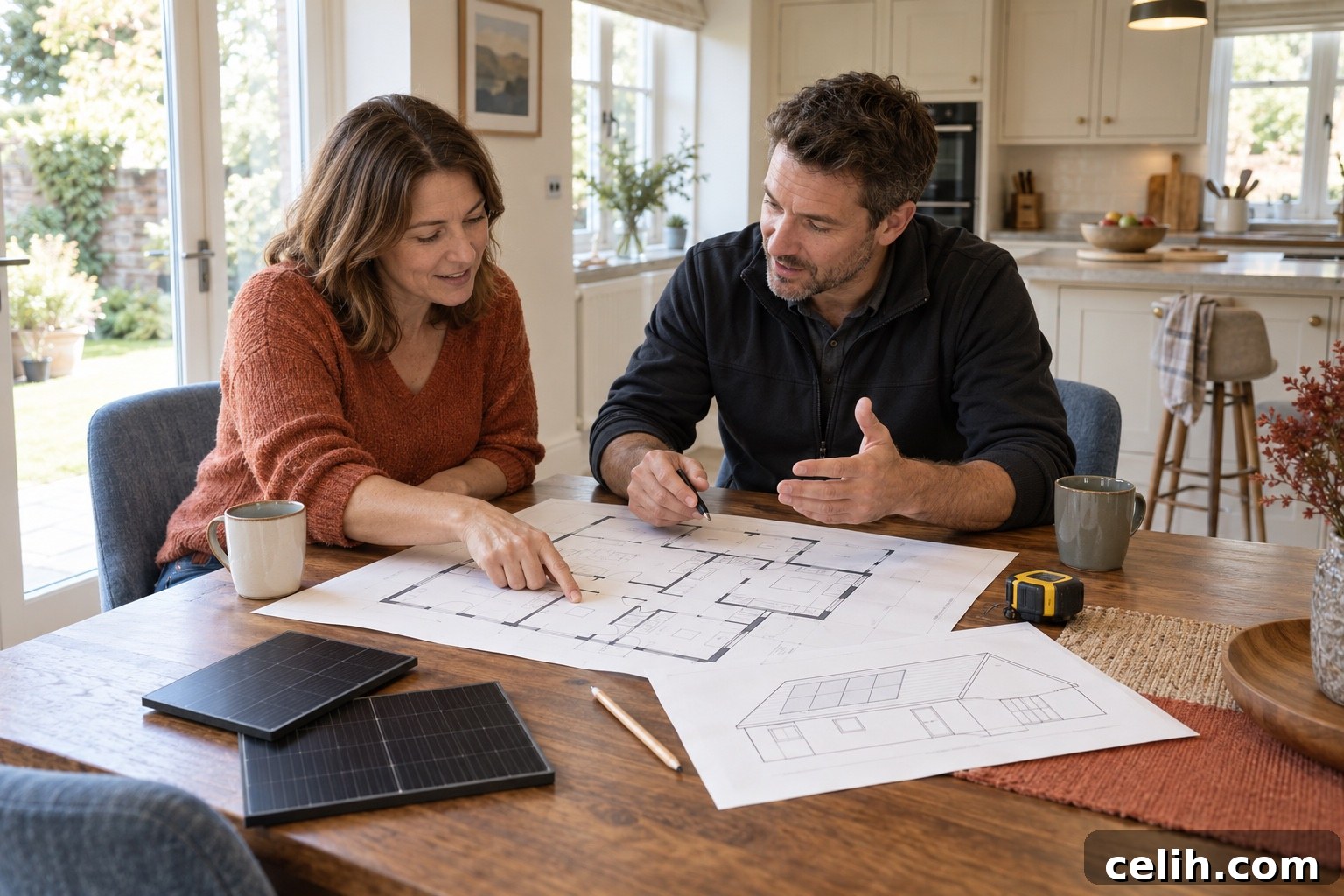
Most coverage of domestic solar panels focuses on the roof and then stops. That makes sense—after all, the panels are mounted there—but it overlooks an equally important question: how will installing solar change the interior of your home? If you’re considering solar as part of a broader move toward a greener, more efficient home, it pays to think about what happens indoors before the installers arrive. Planning ahead prevents awkward equipment placements, helps preserve the look and feel of your living spaces, and can save time and money during installation.
The Inverter Needs a Home Too
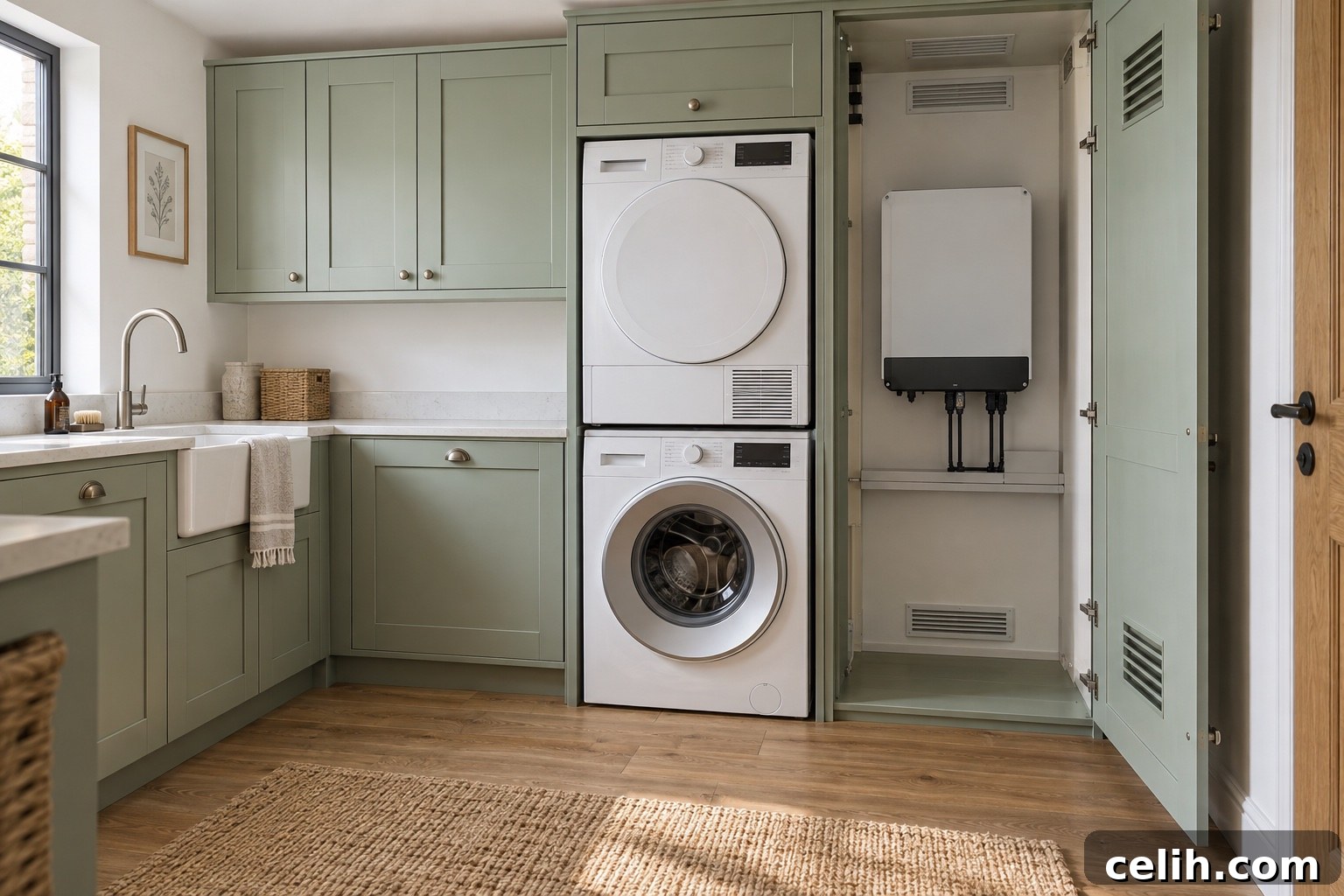
Every solar installation includes an inverter—the device that converts the direct current produced by panels into the alternating current your home uses. It may be compact, but it still needs a practical, accessible location. Too often installers place the inverter on the most convenient interior wall, which can leave a conspicuous grey box mounted at eye level in a garage or utility room. A little forethought during the design phase can find a more discreet home for it: tucked inside a dedicated cupboard, mounted higher or lower than eye level, or located in a less-used utility space. That small planning step keeps living areas tidy and maintains the aesthetic of rooms you use every day.
When you’re discussing layout with your installer, ask about cable routing and ventilation requirements so you can position the inverter out of the way without creating maintenance headaches. In many cases, a neatly concealed inverter makes a noticeable difference to how polished the finished installation feels.
Battery Storage Changes Your Floor Plan
If you pair panels with a home battery, as many homeowners do to gain resilience against variable electricity prices, you introduce another piece of equipment that needs intentional space. Batteries produce a small amount of heat and require ventilation and safe clearances, so simply squeezing one into an already cramped airing cupboard is often unsuitable. Because batteries are heavier and sometimes larger than inverters, locating them correctly can change how you use adjacent rooms.
For people renovating a home office, converting a garage, or reorganizing storage zones, adding battery storage can be the catalyst to design a proper utility area. Instead of continuing to use a cupboard as a catch-all, homeowners can create a dedicated, ventilated utility space that accommodates the battery, the inverter, and associated wiring while still leaving room for everyday storage. That approach helps keep living spaces uncluttered and makes maintenance simpler and safer in the long run.
As one solar operations manager noted, homeowners often plan for the panels and overlook the equipment inside the house—the items they see every day. Spending a few minutes to decide where that equipment will sit avoids awkward placements and preserves the functionality and appearance of key rooms.
Roof Lines and Kerb Appeal
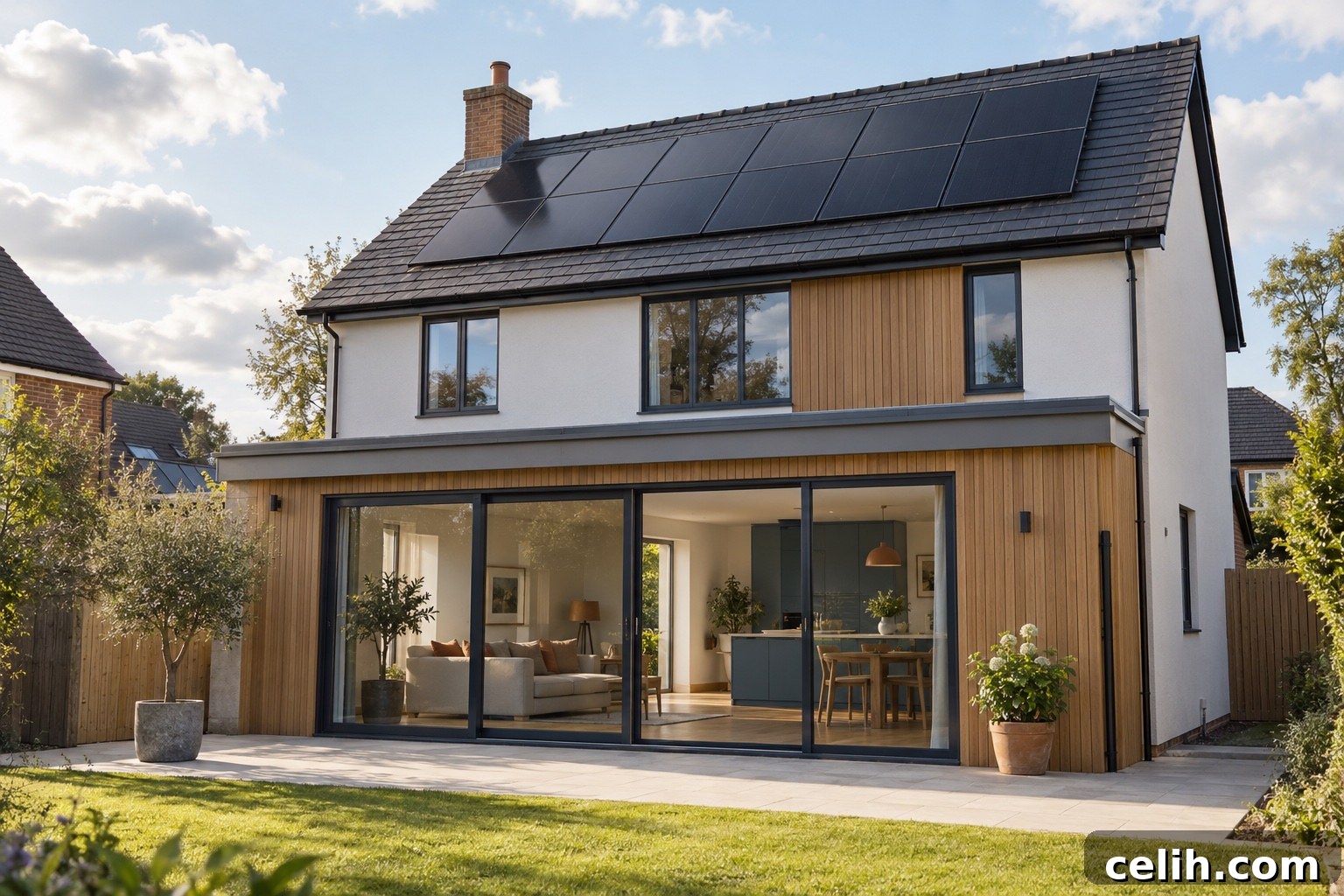
Panel placement is as much a visual and design decision as it is a technical one—especially for owners of period properties or houses within conservation areas. Low-profile panels that sit flush with the roofline look very different from high-profile arrays that appear clearly bolted on. The difference matters if you’re trying to preserve a traditional exterior while modernizing the services beneath the roof.
When planning, consider sightlines from the street, the angle of neighboring roofs, and how panels will appear against gutters and chimneys. Thoughtful placement can help panels blend in, retaining kerb appeal and respecting local planning guidelines where they exist. In many renovation projects, the best interventions are those that enhance a home’s function without drawing attention to themselves—solar should fit that same principle.
None of this should be a deterrent. Treating solar as part of an overall home plan—rather than a standalone roof project—yields better results. A little early planning about where interior equipment will sit and how panels sit on the roofline makes the difference between a tidy, integrated installation and one that looks like an afterthought. That thoughtful approach maintains your home’s character, keeps everyday spaces pleasant to use, and ensures your solar system performs well without compromising the look and feel of your property.