
The Profound Impact of Architectural Design on Healing and Well-being
For centuries, humanity has intuitively understood and harnessed the power of its built environment to influence human experience. From the serene grandeur of ancient temples designed to inspire spiritual contemplation to the restorative tranquility of palatial gardens, architecture has always played a vital role in shaping our emotional, mental, and physical states. These timeless structures were not merely shelters; they were carefully crafted spaces intended to promote well-being, soothe the senses, and foster a deep reverence for life itself.
In contemporary times, this inherent understanding has evolved into a specialized discipline, particularly within healthcare. The concept of healing through architectural design is no longer just an ancient wisdom but a scientifically supported approach influencing the creation of hospitals, clinics, and wellness centers globally. Extensive research, including various studies, consistently demonstrates the profound positive impact of thoughtful architectural design on patients’ well-being, safety, and their experience of stress. By creating environments that actively support recovery, reduce anxiety, and enhance comfort, modern healthcare architecture aims to accelerate healing and improve overall patient outcomes. Dive deeper into practical applications and strategies by exploring insightful healthcare architecture tips. This comprehensive exploration delves into key elements of architectural design that actively contribute to a healing environment, showcasing how form and function intertwine to nurture human health.
Embracing Nature: The Power of Biophilic Design
The integration of nature into architectural design, a concept known as biophilic design, stands as a cornerstone of healing environments. This approach recognizes humanity’s innate, evolutionary connection to the natural world and seeks to incorporate elements of nature into the built environment to foster physical and emotional well-being. Studies have repeatedly shown that exposure to natural elements can significantly reduce stress, improve mood, enhance cognitive function, and even lower blood pressure.
Biophilic design goes beyond mere aesthetics; it’s about creating spaces that actively engage our senses with nature’s therapeutic properties. It strives to design environments that not only promote healing but also boost productivity, enhance sustainability, and improve the overall quality of life for occupants. Key examples of biophilic design elements include:
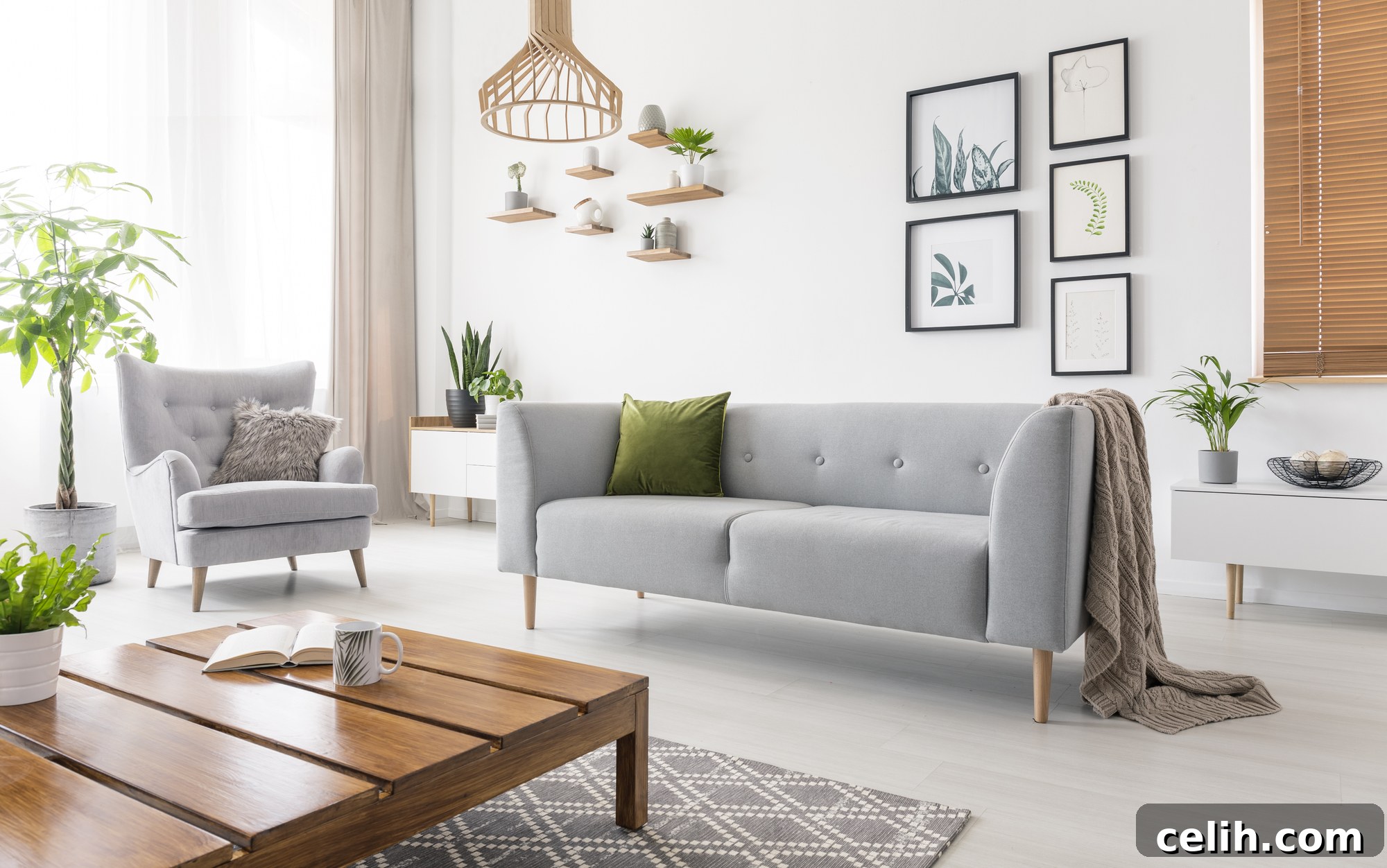
- The Strategic Addition of Plants and Trees: Integrating flora, whether through lush indoor plants, vibrant green roofs, or impressive living walls, brings a host of benefits. Indoor plants are renowned for their calming effect, their ability to purify indoor air by absorbing toxins, and their contribution to humidity regulation. Green roofs provide insulation, manage stormwater, and create habitats for local wildlife, offering restorative views from upper floors. Living walls, adorned with climbing plants like English ivy or morning glory, transform bland surfaces into dynamic, breathable ecosystems, improving air quality and providing natural sound dampening. These green elements create a tangible connection to the outdoors, reducing mental fatigue and promoting a sense of peace.
- Soothing Water Features: The presence and sound of water possess an undeniable calming power. Incorporating water features such as tranquil indoor fountains, captivating aquariums, or serene outdoor ponds introduces auditory and visual elements that can significantly reduce stress. The gentle trickling of a fountain, the rhythmic movement of fish in an aquarium, or the reflective surface of a pond can evoke a sense of serenity, aiding in meditation and relaxation. These elements not only enhance the aesthetic appeal but also offer a sensory refuge from the hustle and bustle of daily life.
- Embracing Natural Materials: The tactile and visual qualities of natural materials like unpolished stone, warm wood, and raw timber connect us directly to the earth. Utilized in furniture, flooring, wall coverings, and structural elements, these materials introduce organic textures and subtle variations that are inherently pleasing to the eye and touch. They evoke a sense of authenticity and timelessness, contributing to a grounding atmosphere that helps reduce feelings of anxiety and promote a sense of security and belonging. The use of sustainable, natural materials also aligns with environmental consciousness, further contributing to a holistic sense of well-being.
By thoughtfully integrating these biophilic elements, architectural design fosters a closer, more profound connection with nature and its powerful healing properties. This approach transforms sterile environments into vibrant, life-affirming spaces where recovery and well-being can truly flourish.
The Indispensable Role of Natural Light (Daylighting)
The strategic incorporation of natural light, often referred to as daylighting, into architectural design is not merely an aesthetic choice but a vital component in creating truly healing environments. The profound importance of natural light in supporting human health and well-being has been acknowledged by ancient civilizations and is now extensively validated by modern scientific research.
Natural light plays a critical role in regulating our circadian rhythms, the internal biological clock that governs sleep-wake cycles, hormone production, and various metabolic processes. Exposure to natural daylight, particularly in the morning, helps synchronize these rhythms, leading to improved sleep quality, enhanced mood, and increased alertness during the day. Conversely, a lack of natural light can disrupt these rhythms, contributing to sleep disorders, depression, and reduced cognitive function.
In healthcare settings, the benefits of natural light are particularly pronounced. Studies, such as those conducted by the International Transaction Journal of Engineering, Management, & Applied Sciences & Technologies (ITJEMAST), have consistently found that natural light within hospital rooms significantly supports the physical and psychological well-being of patients. It has been shown to alleviate pain, reduce the need for pain medication, decrease length of hospital stays, and accelerate the healing process. Patients exposed to ample daylight report lower stress levels, improved mood, and a greater sense of control and connection to the outside world, all of which are crucial for recovery.
Architectural design strategies for maximizing natural light include careful building orientation, optimal window placement and sizing, and the thoughtful incorporation of other apertures such as skylights, light shelves, and atriums. These elements ensure maximum access to natural light, allowing sunlight to penetrate deep into interior spaces while mitigating glare and heat gain. Floor-to-ceiling windows, for instance, not only flood rooms with light but also offer expansive views, further connecting occupants with the external environment. Even in spaces where direct natural light is limited, innovative design can harness borrowed light through interior glazing or strategically placed reflective surfaces. The quality of artificial lighting can also be designed to mimic natural light cycles, further supporting circadian health in environments where natural light is challenging to achieve.
The thoughtful integration of natural light transforms a mere building into a vital space that actively contributes to human health, promoting faster recovery, enhanced mood, and overall vitality.
The Psychology of Colour: Healing Colour Schemes
Colour is far more than just a visual attribute; it is a powerful psychological tool that profoundly influences our mental state, energy levels, and emotional responses. Colour therapy, a recognized complementary health approach, underscores the deep impact hues have on our psyche. By consciously incorporating these findings into architectural and interior design, environments can be created that offer specific healing benefits to their occupants.
- Green: The Colour of Nature and Harmony. Green is almost universally considered one of the most healing and restorative colours. Strongly associated with nature, growth, and balance, its incorporation into design can help to soothe the nervous system, reduce anxiety, and promote a sense of calm and rejuvenation. Light, muted greens are excellent for patient recovery rooms or study areas, as they foster concentration without being overstimulating. Deeper greens can evoke stability and connection to the earth, suitable for reception areas or spaces intended for relaxation.
- Yellow: The Optimistic Radiance. Associated with sunshine, warmth, and intellectual activity, yellow is an inherently optimistic and cheerful colour. Lighter, softer yellows and golds can promote feelings of happiness, vitality, and creativity, helping to alleviate symptoms of anxiety and depression. It can be particularly effective in social spaces, common areas, or creative studios where a positive and uplifting atmosphere is desired. However, it’s important to use yellow judiciously, as overly bright or saturated yellows can be overstimulating; gentle hues tend to be more therapeutic.
- Blue: The Emblem of Serenity and Peace. Blue is widely recognized as a cooling and calming colour, inspiring inner peace, tranquility, and a sense of stability. Lighter blues can evoke the vastness of the sky and ocean, promoting relaxation and reducing stress, making them ideal for bedrooms, meditation rooms, or quiet contemplation zones. Deeper blues can convey professionalism and trust, suitable for professional environments or spaces requiring focus. It’s often used in healthcare settings to create a soothing environment that can help lower heart rate and blood pressure.
- Other Therapeutic Hues: While green, yellow, and blue are primary healing colours, others also contribute. Soft lavenders and purples can inspire spirituality, creativity, and introspection. Gentle pinks evoke nurturing and comfort. Neutral tones like beige, off-white, and warm greys provide a stable, unobtrusive backdrop that allows other elements to shine while maintaining a sense of serenity and spaciousness.
The effectiveness of colour in architectural design also depends on its saturation, brightness, and combination with other colours. A monochromatic scheme of varying shades of one healing colour can be very effective, as can a harmonious palette that thoughtfully blends complementary hues. Cultural contexts and individual preferences also play a significant role, emphasizing the need for flexible and personalized design solutions. By understanding and applying the principles of colour psychology, architects can create environments that subtly yet powerfully enhance emotional and physical well-being.
Beyond the Visual: Holistic Elements of Healing Architecture
While biophilic design, natural light, and colour psychology form core pillars of healing architecture, a truly holistic approach integrates several other crucial elements that contribute to a comprehensive sense of well-being and recovery.
- Acoustic Comfort and Noise Reduction: Noise pollution is a significant stressor, particularly in healthcare environments. Healing architecture prioritizes acoustic design through the use of sound-absorbing materials, strategic layout to minimize sound transmission, and even incorporating white noise or calming natural soundscapes. Creating quiet zones and private spaces allows for rest, reflection, and reduced sensory overload, which are vital for recovery and mental clarity.
- Intuitive Layout and Wayfinding: Complex and confusing building layouts can induce anxiety and frustration. Healing environments are designed with clear, intuitive wayfinding systems, logical spatial organization, and visual cues that help occupants navigate effortlessly. This reduces stress, promotes independence, and ensures that individuals can easily access the resources and support they need.
- Personal Control Over Environment: Empowering occupants with a degree of control over their immediate environment can significantly reduce stress and enhance comfort. This includes features like adjustable lighting (both natural and artificial), temperature control, privacy screens, and access to personalized entertainment or information. Giving patients the ability to modify their space fosters a sense of agency and comfort, moving away from the impersonal nature of many institutional settings.
- Art and Aesthetic Engagement: The inclusion of thoughtfully curated art and aesthetic elements can profoundly impact mood and provide positive distraction. Calming landscape photography, abstract art with soothing colours, or interactive installations can stimulate cognitive engagement, evoke positive emotions, and offer moments of beauty and contemplation that aid the healing process.
- Ergonomics and Comfort: The physical comfort of furniture, seating, and general accessibility cannot be overstated. Ergonomically designed chairs, comfortable beds, and barrier-free access for individuals with varying mobility needs ensure physical ease and reduce discomfort, contributing directly to a positive healing experience.
- Indoor Air Quality and Non-Toxic Materials: A fundamental aspect of health is the air we breathe. Healing architecture emphasizes superior ventilation systems, minimizes the use of volatile organic compounds (VOCs) in paints, finishes, and furnishings, and selects non-toxic, sustainable materials. This ensures a clean, healthy indoor air environment, crucial for individuals with respiratory sensitivities or compromised immune systems.
The Holistic Impact and Future of Healing Architecture
When these diverse elements—biophilic design, natural light, colour psychology, acoustic comfort, intuitive layout, personal control, art, ergonomics, and superior air quality—are integrated cohesively, they create a truly holistic healing environment. Such spaces transcend their functional purpose, becoming active partners in the journey toward well-being. They provide a sanctuary that supports psychological comfort, reduces physiological stress, and actively promotes physical recovery.
The benefits extend beyond individual occupants. For healthcare providers, healing architecture can lead to reduced staff turnover, improved morale, and increased efficiency due to better-designed workflows. For institutions, it often translates into tangible economic advantages, such as shorter patient stays, fewer readmissions, and enhanced patient satisfaction, ultimately bolstering their reputation and sustainability. As research continues to unveil the intricate connections between our environment and our health, the principles of healing architecture are increasingly being applied not just in hospitals, but also in workplaces, educational institutions, and residential settings, recognizing that every space we inhabit has the potential to either diminish or enhance our vitality.
Final Thoughts
The conscious integration of nature’s wisdom, scientific insights, and artistic sensibility into architectural and interior design represents a powerful frontier in promoting human health. By creating environments that are not only functional but also deeply soothing, aesthetically pleasing, and inherently restorative, we unlock architecture’s profound capacity to nurture, inspire, and heal. These thoughtfully designed spaces serve as testaments to the belief that our surroundings are not passive backdrops but active participants in our journey towards holistic well-being.