
Transforming an outdoor space, no matter its size, into a vibrant sanctuary is a desire shared by many. Among the myriad of creative approaches, contemporary and quirky mounted outdoor wall planters have emerged as a leading trend, inviting lush greenery and vivid blooms to ascend and redefine vertical landscapes. This comprehensive guide will explore the compelling reasons to embrace garden wall planters, delve into the practicalities of selecting and installing them, offer innovative ideas for their arrangement, and provide essential maintenance tips to ensure your green art flourishes. Prepare to elevate your gardening experience and infuse unparalleled character and personality into your outdoor haven.
Why Embrace Outdoor Wall Planters?
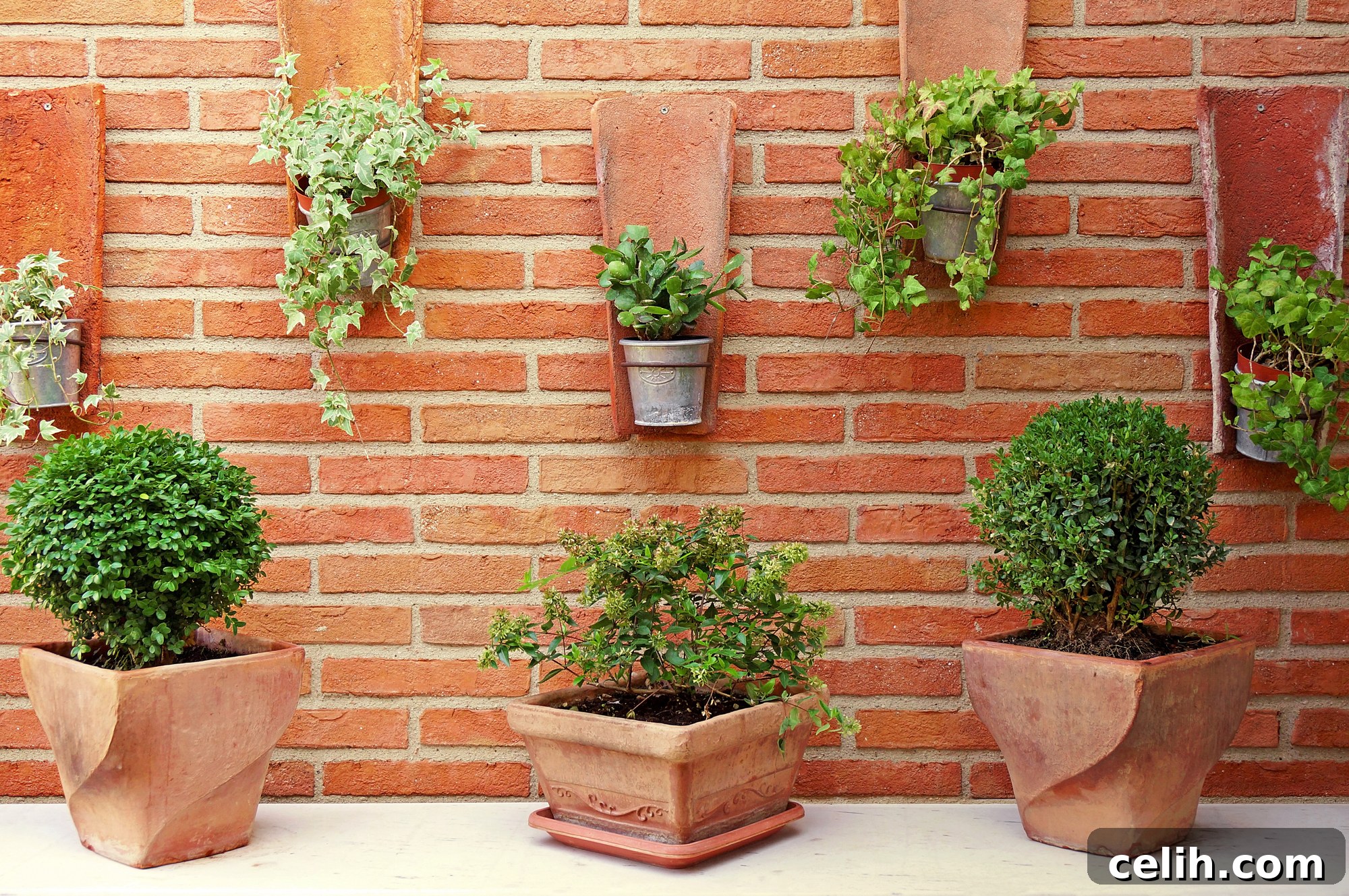
Outdoor wall planters are a versatile and ingenious solution for gardens of all scales, from compact urban balconies and small backyards to sprawling patios and expansive plots. Beyond merely adding a decorative element, these vertical gardening wonders offer a plethora of practical benefits that enhance both the aesthetics and functionality of your green space.
Maximizing Limited Space
One of the most significant advantages of wall planters is their unparalleled ability to optimize space. In urban environments where ground-level gardening real estate is scarce, vertical planting transforms unused wall areas into thriving gardens. This allows enthusiasts to cultivate a diverse array of plants, herbs, fruits, and flowers without sacrificing valuable floor space. Imagine a vibrant herb garden flourishing on a kitchen wall, or a stunning floral display adorning a narrow patio – all made possible by cleverly mounted planters.
Promoting Plant Health and Vigor
Elevating plants off the ground provides several crucial benefits for their health. Wall pots typically offer superior drainage compared to traditional garden beds or pots simply placed on the ground. This excellent drainage prevents waterlogging, a common culprit behind root rot and fungal diseases, allowing plant roots to breathe and thrive. Furthermore, the elevated position often acts as a natural deterrent against ground-dwelling pests such as slugs and snails, which are less likely to scale walls to reach your precious plants. Improved air circulation around the foliage also contributes to healthier growth and reduced disease incidence.
Enhancing Accessibility and Convenience
For gardeners of all ages and physical abilities, wall planters offer enhanced accessibility. With plants positioned at a comfortable height, tasks like watering, pruning, and harvesting become significantly easier, reducing the need for bending and kneeling. This makes gardening a more enjoyable and less strenuous activity, opening up the world of horticulture to a broader audience.
Effortless Installation and Adaptability
Many outdoor wall planters boast straightforward installation processes, often requiring nothing more than a few wall brackets, screws, and basic tools. This ease of setup means you can quickly transform a bare wall into a living masterpiece. Their adaptability allows them to be placed almost anywhere there’s a vertical surface – on fences, sheds, pergolas, or exterior house walls – providing endless possibilities for creative garden design. Whether you aim to grow fresh culinary herbs, delicate succulents, robust fruit plants, or your favourite annuals, wall planters provide a flexible and beautiful canvas.
Choosing the Perfect Wall Planter for Your Oasis
Selecting the ideal wall planter is a pivotal step in crafting your vertical garden. This decision should thoughtfully consider several interconnected factors, including the unique characteristics of your garden, the specific plant species you intend to cultivate, and your personal aesthetic preferences.
Consider Plant Variety and Requirements
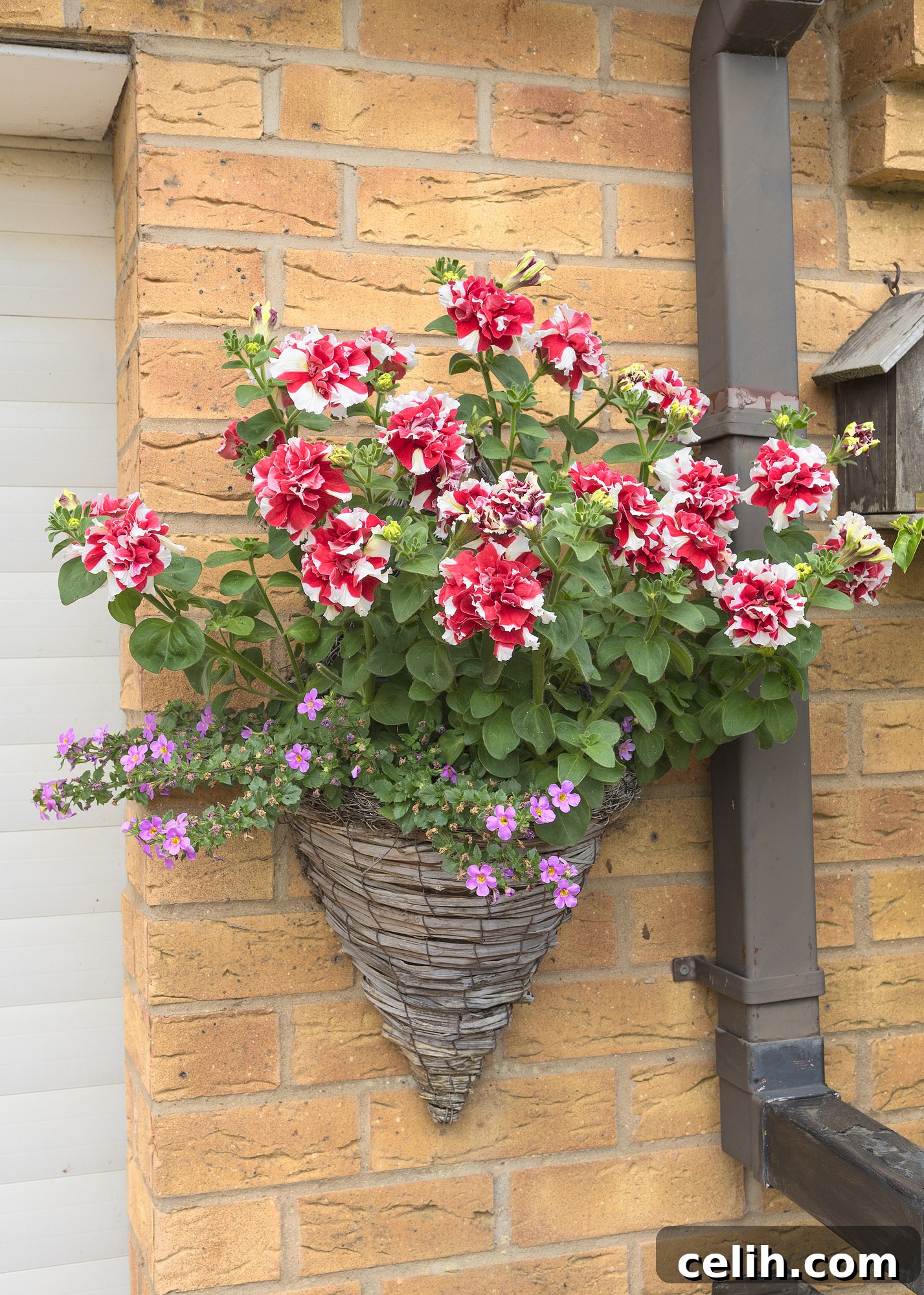
The type of plants you wish to grow should heavily influence your planter choice. For instance, plants with extensive root systems or those that grow tall, like certain herbs or small vegetables, will require deeper and wider containers. Cascading blooms, such as petunias or nasturtiums, flourish in planters that allow their foliage to gracefully trail downwards. Conversely, shallow containers are perfect for succulents, air plants, or creating a compact vertical herb garden, providing just enough soil for their needs without excess weight. Always consider the light requirements of your chosen plants and match them to the sun exposure of your intended wall space.
Size, Scale, and Strategic Placement
Equally crucial is evaluating the size of your garden and the specific wall space available for mounting. A sprawling garden might accommodate an impressive array of large, diverse planters, creating an expansive living wall effect. In contrast, a smaller space necessitates more judicious choices, perhaps focusing on a few strategically placed planters that act as captivating focal points without overwhelming the area. Before installation, assess the wall’s structural integrity, sun exposure throughout the day, and protection from strong winds. A well-placed wall planter can transform an otherwise uninteresting wall into a dynamic feature, drawing the eye and adding architectural interest to your outdoor design.
Explore Planter Materials and Durability
Outdoor wall planters are available in an astonishing variety of designs, styles, and materials, each offering distinct advantages in terms of aesthetics, durability, and cost. Your choice will depend on the desired look for your garden and your budget. Popular materials include:
- Ceramic Wall Planters: Known for their classic appeal and excellent insulation properties, ceramic planters maintain consistent soil temperatures. However, they can be heavy and fragile, making careful mounting essential.
- Metal Wall Planters: Often crafted from galvanized steel, copper, or wrought iron, metal planters offer a sleek, modern, or industrial look. They are durable but can heat up quickly in direct sun, potentially stressing plant roots. Rust prevention treatments are crucial for longevity.
- Wooden Wall Planters: Providing a natural, rustic, or even contemporary minimalist aesthetic, wood offers good insulation. Cedar or redwood are popular choices due to their natural resistance to rot, though all wooden planters require periodic sealing or treatment to withstand the elements.
- Recycled Plastic Planters: An eco-friendly and lightweight option, recycled plastic planters are incredibly durable, weather-resistant, and come in a vast array of colors and shapes, often mimicking the look of more expensive materials.
- Woven and Natural Fiber Planters: Materials like willow, rattan, or coco coir liners offer a charming, organic texture. While aesthetically pleasing, they may have a shorter lifespan outdoors compared to more robust materials and often require frequent watering due to quicker drying.
Style and Design: Matching Your Garden’s Personality
Beyond material, the style of the planter itself plays a significant role in defining your garden’s character. You can opt for minimalist designs that blend seamlessly with modern architecture, ornate or vintage-inspired planters that add a touch of old-world charm, or bold, sculptural pieces that serve as art installations. Consider geometric patterns, vibrant colors, or unique shapes to truly reflect your personal style and create a cohesive outdoor living space.
Creating a Vertical Garden Canvas: Artful Arrangement
Once you’ve carefully chosen your wall planters, the exciting journey of transforming your outdoor wall into a living masterpiece begins. This is where creativity takes center stage, allowing you to compose a dynamic and visually engaging display.
Arranging for Aesthetic Symmetry and Impact
Before you even pick up a plant, visualize the arrangement of your wall planters. Sketching out ideas can be immensely helpful. Aim for a harmonious balance, whether through symmetrical patterns that create a sense of order and formality, or asymmetrical groupings that offer a more organic and relaxed feel. Consider the principles of design: rhythm (repetition of similar planters), balance (distributing visual weight), and hierarchy (a focal point planter surrounded by supporting elements). Contrast and complement colors, textures, and plant varieties to curate a visually arresting display that evolves with the seasons.
Utilizing the Vertical Dimension with Ingenuity
The vertical plane introduces a unique opportunity for horticultural innovation. Harness this space by selecting plants that are naturally suited to vertical growth or can be trained to climb. Consider:
- Climbing Vines: Ivies, clematis, jasmine, or even edible varieties like peas and beans can be trained to scale a trellis integrated into or positioned near your wall planters, creating a lush green backdrop.
- Trailing Plants: Petunias, lobelia, sweet alyssum, and certain types of fuchsias will spill gracefully over the edges of your planters, softening harsh lines and adding a sense of abundance.
- Tall, Slender Perennials: Ornamental grasses, certain ferns, or spikey succulents can add vertical interest and architectural form to your display.
- Modular Systems: For a more integrated approach, consider modular living wall systems that allow for a dense tapestry of plants, creating a truly immersive green wall.
Incorporating a mix of upright, trailing, and spreading plants within your wall planters creates depth and visual interest, turning a flat surface into a multi-dimensional garden feature. Experiment with different textures and shades of green to add further complexity and appeal.
Maintenance and Care: Nurturing Your Vertical Oasis
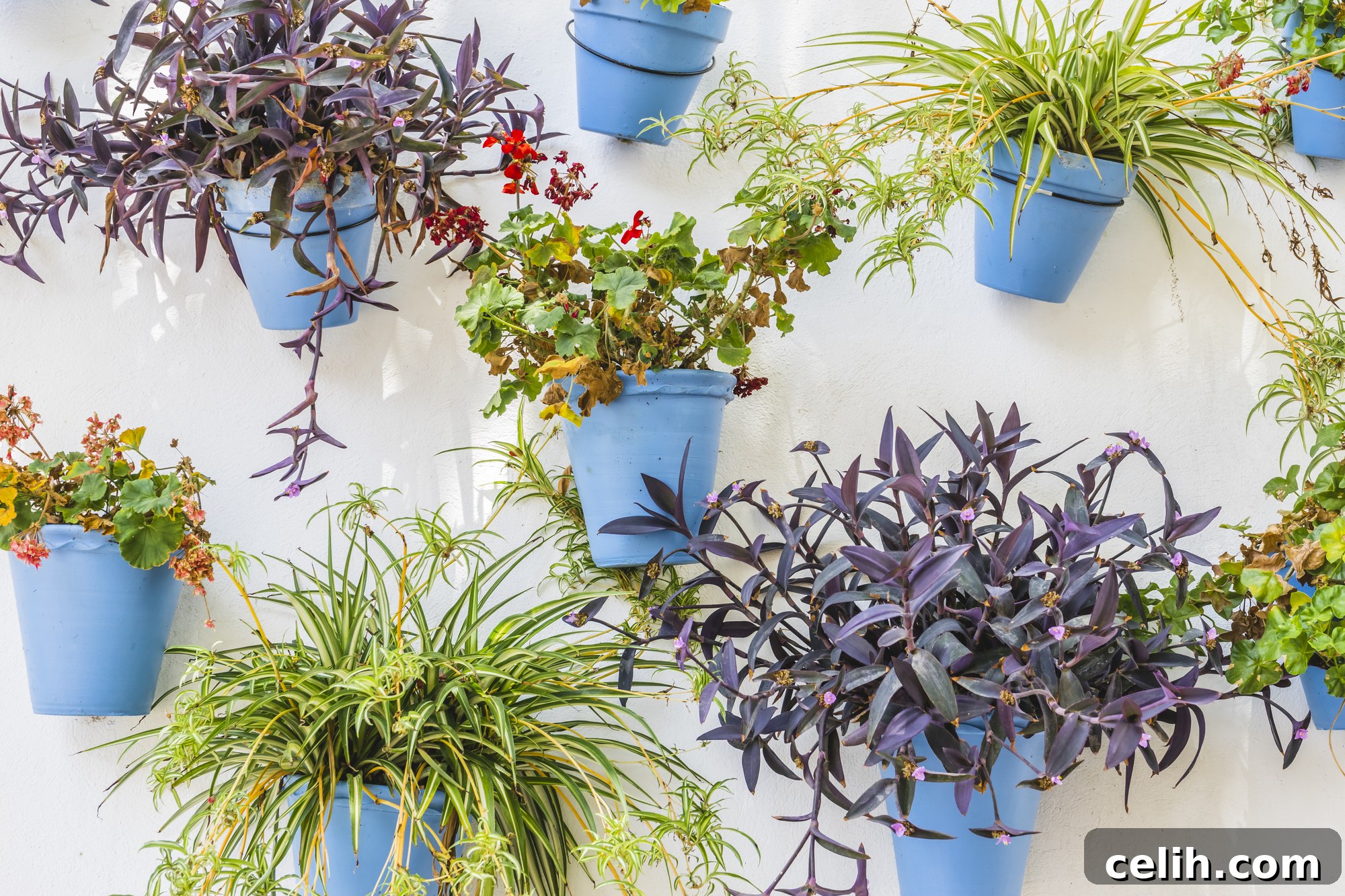
Like any garden endeavour, wall planters require diligent care and nurturing to flourish and sustain their quirky allure. While generally considered low-maintenance, a consistent routine ensures their long-term health and beauty.
Optimal Watering and Efficient Drainage
The most critical aspect of wall planter care is proper watering. Ensure that your chosen planters offer adequate drainage holes to prevent water accumulation, which can lead to root rot. Monitor moisture levels diligently, as elevated planters can dry out more quickly than ground beds, especially in windy or sunny conditions. A good rule of thumb is to water when the top inch of soil feels dry to the touch. Consider installing a drip irrigation system or self-watering planters for larger vertical gardens or for convenience, significantly reducing manual effort and ensuring consistent moisture.
Regular Pruning, Deadheading, and Grooming
Periodic maintenance, including pruning, deadheading, and general grooming, is vital to prevent overgrowth, encourage new blooms, and maintain the aesthetic integrity of your wall planters. Regularly trim errant branches, remove spent flowers (deadhead), and pick off any yellowing or diseased leaves. This not only keeps your display looking tidy but also diverts the plant’s energy into producing more foliage and flowers, promoting denser, healthier growth.
Nutrient Supply and Pest Management
Container plants rely entirely on you for their nutrients. Regular feeding with a balanced liquid fertilizer, especially for flowering or fruiting plants, will ensure they receive the nourishment needed for vigorous growth. As for pests, the elevated position helps, but it’s still wise to inspect your plants regularly for any signs of common garden pests or diseases. Early detection allows for prompt and often organic intervention, such as manual removal of pests or application of insecticidal soap, before problems escalate.
Seasonal Adjustments and Winter Care
Depending on your climate, wall planters may require seasonal adjustments. In hotter months, some plants might need more frequent watering or temporary shading. As winter approaches, consider if your plants are hardy enough to withstand the cold. Tender plants may need to be brought indoors, protected with frost covers, or replaced with winter-hardy alternatives to maintain visual appeal throughout the year.
Environmental Considerations: Cultivating a Sustainable Vertical Garden
Incorporating wall planters also provides a wonderful opportunity to embrace eco-conscious practices and contribute positively to the environment.
Embracing Sustainable Materials and Upcycling
Make environmentally friendly choices by opting for planters crafted from sustainable materials. Recycled plastic, reclaimed wood, bamboo, or biodegradable containers minimize your ecological footprint. Better yet, unleash your creativity and make your own DIY outdoor wall planters using reclaimed materials found around your home or salvaged from construction sites. Old pallets can be transformed into vertical gardens, plastic bottles can be repurposed into seedling pockets, or even discarded household items can be given a new life as quirky, unique planters. This not only adds a personal touch but also significantly reduces waste.
Creating a Haven for Local Wildlife and Pollinators
Consider the potential for attracting and supporting local wildlife to your garden. By selecting native plants in your wall planters, you provide vital food sources and habitat for local birds, bees, butterflies, and other beneficial insects. Integrating small bird feeders, bee hotels, or even a tiny water source nearby can transform your wall-mounted garden into a welcoming haven, contributing to biodiversity and supporting local ecosystems, especially in urban areas where natural habitats are scarce.
Water Conservation and Urban Greening Benefits
Implement water-saving techniques within your vertical garden. Efficient watering systems like drip irrigation minimize evaporation and water runoff. Consider installing a small rain barrel to collect rainwater for your planters, further reducing your reliance on treated tap water. Beyond your immediate garden, wall planters contribute to urban greening efforts. They help improve air quality by filtering pollutants, reduce ambient temperatures through evapotranspiration (the cooling effect of plants), and mitigate the urban heat island effect, making cities greener and more livable.
Quirky & Contemporary Wall Planter Ideas to Inspire
Ready to infuse your garden with a dose of contemporary flair, playful quirkiness, and undeniable charm? Explore these imaginative outdoor wall planter ideas that promise to be conversation starters and focal points:
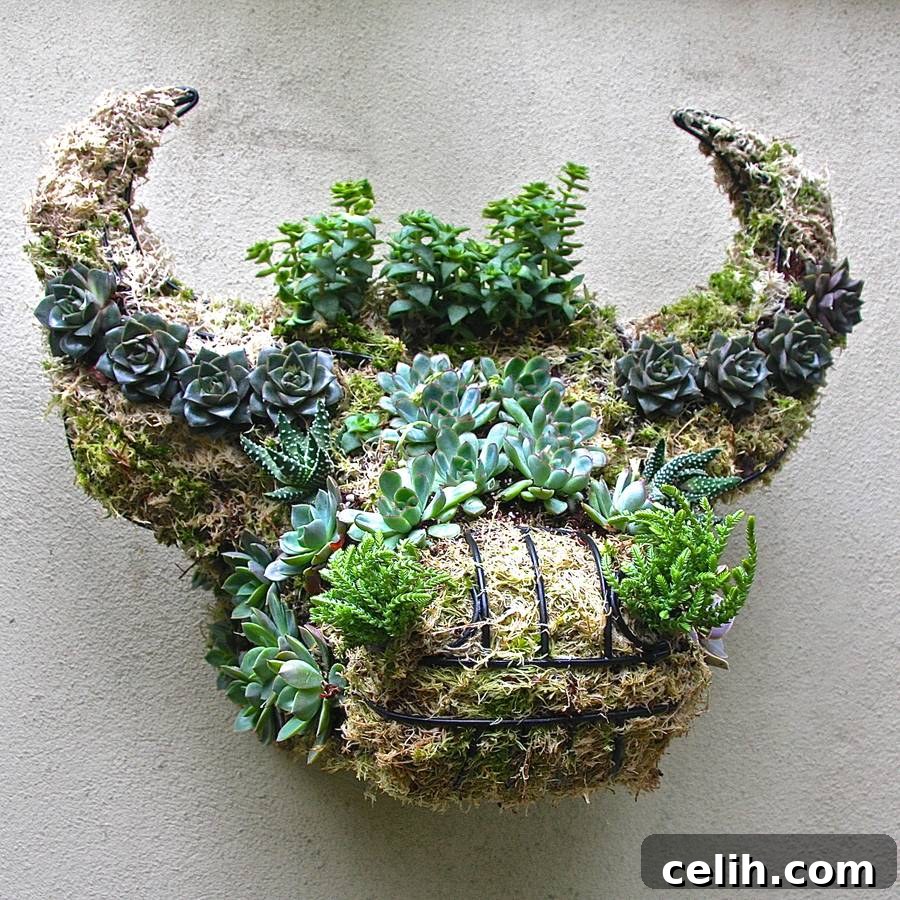
Sculptural Animalistic Planters: Make a bold statement with a planter designed in the form of an animal head or other striking sculptural shapes. Imagine a majestic buffalo head, its ‘fur’ crafted from lush moss and succulents, creating an artistic and unexpected garden feature. These unique pieces serve as much as outdoor art as they do plant containers, blending nature with sculptural design for a truly memorable effect. They are perfect for showcasing hardy plants that require minimal soil, making them low-maintenance yet high-impact.
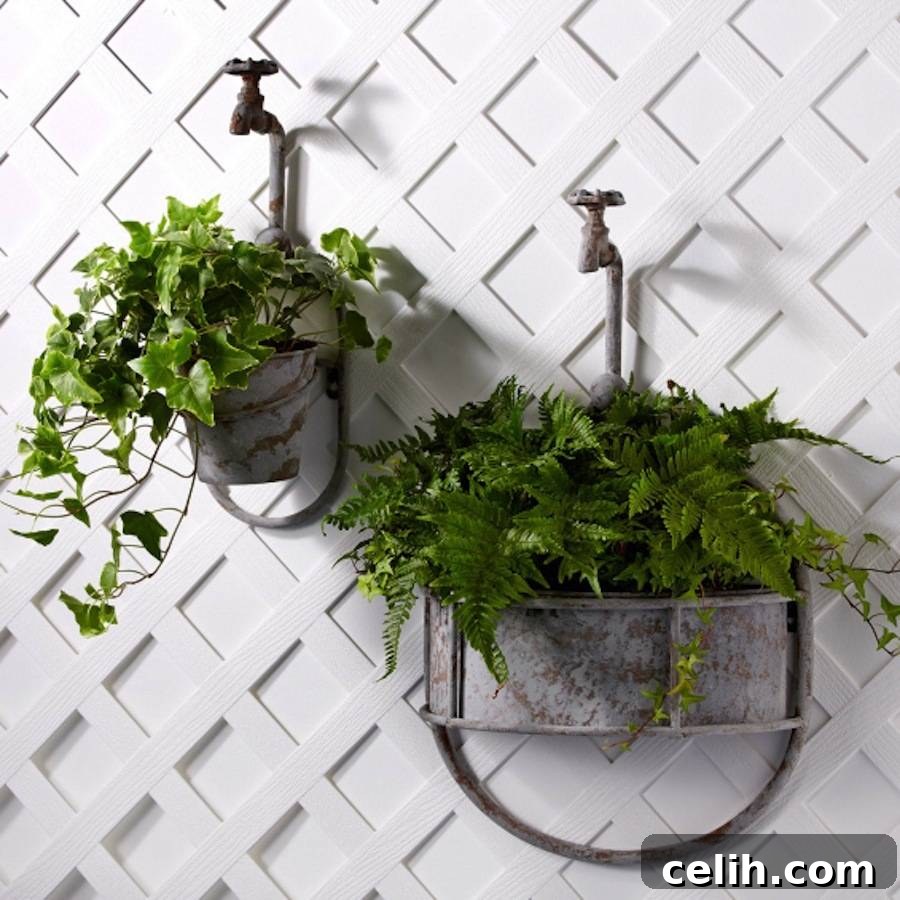
Illusionary Faucet Planters: Embrace a touch of whimsy with planters that create an optical illusion. Consider a design where a vintage-style garden tap appears to be ‘pouring’ plants directly from the wall, cascading green foliage or vibrant flowers downwards. While not providing a literal watering function, these clever designs are packed with quirky style and add a playful, unexpected element to any wall, inviting double-takes and smiles from visitors.
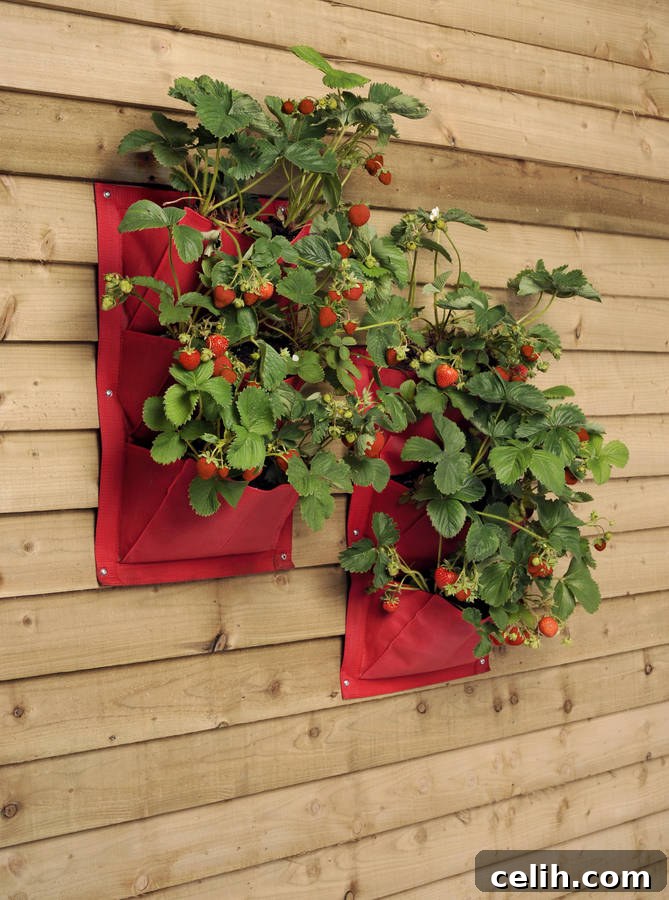
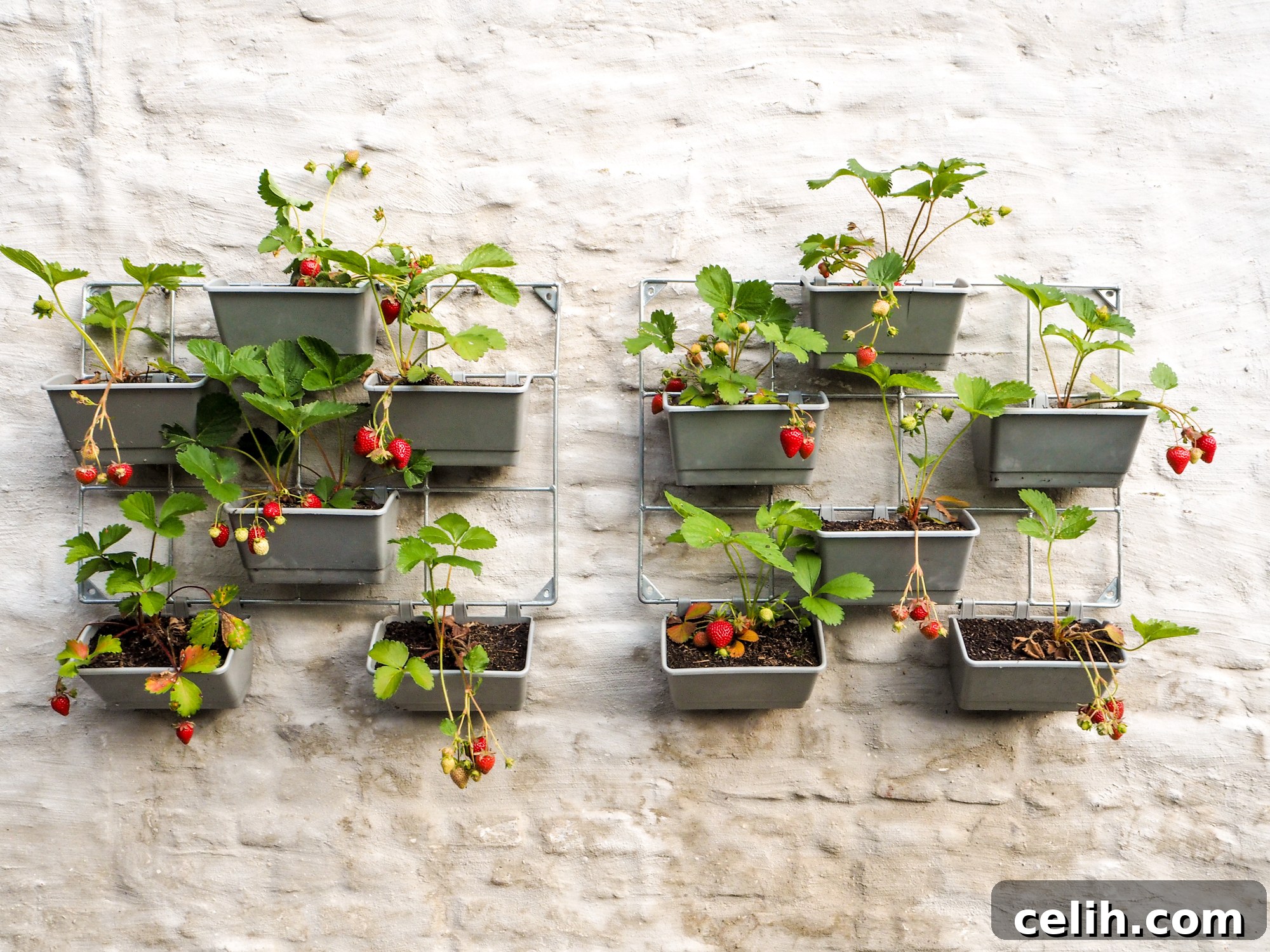
Modular Edible Vertical Gardens: For those with limited ground space but a passion for fresh produce, modular vertical garden planters are a game-changer. These tiered or pocketed systems are ideal for growing strawberries, a variety of salad greens, fresh herbs, or even small vegetables. Easily hung on a wall or fence, they maximize your harvest potential in a compact footprint, turning a simple wall into a productive, edible landscape. They offer a practical and visually appealing solution for urban gardeners.
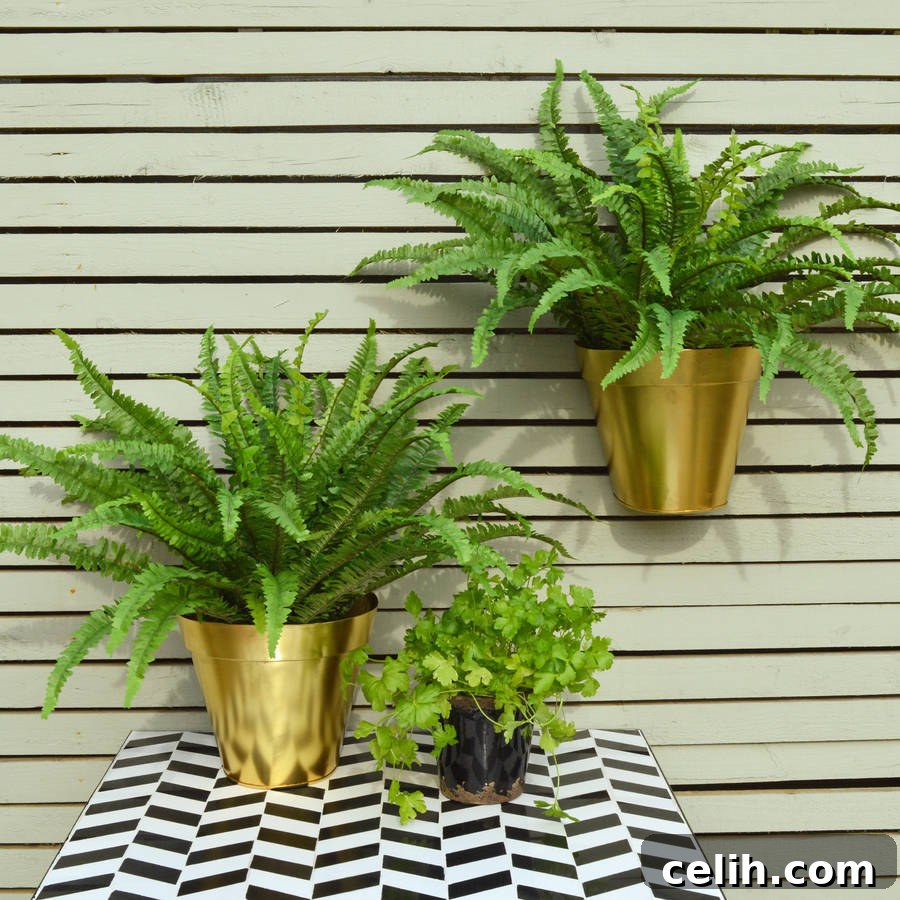
Chic Metallic Statement Planters: Bring the popular trend of metallics from interior design to your outdoor space. Striking gold, copper, or bronze metallic wall planters add an instant touch of modern sophistication and glamour. Their reflective surfaces catch the light, creating a dynamic visual effect that beautifully contrasts with the organic textures of plants. These planters are perfect for showcasing a single, dramatic plant or a minimalist arrangement, making a bold fashion statement in your garden.
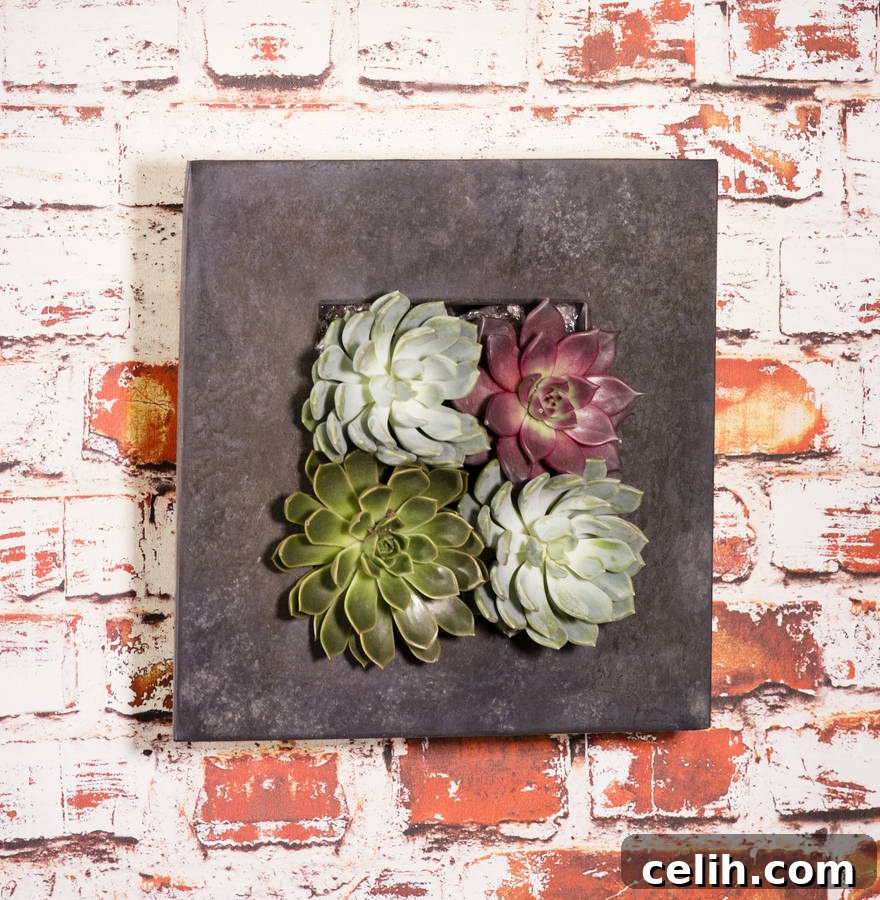
Structured Living Wall Art Panels: Elevate your vertical gardening to an art form with structured living wall panels. These designs often feature multiple compartments or pockets specifically engineered for succulents or other low-maintenance plants. Arranged in a grid or an abstract pattern, they create a dense tapestry of living foliage that is as much a piece of botanical art as it is a garden. Suitable for both indoor and outdoor use, these panels offer a sophisticated and visually stunning way to integrate greenery into your decor.
Geometric Multi-Tiered Displays: Create modern visual interest with wall planters designed in geometric shapes – hexagons, triangles, or abstract forms – arranged in a multi-tiered configuration. This approach adds depth and an architectural element to your wall, allowing for varied plant heights and textures.
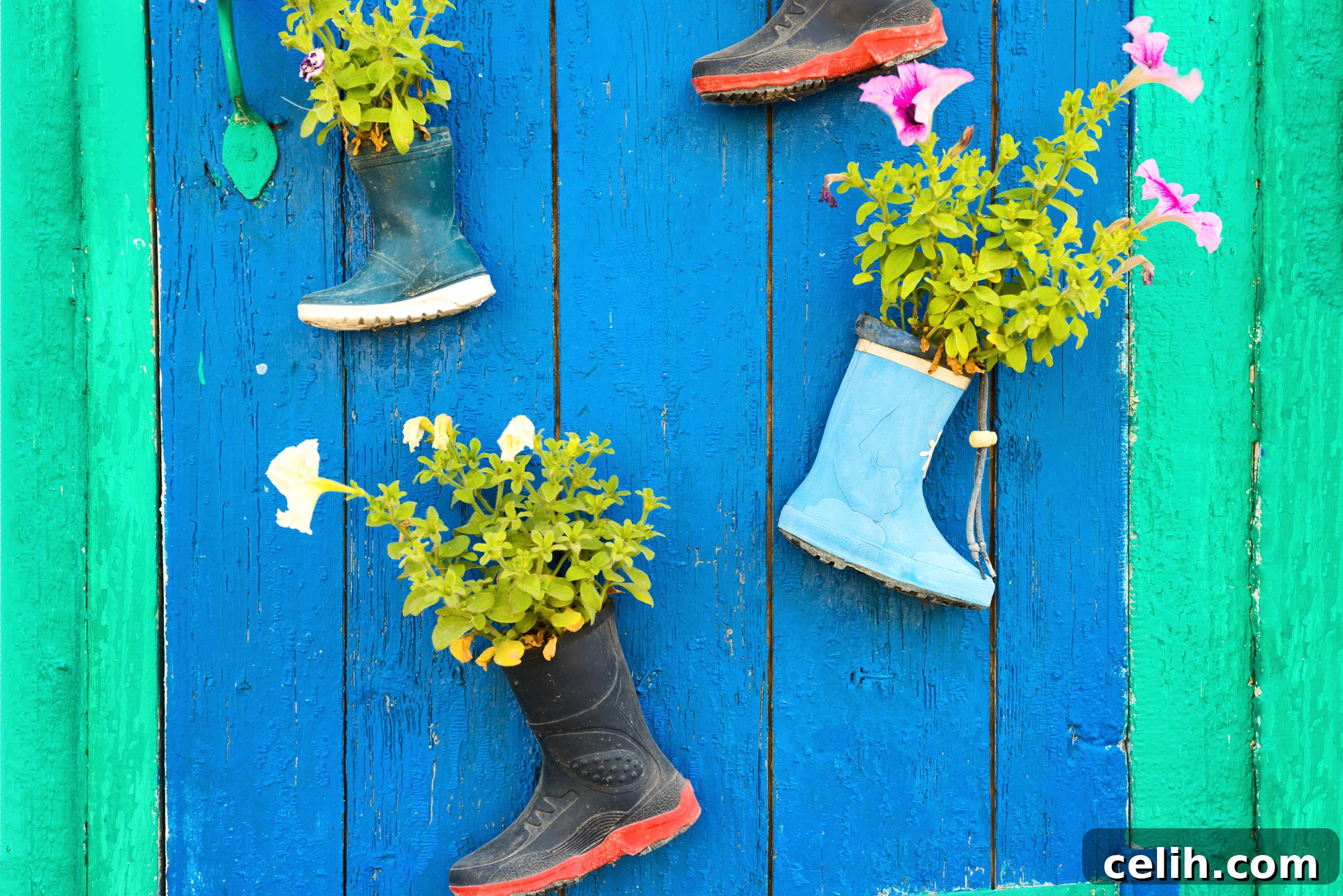
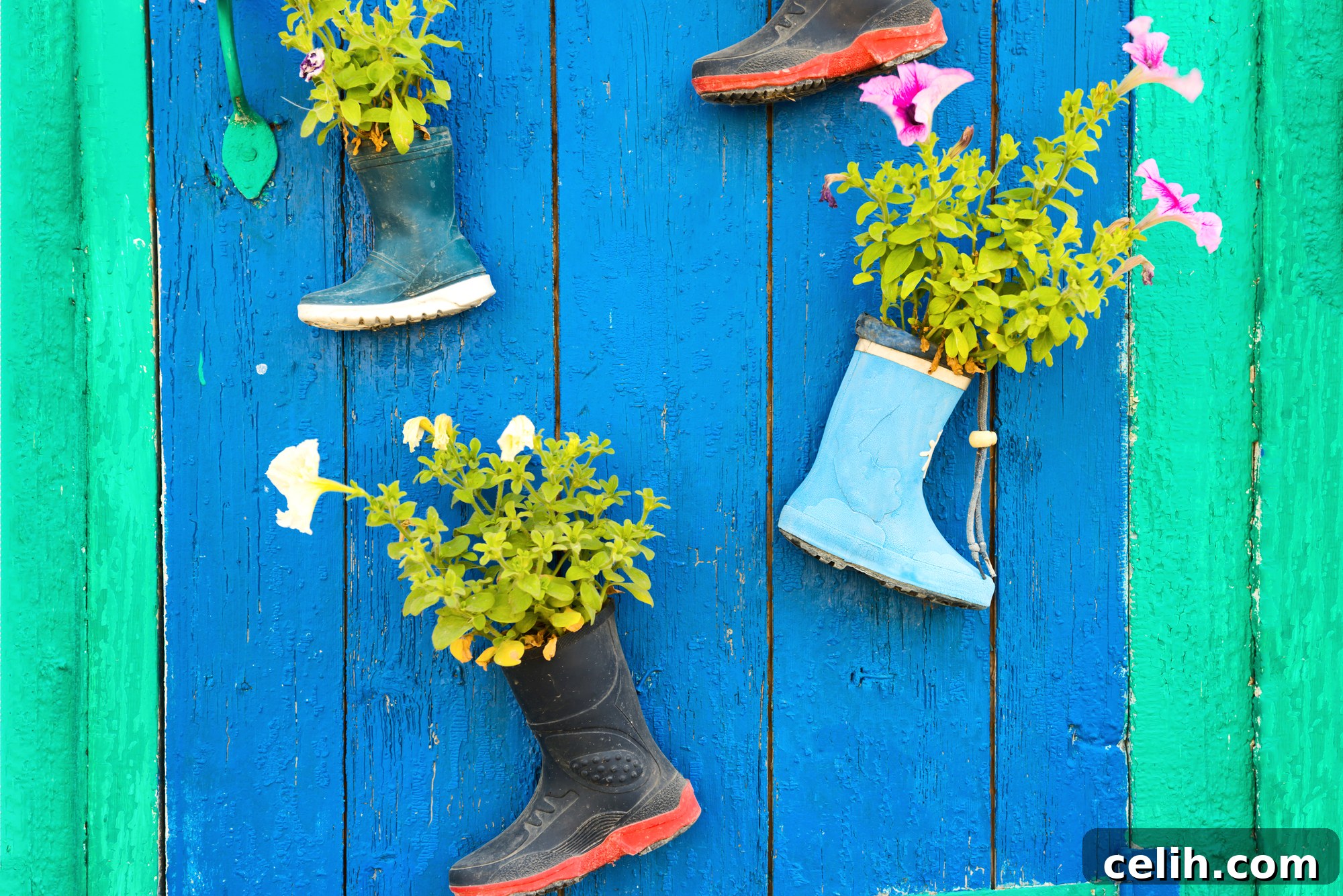
Upcycled Object Planters: Give new life to old items by transforming them into planters. From colorful rubber boots filled with petunias to repurposed watering cans spilling with ivy, creative upcycling adds a unique, eco-friendly, and often whimsical touch. Just ensure proper drainage is added.
Letter or Number Planters: Spell out words, initials, or significant dates using specially designed wall planters shaped like letters or numbers. These are particularly charming for personalized garden statements or for house numbers that double as a miniature garden.
Conclusion: Unleash Your Vertical Gardening Potential
Quirky and contemporary mounted outdoor wall planters are far more than mere decorative elements; they are vibrant gateways to a world of imaginative horticultural expression. By thoughtfully selecting the right planters, arranging them with artistic intention, and tending to their needs with diligent care, you possess the power to transform any exterior wall into a captivating tapestry of life, color, and creativity. Moreover, by making conscious choices regarding sustainable materials and plant selection, you significantly contribute to the well-being of both your personal garden oasis and the broader environment.
Embrace this exciting journey of vertical gardening. Let your outdoor walls become an extraordinary canvas upon which nature’s artistry can unfold, reflecting your unique style and passion for green living. The possibilities are boundless, and the rewards are abundant – a truly unique and thriving outdoor space awaits.