
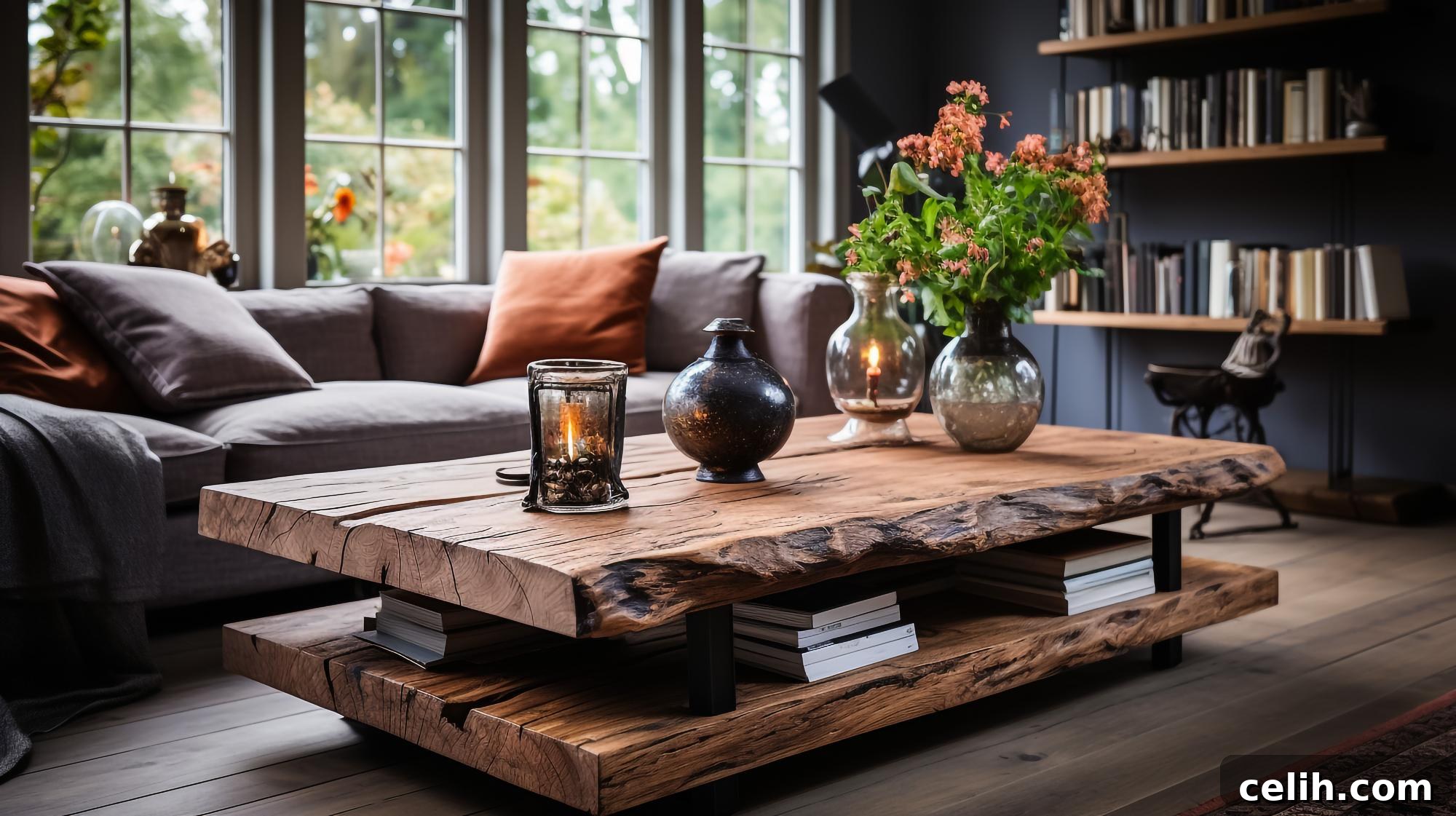
The industrial style, with its raw edges and functional aesthetic, offers a captivating way to infuse your living room with modern urbanity and unique character. If you’re seeking to introduce this distinctive look into your home, the coffee table serves as an exceptional starting point. Choosing an industrial-inspired coffee table is more than just selecting furniture; it’s about making a statement that can profoundly transform the ambiance and focal point of your entire living space.
This comprehensive guide delves deep into the world of industrial coffee tables, exploring the diverse range of materials, intriguing shapes, and authentic finishes that tell a story of history and craftsmanship. We’ll navigate through various options, from rugged metals and reclaimed woods to sleek concrete, helping you understand what makes each piece unique. Beyond selection, you’ll discover practical strategies to seamlessly integrate these robust pieces into your existing decor, ensuring they enhance your space without overwhelming it. In collaboration with DeCasa Collections, we offer expert styling suggestions designed to help your new industrial coffee table become a compelling and valid focal point. By the time you finish reading, you’ll feel confident and inspired, fully prepared to embark on an industrial-inspired makeover for your living room.
Defining the “Industrial” Coffee Table: A Deeper Look
What exactly imbues a coffee table with that coveted “industrial” essence? It’s a combination of deliberate material choices, functional design principles, an appreciation for imperfection, and inherent adaptability. Together, these elements forge a piece of furniture that is both visually striking and profoundly practical.
Rugged Materials: The Foundation of Industrial Design
At the heart of every industrial coffee table lies a commitment to raw, sturdy, and often unrefined materials. These are not materials chosen for delicate aesthetics but for their inherent strength, durability, and ability to tell a story. Common choices include a diverse array of metals, robust woods, and the increasingly popular concrete.
- Metals: Steel, iron, and aluminum are prime examples. You’ll often find these metals showcasing visible welding marks, exposed bolts, or a beautifully distressed patina that speaks volumes of age and use. Finishes can range from raw, blackened steel to brushed or even polished chrome, each offering a slightly different industrial nuance. The raw nature of metal provides an unyielding, almost architectural presence.
- Wood: When it comes to wood, the industrial style gravitates towards reclaimed timber. This wood often bears natural imperfections, knots, and unique grain patterns that highlight its past life – perhaps as part of an old factory, barn, or railway sleeper. The imperfections are not flaws but features, adding character and a comforting warmth that balances the coolness of metal.
- Concrete: For a truly contemporary and edgy industrial look, concrete offers a unique utilitarian appeal. Its cool gray tones and substantial presence create a bold statement. Whether smooth and polished or left with a more textured, artisanal finish, concrete tables exude a minimalist yet powerful aesthetic.
These materials collectively contribute to the rugged, no-nonsense vibe that defines industrial tables, making them feel grounded and authentic.
Functional Design: Simplicity Meets Purpose
Industrial coffee tables are characterized by designs that prioritize simplicity, sturdiness, and unparalleled functionality. They often possess an unrefined, handcrafted quality, deliberately steering clear of excessive embellishment. The beauty lies in their honest construction and straightforward purpose.
Key design features frequently observed include robust metal frames or legs, which provide unwavering stability. Tabletops are often crafted from solid planks of wood, emphasizing durability and a utilitarian aesthetic. Many industrial coffee tables also incorporate wheels or casters, harkening back to their origins in factories and workshops where mobility was essential. This feature not only adds an authentic touch but also offers practical versatility in modern living spaces. Furthermore, integrated storage spaces underneath, such as open shelving or discreet drawers, are common, reflecting the style’s emphasis on practicality. Some of the most compelling industrial pieces are those that cleverly repurpose existing items like vintage wooden crates, sturdy metal drums, or even discarded machinery parts, giving them new life as unique furniture. The overall silhouettes tend to be clean and geometric, often leaning towards rectangular, square, or circular builds that fit seamlessly into various room layouts.
The Allure of Imperfection: A Story in Every Detail
Perhaps one of the most charming aspects of the industrial aesthetic is its embrace of imperfection. The subtle signs of wear and the marks left by time are not merely tolerated but celebrated, contributing significantly to the inherent allure of industrial materials. Exposed wood grain, the occasional dent or scratch on metal surfaces, and the tactile texture of concrete all lend an air of genuine history and authenticity.
These natural variations, stains, weathered surfaces, and the beautiful patinas that develop over time add immense depth and character to each piece. These age marks tell a silent story of past lives, previous functions, and enduring resilience, transforming a mere object into a conversation starter. They create a living space that feels both familiar and profoundly unique, far removed from the sterile perfection often sought in other design styles. It’s this respect for the natural evolution of materials that makes industrial coffee tables feel so lived-in and inviting.
Unrivaled Adaptability: Blending with Diverse Aesthetics
Despite their robust appearance, industrial coffee tables are remarkably adaptable. Their clean lines and unfussy construction allow them to integrate seamlessly into an astonishing array of diverse aesthetics, proving their versatility across various interior design philosophies.
From sleek, modern and minimalist spaces, where they can provide a grounding anchor, to more traditional or eclectic environments, where they introduce an intriguing contrast, industrial tables fit right in. The intelligent combination of natural materials with an often-distressed finish enables them to complement both relaxed, casual settings and more sophisticated, refined decors. Whether your interior design goal is to create a functional yet stylish casual dining area, or to establish a striking focal point that commands attention, an industrial coffee table possesses the inherent potential to elevate your home’s aesthetic, adding a layer of sophisticated grit and timeless appeal.
Exploring Industrial Coffee Table Materials: Metal, Wood, and Concrete
Industrial coffee tables offer an exciting spectrum of material choices, each with its unique characteristics, allowing you to finely tune the look and feel of your living room. To truly achieve an urban, factory-chic aura, you can opt for the raw and powerful feel of metal, the inviting warmth and texture of wood, or the sleek and contemporary coolness of concrete.
Metal: The Backbone of Industrial Design
For an authentic industrial aesthetic, metal coffee tables are exceptionally hard to beat. Typically featuring steel or iron, these tables proudly showcase the material’s intrinsic strength and durability. The visual impact ranges dramatically, from the polished gleam of sleek chrome to the rugged charm of rustic, distressed metal that might bear subtle imperfections or a weathered patina.
Metal tables often feature an open design, where the legs are not just supportive but also integral to the aesthetic, sometimes forming a distinctive base or frame. This minimalist approach often translates into pieces that feel modern, architectural, and undeniably chic. The robust nature of metal ensures longevity, making these tables a practical investment. Finishes can vary from raw, untreated steel that develops its own unique patina over time, to powder-coated black or matte finishes that offer a more refined industrial edge. Exposed rivets, heavy-duty casters, and intricate metalwork further enhance their authentic appeal, making them perfect for those who appreciate both form and function.
Wood: Adding Warmth and History
Wood, particularly salvaged or weathered varieties, introduces an essential element of warmth and authenticity to the industrial aesthetic. With its inherent texture, visible grain, and unique variations, wood yields a comforting, organic feel that beautifully contrasts with the starkness of metal. Tabletops crafted from reclaimed planks – perhaps sourced from old barns, factories, or even shipyards – or a naturally finished, substantial tree stump, instantly inject a bold yet comforting rustic appeal into any space.
The beauty of reclaimed wood lies in its imperfections: the nail holes, saw marks, and natural discoloration all contribute to its unique story and character. For those seeking a more refined interpretation of the industrial look, consider designs that harmoniously combine a richly textured wooden surface with sleek, minimalist metal legs. This blend achieves a perfect balance between the natural and the manufactured, creating a sophisticated piece that offers both visual interest and tactile appeal. Wood can be finished with a simple wax, a matte sealant, or left raw to highlight its natural beauty, providing endless possibilities for customization.
Concrete: Modern Edge and Unyielding Presence
Concrete coffee tables make a strikingly powerful statement, their substantial forms and cool, often muted gray tones perfectly reflecting the essence of contemporary urban living. These tables are a testament to modern industrial design, merging robustness with a minimalist aesthetic. Whether finished with a sleek, polished surface that reflects light and appears almost liquid, or a more textured, handcrafted surface that reveals subtle aggregates and artisanal touches, concrete tables merge practicality with an undeniable artistic sensibility.
Beyond their striking visual appeal, concrete tables are exceptionally durable and resilient, capable of withstanding the rigors of daily life. They act as a neutral, grounding anchor in a room, allowing other design elements to shine. Advances in material science have also introduced fiber-reinforced concrete, which allows for lighter yet equally strong designs, expanding the possibilities for this material. A concrete coffee table is more than just a surface; it’s a sculptural element that adds a profound sense of permanence and sophisticated rawness to any modern interior.
Expert Tips for Incorporating Industrial Coffee Tables into Your Decor
Integrating an industrial coffee table successfully into your home involves more than just picking a favorite piece. It requires thoughtful consideration of your space, existing decor, and desired ambiance. Here are some expert tips to ensure your industrial coffee table not only fits perfectly but also enhances your living room’s overall aesthetic.
Choosing a Style That Harmonizes with Your Space
When selecting your industrial coffee table, it’s crucial to consider the existing style and scale of your living room to ensure a cohesive and balanced look. Industrial tables come in a vast array of styles, from the minimalist elegance of glass and metal combinations to the robust, grounding presence of reclaimed wood and raw iron.
A sleek, minimalist metal design, for instance, could significantly enhance the open, airy feel of a contemporary loft, contributing to its urban sophistication without adding visual bulk. Conversely, a table featuring heavily weathered wood planks atop a sturdy metal frame might be the perfect accent for a rustic, farmhouse-inspired, or even bohemian space, adding warmth and texture. Before making your final decision, meticulously measure your available area. This step is vital to ensure the table fits comfortably within the room, allowing for easy movement around it and maintaining good traffic flow. Consider not just the footprint but also the visual weight of the table – a substantial concrete piece might overwhelm a small space, while a too-delicate design could get lost in a large room.
Mastering the Art of Mixing and Matching Materials
One of the most appealing aspects of industrial design is its inherent ability to blend disparate materials. The warmth of a natural wooden tabletop, expertly paired with sleek, cool metal legs, instantly creates an authentic industrial vibe that feels both grounded and refined. This classic combination offers visual contrast and textural depth.
For an even bolder and more unique statement, consider a coffee table featuring a substantial top made from natural stone or robust concrete, elegantly supported by a contrasting metal base. This deliberate interplay of textures and materials – the organic softness of wood, the cool solidity of concrete or stone, and the stark lines of metal – adds significant visual depth and an unmistakable sense of thoughtful, layered design to your space. Don’t be afraid to experiment with different metal finishes (e.g., brushed steel with distressed wood, or blackened iron with polished concrete) to achieve your desired aesthetic balance.
Prioritizing Practicality: Including Smart Storage Solutions
Industrial tables often transcend mere style by intelligently incorporating clever and highly practical storage solutions. This functional aspect is a hallmark of the style, harkening back to its utilitarian roots. When selecting your table, actively seek out designs that feature open shelves, integrated drawers, or even thoughtfully designed compartments that allow for discreet stowage.
These features are perfect for tidying away everyday living room essentials such as remote controls, magazines, books, or even children’s toys, keeping your space uncluttered and serene. For those residing in smaller apartments or compact living areas, a coffee table with built-in storage can be an absolute game-changer. It serves as a stylish and efficient way to maximize both function and valuable floor space, transforming a simple piece of furniture into a multi-purpose workhorse without compromising on aesthetic appeal. Look for features like lift-top designs or hidden cubbies for truly seamless storage integration.
Adding Subtle Industrial Touches Through Accessories
If you’re keen to incorporate an industrial style without committing to an entirely new coffee table, you can achieve a similar effect by adding carefully chosen industrial accents and touches to an existing table. This is a budget-friendly and flexible approach to embracing the aesthetic.
Strategically place vintage wooden crates or sturdy metal boxes underneath your current coffee table to instantly create open shelving that exudes an industrial charm. These pieces not only add character but also provide additional storage. Top the table with decorative industrial elements such as a concrete tray, a striking metal lantern, an abstract metal sculpture, or other pieces that resonate with the raw, functional aesthetic. Even smaller items like exposed-bulb Edison lamps or unique gears can transform a surface. For an easy yet impactful transformation, consider adding decorative wheels or heavy-duty casters to the legs of your existing table. This simple modification immediately gives it that sought-after industrial, utilitarian feel. With the right selection of accents, you can effortlessly transform an ordinary table into a compelling industrial showpiece, reflecting your personal style and appreciation for the genre.
Harmonizing with Surrounding Decor
To truly complete the industrial look around your coffee table, consider the surrounding elements. Pair a robust industrial coffee table with a comfortable leather sofa or an upholstered couch in a neutral, textured fabric to create a balanced contrast. For flooring, a distressed area rug with geometric patterns or a natural fiber rug can anchor the space and add warmth. Overhead, consider pendant lights with exposed bulbs or metal cages, or even strategically placed floor lamps with industrial bases. Introduce greenery with plants in concrete planters or terracotta pots to soften the hard lines and add a touch of life. Wall art featuring blueprints, abstract metalwork, or vintage typography can further tie the room together, ensuring every element contributes to a cohesive, thoughtfully designed industrial living space.
Final Thoughts: Your Journey to an Industrial Living Room
To wrap things up and consolidate our exploration, let’s briefly recap the key takeaways. By thoughtfully considering and following these comprehensive tips, you will be exceptionally well-equipped to select an industrial coffee table that not only perfectly suits the dimensions and specific needs of your living space but also boldly expresses your unique sense of style and appreciation for authentic design.
Remember to carefully consider the size and layout of your living room, ensuring your chosen piece fits harmoniously without overcrowding. Look for pieces that artfully blend the inherent strength of metal bases with the warmth of reclaimed wood, the coolness of concrete, or other intriguing materials for true personalization. Whether your aesthetic preferences lean towards a sleek, minimalist industrial design that emphasizes clean lines and functional purity, or something with more rustic, eye-catching elements that tell a story through distressed finishes and visible craftsmanship, an industrial coffee table offers an incredibly versatile and impactful way to add profound character, robust functionality, and an undeniable urban edge to your cherished living space. Now, go forth and transform your living room into an inspiring haven of industrial chic!