
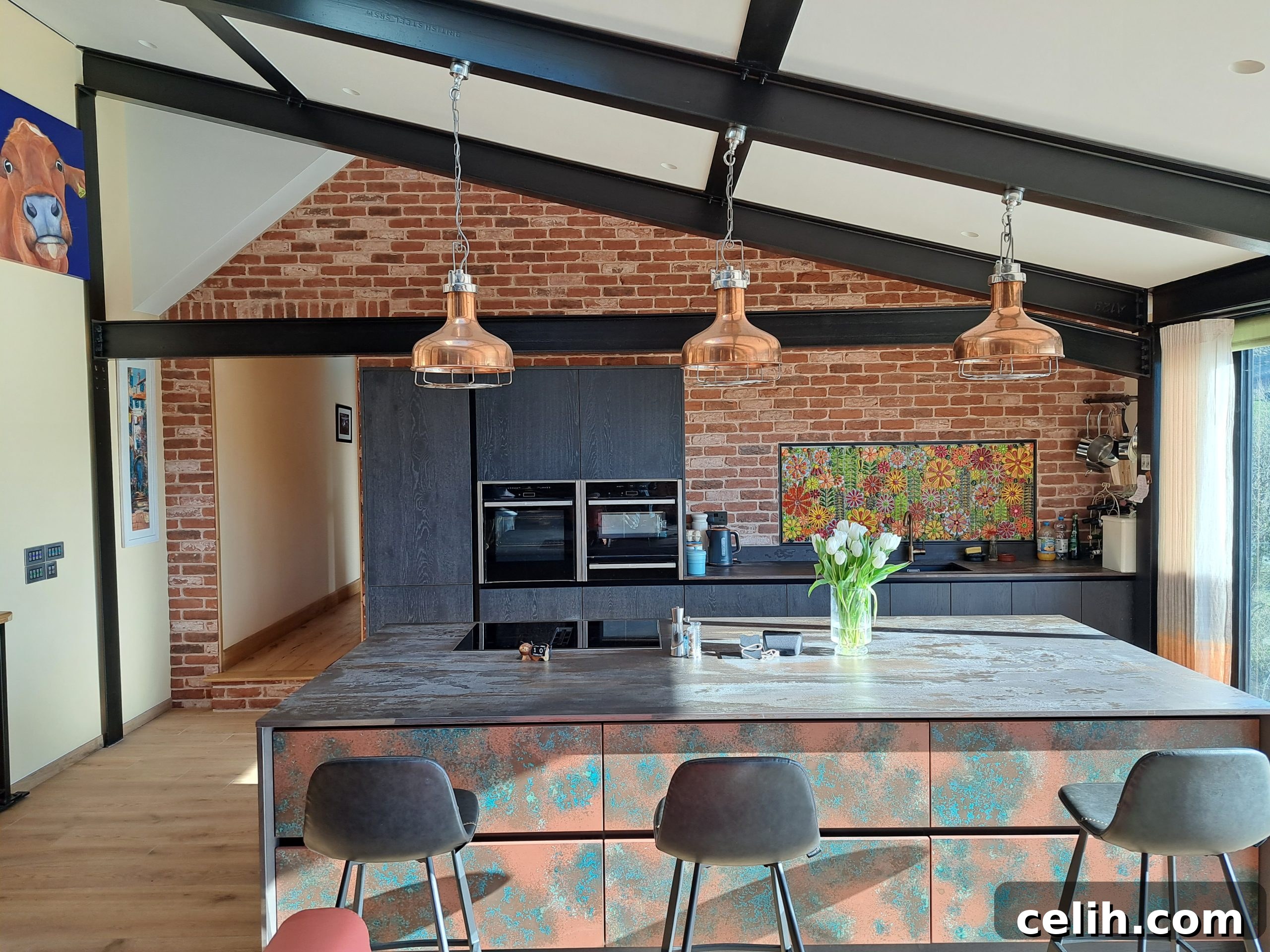
Are you looking to add timeless charm and character to your home without the challenges of traditional brickwork? Enter brick slips – an innovative and increasingly popular solution for both interior and exterior design projects. These thin, versatile slices of brick offer the authentic aesthetic of a full brick wall, coupled with unparalleled ease of installation and design flexibility. In this comprehensive guide, we’ll delve deep into the world of brick slips, exploring what they are, how they are made, their myriad applications, and why they might just be the perfect choice for your next home transformation.
What Exactly Are Brick Slips? Unveiling the Modern Brick Solution
At their core, brick slips are essentially thin sections of a full-sized brick, meticulously cut or manufactured to replicate the look and feel of traditional masonry without the substantial weight or thickness. Imagine taking a real brick and carefully slicing off its face – that’s the essence of a brick slip. This innovative design allows homeowners and designers to achieve the coveted aesthetic of genuine brick walls, complete with their unique textures and variations, while bypassing the complexities of structural reinforcement often required for full brick installations.
Loved by interior designers and DIY enthusiasts alike, brick slips are celebrated for their incredible ease of use, cost-effectiveness, and the high-quality, authentic finish they provide. They are significantly lighter than conventional bricks, making them far simpler to transport, handle, and install. This reduced weight also means they can be applied to almost any stable surface, opening up a world of design possibilities that traditional bricks simply cannot offer. Whether you envision a classic rustic charm, a sleek industrial edge, or a contemporary feature wall, brick slips offer a flexible and enduring solution.
These versatile tiles can be installed in a variety of orientations, from standard horizontal courses to eye-catching vertical arrangements, or even intricate patterns like herringbone or basketweave, allowing for truly personalized and creative wall designs that reflect your unique style.
The Craft Behind the Charm: How Brick Slips Are Made
The manufacturing process of brick slips contributes significantly to their authenticity, durability, and visual appeal. There are primarily two methods by which these thin brick tiles are produced, each offering distinct characteristics:
- Cut from Full Bricks: The most common and often considered the most authentic method involves slicing brick slips directly from the face of standard or reclaimed full-sized bricks. This process typically uses specialized machinery to carefully cut thin sections, usually around 20mm thick, from the front and sometimes the back of a brick. When slips are cut from genuine, often handmade or reclaimed bricks, they retain all the natural imperfections, variations in color, and unique textures that give traditional brickwork its unparalleled character and charm. This method ensures that each slip carries the historical depth and individual story of the original brick.
- Moulded and Fired: Alternatively, brick slips can be manufactured by moulding and firing slips of various materials. These materials can include clay (mimicking traditional brick production), concrete, plaster, or even mortar. In this process, the raw materials are mixed, pressed into moulds designed to replicate the size and texture of a brick face, and then fired at high temperatures (for clay-based slips) or cured (for concrete/plaster). This method allows for greater consistency in size and shape and can also incorporate modern finishes like glossy glazes, metallic sheens, or specific color dyes, making them ideal for contemporary home design projects and more uniform aesthetic requirements.
For those seeking the utmost realism and a rustic, aged look, slips cut from authentic handmade or reclaimed bricks are often the preferred choice. However, the versatility of moulded slips, particularly those with unique finishes, offers fantastic opportunities for creating striking feature walls, modern fireplaces, or industrial-inspired spaces. Understanding the origin of your brick slips can help you select the perfect type to match your desired aesthetic and project requirements.
Measuring Up: How Thick Are Brick Slip Tiles?
The thickness of brick slip tiles is a crucial factor that influences their application, ease of installation, and overall aesthetic. Generally, their thickness can vary depending on their manufacturing method:
- Cut from Full Bricks: When brick slips are cut from full, traditional bricks, they typically have a thickness of approximately 20mm. This measurement provides a robust and authentic feel, maintaining a sense of substance while still being significantly thinner and lighter than a full brick.
- Moulded and Fired Slips: Slips that are moulded from materials like clay or concrete and then fired or cured can be produced to be even thinner, often ranging from 10mm to 15mm. This thinner profile allows for even greater flexibility in design and can be particularly beneficial in spaces where minimizing projection from the wall is critical.
The inherent thinness of brick slip tiles, compared to the substantial depth of traditional bricks, brings a multitude of practical advantages. Firstly, their reduced weight and slim profile make them exceptionally easier to handle, transport, and lift during any building or renovation project, significantly cutting down on labor and potential strain. Secondly, their lighter nature means they exert less stress on the underlying wall structure, enabling them to be applied in ways and on surfaces where traditional bricks would be impractical or even impossible without extensive structural modifications. This allows for quick, clean, and efficient installation, transforming spaces without the mess and complexity associated with full brick construction. The minimal thickness also means they take up very little floor space, which is a considerable advantage in smaller rooms or areas where maximizing usable space is a priority.
A Spectrum of Style: Exploring Brick Slip Tile Variations
One of the most compelling aspects of brick slips is the extraordinary variety of colors, textures, and finishes available, ensuring there’s a perfect style to complement any interior design vision or exterior architectural scheme. This vast selection empowers homeowners and designers to bring their specific aesthetic dreams to life, whether they lean towards the historically rich or the boldly contemporary.
- Traditional & Rustic: For those who crave the timeless appeal of a classic brick wall, traditional brick slips offer a rustic charm. These often come in a spectrum of earthy colors, including deep reds, warm oranges, muted browns, and variegated blends that mimic aged or reclaimed brickwork. Textures can range from smooth and uniform to heavily textured with visible imperfections, mimicking the weathered beauty of old buildings. These slips are perfect for creating cozy, inviting spaces, adding character to farmhouses, or enhancing industrial-chic designs.
- Modern & Contemporary: For more sleek and contemporary home projects, brick slips are produced in an array of sophisticated shades and innovative finishes. Think matte grey and charcoal black for a dramatic, minimalist statement, or crisp white for a light, airy, and expansive feel. Beyond classic colors, you can find brick slips with gorgeous metallic finishes – copper, bronze, or silver – that add a luxurious shimmer and modern edge. Shiny glazed finishes also provide a striking, easy-to-clean surface, ideal for kitchens and bathrooms where a touch of unexpected elegance is desired. These modern variations allow brick slips to transcend their traditional roots and integrate seamlessly into cutting-edge design concepts.
- Unique Textures & Profiles: Beyond color, the texture and profile of brick slips vary significantly. Some offer a smooth, uniform surface, while others boast an authentic tumbled appearance, wire-cut lines, or sand-blasted effects. The choice of texture can dramatically alter the perception of a wall, adding depth and tactile interest.
With such a broad palette of options, it’s highly recommended to explore a diverse range of retailers, particularly specialist brick tile companies, and request samples. Seeing and feeling the brick slips in person, and even observing how they look in different lighting conditions, will be invaluable in finding the perfect style that resonates with your vision and elevates your space.
Warmth and Character: Brick Slips for Fireplaces and Hearths
A fireplace often serves as the focal point of a living space, and brick slips are an exceptional material for creating a truly stunning and impactful fireplace or hearth. Whether your dream is a rustic, country-style fireplace that exudes warmth or a sleek, modern statement piece, carefully selected brick slips can bring that vision to life with remarkable authenticity and style.
One of the significant advantages of using brick slips for fireplace surrounds is their slim profile. Unlike full bricks, which can protrude significantly into a room, brick slips add minimal depth. This means that your fireplace opening can potentially be larger or the overall footprint of the hearth can be more contained, optimizing space in your room. Their lightweight nature also simplifies installation, reducing the structural demands typically associated with traditional brick fireplace construction.
Important Considerations for Fireplace Applications:
- Functional Fireplaces (Log Burners, Stoves): If you are planning to use brick slips around a functional fireplace that houses a log burner, multi-fuel stove, or any other non-open heat source, it is absolutely essential to use appropriate materials for installation. The wall and all joints between the brick slips must be pointed with a high-quality fire cement or heat-resistant mortar. This specialized material is designed to withstand high temperatures, preventing the joints from cracking, degrading, or compromising the integrity of your brickwork under thermal stress.
- Open Fires: For traditional open fires where flames are in direct contact with the surrounding surfaces, the use of standard brick slips is generally NOT recommended. Direct and intense heat exposure can cause the brick slips to crack or spall due as they are thinner and may not be designed for such direct thermal shock. In these cases, traditional firebricks or specialized refractory materials are necessary.
- Professional Consultation: When undertaking any fireplace renovation or construction involving heat, safety is paramount. If you have any doubts, concerns, or questions regarding the suitability of brick slips for your specific fireplace setup, or the correct installation methods, always consult a qualified professional. A certified builder, fireplace installer, or structural engineer can provide expert advice and guidance to ensure your fireplace is both beautiful and safe.
By adhering to these guidelines, brick slips can transform your fireplace into a breathtaking focal point, adding value and aesthetic appeal to your home.
Beyond the Indoors: Can Brick Slips Be Used Externally?
Indeed, one of the standout advantages and remarkable benefits of brick slips is their exceptional versatility, making them perfectly suitable for both internal and external applications. This dual functionality establishes them as a highly adaptable and preferred material for a wide array of DIY and professional building projects, allowing for a seamless transition of aesthetic from inside to outside.
For external use, brick slips have become an incredibly popular choice for exterior cladding on homes and commercial properties. Their lightweight nature significantly reduces the structural load on existing walls, making them an ideal solution for refreshing the facade of a building without requiring extensive and costly structural modifications. The quick and relatively simple installation process, compared to laying full bricks, means projects can be completed more efficiently, minimizing disruption.
When used as exterior cladding, brick slips can be applied to various substrates, including existing masonry, timber frames, or insulation boards. They integrate beautifully alongside other cladding materials, such as render, timber, or metal, creating dynamic and visually appealing exterior designs. Whether your aim is to restore the historical charm of an older property, add a rustic element to a new build, or create a striking contemporary look with clean lines and modern finishes, brick slips offer the flexibility to achieve both traditional and cutting-edge exterior styles.
It’s crucial to select brick slips specifically designed and rated for external use, as these will possess the necessary durability and weather resistance to withstand environmental elements such like rain, frost, and UV radiation. Proper installation techniques, including the use of appropriate adhesives and weather-resistant pointing mortar, are essential to ensure longevity and performance in outdoor settings. With careful planning and professional installation (or meticulous DIY work), brick slips can dramatically enhance your home’s curb appeal and provide a long-lasting, attractive exterior finish.
A Step Above: Can Brick Slips Be Used for Flooring?
While brick slips are predominantly designed and utilized for vertical wall applications, it is indeed possible to incorporate them into flooring projects, offering a unique and robust aesthetic. However, using brick slips for flooring comes with specific considerations that must be addressed to ensure both functionality and durability.
The primary challenge when considering brick slips for flooring is the texture of their finish. Many traditional or reclaimed brick slips have a naturally uneven or rustic surface, which, while desirable for walls, can present issues for flooring. A floor needs to be flat, stable, and comfortable to walk on, and an uneven surface can lead to tripping hazards, make it difficult to place furniture steadily, and contribute to premature wear and tear.
Overcoming the Uneven Texture Issue:
One effective solution to achieve a smooth and functional brick slip floor is to apply a layer of high-quality epoxy resin over the installed brick slips. The epoxy resin acts as a protective, self-leveling topcoat, encapsulating the brick slips and filling in any gaps or unevenness. This creates a beautifully smooth, durable, and easy-to-clean surface that retains the visual charm of the brick beneath while providing all the practical benefits of a level floor. The epoxy also adds a layer of waterproofing and resistance to stains and abrasion, making it suitable for high-traffic areas.
Additional Considerations for Brick Slip Flooring:
- Subfloor Preparation: Just like any tile installation, the subfloor must be perfectly level, clean, and structurally sound to prevent cracking or shifting of the slips.
- Adhesive and Grout: Use a strong, flexible adhesive suitable for heavy-duty floor applications, and a durable, possibly flexible, grout that can withstand foot traffic.
- Sealing: Even with epoxy, if you opt for a non-epoxy finish, the brick slips and grout will need to be properly sealed to protect against moisture, stains, and wear.
Given the specific technical requirements and potential complexities involved in creating a functional and aesthetically pleasing brick slip floor, it is highly advisable to consult with a professional flooring expert or experienced tiler. They can provide invaluable advice on the best preparation techniques, suitable materials, and installation methods to ensure your brick slip flooring project is a success, offering both beauty and longevity.
Beyond Walls: Diverse Applications for Brick Slips
The versatility of brick slips extends far beyond the traditional wall and fireplace applications, making them a material of choice for creative accents throughout the home and even in commercial settings:
- Kitchen Splashbacks and Feature Walls: Brick slips can transform a kitchen by adding texture and a focal point. A rustic brick splashback offers a charming farmhouse feel, while a sleek white or grey brick slip wall can introduce an industrial-chic element. They are durable and, when properly sealed, can withstand kitchen environments.
- Bathroom Accent Walls: While direct water exposure should be avoided for some types, brick slips can create stunning accent walls in bathrooms, particularly in drier zones. A feature wall behind a vanity or freestanding tub can add a spa-like, luxurious, or rustic touch, depending on the chosen style. Proper sealing is paramount to protect against moisture.
- Archways and Alcoves: Brick slips are ideal for enhancing architectural features like archways, alcoves, and niches. Their thin profile allows them to be applied to curved surfaces or within recessed areas without adding excessive bulk, creating depth and visual interest.
- Commercial Spaces: Restaurants, cafes, retail stores, and offices frequently utilize brick slips to create inviting, stylish, and durable environments. Their ability to deliver an authentic exposed brick look quickly and efficiently makes them perfect for establishing brand identity and ambiance.
- Garden Walls and Outdoor Kitchens: Beyond external house cladding, brick slips can be used to beautify garden walls, create striking barbecue surrounds, or define outdoor kitchen areas. Their weather resistance (when rated for external use) makes them a robust choice for enhancing outdoor living spaces.
- Renovation Projects: For homes that lack architectural character, brick slips offer a fantastic way to introduce texture, warmth, and a sense of history. They can be used to clad an entire room, a single wall, or even to create smaller decorative elements, instantly elevating the property’s aesthetic appeal.
The adaptability of brick slips means that with a little imagination, they can be integrated into almost any design scheme, offering a sophisticated and durable solution to enhance both residential and commercial properties.
Acquiring Your Perfect Brick Slips: Where to Buy
Finding the right brick slips for your project is an exciting part of the design process. Thankfully, these versatile materials are widely available through various channels, ensuring you can find the perfect style, color, and finish to match your vision.
- DIY Stores and Builders Merchants: Most major home improvement stores, DIY chains, and builders’ merchants will stock a selection of natural stone and clay brick slips. These are often readily available for immediate purchase and are a convenient option for smaller projects or if you need to quickly pick up supplies. Staff can also often offer basic advice on installation.
- Specialist Tile Stores: Dedicated tile showrooms, especially those specializing in natural stone or architectural finishes, are excellent places to find a broader and more curated selection of brick slips. These stores often carry unique lines, different material compositions (like concrete or plaster slips), and a wider array of colors and textures that might not be available in general DIY stores. Their staff are typically very knowledgeable about the products and can provide expert guidance.
- Online Retailers and Specialist Brick Slip Companies: The internet opens up an enormous marketplace for brick slips. Numerous online stores and specialist brick slip companies offer extensive catalogs, often showcasing hundreds of different styles, from reclaimed and handmade varieties to modern glazed and metallic options. Online shopping allows you to compare prices, browse customer reviews, and often order samples directly to your home, which is invaluable for making an informed decision. Look for companies that provide detailed product descriptions, high-quality images, and clear information on suitability for internal or external use.
Don’t Forget the Essentials!
When purchasing your brick slips, it’s critical not to overlook the accompanying tools and accessories required for a successful installation. These vital components ensure durability, a professional finish, and ease of application:
- Brick Slip Adhesive: A high-strength, flexible adhesive specifically designed for brick slips and the substrate you’re applying them to.
- Spacers: To ensure uniform joint widths between your slips, creating a professional and consistent look.
- Pointing Mortar: Essential for filling the joints between the slips. This comes in various colors, allowing you to complement or contrast with your chosen brick slip color. For fireplaces, remember to use fire cement.
- Brick Tile Bonding Primer: To prepare your wall surface, ensuring optimal adhesion and creating a stable base for your slips.
- Sealer: Especially important for external applications, bathrooms, or kitchens, to protect the slips and mortar from moisture, stains, and wear.
By gathering all necessary materials upfront, you can ensure a smooth and efficient installation process for your beautiful new brick slip feature.
Precision and Safety: How to Cut Brick Slips Effectively
One of the most frequently asked questions by DIY enthusiasts embarking on a brick slip project is how to cut them accurately and if the process is manageable for a home renovator. The good news is that, especially when made from clay, brick slips are generally quite amenable to cutting, provided you use the correct tools and prioritize safety.
Cutting Methods and Equipment:
- Manual Cutting with Hammer and Chisel: For a more traditional approach or when you need to make smaller, less precise cuts, a sturdy hammer and a brick chisel can be effective. This method is particularly useful for achieving a more rustic, chipped edge that enhances the authentic look of reclaimed or handmade slips.
- Technique: Mark your cut line clearly. Place the chisel firmly on the mark and gently tap with the hammer, gradually increasing force. For longer cuts, score the line first, then place the chisel at intervals along the line and tap.
- Best For: Rough cuts, rustic finishes, minor adjustments.
- Electric Tile Cutter (Wet Saw): For precise, clean, and straight cuts, especially across numerous slips, an electric tile cutter (also known as a wet saw) is the preferred tool. These saws use a diamond-tipped blade and a water cooling system to minimize dust and prevent the blade from overheating, resulting in very clean edges.
- Technique: Measure and mark your brick slip. Place it on the cutter’s bed, align the blade with your mark, and slowly push the slip through the blade while the water system is active.
- Best For: Accurate cuts, large quantities, ensuring a neat finish, especially with modern or glazed slips.
- Angle Grinder with Diamond Blade: For quick, dry cuts or when working on site without access to a wet saw, an angle grinder fitted with a diamond cutting blade can also be used.
- Technique: Secure the brick slip. Mark the cut line. Carefully guide the spinning blade along the line, applying even pressure. Be prepared for significant dust.
- Best For: Dry cuts, small projects, on-site adjustments. Not ideal for highly precise or numerous cuts due to dust and potential for less clean edges than a wet saw.
Crucial Safety Measures:
Regardless of the cutting method you choose, safety must be your top priority. Always wear appropriate personal protective equipment (PPE):
- Safety Goggles or Glasses: To protect your eyes from flying debris and dust.
- Dust Mask/Respirator: Essential when dry-cutting, as brick dust can be harmful if inhaled.
- Gloves: To protect your hands from sharp edges and vibrations.
- Hearing Protection: Especially when using power tools like wet saws or angle grinders.
Ensure your work area is clear, well-ventilated, and stable. By following these guidelines, you can confidently cut brick slips to size, achieving professional results while maintaining your safety.
Conclusion: Embracing the Transformative Power of Brick Slips
From their ingenious design as thin, authentic slices of brick to their incredible versatility in both aesthetic and application, brick slips have cemented their place as a preferred material for contemporary home improvements and architectural design. We’ve explored how these innovative tiles are manufactured, the implications of their slim profile, and the vast array of styles available to suit every taste, from rustic charm to modern minimalism. Whether you’re envisioning a captivating fireplace surround, a durable and attractive exterior facade, a unique kitchen splashback, or even an unconventional flooring solution, brick slips offer a practical, cost-effective, and visually stunning alternative to traditional brickwork.
Their ease of installation, coupled with the authentic character they impart, makes them an accessible option for DIY enthusiasts and a valuable tool for professional designers. Remember to consider the specific requirements for each application, particularly concerning heat resistance for fireplaces and moisture protection for external or wet areas, and always prioritize safety during installation. With careful planning and the right choice of materials, brick slips empower you to transform any space, adding warmth, texture, and an undeniable sense of timeless style.
If you’ve embarked on a brick slip project, or have any further tips or creative ideas to share, we’d love to hear from you in the comments below!
For more inspiring tiling ideas, explore these related posts:
How to Use Travertine Tiles in Your Bathroom Design
Floor Tile Matters: The Enduring Beauty of Terracotta Tiles