
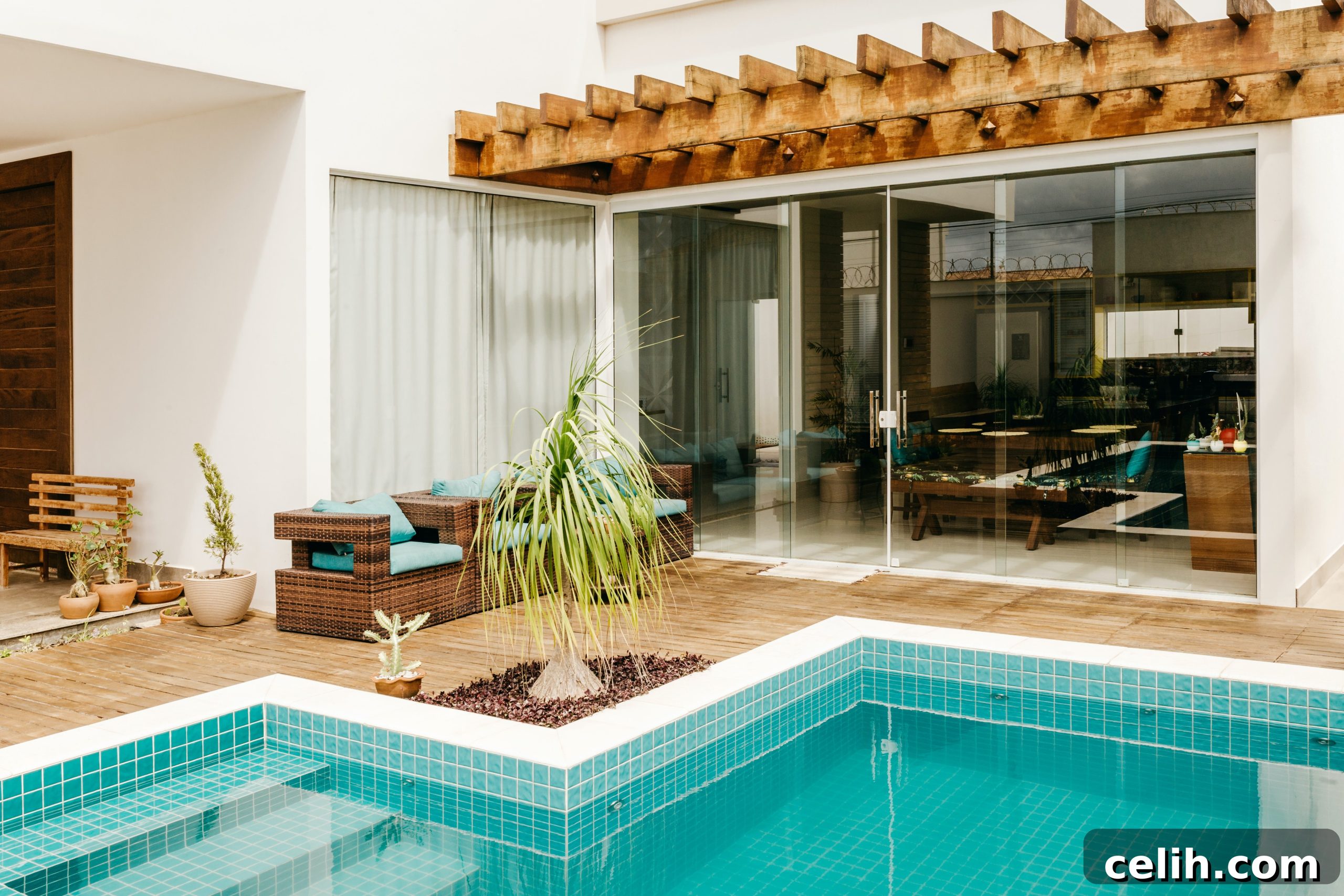
Embarking on a journey to transform your home into a captivating Spanish oasis is an endeavor that promises unique charm and timeless elegance. Whether you’re drawn to the allure of Mediterranean living or aiming to enhance your property’s appeal before selling, embracing Spanish architecture can profoundly elevate its character. This distinctive style, celebrated for its warm aesthetics and inviting atmosphere, is instantly recognizable and deeply rooted in rich history. From the iconic terracotta roof tiles that shimmer under the sun to the distinctive, often textured stucco walls, there’s an undeniable appeal to homes that embody this vibrant cultural heritage.
Achieving an authentic Spanish look for your property involves more than just superficial changes; it requires a thoughtful exploration into the foundational elements and subtle nuances of this design tradition. Understanding the interplay of light, material, and color is key to capturing the true essence of a Mediterranean home. This comprehensive guide will walk you through the essential steps and design considerations, helping you bring that stunning, sun-drenched Spanish aesthetic to life in your own space.
Drawing Authentic Inspiration from Spain
The most effective way to infuse your home with genuine Spanish flair is to immerse yourself in the authentic sources of inspiration. To truly grasp the intricate beauty of Spanish styling, one must understand how various design elements seamlessly converge to create a harmonious whole. Ideally, a trip to Spain would offer an unparalleled opportunity to experience these homes firsthand – to walk through sun-drenched courtyards, admire intricate tile work, and appreciate the rustic charm of historic architecture. If travel isn’t feasible, modern technology provides excellent alternatives.
Delve into virtual tours of Spanish properties, browse high-quality architectural photography, and explore specialized design blogs focusing on Mediterranean aesthetics. Pay close attention to real estate listings from regions renowned for their distinctive Spanish architecture, such as Andalusia, Catalonia, or Mallorca. Whether your vision leans towards the elegant simplicity of a stunning beachside villa in Marbella or the rustic grandeur of a mountainside finca, studying actual properties will provide invaluable insights. Observe how natural materials are utilized, the characteristic color palettes, and the flow between indoor and outdoor spaces. These visual resources are crucial for developing a deep understanding of the style you wish to replicate, ensuring your design choices are informed and authentic. Consider researching different regional variations within Spain, as architectural styles can subtly differ from north to south, offering a broader spectrum of ideas to draw from.
Mastering the Classic Spanish Exterior
The exterior of a Spanish-style home immediately evokes images of warmth and tradition, predominantly through its iconic features. The most recognized and cherished look for Spanish properties is the timeless and striking combination of pristine white walls paired with rustic red roof tiles. This foundational palette is an excellent starting point for anyone aiming to create a recognizable Mediterranean appearance for their home, offering a bright and inviting facade that stands out gracefully.
**Walls:** For walls, textured finishes are generally preferred, adding depth and character that smooth surfaces cannot achieve. Stucco, a traditional material made from cement, sand, and water, is overwhelmingly popular across Spain and the wider Mediterranean region. Its versatility allows for various textures, from smooth to heavily textured, providing not only aesthetic appeal but also excellent durability and insulation properties ideal for warm climates. Beyond its classic appeal, stucco offers low maintenance and a clean, crisp backdrop for other architectural elements.
**Roofing:** The distinctive red roof tiles, typically made from terracotta clay, are perhaps the most defining characteristic. The abundance of rich red clay in Spain has historically made rustic terracotta tiles the optimal and most authentic choice for roofing. These tiles, often in an “S” shape or barrel-style, are not just beautiful; they are incredibly durable, naturally insulating, and can last for decades. While investing in genuine terracotta tiles can be a significant part of your design budget, their aesthetic impact and longevity make them truly worthwhile. They create beautiful shadows and patterns under the sun, enhancing the home’s overall visual appeal.
**Doors and Windows:** To complement this relatively minimalist yet elegant exterior, a grand, solid wooden front door is almost always present. Often made from dark, heavy wood, perhaps adorned with intricate wrought iron hardware or decorative carvings, it serves as a stately focal point and a warm invitation. Windows are equally important, frequently featuring wrought iron grilles or decorative shutters, adding both security and a touch of old-world charm. Arched windows are particularly common, softening the facade and adding architectural interest. There’s no need to add excessive ornamentation; the inherent beauty of these classic combinations speaks volumes.
**Landscaping Integration:** Beyond the structure itself, consider the immediate surroundings. Spanish homes often integrate seamlessly with their natural environment. Lush, drought-tolerant landscaping featuring olive trees, vibrant bougainvillea, and fragrant jasmine can frame the house beautifully. A charming courtyard with a central fountain, often made of stone or ceramic, further enhances the Mediterranean ambiance and provides a cool, tranquil retreat. Wrought iron gates and fences can also define boundaries with grace and traditional style.
Elevating Your Driveway and Pathways
The first impression of your Spanish-style home extends beyond the front door to the driveway and pathways leading to it. To truly capture a Mediterranean flavor and ensure architectural cohesion, upgrading your driveway is a fantastic idea. Standard materials like plain concrete or asphalt simply do not align with the rustic elegance and traditional aesthetic you are meticulously creating. These modern surfaces can detract from the authentic Spanish look, appearing stark and out of place.
A far superior choice would be a driveway and accompanying pathways constructed from natural materials such as brick or natural stone. Brick, especially in warm, earthy tones, offers a classic look that complements terracotta roofs and stucco walls beautifully. It can be laid in various patterns, such as herringbone or basketweave, adding visual interest and texture. Natural stone, whether flagstone, cobblestone, or irregular pavers, provides an even more organic and rustic feel, echoing the ancient streets and courtyards of Spain. These materials are not only aesthetically pleasing but also durable and capable of withstanding various weather conditions, much like the traditional structures they emulate. Their subtle variations in color and texture create a welcoming approach that perfectly sets the tone for the Spanish home beyond.
Embracing Patterns on the Floor
Transitioning indoors, a consistent theme emerges regarding the use of color: light and neutral tones dominate the walls. Off-white, creamy hues, and very pale earth tones are incredibly common in Spanish homes. This isn’t because these properties lack color or vibrancy; rather, the color is strategically introduced elsewhere, creating a balanced and sophisticated interior. If you’re looking to inject creativity and personality into your Spanish-inspired design, the floor is an exceptional canvas.
Traditional Spanish homes frequently feature various types of floor tiles in nearly every room of the house, and these tiles are typically quite distinct. This presents a brilliant opportunity for stunning patterned looks, allowing for unique individuality in each space while maintaining a cohesive aesthetic throughout the home. From intricate geometric designs reminiscent of Moorish artistry to vibrant floral motifs or simpler, rustic terracotta patterns, the possibilities are vast. This is the ideal place to move away from the earthier tones of the walls and ceilings and boldly utilize a spectrum of vibrant colors, including deep blues, rich greens, sunny yellows, and fiery reds. These patterned tiles not only add visual interest but also serve a practical purpose, keeping interiors cool during hot summers and being incredibly durable and easy to maintain. Consider using hand-painted ceramic tiles for stair risers or fireplace surrounds to add bespoke artistry. For a more subtle approach, natural terracotta tiles can be laid in various patterns, or a mix of plain and decorated tiles can create a custom look.
Maximizing the Power of Natural Light
Spain is famously blessed with an abundance of sunshine hours throughout the year, making it unsurprising that the masterful utilization of natural light is a cornerstone of its architectural design. Spanish homes are designed to invite and harness this natural brilliance, creating bright, airy, and expansive interiors. While structural modifications like adding new windows might not always be feasible, there are numerous design strategies to amplify and distribute existing natural light effectively within your home.
One of the most impactful techniques is the strategic placement of large mirrors. Mirrors are incredibly effective at reflecting light, making rooms feel larger and brighter. Position them opposite windows or in areas that tend to be darker to bounce natural light deep into the space. This is precisely why lighter-colored walls – off-whites, creams, and pale neutrals – are so sensible in Spanish interiors; they act as a canvas, helping to reflect and diffuse light, preventing rooms from feeling enclosed or dim.
Beyond mirrors, consider minimalist window treatments that don’t obstruct light. Sheer curtains or light drapes in natural fibers allow sunlight to filter through while providing a touch of privacy. If your home features interior archways or open-plan areas, embrace them to allow light to flow freely between rooms. Maximizing natural light not only enhances the aesthetic appeal but also contributes to a sense of well-being, aligning with the relaxed and open lifestyle characteristic of Mediterranean living. Incorporating strategically placed potted plants near windows can also help diffuse light and bring a touch of the outdoors in.
Accenting with Wrought Iron and Natural Timber
To truly bring out the distinctive character of your Spanish-style property, incorporating small yet impactful stylistic flourishes using traditional materials is essential. Mediterranean homes have long favored natural elements for accentuation, with wrought iron and various forms of timber and wood standing out as prominent features. These materials are not merely decorative; they are integral to the aesthetic and historical authenticity of the style, lending an air of rustic elegance and handcrafted quality.
**Wrought Iron:** Wrought iron is a hallmark of Spanish design, celebrated for its durability and intricate beauty. Iron bannisters and balustrades are perhaps its most iconic application, transforming staircases into elegant focal points with their delicate yet strong scrollwork and dark, contrasting presence against lighter walls. Beyond staircases, wrought iron is commonly used for window grilles, decorative gates, light fixtures (such as chandeliers and wall sconces), and even furniture pieces like bed frames or console tables. Its dark, often matte finish provides a striking counterpoint to the bright walls and vibrant tiles, adding depth and a touch of old-world grandeur. The artisanal nature of wrought iron emphasizes craftsmanship and attention to detail, which are highly valued in Spanish aesthetics.
**Natural Timber and Wood:** Timber and wood elements bring warmth, texture, and an earthy feel to Spanish interiors. Exposed wooden beams on ceilings are a classic feature, showcasing the home’s structure and adding rustic charm. These beams often feature a dark, rich stain that contrasts beautifully with lighter ceilings, creating a cozy and inviting atmosphere. Natural wood shelving, whether built-in or freestanding, adds functional depth to rooms while maintaining the authentic material palette. Beyond structural elements, wooden furniture, often solid and carved, plays a significant role. Dark wood pieces, such as heavy dining tables, intricate chests, or robust cabinet doors, ground the space and contribute to the timeless feel. Incorporating handcrafted wooden doors, whether interior or exterior, further enhances this natural appeal.
**Integrating Accents:** These materials are often combined with other natural elements like stone, ceramic, and vibrant textiles to create a rich, layered interior. Against the backdrop of neutral walls and patterned floors, wrought iron and timber accents provide a structural and visual anchor, tying the entire design together. This blend of sturdy, natural materials ensures that your Spanish-style home feels both authentic and welcoming.
Ultimately, adopting Spanish and Mediterranean architectural styles can significantly enhance your home’s appeal, especially if you are considering selling. The unique charm and timeless elegance make such properties highly desirable on the market. If selling isn’t on your horizon, this design approach is simply a brilliant way to infuse your property with distinct character, warmth, and a perpetual vacation-like ambiance that you and your family can cherish for years to come. It’s an investment in beauty, comfort, and a rich cultural narrative that transforms a house into a truly special home.
Featured image credit: Photo by Jonathan Borba on Unsplash