
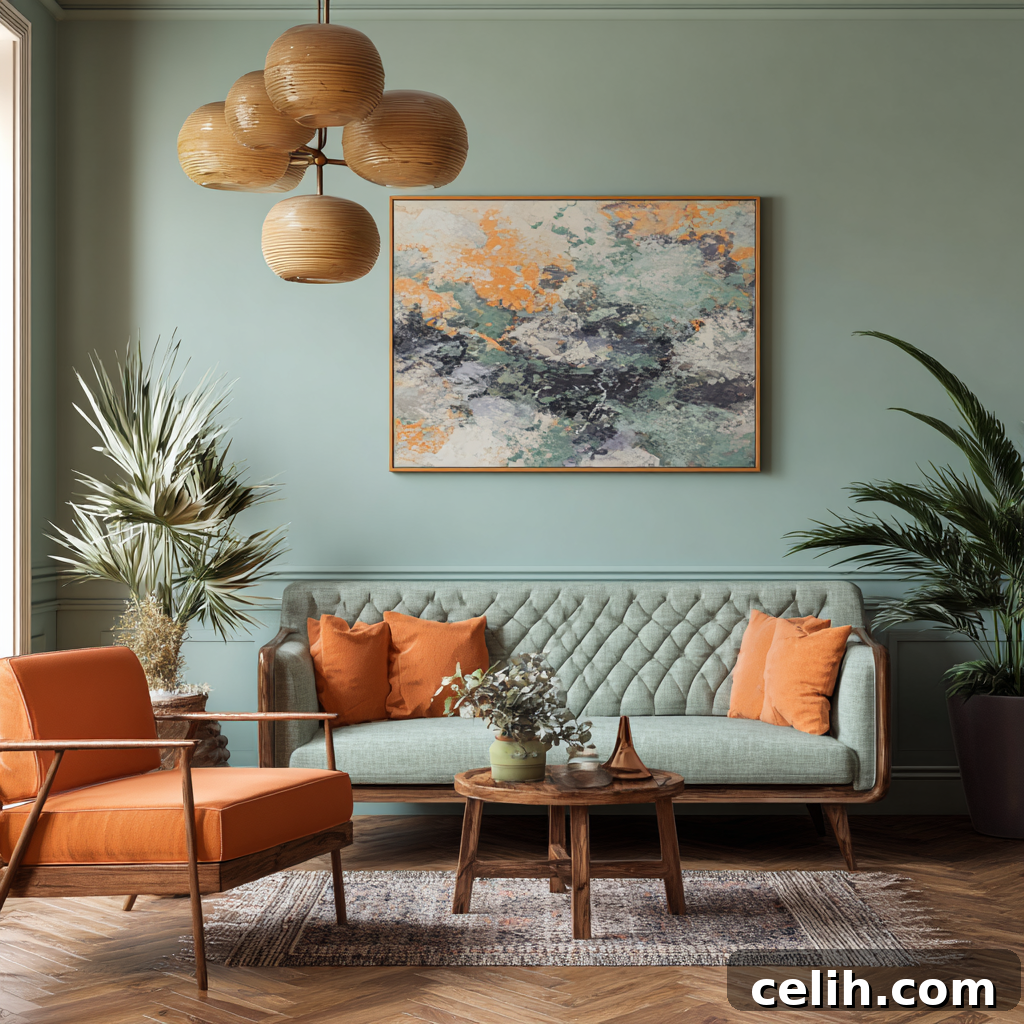
New York City has always been a beacon of innovation and style, especially when it comes to design. As we look towards 2025, the narrative in interior design for the city’s dynamic spaces is powerfully shaped by a blend of sophisticated functionality and deeply personalized aesthetics. Homeowners and design professionals across the boroughs are recognizing that renovations are no longer mere updates; they are opportunities to sculpt environments that perfectly mirror contemporary lifestyles, maximize efficiency, and possess an enduring appeal that transcends fleeting fads.
In a city where every square foot is precious and every view is a luxury, thoughtful design becomes paramount. The quest for unique living spaces that offer both sanctuary and dynamism has never been more intense. This year, New Yorkers are embracing trends that promise not just beauty, but also intelligence, sustainability, and a quiet sense of personal luxury. Curious about the transformative design movements reshaping NYC apartment and brownstone renovations this year? Here’s a detailed countdown of the top 10 interior design trends making their mark.
10 Transformative Interior Design Trends Elevating NYC Renovations in 2025
1. Soft Minimalism with a Warm Twist
The stark, often cold, minimalism that dominated the design landscape of the previous decade is gracefully evolving. In 2025, New York City interiors are embracing a softer, more inviting version of this aesthetic, characterized by clean lines infused with a rich sense of texture, warmth, and tactility. This refined approach prioritizes calming environments without sacrificing an ounce of style or practicality, a crucial balance for compact urban living.
Designers are integrating elements like natural wood tones – think light oaks, walnuts, and pale maples – into flooring, cabinetry, and furniture, creating an immediate sense of grounded warmth. Furniture silhouettes are increasingly curved and organic, moving away from rigid angles to introduce a fluid, gentle elegance. Layered neutral palettes, featuring creams, beiges, muted greys, and subtle earth tones, contribute to a serene backdrop that feels both expansive and cozy. These choices are particularly favored in smaller apartments, where the design must work harder to balance seamless functionality with an atmosphere of profound serenity.
To enhance this soft minimalist appeal, designers are introducing luxurious tactile fabrics such as boucle, linen, and rich wools for upholstery and textiles. Lighting fixtures are taking on softly rounded forms, providing diffused, ambient illumination rather than harsh overhead glare. Custom built-in storage solutions are designed to blend seamlessly into the architecture, maintaining an uncluttered look while maximizing every inch. The outcome is a minimalist aesthetic that is neither cold nor austere but feels genuinely lived-in, welcoming, and perfectly suited for the dynamic yet demanding realities of urban life in New York City.
2. Multi-functional Spaces
The rise of remote work has fundamentally redefined how New Yorkers interact with and utilize their homes, accelerating the demand for incredibly versatile and multi-functional spaces. In 2025, rooms are no longer confined to single uses; instead, they are dynamic zones capable of adapting to various needs throughout the day. This adaptability is not merely a convenience in NYC; it is an absolute necessity, driven by the premium on space.
Imagine dining nooks that seamlessly transform into productive home workspaces with integrated charging stations, or guest bedrooms that cleverly conceal pull-down desks or murphy beds for daily use. Living rooms are now often designed with convertible furniture, modular seating, and hidden storage to serve as entertainment hubs, quiet reading corners, or temporary offices. These innovative design solutions require meticulous planning and expert execution.
Working with trusted general contractors in NYC is pivotal in bringing these intricate solutions to life. These professionals possess the expertise to ensure every detail is handled with precision, from the installation of concealed charging stations and integrated power outlets to the implementation of sound-dampened panels for privacy in shared spaces. They are witnessing an increased demand for flexible layouts that can effortlessly adapt to changing daily needs. Drawing on their extensive experience in high-end office and hospitality build-outs, these teams are adept at leveraging sophisticated elements like demountable partitions, acoustic glazing, and pocket doors to create fluid, adaptable environments that maximize every precious square foot in New York apartments.
3. Dramatic Stone Accents
Natural stone is experiencing a magnificent resurgence in New York interiors, moving far beyond its traditional role on kitchen countertops. In 2025, luxurious materials like marble, travertine, quartzite, and even dramatic onyx are being utilized in bold, sculptural ways to inject a sophisticated, grounded, and undeniably luxe feel into homes. This trend is about celebrating the inherent beauty and unique patterns of geological formations.
From elegantly fluted stone vanities in powder rooms to breathtaking full-height stone backsplashes that create artistic focal points in kitchens, and bespoke stone tabletops that serve as statement pieces, natural textures are making a profound impact. In a city where kitchens often double as central living and entertaining spaces, this sculptural approach to stone adds instant visual drama and a sense of timeless grandeur. Designers are pushing the boundaries further by integrating stone details seamlessly into various living areas – perhaps a striking stone fireplace surround, a carved stone console table, or even integrated stone shelving that flows organically from a wall.
The expertise of New York contractors is indispensable in executing this trend. Their deep knowledge ensures that bold, heavy materials like marble or onyx are not only exquisitely beautiful but also practically durable and expertly installed. They manage the complexities of sourcing unique slabs, precise fabrication, and meticulous installation, balancing the material’s inherent strength with delicate design. By carefully selecting and integrating these elements, they create kitchens, bathrooms, and living spaces that feel both elevated and classic, embodying an understated luxury that resonates deeply with discerning urban homeowners.
4. Moody Color Palettes
While the enduring appeal of crisp whites and versatile greiges continues, there’s a palpable and growing appetite for darker, richer, and more enveloping hues in NYC interiors. In 2025, homeowners are fearlessly embracing deep navy, sophisticated olive green, charcoal black, and even rich plum and burgundy tones to craft spaces that exude a captivating intimacy and drama. These moody palettes are being employed to create cozy reading nooks, transform powder rooms into jewel boxes of design, and define expansive, enveloping living areas.
This trend finds a particularly harmonious home in New York’s historic pre-war apartments and charming brownstones, where original architectural character, soaring ceilings, and intricate moldings provide a perfect canvas for these deep shades. The rich colors enhance the inherent grandeur and history of these spaces, making them feel even more established and inviting. In contrast, modern lofts with their exposed brick and industrial touches are pairing moody tones with sleek, contemporary finishes such as matte black fixtures, sumptuous velvet upholstery, and sophisticated smoked glass elements, creating an urban edge that is both refined and edgy.
To prevent these deep shades from feeling flat or overwhelming, designers are artfully layering them with warm metallic accents like brushed brass, antique bronze, and subtle copper. These metallic touches add luminosity, depth, and a touch of understated luxury. For New Yorkers navigating smaller footprints, darker walls are expertly balanced with clever lighting strategies, strategically placed mirrors to reflect light, and lighter flooring options. This approach maintains a sense of openness while allowing residents to fully embrace that sought-after cocoon-like atmosphere. The ultimate result? Spaces that feel intimately stylish, wonderfully sophisticated, and just a little bit indulgent – a true escape from the city’s relentless pace.
5. Built-in Everything
In a city where space is the ultimate luxury, custom built-ins have transitioned from a design preference to an absolute necessity in New York City living. This trend is all about maximizing every square inch of available space while simultaneously adding a highly tailored, bespoke feel to the home. Built-ins are the silent heroes of urban functionality, offering intelligent solutions for storage, display, and organization.
From floor-to-ceiling bookcases that cleverly conceal hidden storage compartments or even secret doors, to elegant banquettes that tuck neatly under windows, creating both seating and additional storage, built-ins are masterfully crafted to enhance spatial efficiency. In many New York apartments, they are ingeniously used to carve out distinct multifunctional zones within open-plan layouts – imagine a seamless wall of custom cabinetry that, with a simple pull, reveals a fully equipped home office, or a media unit that integrates shelving, display niches, and ambient lighting in one cohesive structure. Even custom entryways with integrated bench seating and coat storage are becoming common.
The true genius of built-ins lies in their ability to disappear effortlessly into the architecture, making even the smallest spaces feel harmonious and expansive rather than cluttered by standalone furniture. Designers are now leaning into exceptionally clever details: integrated charging stations for devices, pull-out desks that vanish when not in use, and banquettes with discreet drawers beneath their cushions. Every element is considered to enhance usability. The result is a living environment that is exceptionally efficient, supremely stylish, and feels both deeply personal and impeccably polished – a perfect, sophisticated answer to the “every inch counts” reality of New York City homes.
6. Biophilic Design Goes Urban
In the bustling concrete jungle of New York City, nature is not just knocking on the door; it’s making its way inside in more deliberate, impactful, and noticeable ways than ever before. In 2025, biophilic design, which focuses on connecting occupants with nature, is a dominant force, leading to a rise in sophisticated indoor gardens, lush living walls, and homes meticulously designed around optimizing natural light and airflow. This trend recognizes the profound psychological and physiological benefits of integrating natural elements into the built environment.
Even for residents dealing with limited windows or smaller footprints, creativity reigns supreme. Solutions include ingenious herb gardens integrated into kitchen backsplashes, elegant vertical planters adorning hallways, or even strategically placed large-scale botanical prints and art that evoke natural landscapes. Incorporating elements like terrariums, indoor trees, and carefully curated plant collections brings immediate life and vibrancy into the home, transforming compact spaces into breathing oases.
It’s crucial to note that biophilic design extends far beyond mere aesthetics. Its primary goal is to nurture the homeowner’s holistic well-being by fostering a deeper, more intrinsic connection with the natural world. Incorporating elements such as soothing water features, rich natural textures like wood and stone, and organic shapes can demonstrably reduce stress levels, improve cognitive function, and boost overall productivity. In urban NYC homes, these carefully considered biophilic touches transform compact living spaces into calming, restorative sanctuaries, seamlessly blending modern urban living with nature’s inherent capability to inspire and restore life.
7. Artisanal Details & Handcrafted Touches
In a direct response to the ubiquity of mass-produced goods, New York City interiors in 2025 are wholeheartedly embracing customized, handmade, and artisanal finishes. Homeowners are actively swapping out mainstream furniture and decor for pieces that possess a unique story, rich character, and a tangible human touch. This trend is about celebrating craftsmanship, individuality, and the inherent beauty of imperfection.
We’re seeing a surge in demand for textured plaster walls, which add depth and an organic, hand-finished feel to rooms. Woven lighting fixtures, handcrafted ceramics, bespoke metalwork, and custom-designed furniture pieces are becoming popular choices for urban residents eager to imbue their homes with soul, warmth, and individuality. These touches are particularly appealing for New Yorkers who wish to cultivate a consistent sense of home and unique personality amidst the relentless energy and bustle of the city.
Beyond aesthetics, this trend in 2025 is also deeply rooted in supporting local makers, independent artisans, and ethical production. There’s a profound appreciation for the beauty of a hand-thrown vase, the unique grain of a carved wooden stool, or the intricate pattern of a woven textile that feels truly one-of-a-kind. Many NYC renovators are strategically incorporating statement artisanal pieces as focal points – perhaps a distinctive ceramic sculpture, a hand-painted mural, or a custom-built dining table. These pieces are often balanced with more streamlined, minimalist furniture to ensure the home feels curated and considered, rather than cluttered. Even small, thoughtful accents, such as handmade tiles in a bathroom or a bespoke pendant lamp illuminating a kitchen island, can dramatically elevate a space with remarkable depth and personal character. The overarching result is a significant shift away from generic, cookie-cutter interiors toward homes that feel genuinely collected, storied, and deeply personal, reflecting the unique journey and tastes of their inhabitants.
8. Heritage Meets Modern
The design philosophy in New York City often navigates a fascinating duality, seeking a harmonious balance between preserving the past and embracing the future. In 2025, this synergy is more pronounced than ever, as homeowners express a growing appreciation for retaining and celebrating original architectural features while seamlessly integrating contemporary updates and modern fixtures. This thoughtful juxtaposition of old and new creates a rich, layered aesthetic that feels uniquely urban, sophisticated, and utterly timeless.
There’s a strong emphasis on preserving the distinctive character of historic buildings: intricate crown moldings, graceful arched doorways, classic herringbone or parquet floors, exposed brick walls, and original fireplaces are cherished and restored. These elements provide a robust foundation of heritage and authenticity. Simultaneously, interiors are being refreshed with sleek, modern light fixtures, contemporary hardware, minimalist furnishings, and state-of-the-art appliances. This contrasting synergy creates a dynamic dialogue between different eras, preventing spaces from feeling either overly traditional or excessively stark.
For example, a pre-war apartment might feature original plasterwork and intricate wood paneling, beautifully complemented by a minimalist sofa, a modern abstract art piece, and cutting-edge smart home technology. A brownstone might retain its original marble mantelpiece and wide-plank floors, while the kitchen is outfitted with high-gloss cabinetry and integrated smart appliances. This approach respects the building’s history while catering to contemporary comfort and style, resulting in interiors that are rich with character, layered with depth, and possess an enduring elegance that stands the test of time. It’s about celebrating the narrative of a space while ensuring it functions perfectly for today’s urban dweller.
9. Sustainable Design Practices
The conversation around sustainability in interior design has moved far beyond a niche interest for eco-conscious homeowners; in 2025, it is becoming an embedded standard, not a luxury, across New York City renovations. Homeowners are increasingly prioritizing energy-efficient appliances, thoughtfully reclaimed materials, and non-toxic, sustainable finishes as fundamental components of their renovation projects. This shift reflects a broader societal commitment to environmental responsibility and long-term well-being.
Whether it’s the ingenious repurposing of old cabinetry to give it a new life, investing in low-volatile organic compound (VOC) paints and finishes for healthier indoor air quality, or selecting sustainably sourced wood for flooring and furniture, green design is making a significant and tangible mark across the city’s built environment. This extends to choosing materials with transparent supply chains, opting for durable products that reduce waste, and installing water-saving fixtures. The focus is on creating homes that are not only beautiful but also kind to the planet and conducive to human health.
Furthermore, many renovators are embracing advanced smart home systems to meticulously monitor and optimize energy usage. These systems can manage everything from lighting and climate control to appliance consumption, making sustainability both effortlessly stylish and profoundly practical for everyday urban living. The long-term benefits of these practices include reduced utility bills, a smaller carbon footprint, and a healthier living environment, making sustainable design a truly smart investment for discerning New York homeowners.
10. Quiet Luxury
Have you encountered the captivating concept of “quiet luxury” yet? This prevailing design philosophy for 2025 in NYC is not to be mistaken for flashy opulence or overt extravagance. Instead, quiet luxury is an exercise in discernment, prioritizing unparalleled quality over mere quantity, enduring design over fleeting trends, and superior craftsmanship that ensures lasting beauty and functionality. It’s about a sophisticated understatement, where every element speaks softly yet powerfully of its inherent value and thoughtful selection.
This understated elegance is rapidly becoming the hallmark of discerning New York City homes – spaces that aspire to feel meticulously curated, thoughtfully composed, and never crowded or ostentatious. It resonates deeply with homeowners who value “intentional living,” where every choice is deliberate and meaningful. In the high-stakes environment of the Big Apple, where space is akin to chasing a coveted sale on Fifth Avenue, this design philosophy ensures that every single piece earns its esteemed place within the home. It’s about creating an atmosphere of refined comfort and effortless sophistication.
Think beyond surface aesthetics: quiet luxury manifests in custom millwork with exquisite detailing, subtle yet impactful natural stone accents that reveal their beauty upon closer inspection, and tailored furniture crafted from the finest materials that promise both comfort and longevity. High-end hardware, bespoke textiles, and a subdued color palette further reinforce this sense of refined discretion. The result is a home that feels incredibly refined, exudes an effortless elegance, and possesses an enduring quality that will gracefully stand the test of time, offering a truly tranquil and luxurious urban retreat.
The Indispensable Role of Your Renovation Partners in NYC
From the serene simplicity of soft minimalism to the rich tactility of artisanal expressions, and the profound intentionality of quiet luxury, the interior design trends dominating New York City in 2025 are fundamentally about crafting homes that feel deeply personal, supremely functional, and inherently rooted in comfort. In a metropolis as demanding and dynamic as New York, the overarching key to successful renovation lies in thoughtful design – a design that works tirelessly and intelligently in silence, without the need for overt expression or superfluous elements.
Navigating these trends and translating them into a cohesive, personalized living space requires more than just an aesthetic vision. It demands a deep understanding of urban architectural challenges, local regulations, and the unique logistics of city-based construction. Whether your plans involve subtle updates to finishes, a strategic reconfiguring of layouts, or a comprehensive gut renovation, the importance of consulting with experienced and reputable professionals cannot be overstated. Engaging skilled architects, interior designers, and general contractors who possess an intimate understanding of the ins and outs of city living, and who are adept at executing high-quality projects within New York’s distinct urban context, is paramount to transforming your vision into a stunning and enduring reality.