
Embarking on a home remodel is an undeniably thrilling venture, promising a fresh perspective and enhanced functionality for your living space. Whether your goal is to refresh your home with a modern facelift, address essential repairs, or entirely transform its aesthetic, the vision of a revitalized home is incredibly exciting. It’s easy to get swept away by the allure of creating your ultimate dream home, potentially leading to the temptation to spare no expense. However, adopting an “unlimited budget” approach can quickly become a significant financial pitfall. Exceeding your carefully planned home remodel budget doesn’t just impact your immediate bank account or debt levels; it can also diminish the very value you’re striving to add to your property, turning what should be a source of pride into a stressful financial burden. A smart renovation is not just about aesthetics; it’s about strategic financial planning and maximizing return on investment.
The bedrock of any truly successful home renovation project lies in establishing a responsible budget—and, crucially, adhering to it with discipline. While staying within your financial limits is paramount, it certainly doesn’t mean sacrificing your aspirations or settling for less. Instead, it encourages smart, strategic decisions that enable you to maximize every dollar spent, ensuring you extract the most significant impact and value from your investment. This comprehensive guide will equip you with practical, SEO-friendly strategies to navigate your home remodeling journey efficiently, enabling you to achieve your vision without breaking the bank and squeezing in as much aesthetic and functional enhancement as possible within your financial framework.
Crafting and Sticking to a Smart Remodel Budget
Before any demolition begins or paint cans are opened, the single most critical step in any home renovation is to meticulously plan and commit to your finances. A smart budget transcends a mere numerical limit; it serves as a detailed roadmap for your entire renovation journey. Begin by clearly differentiating between your “must-have” essentials—items critical for safety, functionality, or structural integrity—and your “nice-to-have” desires, which are aesthetic enhancements or luxury upgrades. Researching average costs for materials and labor specific to your region is vital, and don’t hesitate to solicit preliminary estimates from various contractors early in the planning process. Crucially, always allocate a contingency fund, typically 10-20% of your total budget, to absorb unexpected issues that inevitably arise during construction. This financial buffer is your best defense against stress and prevents last-minute compromises due to unforeseen expenses like discovering old wiring or water damage. Staying disciplined with your budget requires diligent, regular tracking of all expenditures, comparing actual costs against your initial estimates, and being prepared to make informed adjustments when necessary to keep your budget on track.
Prioritize Efficiency Over Expansive Size
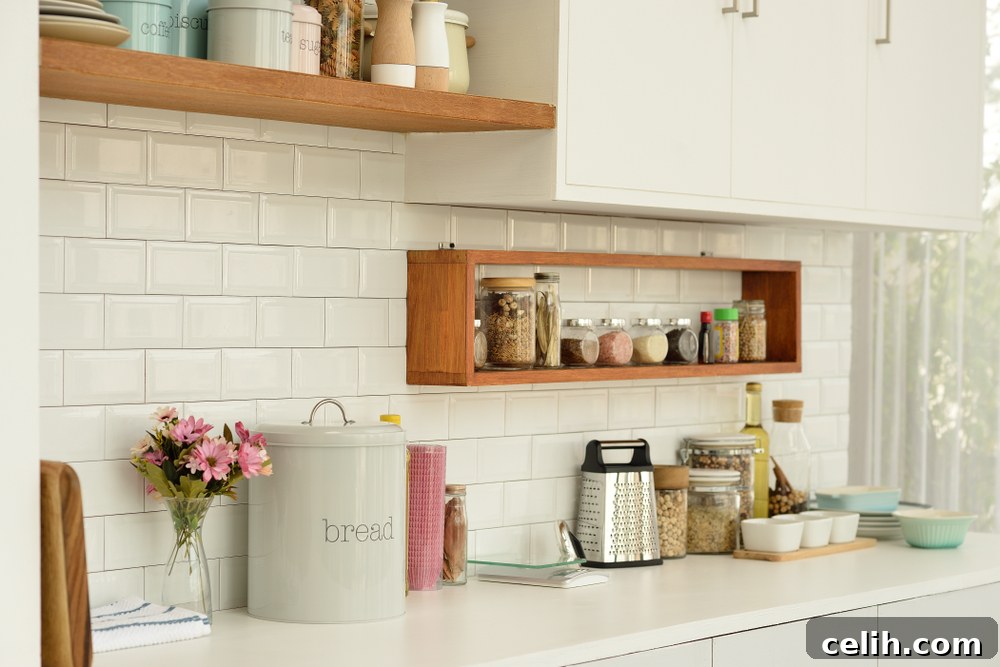
Many homeowners instinctively think of expanding square footage when they envision a home remodel, often believing that more space inherently translates to better functionality or greater luxury. While adding square footage can be desirable, it is almost always the most expensive component of any renovation. This process involves costly structural changes, new foundations, roofing, and extensive material and labor expenses. A more budget-friendly, and often equally effective, approach is to prioritize maximizing efficiency and optimizing storage within your home’s existing footprint. Consider a kitchen remodel, for instance: instead of undertaking a costly expansion by knocking down walls, invest in ingenious storage solutions. Modern cabinetry offers innovative features such as pull-out pantry shelves, corner carousels (commonly known as lazy Susans), deep drawers with integrated dividers, and vertical storage systems. These elements dramatically increase usable storage space without altering the room’s dimensions. By building upwards or maximizing internal organization, you not only achieve significant savings on construction costs but also often end up with a more cohesive, functional, and surprisingly spacious design.
This principle of efficiency extends far beyond the kitchen. In bathroom renovations, smart vanity designs, recessed shelving built into walls, and wall-mounted fixtures can create an illusion of space and drastically improve organization. For living areas, custom built-in shelving and cabinetry can provide ample storage and display space, thereby reducing the need for bulky, freestanding furniture that can clutter a room. Focusing on efficiency not only helps you stay well within your home renovation budget but also minimizes the project’s complexity, shortens construction timelines, and frequently results in a more elegant, less cluttered, and highly functional living environment that feels both luxurious and practical.
Strategically Mix Your Materials for Impact and Savings
The cost of building materials is a significant variable in any home remodel, and selection of finishes often dictates a major portion of the budget. While it’s tempting to opt for premium, high-end materials throughout your entire project, a savvy and budget-conscious approach involves strategically mixing luxurious options with more affordable, yet still stylish, alternatives. This method allows you to infuse elements of luxury where they will make the greatest impact, while making sensible savings elsewhere, all without compromising on the overall aesthetic appeal or long-term quality of your renovation. For example, in an open-concept living space, you might choose durable and elegant hardwood flooring for high-traffic zones like the living room and main kitchen area. Then, for an adjoining dining area or a less-trafficked pantry, you could opt for a high-quality laminate, luxury vinyl plank, or stylish tile that beautifully complements the hardwood’s color and tone. This intelligent combination not only significantly reduces your overall material and installation costs but also serves a dual purpose: the varied flooring can visually delineate distinct functional zones within the open layout, adding subtle depth and architectural interest to the space.
The same strategic principle can be applied to other areas of your home. In a kitchen renovation, consider installing a beautiful slab of granite or quartz for the main island, which often serves as a focal point and high-use area for prep work, paired with a more economical yet attractive butcher block, solid surface, or even a higher-grade laminate for perimeter counters. For bathroom remodels, you might select an exquisite, durable tile for the shower enclosure—a feature that often catches the eye—but use a simpler, complementary ceramic or porcelain tile for the rest of the bathroom floor and walls. By thoughtfully combining materials, focusing your investment on areas that experience the most wear and tear or make the biggest visual statement, you can achieve a sophisticated, custom-designed look that belies its budget-conscious execution. The key to success is ensuring that the chosen materials harmonize in color, texture, and style, creating a cohesive and visually appealing result that genuinely enhances your home’s character and perceived value.
Undertake the Demolition Yourself (Wisely and Safely)
Before any significant remodeling work can commence, existing structures often need to be carefully removed, a process universally known as demolition. This initial phase, while seemingly straightforward, can represent a considerable portion of labor costs if exclusively handled by professionals. For the diligent, capable, and safety-conscious homeowner, undertaking certain demolition tasks oneself can offer substantial savings, allowing you to reallocate those funds to more specialized aspects of the remodel, such as finishing materials or professional installations. However, it is absolutely critical to approach DIY demolition with the utmost caution and thorough preparation. Always prioritize safety: wear appropriate personal protective equipment (PPE) including sturdy work gloves, eye protection, a hard hat, strong footwear, and a high-quality dust mask. Ensure the work area is properly ventilated, secured from children and pets, and that all necessary utilities (water, gas, electricity) are safely shut off or appropriately identified.
Exterior demolition, such as dismantling an old deck, shed, fence, or non-load-bearing patio, is generally considered safer and more manageable for DIY enthusiasts. These projects typically involve fewer hidden hazards and less risk to your home’s core structure. Interior demolition, on the other hand, presents greater complexities and potential dangers. Before swinging a sledgehammer, you must meticulously identify the precise location of all electrical wiring, plumbing pipes, and HVAC ducts. Severing a live wire or puncturing a water pipe can lead to serious injury, extensive damage, and incredibly costly emergency repairs. Furthermore, understanding which walls are load-bearing versus purely decorative is paramount; removing or altering a structural wall without proper temporary support and permanent reinforcement can compromise the entire structural integrity of your home, leading to catastrophic consequences. If you are ever unsure about any structural elements, hidden utilities, or the scope of the demolition, it is always advisable to consult with a qualified structural engineer or a licensed contractor. While carefully executed DIY demolition can be a powerful cost-saving measure, it must be performed with meticulous planning, extensive research, and an unwavering commitment to safety. For anything beyond superficial tear-downs, investing in the expertise of a professional is an investment in your home’s safety, longevity, and overall project success.
Embrace the Competitive Bidding Process
The excitement of initiating a home remodel can sometimes lead to impatience, urging homeowners to move forward quickly with the very first contractor they encounter. This eagerness, however, is a common pitfall that can ultimately lead to significant overspending, settling for subpar work, or facing unexpected complications down the line. Instead, exercising patience and engaging in a thorough, competitive bidding process is one of the most effective strategies to secure the best value and highest quality for your project. Regardless of whether you’re seeking a general contractor to oversee a large-scale renovation, a specialist like a plumber or an electrician, or a niche professional such as a metal roofing contractor in Miami County, IN, obtaining multiple competitive bids is absolutely essential. Aim for at least three to five detailed, itemized quotes from reputable professionals.
When soliciting bids, it is crucial to provide each prospective contractor with the exact same comprehensive scope of work, including detailed plans, material specifications, and desired timelines. This ensures you’re comparing “apples to apples” and helps prevent misunderstandings or hidden costs later on. Don’t simply focus on the bottom-line price; scrutinize what each bid explicitly includes and excludes. Ask pertinent questions about material brands, labor timelines, payment schedules, warranty coverage, and the process for handling change orders. While the temptation to choose the cheapest option is strong, the lowest bid is not always synonymous with the best value. It’s paramount to balance affordability with the contractor’s reputation, their relevant experience, communication style, and the overall quality of their proposed work. Always check client references, review their portfolio of past projects, and diligently verify that they are properly licensed, bonded, and insured. By allowing the bidding process to play out thoroughly, you empower yourself to make a well-informed decision, negotiate favorable terms, and ultimately select a contractor who aligns perfectly with both your budget constraints and your high expectations for a quality renovation, ensuring you truly get the most out of every dollar invested in your home improvement project.
Unlock Savings by Buying Used and Reclaimed Items
One of the most creative and effective strategies for significantly reducing remodeling costs without compromising on desired style or functionality is to intentionally incorporate salvaged, repurposed, or gently used items into your design. The widely held notion that everything must be brand new for a successful renovation is a common misconception that can dramatically inflate your budget. In reality, a treasure trove of high-quality, unique, and character-filled items awaits discovery in various cost-effective places. Architectural salvage yards, Habitat for Humanity ReStores, online marketplaces such as Facebook Marketplace or Craigslist, and even local antique shops are excellent, often overlooked sources for everything from specific building materials, vintage lighting fixtures, and distinctive door knobs, to well-crafted cabinets and even lightly used, high-performance appliances.
While some of these found items may require a bit of personal effort—perhaps a thorough cleaning, light sanding, a fresh coat of paint, or minor repairs—the resulting savings can be truly extraordinary. Imagine the satisfaction of finding solid wood doors for a mere fraction of the cost of new ones, or a unique vintage chandelier that adds unparalleled character and a focal point to your dining area. It is important to acknowledge that some contractors may express hesitation in working with salvaged or used items due to potential concerns about liability, warranty issues, or the extra time required for installation or modification. However, if you are tackling certain aspects of the project yourself, or if you partner with a contractor who is open and experienced in incorporating such items, the financial benefits can be substantial. Furthermore, choosing reclaimed materials not only keeps your renovation budget firmly in check but also contributes significantly to environmental sustainability by diverting waste from landfills and reducing the demand for new manufacturing. This approach not only provides exceptional value but also imbues your home with a unique story, authentic charm, and a sense of history that new, off-the-shelf items simply cannot replicate.
Maximize Ambiance and Savings with Natural Light
Lighting is an absolutely crucial element in any home remodel, profoundly influencing both the aesthetics and the overall mood of a space. While installing new, complex electrical fixtures or dramatically expanding existing windows can be costly endeavors, there are numerous budget-friendly and highly effective ways to strategically harness and maximize the power of natural light. Instead of investing heavily in large, custom-sized windows or extensive electrical rewiring that requires specialized labor, consider innovative solutions that efficiently channel sunlight into your home. Even if your renovation isn’t on the top floor, options like light tubes or “sun tunnels” can be expertly installed. These highly reflective tubes extend from your roof to the ceiling of a room below, efficiently capturing and distributing natural daylight without requiring significant structural alterations or losing heat. They provide abundant, glare-free illumination during daylight hours, drastically reducing the need for artificial lighting during the day.
Beyond these specialized installations, simpler, yet highly effective, strategies can also amplify natural light within your home. Painting interior walls with lighter, reflective colors such as whites, creams, or pale pastels can make any room feel significantly brighter and more expansive by effectively bouncing light around. Strategic placement of large mirrors directly opposite windows can cleverly double the perception of natural light and space, creating an airy, open feel. Opting for open-plan designs where feasible, or installing interior French doors with glass panes instead of solid ones, allows natural light to flow more freely between rooms, reducing dark corners. Maximizing natural light not only helps you stay well within your renovation budget by reducing fixture costs and installation labor but also offers significant long-term savings on your electricity bills, particularly during daylight hours. Moreover, ample natural light has proven benefits for human well-being, enhancing mood, productivity, and the overall comfort and appeal of your home, making it a smart investment for both your wallet and your lifestyle.
Maintain Open and Clear Communication with Your Contractor
Given the significant financial and emotional investment inherent in your home remodel, maintaining clear, consistent, and proactive communication with your chosen contractor is not merely important—it is absolutely non-negotiable for project success and stringent budget adherence. View this relationship as a crucial partnership where transparency, mutual understanding, and open dialogue from both sides are paramount. Never be hesitant to ask questions, no matter how minor or seemingly obvious they may appear, and always provide detailed information about your specific expectations, design preferences, and, most importantly, your firm budget constraints. Ensure your contractor is fully aware of your financial limits and priorities from the very outset of the project, and communicate any concerns or deviations immediately as they arise. This proactive approach is your strongest defense against misunderstandings that could lead to costly change orders, unnecessary delays, or dissatisfaction with the final outcome.
It is crucial to meticulously document all agreements, changes, and key decisions in writing, especially anything that deviates from the original contract. This written record serves as a vital safeguard for both parties, providing clarity and accountability. Never allow work to proceed on your home without your explicit permission, particularly if it involves additional costs, significant alterations to the agreed-upon plan, or affects the project timeline. You have every right to be kept thoroughly informed about the project’s progress, potential challenges, and any impact on the schedule or budget. Likewise, it is your responsibility to articulate your needs clearly, provide timely feedback, and promptly respond to contractor inquiries. Regular meetings—whether daily check-ins or weekly reviews—can significantly facilitate this ongoing dialogue. Effective communication builds trust, prevents expensive errors, ensures that your remodeling project unfolds smoothly, stays on track, and ultimately delivers the “perfect” outcome you envision, all while meticulously respecting your predefined budget.
Phasing Your Project for Financial Flexibility
For larger, more ambitious home remodels, or when working with a particularly tight budget, a highly effective strategy is to consider breaking your overall project down into smaller, more manageable phases. This approach allows you to spread out the significant financial burden over a longer period, thereby alleviating immediate budget pressure and making the entire renovation more financially accessible. Instead of attempting a complete home overhaul all at once, which can be overwhelming and expensive, you might prioritize the most critical or impactful areas, such as a kitchen renovation or a primary bathroom remodel, in the first phase. Once these essential areas are complete and your finances have had an opportunity to recover, you can then move on to less urgent areas like guest bathrooms, secondary bedrooms, or exterior aesthetic updates. Phasing also offers the distinct advantage of allowing you to learn from the initial stages of your project, enabling you to refine your approach, assess contractor performance, and make more informed decisions for subsequent phases. It provides invaluable flexibility, empowers you to save up for higher-quality materials or specific desired features for later stages, and significantly reduces the stress often associated with managing a massive, all-encompassing renovation all at once. This methodical and strategic approach ensures that your home transformation remains enjoyable, financially sustainable, and culminates in a cohesive, well-executed final result.
DIY Where It Makes Sense, Hire Where It Counts
While “Do It Yourself” (DIY) efforts can indeed be a significant cost-saver in any home remodel, it is absolutely essential for homeowners to realistically assess their skills, available time, and the inherent complexity of each task. Beyond demolition, there are numerous genuinely DIY-friendly tasks that can save you considerable money. These might include painting interior rooms, installing new light fixtures or faucets, undertaking simple landscaping projects, or even some types of flooring installations like laminate or luxury vinyl plank. These tasks typically require basic tools, a moderate skill level, and benefit from the vast wealth of online tutorials and guides readily available. However, for specialized trades and more complex work such as intricate electrical wiring, extensive plumbing (beyond simple fixture replacement), any structural alterations, or detailed tiling work that demands precision, hiring a licensed and experienced professional is invariably the wiser, safer, and ultimately more cost-effective choice in the long run. Attempting complex tasks without proper expertise can lead to costly mistakes, serious safety hazards, potential code violations, and could even invalidate parts of your home insurance. A skilled professional not only ensures the job is done correctly, efficiently, and up to current building codes but also provides invaluable peace of mind and often offers warranties on their workmanship. Striking the right, informed balance between leveraging your own DIY capabilities and engaging professional services for critical tasks is key to successfully staying on budget while simultaneously ensuring quality, safety, and the long-term integrity of your renovated home.
The journey of a home remodel should culminate in a space that perfectly reflects your dreams, profoundly enhances your lifestyle, and strategically increases your property’s value. Achieving this “perfection” absolutely does not have to come at the cost of financial strain or overwhelming debt. By diligently planning your budget, prioritizing functional efficiency over mere expansion, making savvy material choices, being strategic with your DIY efforts, thoroughly vetting contractors, intelligently incorporating reclaimed items, and maximizing the natural light within your home, you can navigate your entire renovation project with confidence and control. Clear, consistent communication and a proactive willingness to adapt will undeniably be your strongest allies throughout this process. With these comprehensive and actionable tips, you are well-equipped to transform your home exactly as you envision, ensuring it remains a cherished source of joy, comfort, and pride for many years to come, all while meticulously adhering to your budget and safeguarding your financial well-being.