
Pests are an unwelcome and often distressing reality for homeowners everywhere, ranging from the nuisance of a persistent ant trail to the more severe threat of a rodent infestation or destructive termites. While the allure of Do-It-Yourself (DIY) pest control solutions—promising convenience and cost savings—can be strong, not every pest problem is created equal. Understanding when a can of spray or a few traps will suffice and when it’s imperative to enlist the expertise of professional pest control services is paramount to maintaining a truly pest-free home. This comprehensive guide will explore the nuances of tackling pest issues, weighing the benefits and drawbacks of DIY methods against the undeniable advantages of professional intervention, helping you make the most informed decision for your unique situation.
Understanding the Threat: Types of Pests and Infestation Severity
The first step in effective pest management is accurately identifying the intruder and assessing the scale of the invasion. Not all pest problems present the same level of threat or require the same approach. A lone spider or a few wandering ants might be a simple inconvenience, easily dispatched with basic household methods. However, a full-blown infestation of certain pests can pose significant health risks, cause extensive property damage, and be incredibly challenging to eradicate without professional help.
For instance, minor infestations of common household pests like small ants, houseflies, or occasional spiders can often be managed with readily available over-the-counter sprays, baits, or traps. These solutions are generally sufficient when the problem is isolated, caught early, and doesn’t indicate a larger, underlying issue. The key here is “minor” – if you’re seeing persistent activity or large numbers, it’s likely more than a minor problem.
On the other hand, more insidious, persistent, or dangerous pests demand a more strategic and often professional response. Termites, for example, are notorious for silently destroying the structural integrity of homes, leading to costly repairs if left unchecked. Bed bugs are infamous for their stubbornness and the discomfort they cause, requiring specialized treatments to completely eliminate them. Cockroaches not only multiply rapidly but also carry diseases and allergens, posing serious health threats.
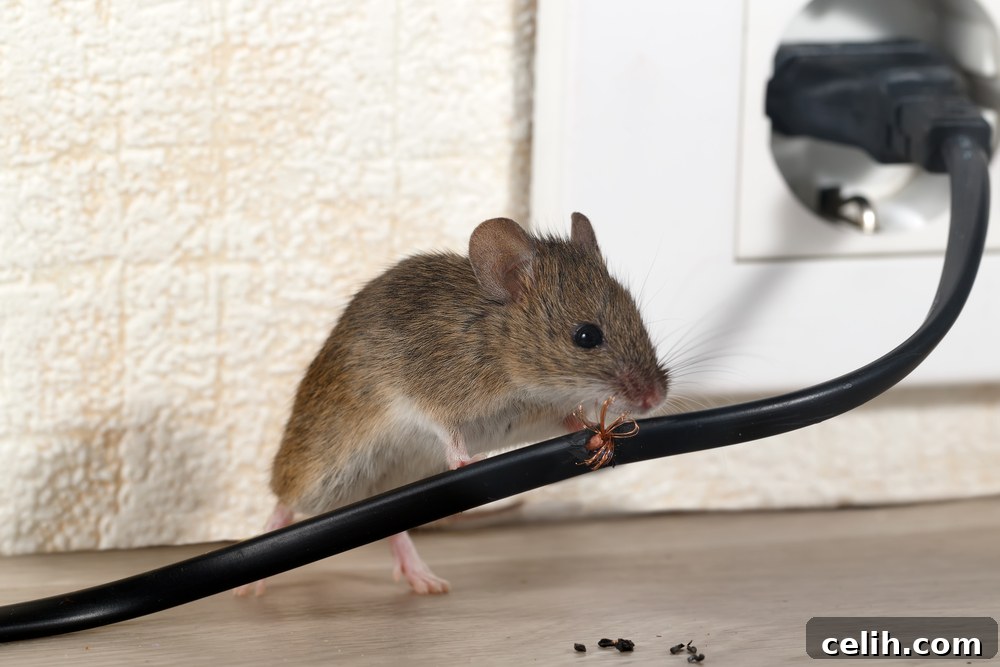
Rodents, such as mice and rats, are another category that frequently warrants professional intervention. Beyond the immediate health risks associated with their droppings and urine – which can spread pathogens like Hantavirus and Salmonella – rodents are destructive. They gnaw through electrical wiring, potentially causing fire hazards, contaminate food, and damage insulation, drywall, and plumbing. Signs of a rodent problem, such as unexplained droppings, chew marks on food packaging or structures, scurrying noises in walls or attics at night, or even a sudden increase in pet activity in certain areas, should never be ignored. While DIY traps and baits might catch a few individuals, they rarely address the entire colony or prevent future incursions. Rodents are adept at finding hidden entry points and establishing nests in inaccessible areas. Without the keen eye and specialized tools of an expert, you might only be treating the symptoms, allowing the problem to persist and escalate. In such cases, engaging professional rodent exterminators becomes essential. These experts can accurately identify the species, locate nesting sites, seal off entry points, safely eliminate the existing population, and implement robust, long-term prevention strategies to keep your home truly rodent-free for good.
DIY Pest Control: Weighing the Benefits Against the Risks
For many homeowners, the initial instinct when faced with a pest sighting is to reach for a DIY solution. This approach certainly has its appeals, but it also comes with a significant set of limitations and potential pitfalls.
Advantages of DIY Pest Control:
- Cost-Effectiveness: Arguably the most attractive aspect, DIY solutions typically involve a lower upfront financial outlay compared to professional services. Purchasing a can of insect spray or a few traps is usually much cheaper than scheduling an exterminator’s visit. This makes DIY an appealing option for budget-conscious individuals dealing with minor issues.
- Immediate Convenience and Speed: When you spot a pest, you can often take action immediately. There’s no waiting for an appointment, allowing you to address the visible problem on your own schedule using products readily available at local hardware or grocery stores. This sense of immediate control can be very reassuring.
- Accessibility and Simplicity: Many DIY pest control products are designed for ease of use, making them accessible to virtually anyone. Sprays, baits, and traps come with clear instructions, and their application requires no special training or equipment. For small, localized problems, these simple tools can provide instant, albeit often temporary, relief.
Limitations and Risks of DIY Pest Control:
- Incomplete and Temporary Solutions: This is perhaps the biggest drawback. While DIY methods might kill visible pests, they frequently fail to address the root cause of the infestation. Pests like ants, cockroaches, or termites often have hidden nests, colonies, or multiple entry points into your home. Unless these primary sources are located and eliminated, the problem is highly likely to recur, often stronger than before. This leads to a cycle of repeated treatments, frustration, and ultimately, higher long-term costs.
- Significant Health and Safety Risks: The improper use of pesticides poses serious dangers. Over-the-counter chemicals, when applied incorrectly, excessively, or without adequate ventilation, can be harmful to humans, pets, and the environment. Children and pets are especially vulnerable to accidental exposure to toxic substances or traps. Furthermore, some pests themselves, like rodents, cockroaches, and ticks, carry diseases that are dangerous to humans, and untrained individuals attempting to handle these infestations can inadvertently increase their exposure risk.
- Lack of Expertise and Misidentification: Without professional training and experience, it’s easy to misidentify a pest, which can lead to applying the wrong treatment, rendering it ineffective. Homeowners may also overlook critical signs of a larger infestation, such as subtle entry points, hidden nests, or specific behavioral patterns that dictate effective treatment strategies. This lack of comprehensive understanding often results in wasted time, money, and continued pest activity.
- Potential for Property Damage: While attempting to control pests, particularly those that bore into structures or wood, DIY efforts can inadvertently cause further damage or fail to stop existing destruction. For example, delaying professional termite treatment due to DIY attempts can allow these pests to continue their unseen destructive work, leading to vastly more expensive structural repairs down the line.
When DIY May Be Sufficient:
- Small, Isolated Incidents: When you encounter a few individual pests like a handful of ants, a single spider, or a lone mouse, and there are no recurring signs or indications of a larger infestation.
- Early Detection of Minor Problems: If you catch a very localized issue at its absolute earliest stage, and you’re confident you can address the source (e.g., sealing a tiny crack where a few ants are entering).
- Non-Threatening Pests: For pests that pose no significant threat to health, property, or rapid reproduction, like an occasional outdoor spider that wanders inside.
Professional Pest Control: A Worthwhile Investment in Your Home’s Future
When faced with anything beyond the most minor pest issues, professional pest control services offer a level of effectiveness, safety, and long-term security that DIY methods simply cannot match. Investing in professional help is an investment in the health, safety, and structural integrity of your home.
Unrivaled Expertise and Experience
Pest control professionals undergo extensive training and are equipped with specialized knowledge about the biology, behavior, and lifecycle of a vast array of pests. They can accurately identify the specific type of pest, understand its habits, and pinpoint the exact source and extent of an infestation – even those signs that are not immediately obvious to the untrained eye. This expertise extends to understanding environmental factors that contribute to pest problems, such as moisture issues or specific vegetation. Their ability to correctly diagnose the problem is the first and most crucial step toward effective eradication.
Comprehensive and Targeted Solutions
Unlike many DIY methods that often provide a superficial fix, focusing solely on eliminating visible pests, professionals employ a holistic and integrated pest management (IPM) approach. This involves a thorough inspection, targeted treatments tailored to the specific pest and severity, and strategic follow-up plans. They don’t just spray; they identify and seal entry points, recommend sanitation practices to remove food and water sources, and implement long-term monitoring to ensure pests don’t return. This comprehensive strategy ensures that the entire life cycle of the pest is disrupted, leading to complete and lasting eradication.
Enhanced Health and Safety Considerations
Professional pest control prioritizes the safety of your family, pets, and the environment. Experts are trained in the proper handling, application, and disposal of professional-grade pesticides, which are often more potent and effective than over-the-counter options, yet used with greater precision and safety protocols. They understand dosage, application techniques, and ventilation requirements to minimize exposure to harmful chemicals, ensuring your home remains a safe living space during and after treatment. Many professionals also offer eco-friendly and low-toxicity options, further reducing environmental impact.
Long-Term Savings and Peace of Mind
While the initial cost of professional pest control might seem higher, it often translates into significant long-term savings. Thorough professional treatments prevent recurring infestations, which saves you the continuous expense of buying DIY products. More importantly, it prevents costly damage to your property – such as the extensive repairs needed for termite damage, electrical fires caused by rodent gnawing, or structural issues from moisture-loving pests. By addressing the problem effectively and permanently the first time, professionals safeguard your home’s value and provide invaluable peace of mind, knowing your home is protected from both the visible nuisances and unseen threats.
Recognizing the Tipping Point: When It’s Time to Call in the Pros
Deciding when to transition from DIY attempts to professional assistance is critical. Here are definitive signs that indicate it’s time to put down the spray can and pick up the phone to call the experts:
- Severe or Persistent Infestations: If your DIY efforts have failed to resolve the problem, or if the infestation keeps recurring despite your best attempts, it’s a clear signal that the issue is beyond simple home remedies. This often points to a larger, more entrenched problem or a resistant pest species.
- Pests That Pose Significant Health Risks: Any infestation involving pests known to carry diseases or trigger severe allergic reactions should be immediately escalated to professionals. This includes rodents (mice, rats), cockroaches, bed bugs, mosquitoes, ticks, and fleas. Professionals possess the tools and knowledge to deal with these health threats safely and effectively.
- Inability to Identify or Reach Hidden Nests: Many pests, particularly rodents, termites, carpenter ants, and certain types of wasps, establish nests in difficult-to-access areas like within walls, under foundations, in attics, or deep within crawl spaces. If you can’t locate the source or safely reach the nesting site, a professional will have the specialized equipment and expertise to do so.
- Visible Property Damage: If you observe any signs of structural damage to your home, such as chewed wires, gnaw marks on wood, sagging floors, mud tubes on walls (termites), or holes in wooden structures (carpenter ants/bees), professional intervention is not just recommended, it’s urgent. These pests can compromise your home’s safety and value if not addressed promptly and thoroughly.
- Mysterious Bites or Stings: If family members are experiencing unexplained bites or stings, especially after waking up, it could indicate bed bugs or other biting insects. These infestations require specialized identification and treatment protocols that DIY methods rarely achieve.
- Hazardous Pests: Pests like stinging insects (wasps, hornets) that have built nests in high-traffic areas, or aggressive spiders, are best handled by professionals who have the protective gear and methods to remove them without putting anyone at risk.
Conclusion
The choice between DIY and professional pest control ultimately hinges on the specific nature of the infestation, its severity, and the potential risks involved. For small, isolated, and easily manageable pest issues, a DIY approach can be an effective and economical first step. However, it’s crucial for homeowners to recognize their limitations.
When confronted with persistent, widespread, or particularly hazardous infestations—especially those involving destructive pests like termites, disease-carrying rodents or cockroaches, or tenacious bed bugs—the benefits of professional intervention far outweigh the initial cost. Professional pest control offers specialized expertise, comprehensive treatment plans that tackle the root cause, safe application of advanced solutions, and long-term prevention strategies that protect your property and ensure your family’s health and well-being. Don’t hesitate to seek expert help when it’s clear that the problem has escalated beyond your control. Prioritizing effective pest management through informed decisions and timely action is an invaluable investment in maintaining a safe, healthy, and truly pest-free home.