
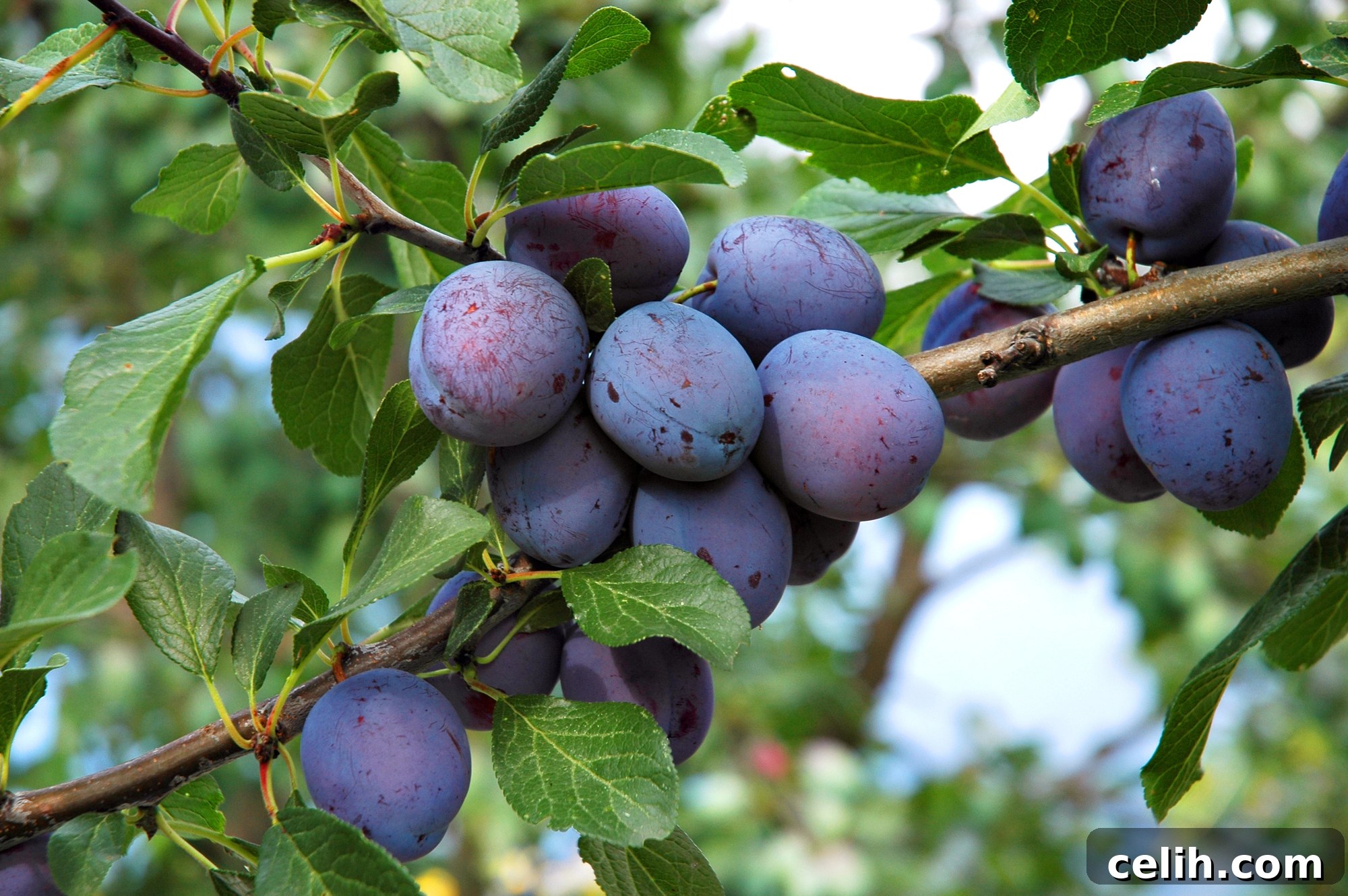
Comprehensive Guide to Fruit Tree Care: Nurturing a Bountiful Home Orchard
Embarking on the journey of growing fruit trees is a deeply rewarding experience, transforming your backyard into a vibrant, productive haven. Imagine stepping out your door to pick sun-ripened, fresh fruit, bursting with flavor far superior to anything from a store. This dream is entirely achievable with the right knowledge, dedication, and a bit of patience. Fruit tree care is an art and a science, blending understanding with practical application, culminating in a harvest that nourishes both body and soul.
In this in-depth guide, Tim, an ISA-certified arborist with years of expertise, shares invaluable insights and best practices for cultivating healthy, high-yielding fruit trees. We’ll cover every essential aspect, from the critical initial steps of selecting the right tree for your environment to ongoing maintenance like expert pruning, efficient watering, effective pest management, and timely harvesting. Our goal is to empower you with the tools and information needed to ensure your fruit trees not only survive but thrive, consistently producing delicious, abundant fruit season after season.
1. Understand Your Climate Hardiness Zone for Optimal Growth
The very first step in successful fruit tree cultivation is understanding your specific climate. Not all fruit trees are suited for every region, and planting the wrong variety can lead to frustration and failure. The USDA Plant Hardiness Zone Map is an indispensable tool for gardeners across North America. This map divides geographical areas based on their average annual minimum winter temperature, indicating which plants are most likely to survive the winter cold in a given location.
Selecting fruit trees that align with your USDA hardiness zone ensures they are inherently resilient to your local climate’s temperature extremes. Beyond just winter cold, it’s also crucial to consider the tree’s bloom time. Late spring frosts can devastate early-flowering varieties, destroying potential fruit for the season. Researching chilling hour requirements—the number of hours a tree needs below a certain temperature to break dormancy and set fruit—is also vital. Observing what fruit trees flourish in your neighbors’ gardens or consulting with local agricultural extensions can provide invaluable insights into historically and recently successful varieties in your specific microclimate.
| Fruit Type | USDA Hardiness Zones |
| Apples | Zones 3–9 |
| Pears, Quince, Peaches, Nectarines, Apricots, and Apriums | Zones 4–9 |
| European Plums | Zones 4–10 |
| Sweet Cherries | Zones 5–7 |
| Asian Plums and Pluots | Zones 5–9 |
| Figs | Zones 5–10 |
| Persimmons | Zones 7–10 |
| Pomegranates | Zones 7–10 easily, Zones 5–6 possibly |
| Citrus | Zones 8–10 |
2. Choose a Location with Ample Sunshine for Robust Growth
Sunlight is the lifeblood of fruit trees, fundamentally driving photosynthesis—the process by which plants convert light energy into the sugars necessary for growth and fruit production. Without adequate light, your fruit trees will struggle to produce blossoms, let alone develop delicious fruit. When planning your home orchard, prioritize a planting site that receives full sun, meaning a minimum of six to eight hours of direct, unfiltered sunlight each day. More sun generally translates to more vigorous growth, healthier trees, and a more abundant, sweeter harvest.
While ample sun is critical, excessive heat can also be detrimental. Prolonged periods of high temperatures, especially above 92°F–95°F (32°C–35°C), can cause heat stress. This stress forces trees to expend more energy on cooling themselves through transpiration, leading to increased water demands and making them more susceptible to pests and diseases. Signs of heat stress include wilting, scorching of leaves, or premature fruit drop. In extremely hot climates, consider planting locations that offer some afternoon shade or be prepared to provide temporary shade during intense heatwaves. Ensuring good air circulation around your trees can also help mitigate heat build-related issues.
3. Plant Your Fruit Trees During the Optimal Season
Timing is everything when it comes to planting fruit trees. The ideal windows are late autumn after leaf fall or early spring before bud break, when temperatures are cooler and the trees are dormant. Planting during these cooler months provides a crucial advantage: it allows the tree to focus its energy on establishing a robust root system without the simultaneous demands of supporting foliage or fruit production. This foundational root development is vital for the tree’s long-term health and stability, preparing it to better withstand the stresses of hot summers and active growing seasons.
During winter dormancy, a newly planted tree experiences less shock and transplant stress. The cooler soil temperatures also reduce the rate of water evaporation, meaning less frequent watering is required and conserving precious resources. This decreased watering need also minimizes the risk of root rot, a common issue with overwatering in poorly drained soils. Local nurseries and garden centers are excellent resources for pinpointing the precise best planting times in your specific region, as these can vary based on microclimates and typical weather patterns. They can also advise on the best types of trees for your area, including bare-root, balled-and-burlapped, or containerized options, each with slightly different planting considerations.
PRO TIP: Proper planting technique is paramount. For detailed, step-by-step instructions on how to plant a tree, including guidance on digging an adequately sized planting hole, ensuring proper depth, and determining optimal spacing from structures or other trees, consult comprehensive arboricultural resources. A general rule is to dig a hole two to three times wider than the root ball, but only as deep as the root flare, ensuring the tree sits at the same level as it did in the nursery or container.
4. Assess and Optimize the Quality of Your Soil
The soil your fruit tree grows in is its foundation, providing essential nutrients, water, and anchorage. Most fruit trees thrive in slightly acidic to neutral soil, with an ideal pH range generally between 6.0 and 7.0. A simple portable soil test kit can help you determine your soil’s current pH and nutrient levels. If the pH is too high or too low, it can lock up essential nutrients, making them unavailable to the tree, even if they are present in the soil. Soil amendments like lime can raise pH, while sulfur or peat moss can lower it, but always apply based on test results.
Beyond pH, fruit trees perform best in nutrient-rich, well-drained soil with a loose, loamy texture. “Well-draining” means water penetrates easily without pooling on the surface or sitting for extended periods, which can lead to root rot. Soils that are too heavy in clay will retain too much water, while overly sandy soils may drain too quickly, failing to hold sufficient moisture and nutrients. If poor drainage is a significant concern in your garden, consider planting fruit trees in raised beds. These structures allow you to fill them with an ideal soil mix, providing excellent drainage and aeration, along with better control over soil composition and nutrient content.
PRO TIP: Before finalizing your planting site, conduct a basic soil drainage test. Dig a hole approximately 12 inches deep and 12 inches wide. Fill the hole with water and let it drain completely. Once empty, immediately fill it with water again. A soil with good drainage should be empty within 6 to 12 hours after the second filling. If it takes longer, or if water remains for 24 hours or more, your site has poor drainage and will need significant amendment or the use of raised beds.
5. Provide Your Fruit Trees with Adequate and Consistent Water
Water is an absolutely essential element for fruit tree health, vital for nutrient transport, photosynthesis, and maintaining turgor pressure within plant cells. While some regions receive abundant rainfall, minimizing the need for supplemental watering, it’s crucial to regularly monitor soil moisture. The goal is balanced watering: consistently moist, but not waterlogged, soil. Both underwatering and overwatering can severely harm your trees, leading to stress, disease, and reduced fruit production.
Newly planted fruit trees require more frequent watering to help their developing root systems establish. As trees mature and develop a more widespread and deeper root system, they become more drought-tolerant and can be watered less frequently but more deeply. Factors such as soil type (sandy soils drain faster), weather conditions (hot, windy days increase water loss), and the tree’s size and fruit load will influence its water needs. A practical way to assess soil moisture is the “squeeze test”: take a handful of soil from a few inches below the surface. If it holds together loosely, it’s adequately moist. If it crumbles, it’s too dry. If water drips out, it’s too wet. For more detailed insights, refer to this comprehensive USDA guide on estimating soil moisture.
PRO TIP: Drip irrigation systems or soaker hoses are highly recommended for fruit trees due to their efficiency. They deliver water slowly and directly to the root zone, minimizing evaporation and promoting deep water penetration. This method encourages deeper root growth, making trees more resilient. Overhead sprinklers can also be used, but ensure the water penetrates deep enough and avoid wetting foliage excessively, which can encourage fungal diseases.
6. Determine If Your Fruit Tree Requires Cross-Pollination
Successful fruit production hinges on effective pollination, the transfer of pollen from the anther to the stigma, leading to fertilization and fruit development. Some fruit trees are self-fertile (or self-pollinating), meaning they possess both male and female flower parts and can produce fruit with pollen from the same tree. These varieties are ideal if you plan to plant only a solitary tree. However, many popular fruit tree varieties, such as most apples, pears, and some plums, are self-unfruitful, meaning they require cross-pollination from a different, compatible variety to bear fruit. Even self-fertile varieties often yield more prolifically with cross-pollination.
If your chosen fruit tree requires cross-pollination, you’ll need to plant at least two different, compatible varieties of the same fruit type. For example, two different apple varieties like ‘Honeycrisp’ and ‘Gala’ that bloom at similar times. Check pollination charts for specific compatibility. If garden space is limited, consider if a neighbor has a compatible tree within reasonable proximity. While bees can travel significant distances, for reliable cross-pollination, trees should ideally be within 50 feet (15 meters) or less, though this can vary by fruit type and bee activity. Fostering a diverse garden ecosystem by planting a variety of flowers and native plants will attract essential pollinators like bees, butterflies, and other beneficial insects, enhancing overall garden health and fruit yield. This biodiversity also naturally helps to suppress pest populations.
PRO TIP: To easily determine the pollination needs and compatible varieties for your specific fruit trees, utilize specialized online tools such as the Orange Pippin Trees Pollination Checker. This resource provides a comprehensive database to help you select the best partners for your fruit trees, ensuring a successful harvest.
7. Keep Your Soil Nutrient-Rich Through Organic Practices
For home fruit growers, maintaining rich, healthy soil is paramount and should primarily be achieved through organic methods like mulching and composting, rather than solely relying on synthetic fertilizers. These practices not only supply nutrients but also improve soil structure, water retention, and foster a vibrant underground ecosystem critical for tree health.
One of the most effective and easiest ways to enrich your soil is by applying a 1-inch layer of well-rotted compost topped with a 3-4 inch layer of organic mulch around the base of your fruit trees. Ensure the mulch is kept a few inches away from the tree trunk to prevent moisture buildup, which can lead to rot and pest issues. Mulch offers numerous benefits: it conserves soil moisture by reducing evaporation, suppresses weed growth (reducing competition for water and nutrients), moderates soil temperature, and gradually breaks down, enriching the soil with organic matter and nutrients over time. A mix of different organic materials for mulching, such as wood chips, shredded leaves, grass clippings (free of herbicides), and pine needles, provides a broader spectrum of nutrients as they decompose.
If you suspect nutrient deficiencies or wish to optimize soil composition, conduct a professional soil test. This will provide a precise breakdown of your soil’s nutrient levels and pH, guiding any necessary amendments. If supplemental fertilization is deemed necessary after a soil test, remember the golden rule: avoid fertilizing newly planted trees during their first year. They need to focus on root establishment, and excess nitrogen can encourage weak, leafy growth at the expense of root development. When you do fertilize, opt for balanced, slow-release organic options or apply specific nutrients as indicated by your soil test results, typically in early spring.
Essential Nutrients for Healthy Fruit Trees
| Macronutrients | Secondary Nutrients | Micronutrients |
| Carbon | Calcium | Zinc |
| Hydrogen | Magnesium | Iron |
| Oxygen | Sulfur | Manganese |
| Nitrogen | Copper | |
| Phosphorus | Boron | |
| Potassium | Molybdenum | |
| Chlorine | ||
| Nickel |
8. Prune Your Fruit Trees Regularly for Health and Productivity
Pruning is a fundamental aspect of fruit tree care, vital for maintaining tree health, promoting fruit production, and shaping the tree’s structure. Regular pruning enhances air circulation within the canopy, reducing the risk of fungal diseases, and allows sunlight to penetrate all parts of the tree, which is crucial for fruit development and ripening. It also involves removing dead, diseased, or damaged branches that can harbor pests or infections.
Young fruit trees require formative pruning during their first few years to establish a strong, balanced structure. The goal for many varieties, particularly apples and pears, is to create a strong central leader with well-spaced lateral branches, or an open vase shape for stone fruits like peaches. Once established, mature trees benefit from annual maintenance pruning for size control, encouraging new fruiting wood, and removing unproductive growth. Dormant pruning, typically done in late winter, stimulates vigorous growth in the spring and is ideal for shaping and removing large structural branches. Summer pruning, performed after fruit set, is used to limit overall growth, improve light penetration, and redirect energy into fruit development rather than foliage. Proper pruning involves removing dead branches, weak suckers growing from the base, water sprouts growing vertically from branches, and any crossing or rubbing branches that can cause wounds. Specific pruning techniques also vary significantly between fruit types; for example, apples and pears are often pruned to maintain a central leader, while peaches and nectarines typically benefit from an open vase system to maximize light and air circulation.
PRO TIP: When making pruning cuts, always aim to cut just beyond the branch collar—the slightly swollen, wrinkled area where a branch joins the trunk or another limb. This “heading cut” ensures the wound heals efficiently. The branch collar contains specialized cells that facilitate wound closure, allowing the tree to compartmentalize and recover effectively. Avoid flush cuts (cutting too close to the trunk) as they remove the protective branch collar, making the tree more vulnerable to decay. Similarly, leaving too long a stub can hinder healing and become an entry point for pests and diseases. Always use sharp, clean pruning tools to make precise cuts and minimize damage to the tree.
9. Consider Fruit Thinning for Enhanced Quality and Tree Health
Fruit thinning, the deliberate removal of a portion of developing fruit, might seem counterintuitive, but it’s a critical practice for improving the overall health of your fruit tree and significantly enhancing the quality of the remaining fruit. The primary reason for thinning is to redistribute the tree’s energy and nutrients, preventing it from overproducing and exhausting itself. Overburdened trees often produce smaller, less flavorful fruit, and can enter a biennial bearing cycle, where they produce heavily one year and very little the next.
The optimal time for thinning is typically when the fruit is about ¾ to 1 inch (2-2.5 cm) in diameter, usually a few weeks after the natural “June drop” where the tree sheds some excess fruit on its own. Thinning too early can make it difficult to assess which fruits are developing well, while delaying it too long diminishes its beneficial impact. Aim to find that “sweet spot” for maximum benefit. Proper thinning ensures the remaining fruits grow larger, develop better color, and achieve higher sugar content, resulting in a more delicious and commercially desirable crop. It also reduces the risk of branches breaking under the excessive weight of a heavy fruit load, improving the tree’s structural integrity. Furthermore, increased spacing between fruits allows for better sunlight penetration and air circulation, further improving fruit quality and reducing disease incidence.
To illustrate the benefit, consider this: a tree, whether thinned or unthinned, tends to produce roughly the same total weight of fruit. The choice, then, is between harvesting 120 large, juicy, and sweet apples or peaches, or collecting 400 small, often less flavorful fruits with minimal flesh. Quality over sheer quantity is often the discerning gardener’s choice. As a general rule, thin aggressively in years of heavy fruit set, moderately in average years, and minimally in light years. When thinning, prioritize removing the smallest, misshapen, or damaged fruits, leaving the largest and healthiest fruits evenly spaced along the branches. The recommended spacing varies by fruit type but is generally between 6 to 8 inches for apples and peaches.
10. Prevent Harm from Pests and Diseases with Proactive Management
Even with the best cultural practices, fruit trees are susceptible to various pests and diseases. Proactive management is key to minimizing damage and ensuring a healthy harvest. The first crucial step is to accurately identify the specific pests and diseases prevalent in your geographic area and those common to your particular fruit tree varieties. Environmental factors play a significant role; regions with wetter, warmer, and more humid weather during the growing season often experience higher pressure from fungal diseases and insect pests.
Adopt an integrated approach to pest and disease control, combining conventional and organic methods tailored to your situation. Mechanical barriers, such as protective netting over trees or individual fruit bags, can physically prevent insects and birds from damaging the fruit. Cultural practices are also vital: regular orchard sanitation (removing fallen fruit and diseased leaves), proper pruning for air circulation, and maintaining tree vigor contribute significantly. Encourage biodiversity in your garden by planting companion plants that attract beneficial insects (like ladybugs and lacewings that prey on aphids) and birds, which can naturally control pest populations. Choosing disease-resistant fruit tree varieties is one of the most effective long-term strategies to reduce reliance on chemical interventions. For instance, varieties like ‘Pristine’ and ‘Liberty’ apples offer excellent resistance to apple scab, while ‘Frost’, ‘Avalon Pride’, and ‘Mary Jane’ peaches are known for their resistance to peach leaf curl. If sprays are necessary, consider organic options like horticultural oils, neem oil, or sulfur-based fungicides, applied according to label instructions. For severe infestations, targeted conventional sprays might be required, but always prioritize the least toxic option.
Examples of Disease & Pest Resistant Fruit Tree Varieties
- Apples: Freedom, Frost, Avalon Pride and Liberty.
- Cherries: Most sour cherry trees are notably disease- and pest-resistant.
- Pears: Harrow Delight, Delicious and Moon glow.
- Plums: European types, such as Damson, are among the most disease- and pest-resistant varieties.
- Peaches: Avalon Pride and Mary Jane.
Conclusion: Cultivating Your Productive Home Orchard
Cultivating fruit trees is a deeply rewarding endeavor that offers fresh, healthy produce directly from your garden while enhancing the beauty and biodiversity of your outdoor space. By diligently following these ten best practices for fruit tree care, you are well on your way to enjoying the immense satisfaction of a beautiful, healthy, and consistently productive home orchard. From understanding your climate and selecting the right varieties to providing optimal sun, soil, and water, each step plays a crucial role in the tree’s vitality.
The key to enduring success lies in attentive observation and understanding the specific, evolving needs of your individual fruit trees throughout their lifespan. Remember to adjust your care routine based on seasonal changes, growth stages, and any challenges that arise. With proper planting, consistent care, and a proactive approach to maintenance, your fruit trees will flourish, rewarding your efforts with lush, abundant, and delicious harvests year after year. Embrace the journey, and savor the sweet taste of your homegrown success.