
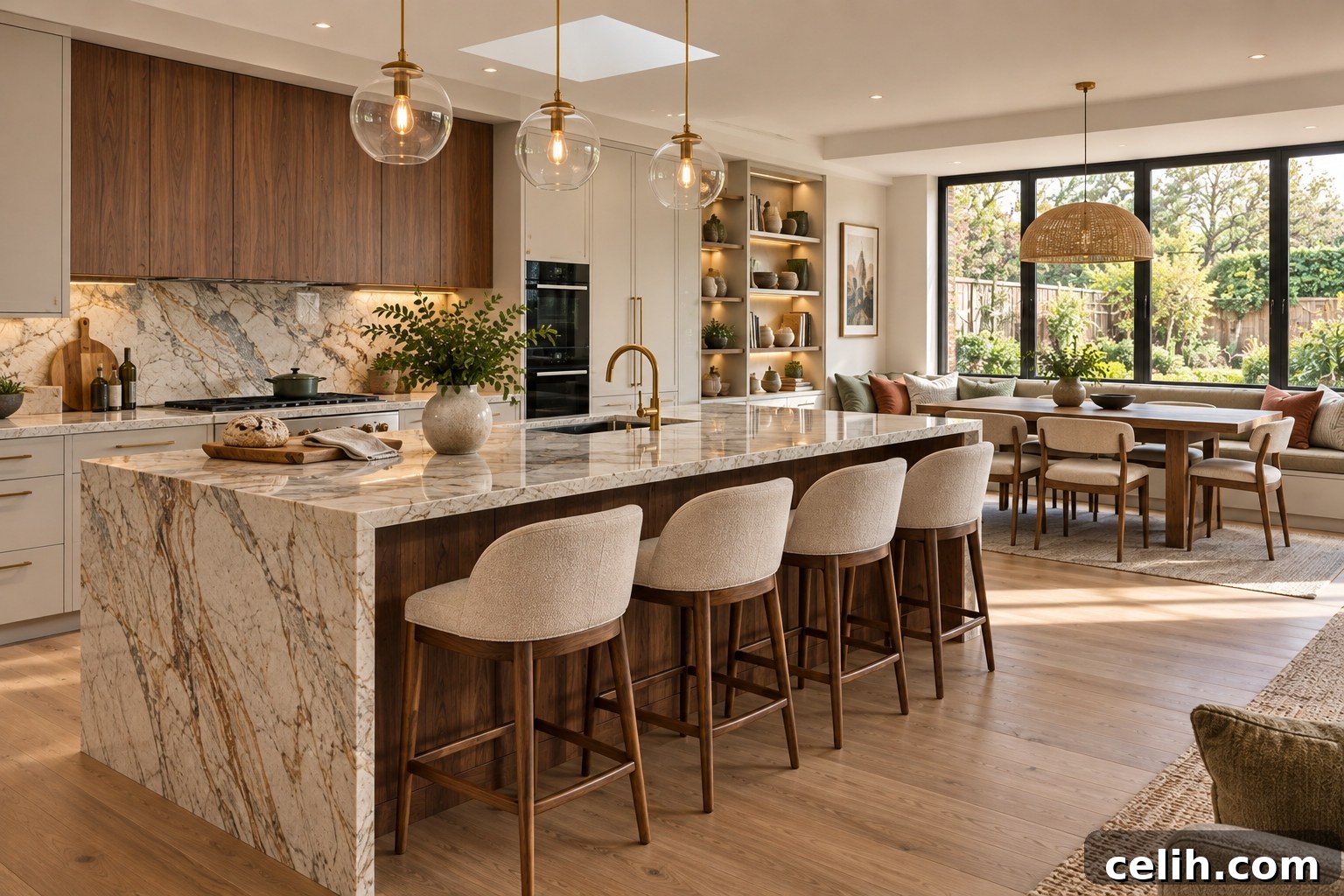
The modern home is no longer a collection of isolated rooms; it has evolved into a cohesive, connected environment shaped around how we live each day. Current luxury home renovations are less about short-lived trends and more about creating timeless, practical, and highly personal spaces. The emphasis is on designs that not only look refined but also improve everyday life—how we cook, work, relax, and connect with family and guests. If you’re planning a high-end renovation, understanding the core design principles below will help you create a home that feels both contemporary and enduring.
The Kitchen as the Command Centre
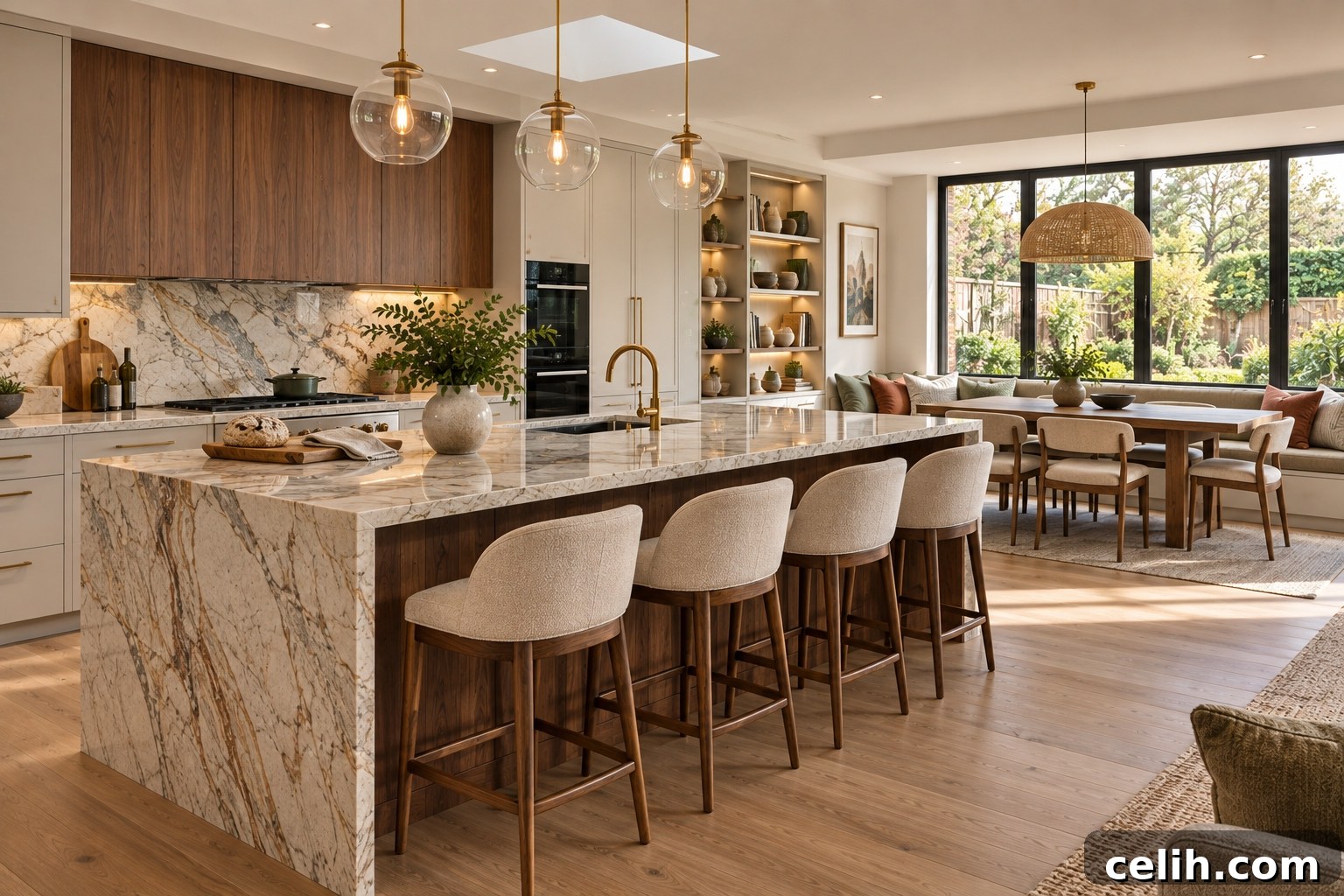
The kitchen has become the command centre of the home. Once tucked away and reserved for cooking, contemporary kitchen design prioritizes multifunctional layouts that welcome gatherings, remote work, and daily routines. Luxury kitchen renovations often include oversized islands that serve as meal prep zones, casual dining tables, and homework stations. Integrated seating—such as banquettes or built-in benches—helps create intimate corners within larger open-plan spaces. The most successful designs balance aesthetics and functionality: generous storage solutions, well-considered task lighting, and workflows that make cooking and entertaining effortless. In short, a modern kitchen should be a warm, magnetic hub where family life naturally converges.
A Return to Natural and Textured Materials
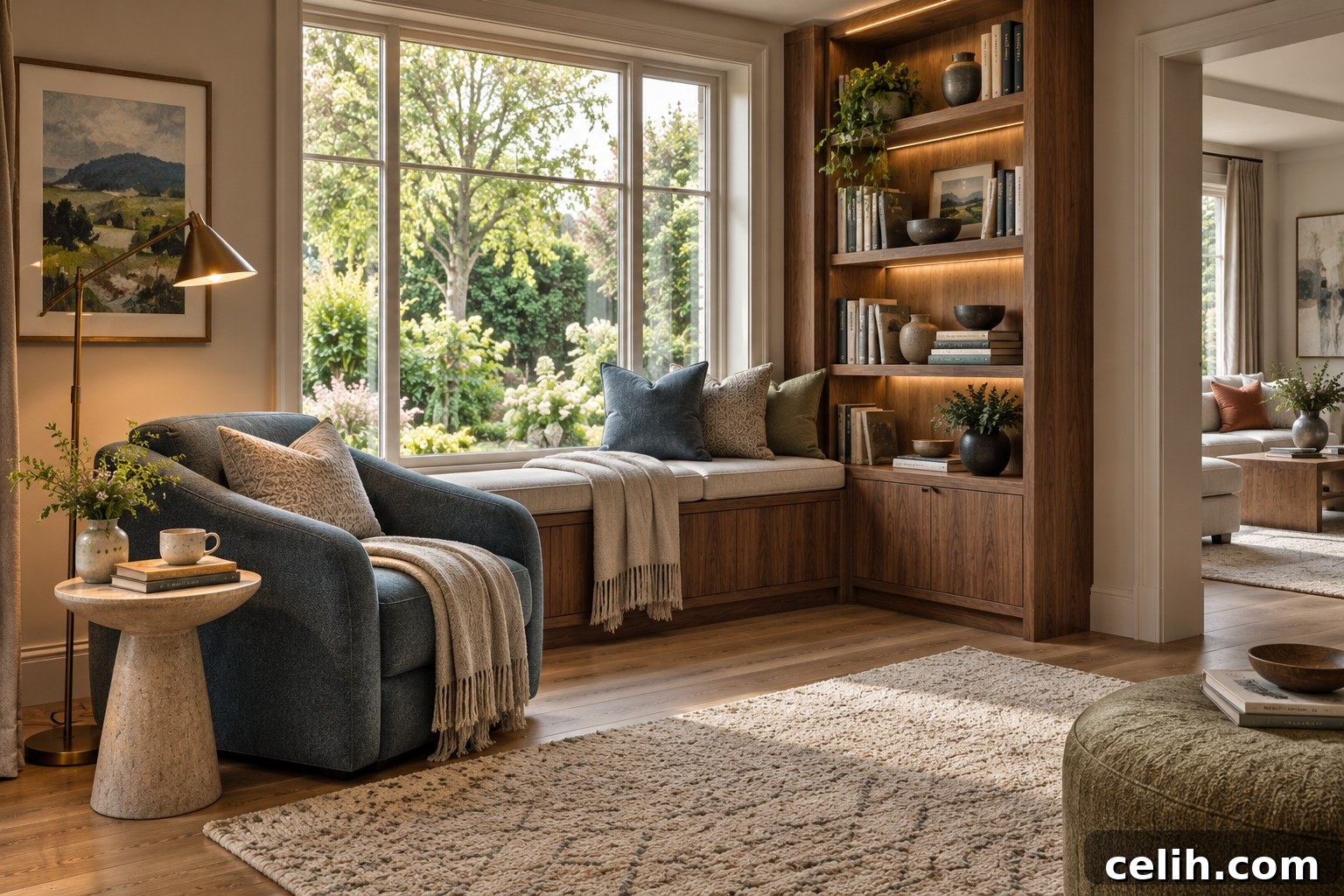
While minimalist, sleek surfaces remain popular, there is a clear move toward materials that feel authentic and textured. Homeowners are choosing natural stone—quartzite and marble with distinctive veining—for countertops and backsplashes because these surfaces offer unique patterns and a sense of permanence. Warm wood tones for cabinetry and flooring add depth and an organic warmth that balances stone’s coolness. Metal finishes are becoming more sophisticated: unlacquered brass that develops a patina, matte black fixtures that add visual contrast, and brushed nickel for a softer metallic touch. Layering different textures—stone, wood, textiles, and metal—creates interiors that feel curated, tactile, and welcoming rather than sterile.
Seamless Smart Home Integration
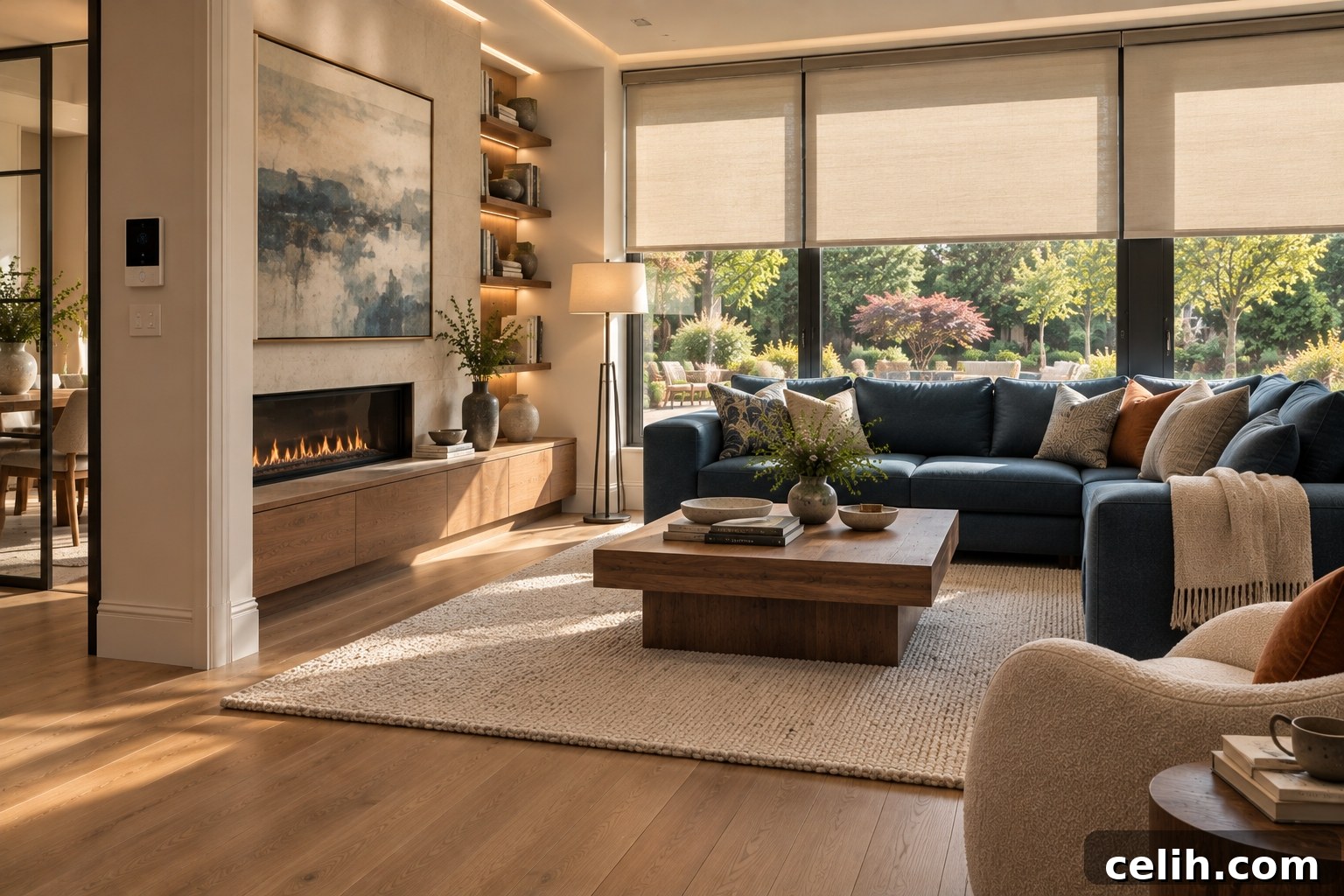
High-end design now treats technology as an invisible layer that enhances comfort and convenience without dominating the visual scheme. Smart home integration should be discreet: built-in charging drawers, appliances that blend with cabinetry, and controls hidden within furniture or panels. Automated lighting that adapts through the day, motorized shades that manage daylight and privacy, and climate controls that learn your preferences are all part of a seamless experience. Thoughtful technology decisions improve daily routines while preserving the room’s aesthetic. The goal is to weave smart systems into the architecture so they feel like an inherent part of the home rather than an add-on.
Biophilic Design and Wellness Spaces
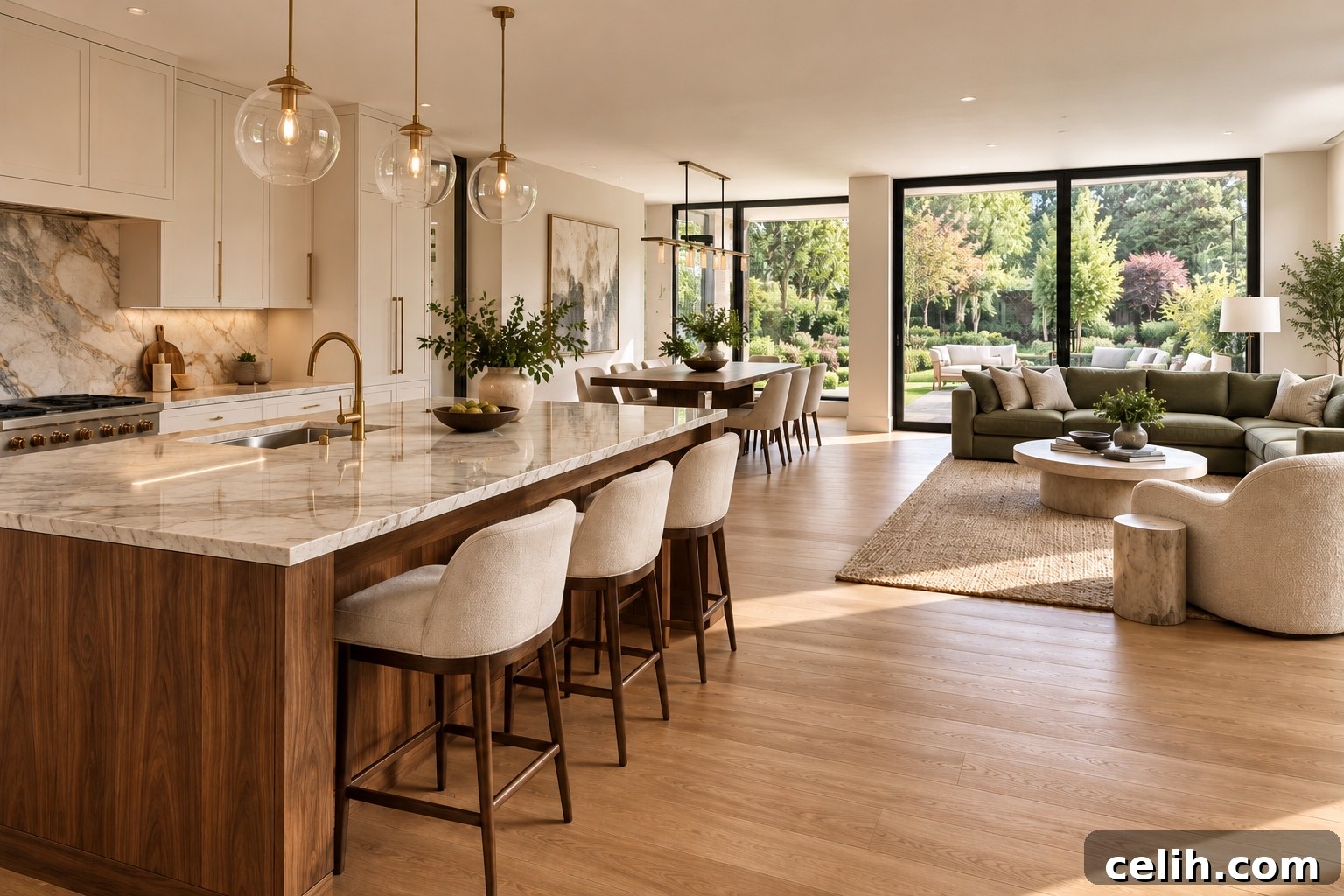
A stronger desire for calm, health, and a connection to nature is reshaping interior design. Biophilic design principles guide these changes by bringing natural elements, light, and views into homes. Renovations frequently include larger windows and glass doors to maximize daylight and frame garden vistas. Natural color palettes inspired by earth, water, and sky create soothing interiors that support relaxation. Beyond aesthetics, wellness-focused features are increasingly common: spa-like bathrooms with soaking tubs and rain showers, quiet reading nooks with comfortable seating and abundant plants, and dedicated spaces for yoga or meditation. These design choices acknowledge that true luxury supports both physical comfort and mental wellbeing.
Ultimately, the best luxury renovations tell a personal story while improving everyday living. Successful projects combine practical upgrades—clever storage, durable materials, efficient layouts—with design touches that reflect your tastes and lifestyle. Whether prioritizing a kitchen that hosts family gatherings, selecting materials that age gracefully, or integrating smart systems and wellness spaces, thoughtful design creates a home that feels beautiful, functional, and inviting for years to come. Use these guiding ideas as a foundation for a renovation that enhances comfort, boosts functionality, and expresses your personal style in a lasting, tasteful way.