
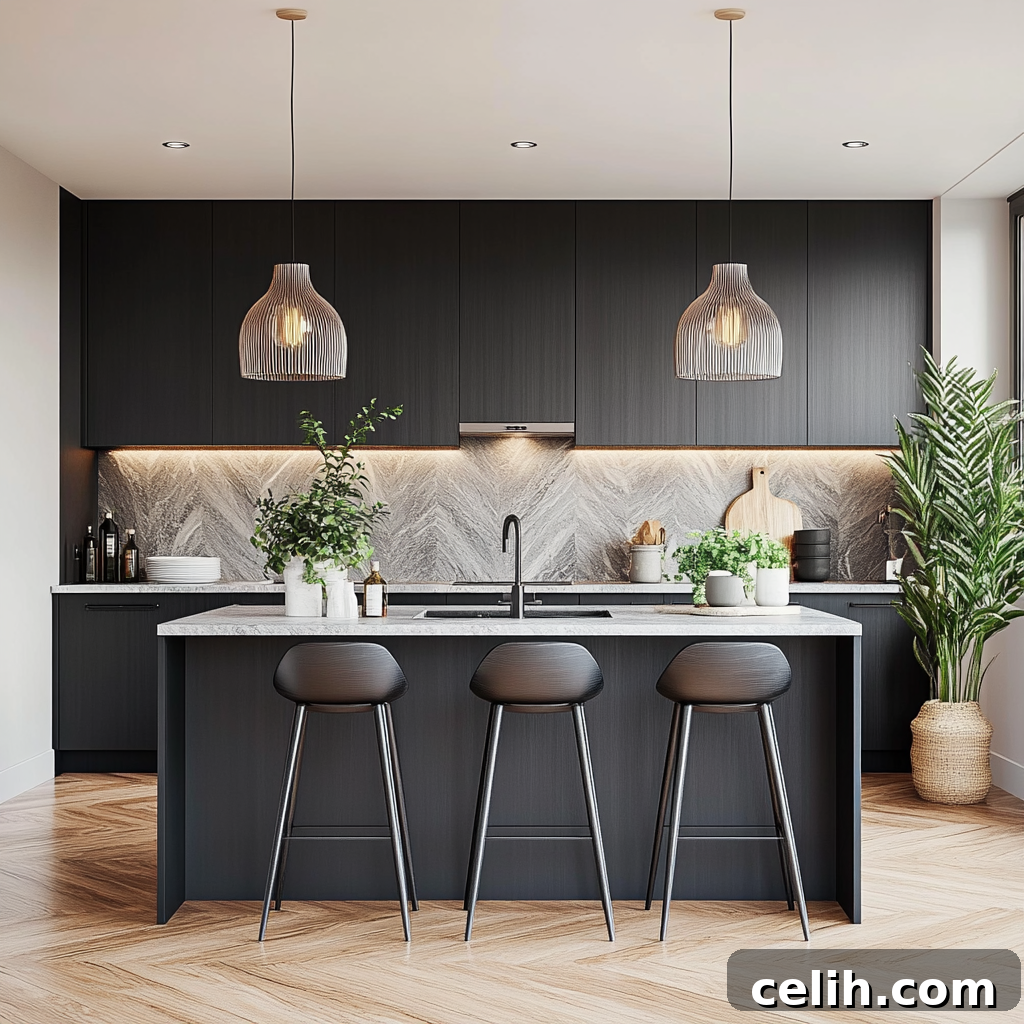
A kitchen remodel is often hailed as one of the most transformative home improvements you can undertake. It’s not just about updating an outdated space; it’s about reimagining the very heart of your home, enhancing its value, improving energy efficiency, and creating a hub for culinary adventures and cherished family moments. A thoughtfully designed kitchen seamlessly blends aesthetics with unparalleled functionality, becoming a truly enjoyable space for cooking, entertaining, and daily life. However, while the dream of a perfect kitchen is alluring, the path to achieving it is often fraught with common pitfalls that can derail a project, leading to budget overruns, unexpected delays, and ultimately, dissatisfaction.
Whether your vision is a sleek, minimalist modern kitchen or a warm, inviting rustic retreat, understanding and proactively avoiding common mistakes is crucial for a smooth and successful renovation journey. This comprehensive guide delves into eight critical kitchen remodeling errors, offering insights and actionable advice to help you navigate your project with confidence, ensuring it stays on track, within budget, and delivers the stunning, functional kitchen you’ve always desired.
1. Rushing The Planning Phase
The excitement of a kitchen renovation can be infectious. It’s incredibly tempting to jump straight into demolition or start picking out dazzling tiles and state-of-the-art appliances. Yet, this haste is arguably the biggest mistake homeowners make. A truly successful kitchen remodeling project isn’t built on impulse; it’s founded on a meticulous, well-thought-out plan. Skipping this crucial initial stage can lead to costly mistakes, functional nightmares, and a kitchen that simply doesn’t meet your long-term needs.
Dedicate ample time to deep introspection about your current kitchen’s shortcomings and your aspirations for the new space. Consider the ergonomic layout: how do you move between the sink, stove, and refrigerator? This concept, often called the “kitchen triangle” or “work zones,” is fundamental for efficient cooking. Think about your daily habits – do you bake frequently? Do you entertain large groups? Do you need a dedicated coffee station or a homework area for children? Map out potential traffic flow, ensuring clear pathways and avoiding bottlenecks. Storage, often an afterthought, should be a primary consideration. Where will your pots, pans, small appliances, and pantry staples reside? Effective lighting, encompassing ambient, task, and accent illumination, is also vital for both aesthetics and safety. Don’t overlook crucial practicalities like obtaining necessary building permits and council approvals, which can vary significantly by location and the scope of your project. Engaging with a professional kitchen designer or architect during this phase can provide invaluable insights, helping you visualize the space, optimize its potential, and anticipate challenges. Patience and thorough planning now will undoubtedly save you significant time, money, and headaches down the road, ensuring your dream kitchen is both beautiful and highly functional.
2. Underestimating The Costs
Budget blowouts are an unfortunately common narrative in kitchen renovations, often turning what should be an exciting venture into a source of immense stress. Costs have a notorious way of spiraling when unexpected issues surface, especially in older homes. You might encounter outdated electrical wiring requiring a full upgrade, hidden water damage necessitating extensive repairs, or the need to relocate plumbing lines, all of which add unforeseen expenses. Failing to account for these potential surprises is a recipe for financial strain.
To circumvent these financial pitfalls, cultivate a realistic mindset from the very outset. Create a detailed budget that meticulously itemizes every conceivable cost. This includes the obvious expenses like materials (cabinetry, countertops, flooring, backsplash), appliances (oven, refrigerator, dishwasher, microwave), and labour for skilled tradespeople (plumbers, electricians, installers). Crucially, also factor in the often-overlooked “hidden extras.” These can range from delivery fees for large items and the cost of skip hire for debris removal to temporary dining out expenses while your kitchen is out of commission. Beyond these, consider the cost of protective coverings for other areas of your home, temporary utilities, and even permits. A golden rule for any renovation is to allocate a contingency fund, typically 10-15% of your total budget, but potentially higher for older properties where surprises are more likely. This buffer acts as a financial safety net, allowing you to absorb unforeseen expenses without derailing your entire project. It’s always more comforting to have extra funds at the end than to be caught short midway through your renovation, leading to compromises or additional financing needs. Obtain multiple quotes from reputable contractors and suppliers, thoroughly comparing not just prices but also what each quote includes.
3. Neglecting Storage Space
It’s easy to get swept away by visions of a stunning waterfall island, sleek minimalist cabinets, or a wall of decorative glass-fronted displays. While these design elements contribute significantly to aesthetics, prioritizing them over practical storage solutions is a common error that can quickly transform your dream kitchen into a chaotic, cluttered nightmare. A beautiful kitchen that lacks efficient storage will inevitably become an irritating space to work in, as items are left on countertops, drawers overflow, and the search for a specific utensil becomes a daily ordeal.
Carefully assess your current storage deficiencies and anticipate future needs. Consider every item you intend to store: from pots and pans, baking trays, and cutlery to spices, pantry staples, small appliances (toasters, blenders, coffee makers), and even infrequently used holiday dishes. Think vertically and horizontally. Deep drawers equipped with dividers are excellent for organizing pots, pans, and lids, making them easily accessible without rummaging. Integrated pull-out pantries and larder units maximize vertical space and offer full visibility of contents. Corner carousel units, often referred to as “lazy Susans,” ingeniously utilize otherwise awkward corner cabinets. Overhead cupboards, extending to the ceiling where possible, can house less frequently used items, ensuring every inch of space is leveraged effectively. Consider specialized storage solutions like spice racks, knife blocks integrated into drawers, dedicated recycling bins, and appliance garages to keep countertops clear. Smart storage isn’t just about having enough space; it’s about having the right *kind* of space, tailored to your lifestyle and making your kitchen incredibly organized, clean, and user-friendly. A well-designed kitchen provides a home for everything, ensuring a serene and functional environment.
4. Choosing Style Over Substance
Undeniably, every homeowner desires a kitchen that looks magnificent and reflects their personal style. However, making material selections purely based on aesthetic appeal, without adequately considering their durability, maintenance requirements, and longevity, is a mistake that often leads to significant regrets down the line. A kitchen is a high-traffic, high-activity area, subjected to daily wear and tear from heat, moisture, spills, and impact. Choosing fragile or high-maintenance materials can quickly detract from its beauty and functionality.
When selecting your kitchen’s surfaces, prioritize resilience. For worktops, opt for materials known for their ability to withstand heat, stains, and scratches. Options like quartz or composite stone are highly durable and non-porous, making them excellent choices for busy kitchens. Natural stones like granite also offer durability, while marble, though stunning, requires diligent sealing and careful maintenance to prevent staining. For cabinetry, consider the material and finish; solid wood, plywood, or high-quality MDF with durable laminates or paints will stand up better to daily use than cheaper alternatives prone to chipping or warping. Similarly, flooring should be chosen for its ability to resist spills, foot traffic, and potential impacts from dropped items. Porcelain or ceramic tiles are robust and water-resistant, luxury vinyl plank (LVP) offers excellent durability and water resistance, and engineered hardwood provides a good balance of aesthetics and stability compared to solid hardwood. Always inquire about the lifespan, warranty, and specific upkeep requirements from suppliers. A beautiful kitchen is certainly a joy, but a beautiful kitchen that remains robust, low-maintenance, and pristine for years is an even greater investment, providing lasting satisfaction and value.
5. Overlooking The Lighting Plan
Lighting in the kitchen is far more critical than simply illuminating the room; it profoundly impacts the ambiance, functionality, and safety of the entire space. An improperly lit kitchen can feel unwelcoming, make cooking tasks hazardous, and hinder cleaning efforts, not to mention making social gatherings feel less vibrant. A common and easily avoidable mistake is relying solely on a single, central ceiling light, which often casts shadows and creates uneven illumination, especially in a dynamic kitchen environment.
The most effective strategy for kitchen lighting involves a layered approach, combining different types of illumination for various purposes. Start with ambient lighting, which provides overall general brightness for the room. This can be achieved with recessed downlights, flush-mount fixtures, or track lighting evenly distributed across the ceiling. Next, integrate essential task lighting to brighten specific work areas. Under-cabinet LED strips are indispensable for illuminating countertops, preventing shadows and making food prep safer and more enjoyable. Pendant lights over an island or peninsula provide focused light for cooking, eating, or working. Finally, incorporate accent lighting to highlight architectural features, artwork, or decorative elements. In-cabinet lighting, toe-kick lighting, or adjustable spotlights can add depth and visual interest, creating a more sophisticated feel. Don’t forget the power of natural light; if your kitchen is inherently dark, explore options to incorporate more daylight through larger windows, strategically placed skylights, or even sun tunnels. The judicious use of dimmers across different lighting layers allows you to adjust the mood and intensity for various activities, from bright task lighting for cooking to soft, warm light for evening entertaining. A well-designed lighting plan elevates both the aesthetics and practicality of your kitchen, making it a truly brilliant space.
6. Taking On Too Much DIY
The appeal of DIY (Do It Yourself) projects is undeniable. There’s immense satisfaction in creating something with your own hands, and the potential for significant cost savings is a strong motivator. However, while some tasks are perfectly suited for the ambitious homeowner, it’s crucial to honestly assess your skills, time, and the complexity of the job. Overestimating your capabilities and taking on too much DIY can quickly backfire, transforming potential savings into unexpected expenses and prolonged frustration.
Simple tasks like painting walls, tiling a basic backsplash, assembling flat-pack cabinets, or installing decorative hardware are often manageable for experienced DIYers. These projects typically have clear instructions and lower stakes if a minor mistake occurs. However, tasks involving specialized trades like electrical rewiring, moving plumbing lines, gas line installations, structural modifications, or complex custom cabinetry fitting are best left to licensed professionals. These jobs not only require specific expertise and tools but also carry significant safety risks if done incorrectly, potentially leading to electrical fires, water damage, gas leaks, or even structural instability. Furthermore, improperly executed work might not meet local building codes, leading to costly re-dos, fines, or issues when selling your home. A hybrid approach often proves to be the smartest and safest route: tackle the simpler, lower-risk tasks yourself to save money, and confidently hire certified professionals for the complex, high-risk, or technically demanding jobs. Professionals bring expertise, efficiency, proper insurance, and often warranties for their work, offering peace of mind and ensuring the project is completed safely, correctly, and to a high standard, ultimately saving you money and stress in the long run.
7. Following Trends Blindly
It’s natural to draw inspiration from the stunning, aspirational images found on platforms like Pinterest and Instagram. We all dream of a “Pinterest-perfect” kitchen. However, a significant mistake in kitchen remodeling is blindly adopting every prevailing trend without considering its suitability for your home’s architectural style, your personal taste, or its long-term appeal. What looks absolutely fabulous online or in a showroom today might not integrate well with the rest of your home, and more importantly, it could become dated surprisingly quickly, leaving you with a kitchen that feels out of style within just a few years.
Highly trendy colors, bold finishes, very specific hardware, or quirky, niche layouts might be exciting in the short term, but kitchens are a significant investment, meant to last for many years, if not decades. Instead of chasing fleeting fads, aim to establish a timeless foundation for your kitchen. This involves selecting classic elements that have enduring appeal: think shaker-style or simple flat-panel cabinetry, neutral color palettes for major surfaces (whites, greys, soft beiges), elegant and versatile countertops, and classic flooring options like wood, subway tile, or large format porcelain. Once this timeless base is established, you can infuse your kitchen with personality and current style through elements that are easy and relatively inexpensive to update. These include hardware (knobs and pulls), lighting fixtures, wall color (which can be easily repainted), textiles (rugs, curtains), artwork, and decorative accessories. This strategy allows your kitchen to evolve with changing tastes without requiring another major renovation. Your future self, and potentially your home’s resale value, will undoubtedly appreciate a kitchen design that prioritizes enduring style and adaptability over transient trends.
8. Not Future-Proofing the Design
When designing your dream kitchen, it’s natural to focus on your current lifestyle and immediate needs. However, failing to consider how your household might evolve over the next five, ten, or even fifteen years is a common oversight that can lead to an inefficient or unsuitable kitchen down the line. A kitchen renovation is a substantial investment, and it should be designed to serve you well through different life stages, ensuring its longevity and continued functionality.
Take time to envision future scenarios. Will your family grow, requiring more space for children’s activities or additional storage for school supplies? Are you planning to age in place, meaning you might eventually need more accessible features such as wider walkways for potential mobility aids, varied countertop heights, lever-style handles, easily reachable switches, or pull-out shelves instead of deep, fixed cabinets? Could your professional life shift, leading you to work from your kitchen table full-time, thus requiring integrated charging stations, more outlets, or a dedicated compact workspace? Incorporating features like spacious aisles, flexible and adjustable storage systems, durable and easy-to-clean surfaces, and ample electrical outlets can significantly enhance your kitchen’s adaptability. Consider the integration of smart home technology, which can be easily updated or expanded in the future. Future-proofing is essentially about building flexibility and foresight into your design choices. It means creating a kitchen that can gracefully adapt to changing family dynamics, health needs, and technological advancements, ensuring it remains a comfortable, efficient, and beloved space for many years to come, maximizing your return on investment and long-term satisfaction.
Final Thoughts
A kitchen remodel represents a significant investment, not only of financial resources but also of your precious time and emotional energy. By proactively understanding and diligently avoiding these common missteps, you are setting the stage for a much smoother, more enjoyable renovation process and, crucially, a far more satisfying and enduring result. The journey to your ideal kitchen doesn’t have to be fraught with stress and unexpected complications; with the right approach, it can be an exciting and rewarding transformation.
Always remember these guiding principles: plan meticulously and thoroughly, budget wisely with contingencies in mind, prioritize quality and durability in your material selections, and make design decisions that will continue to resonate and serve your needs for years to come. A truly well-designed kitchen doesn’t just meet your immediate functional and aesthetic requirements; it becomes the vibrant, welcoming, and efficient soul of your home, a space where memories are made and daily life flourishes. Invest the effort upfront, and you will reap the rewards of a beautiful, highly functional, and lasting kitchen that enhances your home and your lifestyle for decades.