
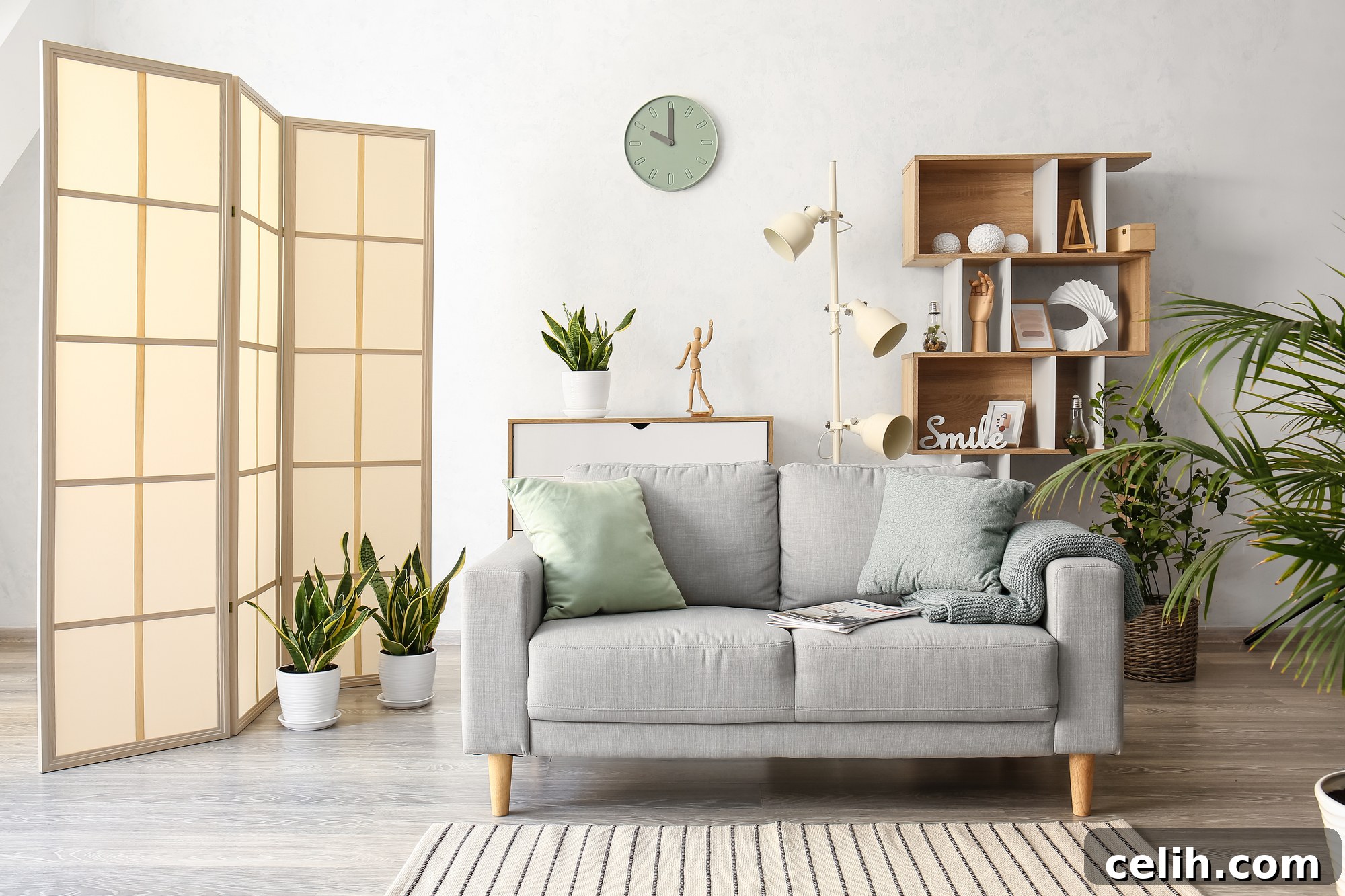
Are you looking to enhance your living space with a touch of elegance and functionality? A room screen divider might be the perfect solution you’re seeking. These versatile pieces of furniture are more than just decorative accents; they are practical tools for transforming any room into a more organized, private, and aesthetically pleasing environment. In this comprehensive guide, we’ll delve into the myriad benefits of room screens, explore how to select the ideal one for your specific needs, and provide inspiration for integrating them seamlessly into your home décor. Get ready to unlock the full potential of your living areas with the perfect room divider.
What Exactly Is A Room Screen Divider?
At its core, a room screen divider is a freestanding, portable partition designed to segment a larger space into distinct functional zones or to introduce an element of privacy where permanent walls aren’t feasible or desired. These innovative pieces typically feature multiple panels, joined by hinges, allowing them to be folded, extended, or adjusted to fit a variety of spatial configurations. Far from being a mere utility item, room dividers are available in an astonishing array of materials, styles, and sizes, making them equally adept at serving functional purposes as they are at elevating a room’s decorative appeal. From traditional shoji screens to modern art installations, they offer a dynamic and flexible approach to interior design.
Why Incorporate A Room Divider Into Your Home? The Multifaceted Benefits
The utility of a room divider screen in a contemporary home extends far beyond simple division. These versatile pieces offer a wealth of practical and aesthetic advantages:
Creating Enhanced Privacy: One of the primary uses of a room divider is to carve out a more secluded space within an open-plan layout or a shared environment like a studio apartment. They act as a soft barrier, instantly defining personal zones for relaxation, work, or sleep without the permanence or expense of constructing new walls. This visual separation can significantly contribute to a sense of personal space and tranquility.
Sectioning Off Functional Areas: Room dividers excel at delineating specific functional zones within a single large room. Imagine transforming a corner of your living room into a dedicated home office, creating a cozy reading nook, or separating a dining area from the main kitchen space. They provide clear boundaries, helping to organize your home’s flow and optimize the use of every square foot.
Elevating Aesthetic Appeal: Beyond their functional prowess, room dividers are powerful decorative elements. Available in countless designs, patterns, and finishes, they can become a striking focal point, an intriguing piece of art, or a subtle complement that ties together your room’s overall theme. Whether you prefer a minimalist, bohemian, traditional, or contemporary look, there’s a divider to match your personal style and enhance the interior’s visual narrative.
Unmatched Flexibility and Portability: Unlike fixed walls, room divider screens boast exceptional portability. Their lightweight and foldable nature means they can be easily moved, reconfigured, or stored away as your needs or preferences change. This adaptability makes them an ideal solution for renters, those who frequently redecorate, or anyone seeking dynamic space management without commitment.
Discreetly Hiding Clutter or Unsightly Areas: A strategically placed screen can effortlessly conceal areas that are less aesthetically pleasing or prone to clutter. Think laundry areas, storage shelves, exercise equipment, or a children’s play area that needs to be tidied away for guests. They offer an immediate visual solution for maintaining a neat and organized appearance in your home.
Enhancing Acoustic Properties: Certain room dividers, particularly those made from absorbent materials like fabric or solid wood, can play a role in dampening sound. In open-plan living spaces where echoes can be prevalent, a divider can help absorb ambient noise, contributing to a more comfortable and quieter environment. While not a complete soundproofing solution, they offer a noticeable improvement in acoustics.
Thoughtful Lighting Control: Screens can be masterfully utilized to manage natural or artificial light within a room. Translucent panels can diffuse harsh sunlight, creating a softer, more inviting ambiance, while opaque screens can effectively block direct light for privacy or to reduce glare on screens. This control allows you to tailor the lighting to specific activities or moods in different sections of your room.
Adding Architectural Interest: Beyond mere utility, a well-chosen room divider can introduce a unique architectural element to your space. Its form, texture, and design can break up monotonous walls, add depth, and create visual interest, giving your home a more layered and sophisticated feel.
Cost-Effective Renovation Alternative: For those looking to redefine their living spaces without the high cost and disruption of a full renovation, room dividers offer an economical and immediate solution. They provide the benefit of segmented space without requiring construction permits, demolition, or extensive labor.
Ultimately, incorporating a room divider is a smart, stylish, and highly functional strategy to optimize space, enhance privacy, and infuse personality into any home, especially in settings where flexibility and adaptability are paramount.
How To Choose The Perfect Room Divider For Your Home
Selecting the ideal room divider requires careful consideration of your specific needs, the existing décor, and the practical demands of your space. Here’s a detailed guide to help you make an informed decision:
1. Define Its Core Purpose
Begin by clearly identifying why you need a room divider, as its primary function will dictate many of your subsequent choices. For example:
- Privacy Enhancement: If maximum privacy is your goal, opt for solid, opaque screens made from materials like dense wood, thick fabric, or solid panels that completely block visibility.
- Decorative Focal Point: If aesthetics are paramount, seek out screens with intricate designs, unique patterns, artistic motifs, or striking colors that can serve as a statement piece in the room.
- Space Subdivision: For effectively dividing a large room into distinct functional zones, choose a screen that complements the existing style and layout of your space, ensuring it provides a clear yet harmonious separation.
- Light Filtration: If you want to soften harsh light or create a gentle glow, consider screens with semi-transparent or perforated designs.
- Clutter Concealment: For hiding specific areas, ensure the screen is tall and wide enough to fully cover the target zone.
2. Explore Material Options
The material of your room divider profoundly impacts its look, feel, durability, and functionality:
- Wood: Robust and timeless, solid wood or bamboo dividers offer excellent privacy and infuse a warm, natural, or rustic aesthetic. They are durable but can be heavy.
- Fabric: Offering softness and versatility, fabric dividers can range from sheer and translucent to thick and opaque. They are often lightweight, easy to move, and can introduce color and texture.
- Metal: Sleek and contemporary, metal dividers are perfect for modern, industrial, or minimalist interiors. They are highly durable and can feature intricate laser-cut designs or simple, clean lines.
- Glass or Acrylic: These materials provide a sophisticated visual division while allowing light to pass through, maintaining an open feel. They are ideal for contemporary and minimalist spaces, though they may require more frequent cleaning for smudges.
- Paper/Rice Paper: Commonly found in traditional Japanese shoji screens, these offer soft light diffusion and delicate aesthetics but are less durable and suitable for high-traffic areas.
- Woven Rattan/Wicker: Perfect for bohemian, coastal, or natural-themed interiors, offering texture and a semi-transparent division.
3. Harmonize with Your Style
Ensure the divider’s style aligns with your home’s existing décor:
- Traditional or Ornate: Look for intricate, classic designs featuring carved wood, wrought iron, or rich fabrics to complement a traditional setting.
- Minimalist: Opt for clean, simple lines, neutral colors, and uncluttered designs made from materials like plain wood, metal, or clear acrylic.
- Bohemian/Eclectic: Embrace colorful, patterned dividers, textured materials like woven rattan, macrame, or screens with global-inspired motifs.
- Modern/Contemporary: Choose sleek designs, bold geometric patterns, or innovative materials like metal, glass, or acrylic with a polished finish.
- Industrial: Consider raw metal frames, mesh, or distressed wood for an urban, factory-inspired look.
4. Dimensions: Height and Width
- Accurate Measurement: Always measure the area where you plan to place the divider. The screen should be tall enough to provide the desired level of privacy or separation without overpowering the room. Consider ceiling height and other furniture.
- Adjustable or Foldable: If your needs are dynamic, a folding screen offers adaptability and can be easily adjusted to different widths or compactly stored when not in use. Multi-panel screens offer greater flexibility in configuring the space.
5. Consider Portability Requirements
If you anticipate moving the screen frequently, portability is a key factor. Choose lightweight materials like fabric, paper, or hollow-core wood designs. Screens with castor wheels or those that fold completely flat are also excellent choices for easy repositioning and storage. Heavier materials like solid wood or metal may be less ideal for frequent relocation.
6. Transparency Levels
The degree of transparency influences both privacy and light flow. Opaque screens offer maximum visual privacy, ideal for sleeping areas or private workspaces. Semi-transparent options, like rice paper, frosted glass, or slatted wood, allow light to filter through while still creating a visual division, preserving a sense of openness. Perforated or fretwork designs offer decorative separation with minimal impact on light.
7. Stability and Safety
Especially crucial in homes with children or pets, ensure your chosen screen is stable and unlikely to tip over. Look for dividers with wide, sturdy bases, stabilizing feet, or panels that securely lock into place when extended. Some larger screens may even offer options for wall anchoring for added safety, particularly if they are tall and narrow.
8. Ease of Maintenance
Consider the upkeep required for different materials. For example:
- Fabric screens: May need regular dusting, vacuuming, or spot cleaning. Some may have removable, washable covers.
- Wooden or metal dividers: Typically easy to wipe down with a damp cloth and mild cleaner.
- Glass or acrylic screens: Will show fingerprints and smudges more readily and require frequent cleaning with glass cleaner.
9. Storage Solutions
If space is at a premium, prioritize a screen that can be easily stored away when not in use. Folding screens that collapse into a compact form are ideal. Some designs are even wall-mounted or can be tucked discreetly behind furniture when folded.
10. Customization Potential
For those who desire a truly unique piece, consider customizable or DIY room dividers. You can select your own fabric, paint a plain wooden screen, add hooks, shelves, or integrate lighting elements. This allows for unparalleled personalization that perfectly matches your individual style and needs.
By thoughtfully evaluating these factors, you can confidently choose a room divider screen that not only fulfills your practical requirements but also significantly enhances the aesthetic appeal and functionality of your cherished living space.
Buying Your Perfect Room Divider Screen: Inspiration and Tips
Once you’ve considered the key factors, it’s time to explore some options. Room dividers can be found in various places, from large retail stores to specialized boutiques and online marketplaces. Here are some general tips and a few inspirational examples of the types of screens you might consider:
Where to Buy:
- Large Furniture Retailers: Stores like IKEA, Wayfair, Amazon, and Target offer a wide range of styles and price points.
- Specialty Home Decor Stores: Places like Pottery Barn, West Elm, or independent boutiques might offer more unique, higher-end, or artisan-crafted options.
- Antique Shops & Flea Markets: For vintage charm, a one-of-a-kind piece with history, and often solid craftsmanship.
- Online Marketplaces: Etsy (for handmade/custom), eBay, or local classifieds for second-hand deals.
- DIY Stores: If you’re planning a custom project, you can source materials from hardware stores.
Budget Considerations:
Room dividers range widely in price. Simple fabric or paper screens can be very affordable, while intricate wooden carvings, custom designs, or premium materials like metal and glass can be a significant investment. Set a budget before you start shopping to narrow down your options effectively.
Here are some of our favourite examples of room divider screens that exemplify different styles and functionalities:
1. The Personalized Landscape Photo Screen
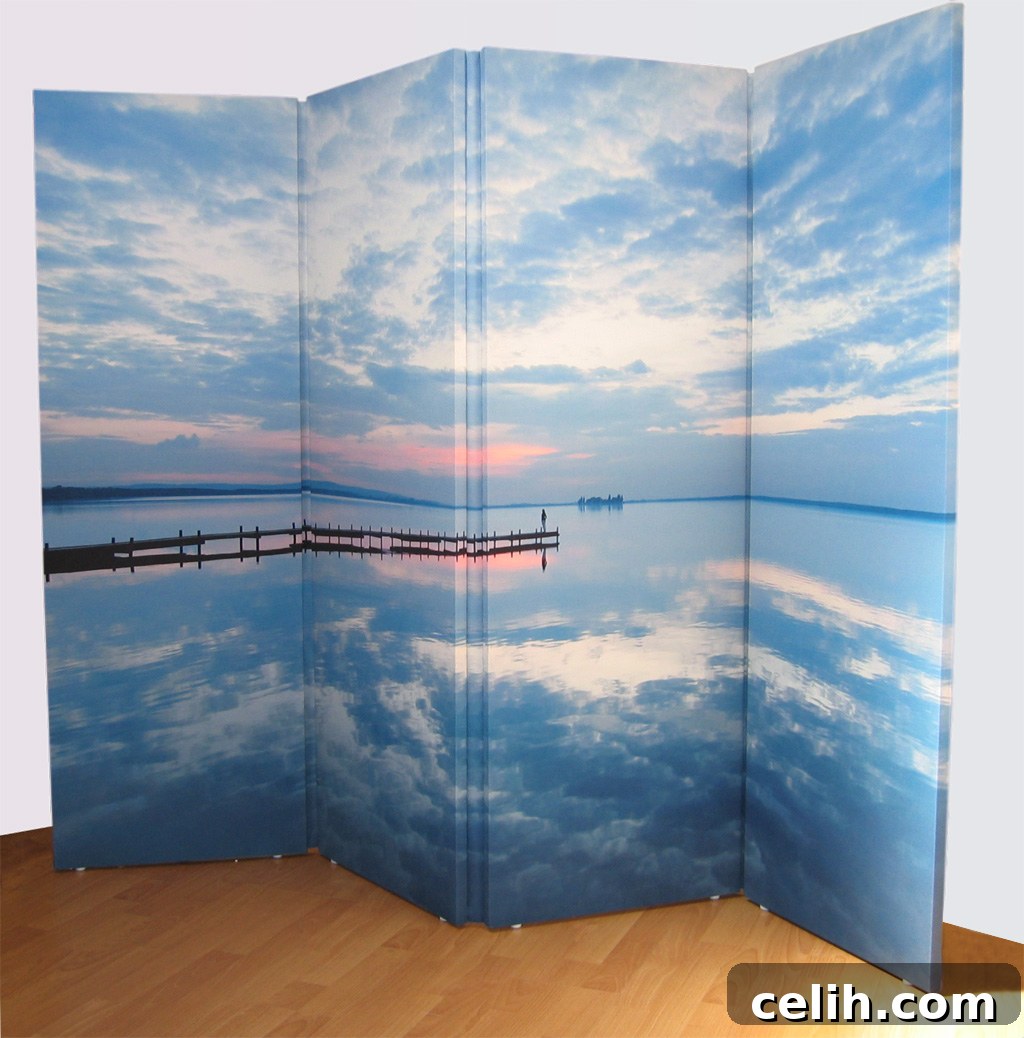
Imagine transforming your space with a screen that brings the beauty of the outdoors inside. This unique, handmade screen divider offers complete personalization, allowing you to choose your own high-quality digital landscape image – perhaps a serene countryside vista, a calming ocean scene, or a cherished travel memory. This image is then expertly printed onto a hardwearing canvas, creating not only an effective and practical room divider but also a stunning piece of custom wall art. It’s a fantastic way to introduce a sense of depth, inspiration, and personal touch to any room. Available with two to four panels, it offers flexibility in size and typically starts from around £249 from specialized providers like Bags of Love.
2. The Elegant Oriental Hand Carved Decorative Screen
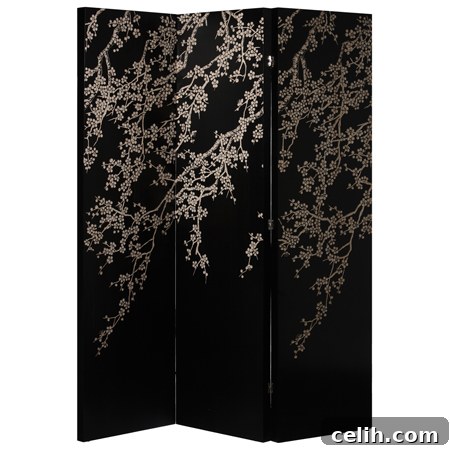
For those who appreciate timeless elegance and intricate craftsmanship, an oriental hand-carved decorative screen can be a breathtaking addition. This striking black wooden screen, for example, typically features three panels adorned with a traditional cherry blossom tree design, with delicate branches gracefully extending across each panel. The hand-carved details showcase artisanal skill and add a rich, sophisticated texture to the piece. Its classic yet bold aesthetic makes it a versatile choice, fitting seamlessly into both traditional and contemporary homes. Such a screen serves as an excellent room divider for creating intimate spaces or as a luxurious decorative backdrop. High-quality pieces like this can be found from premium retailers such as Graham and Green, often priced around £775.
3. The Modern Wave Curved Screen Divider
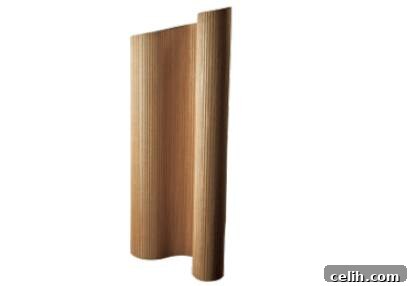
Breaking away from conventional rectangular forms, this contemporary Scandinavian-inspired screen divider introduces dynamic curvature to your space. Crafted from multiple layers of plywood, typically nine for durability and flexibility, it is elegantly curved into a distinctive wave-like design. This organic shape adds a sculptural element to any room, providing a soft yet clear division. Available in a variety of wood veneer finishes such as cherry, maple, or oak, it can be chosen to perfectly match or contrast with your existing furniture. This type of screen is ideal for modern, minimalist, or Nordic-themed interiors, offering both functionality and a strong design statement. Expect to find such innovative designs from modern furniture specialists like i-Modish, with prices around £349.
In conclusion, a room divider screen is an incredibly versatile and valuable addition to any home. Whether your goal is to enhance privacy, optimize space, conceal clutter, or simply add a touch of artistic flair, there’s a perfect screen out there for you. By carefully considering your needs and exploring the vast array of styles and materials available, you can confidently select a divider that not only meets your practical requirements but also elevates the beauty and functionality of your living environment.