
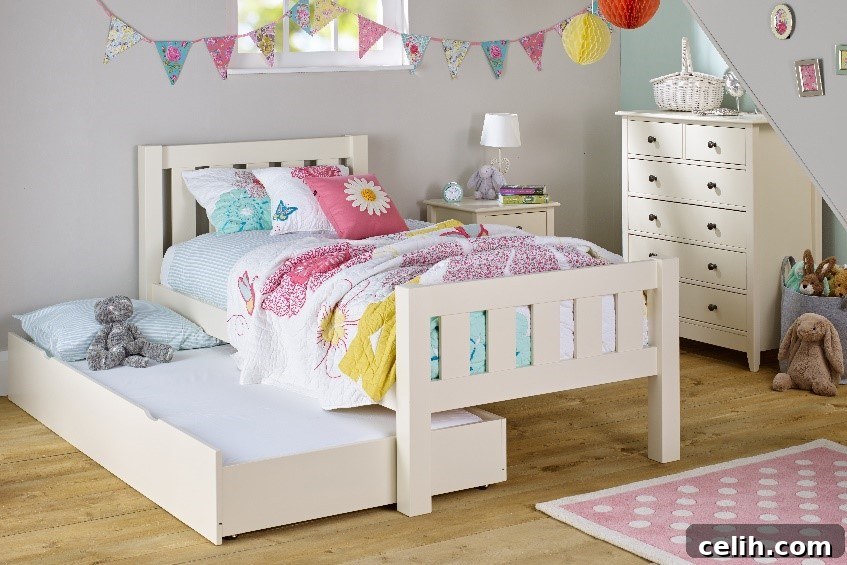
In many homes, the smallest room often falls to the youngest family members. While children may be small, their belongings — from toys and books to clothes and craft supplies — can quickly accumulate, transforming a modest space into a cluttered jungle. This reality presents a unique challenge for parents: how to create a functional, inspiring, and spacious environment in a compact footprint? The good news is that designing a child’s small room doesn’t have to mean compromising on imagination or practicality. With intelligent planning and a strategic approach to furniture and storage, you can unlock the full potential of any limited space, fostering a perfect backdrop for learning, play, and peaceful rest. This guide will walk you through innovative, space-saving solutions and expert tips to help you craft a dream room for your child, no matter the size, ensuring every inch is utilized effectively and stylishly.
Here are six essential tips to master the art of designing a child’s room when space is a precious commodity, transforming challenges into creative opportunities.
1. Elevate Functionality with a Multi-functional Bed
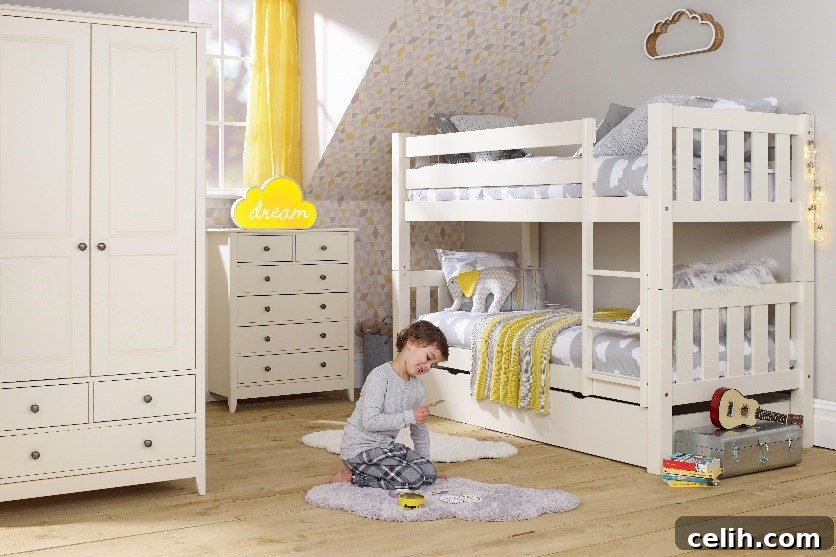
The bed is undeniably the largest piece of furniture in any bedroom, and in a child’s small room, it demands careful consideration to maximize every square foot. Instead of viewing it merely as a sleeping surface, envision the bed as a versatile hub for sleep, storage, study, and even play. Investing in a multi-functional bed is perhaps the most impactful decision you can make for a space-deprived children’s bedroom, ingeniously integrating several necessities into one compact unit.
Bunk Beds: The Ultimate Vertical Solution. For families with two children sharing a room, or for single children who frequently host sleepovers, stylish and functional children’s bunk beds from Room to Grow are an exemplary choice. They ingeniously stack two sleeping areas vertically, freeing up significant floor space that would otherwise be consumed by two separate beds. Modern bunk beds come in a myriad of designs, from traditional twin-over-twin configurations to L-shaped layouts that offer a built-in desk or shelving unit alongside the lower bunk. Some even feature integrated storage drawers or shelves, further enhancing their utility. Beyond their practical benefits, bunk beds often ignite children’s imaginations, turning bedtime into an adventure and fostering a sense of shared fun and togetherness.
Cabin Beds: A World Underneath. If a bunk bed doesn’t align with your needs, perhaps because you have only one child or prefer a more grounded sleeping arrangement, a cabin bed presents another remarkable space-saving alternative. These elevated beds typically feature a raised sleeping platform with an entire world of possibilities tucked away underneath. It’s truly astonishing what can be integrated into the space below: a dedicated study area with a pull-out desk, ample storage with built-in drawers and open shelving for books and toys, or even a cozy play den complete with curtains and cushions. Some designs even incorporate a slide, transforming the bed into an irresistible play structure. Cabin beds not only consolidate essential functions but also create distinct zones within a small room, separating sleep from study and play, which can be highly beneficial for children’s routines and cognitive development. This innovative design helps to maintain an uncluttered appearance while providing everything a child needs within arm’s reach.
Loft Beds: Maximizing Floor Space. Similar to cabin beds, loft beds elevate the sleeping area even higher, often creating a full-sized usable space beneath for a desk, a small sofa, or even another bed (like a futon for guests). While cabin beds often have integrated storage directly under the mattress level, loft beds usually provide a more open, larger area below, offering greater flexibility for customization. When selecting any elevated bed, prioritize safety features such as sturdy construction, secure guardrails, and easy-to-climb ladders or stairs. These multi-functional beds are not just furniture pieces; they are strategic investments that redefine the functionality of a compact children’s bedroom, transforming it into an organized, inspiring, and joyful haven.
2. Unleash the Potential of Hidden Under-Bed Storage
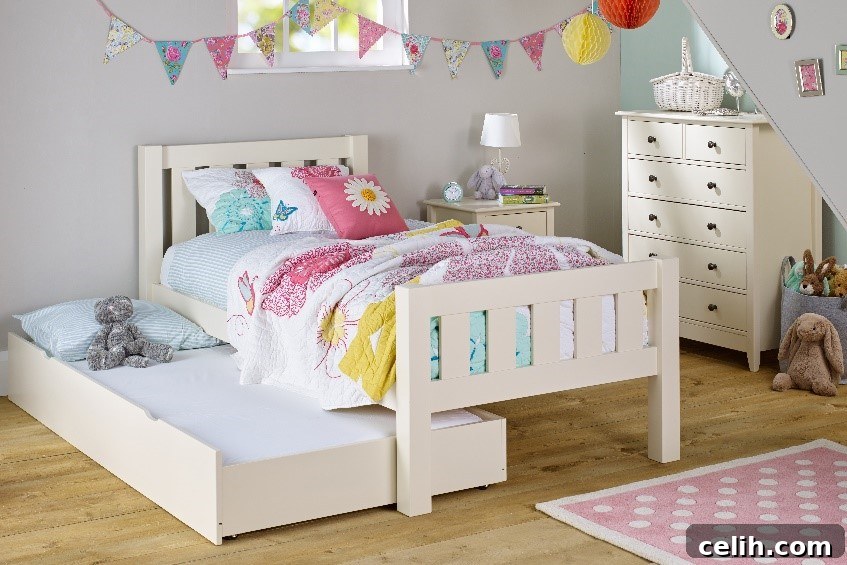
Once you’ve chosen the ideal bed, the next step in maximizing space in a child’s room is to meticulously utilize every available nook and cranny, particularly the often-overlooked area beneath the bed. Under-bed storage is an absolute game-changer for maintaining an organized and visually spacious environment in a small room. It provides an incredible opportunity to discreetly tuck away items that would otherwise contribute to clutter, keeping the main living space clear for activities.
When selecting a bed, always keep this storage potential in mind. Many modern bed designs for children now come with built-in drawers, seamlessly integrated into the frame. These are exceptionally practical for stowing away seasonal clothing, spare bed linens, towels, or even less frequently used toys and games. The beauty of built-in drawers is their discreet nature, offering a streamlined look while providing substantial storage volume. They glide out effortlessly, making items easily accessible when needed, yet entirely out of sight when not.
Beyond integrated drawers, there are numerous other inventive ways to leverage under-bed space. Consider investing in pull-out storage bins, rolling crates, or flat storage containers specifically designed to slide under a bed frame. These can be made from various materials, including durable plastic, woven fabric, or even wood, and can be chosen to complement the room’s decor. Labeling these containers can further enhance organization, helping both children and parents quickly locate specific items, from dress-up costumes to art supplies. For items like out-of-season clothing or bulky bedding that are not needed daily, vacuum-sealed bags are an excellent solution to compress them and protect them from dust, fitting perfectly into under-bed compartments. By making the most of this prime, often-unused real estate, you can significantly reduce visible clutter, making the room appear larger, tidier, and more conducive to both relaxation and play.
3. Embrace Verticality with Smart Wall-Mounted Storage
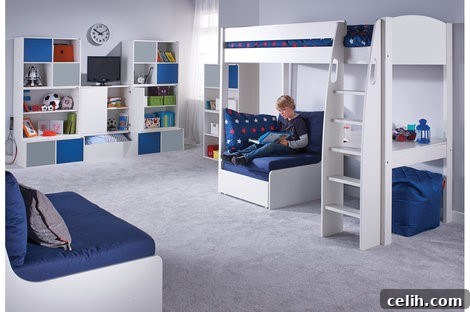
When floor space is limited, the only way to go is up! Walls offer a vast, often underutilized canvas for storage and display, making vertical solutions an indispensable tool in small bedroom design. Shelves are a primary example, proving that they are far more versatile than just holding books. They are ideal for organizing and showcasing a multitude of items, from favorite toys and cherished collectibles to art supplies, craft projects, and even everyday essentials.
To maximize efficiency and minimize visual clutter, consider shelves that incorporate pull-out baskets or drawers. These features allow you to neatly tuck away smaller items and miscellaneous bits and bobs, maintaining a tidy appearance while keeping things easily accessible. Floating shelves offer a sleek, minimalist look, creating an illusion of more open space by keeping the floor clear. Alternatively, wall-mounted cubby shelves or open display units can add architectural interest while providing compartmentalized storage for various items, helping children learn to sort and organize their belongings.
Beyond traditional shelving, think creatively about other vertical storage solutions. Pegboards, for instance, are incredibly versatile. They allow for customizable arrangements of hooks, baskets, and small shelves, perfect for art supplies, small toys, or even clothes accessories. Wall pockets or fabric organizers can be hung on the back of doors or directly on walls to store soft toys, pajamas, or craft materials. When installing any wall-mounted storage, especially in a child’s room, safety is paramount. Ensure all shelves and units are securely anchored to wall studs to prevent tipping or falling, particularly if they will hold heavier items or be within reach of an active child. By strategically utilizing vertical space, you not only declutter the floor but also create dynamic and engaging displays that add personality and character to the room, making it feel larger and more purposeful.
4. Brighten and Expand with Thoughtful Overhead and Wall Lighting
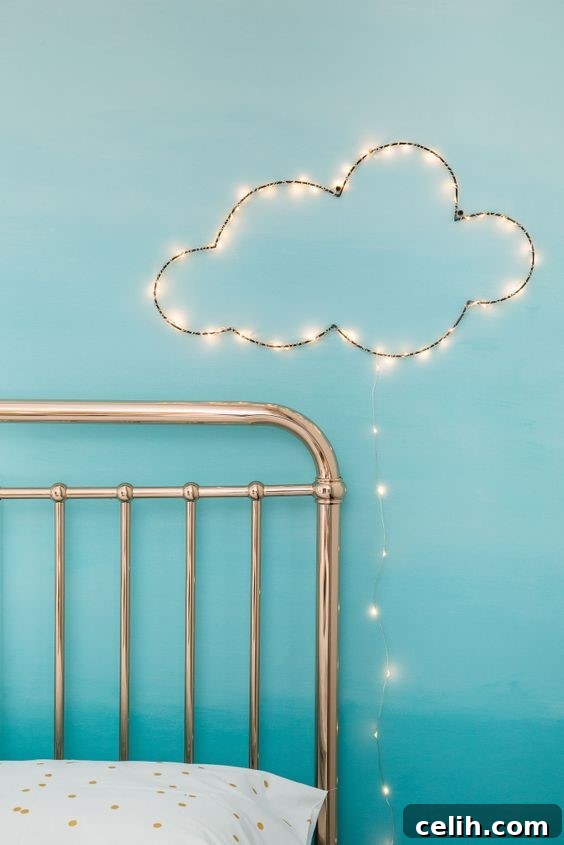
Lighting plays a crucial role not only in illuminating a space but also in influencing its perceived size and atmosphere. In a small child’s room, choosing the right lighting fixtures can dramatically free up precious surface area and contribute to a more expansive feel. Floor lamps, while stylish, can be cumbersome and occupy valuable corner space. Similarly, traditional table lamps necessitate a bedside table, which might be a luxury a compact room simply cannot afford.
Instead, look upwards and outwards to integrate lighting solutions that don’t encroach on floor or tabletop real estate. Pendant lights, hung from the ceiling, offer excellent ambient illumination without taking up any footprint. You can add playful pops of color and personality with bright lampshades that complement the room’s color scheme or theme. For an added “wow” factor, consider themed pendant lights shaped like clouds, rockets, or hot air balloons, instantly transforming the ceiling into a focal point of wonder and imagination.
Wall-mounted lights are another brilliant space-saving strategy. They can serve as task lighting for a reading nook or desk area, or as general ambient light. Sconces, picture lights, or even flexible gooseneck lamps mounted near the bed eliminate the need for a bedside lamp, freeing up any small surface for books or water bottles. Modern LED strip lights can be installed along shelves, under beds, or behind furniture to create subtle, magical glows that enhance the room’s depth and ambiance. Beyond saving space, thoughtful lighting design can also improve functionality, ensuring there’s adequate illumination for homework, creative play, and bedtime stories. Always ensure that any wiring is safely concealed and fixtures are securely installed out of reach of curious little hands, adhering to all electrical safety standards for a child’s environment.
5. Inspire Imagination with Ingenious Creative Play Zones
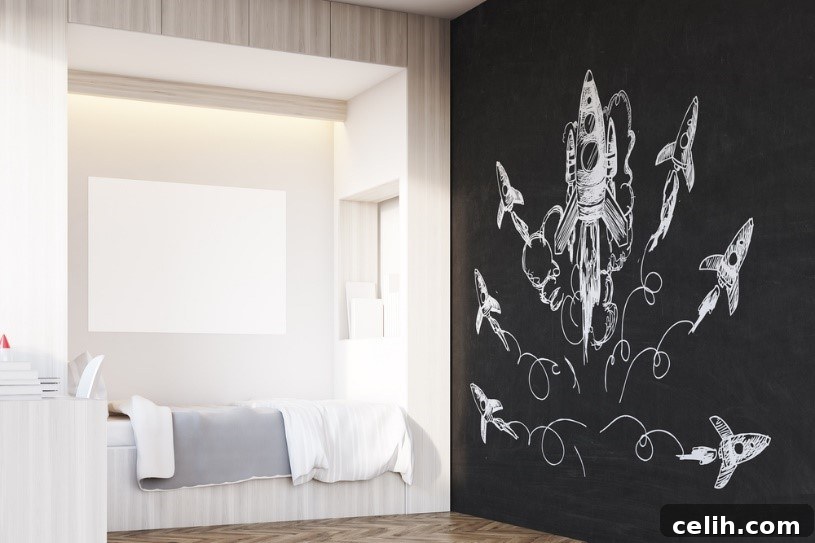
A common misconception is that extensive space is a prerequisite for rich, interactive, and imaginative play. In reality, some of the most engaging play environments can be fostered within compact dimensions, often by leveraging vertical surfaces or integrating play into existing furniture. The key is to think creatively and maximize every available surface to encourage exploration, learning, and artistic expression, ensuring that a small room never limits a child’s boundless imagination.
Wall-mounted activity centers are exceptional space-savers. Installing a chalkboard, whiteboard, or even a large magnetic sheet directly onto a wall can provide hours of entertainment without consuming any floor space. A chalkboard encourages budding artists to doodle, practice writing, and create new masterpieces daily, sparking creativity and fine motor skills. Whiteboards offer a clean, erasable surface for drawing with markers, practicing math problems, or playing word games. A metal sheet, on the other hand, opens up a world of magnetic play – from ordering colorful magnetic letters and shapes to creating scenes with magnetic figures, fostering cognitive development and problem-solving skills. These interactive wall features transform otherwise blank surfaces into dynamic canvases for learning and fun.
Beyond wall-based activities, consider portable and multi-purpose play elements. A foldable activity mat or a pop-up play tent can be quickly deployed for imaginative adventures and just as swiftly stored away when not in use. Floor cushions or poufs with integrated storage can serve as comfortable seating for reading or puzzles, and then be lifted to reveal hidden compartments for toys. Even a small, versatile desk can double as a craft station, homework area, or a surface for building blocks. The goal is to design a flexible environment where different types of play can happen fluidly, fostering a love for learning and creativity within their personal sanctuary. By incorporating these clever solutions, you demonstrate that a small room can be a grand stage for countless adventures, nurturing a child’s development without feeling cramped.
6. Rethink Clothing Storage with Stylish and Accessible Rails

Traditional wardrobes, while offering enclosed storage, can often be unnecessarily bulky and visually dominant, especially in a small child’s bedroom. Given that children’s clothes are typically small, an oversized wardrobe can consume valuable floor and wall space disproportionately. For a more efficient, stylish, and practical solution, consider replacing the conventional wardrobe with a clothing rail – an approach that embraces an open, minimalist aesthetic while maximizing accessibility and utility.
Clothing rails are incredibly versatile and come in a variety of designs, from sleek industrial metal frames to charming wooden structures that can complement any decor theme. They offer a stylish, space-saving way to organize your little one’s garments, keeping them wrinkle-free and easily visible. This open storage method has several significant advantages: it not only saves space but also promotes independence in children by making their clothes readily accessible for them to choose their own outfits. Furthermore, an open rail allows parents to quickly survey their child’s wardrobe, easily identifying what clothes they own, what might be missing, or what needs to be replaced due to growth or wear and tear. This visual organization can streamline morning routines and simplify seasonal wardrobe transitions.
To enhance the functionality of a clothing rail, consider combining it with other smart storage solutions. A rail can be integrated above a set of low-profile drawers or cubbies, providing a dedicated space for folded items like pajamas, socks, or underwear. Wall-mounted shelves positioned directly above the rail can hold hats, shoes, or decorative bins for accessories. For even greater flexibility, adjustable clothing rails allow you to modify the height as your child grows, ensuring the system remains practical for years to come. Fabric hanging organizers can also be used in conjunction with a rail, providing additional compartments for smaller items. By embracing clothing rails, you transform a potentially cumbersome storage challenge into an organized, attractive, and highly functional feature that contributes to a sense of openness and order in a compact bedroom.
(Disclosure: Paid ad post in association with Room To Grow)
Designing a small child’s room doesn’t have to be a daunting task; instead, it’s an exciting opportunity to unleash creativity and smart design principles. By embracing multi-functional furniture, tapping into vertical spaces, optimizing hidden storage, and making deliberate choices about lighting and play areas, you can transform even the most compact room into a haven of functionality, comfort, and boundless imagination. Remember, the goal is not merely to fit everything in, but to create an environment where your child feels inspired, organized, and free to learn and play. With these innovative, space-saving solutions, you can craft a delightful and practical bedroom that grows with your child, proving that great design knows no size limits. A well-designed small room can truly be a big world for a little one.